Overview
If you’re sleeping in the backcountry, you need a wilderness permit—year-round. It’s the park’s way of protecting fragile sites while keeping the experience wild. Permits lock you into specific campgrounds on specific dates; carry it with you and stick to the itinerary.
How it works
- Advance reservations: For trips June 15–Sept 30, 70% of sites are reservable. There are two early-access lotteries: large groups (9–12) on March 1, and standard parties (1–8) on March 15.
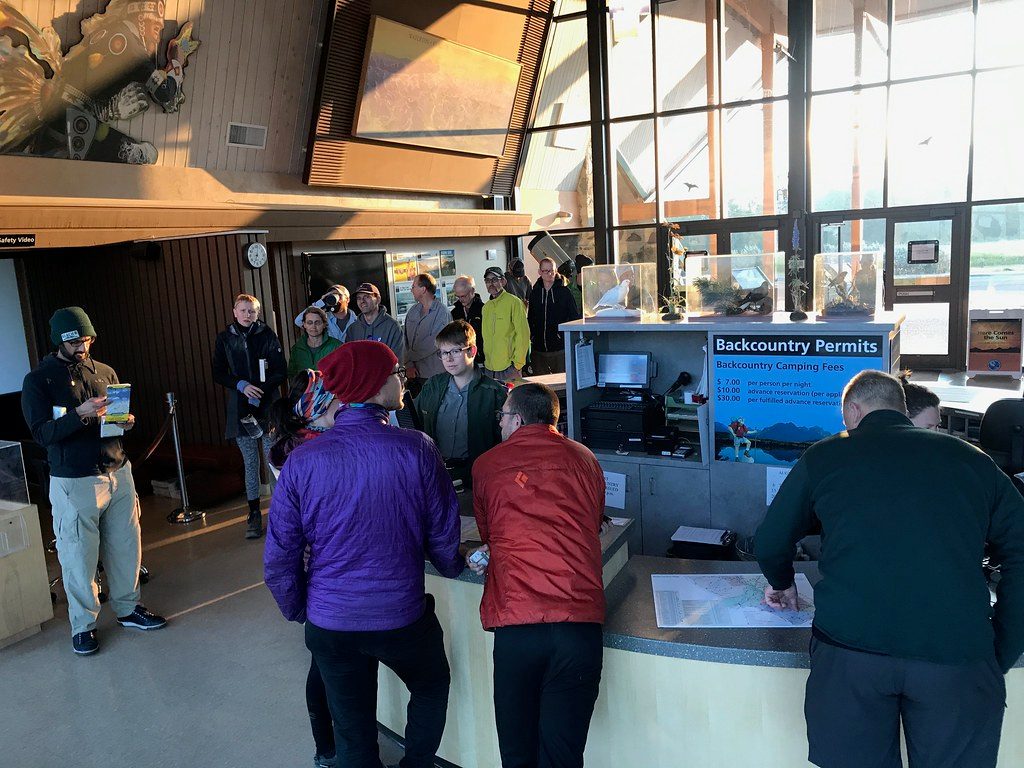
- Walk-up permits: The remaining sites are first-come, in person, no more than one day before your start. Expect lines early on busy summer mornings.
- Pickup deadline: Reserved permits must be picked up in person by 4:30 p.m. the day before or on your start date, or they’re cancelled.
Fees
- $10 permit/reservation fee, plus $7 per person per night (May 1–Oct 31). Entrance fee is separate. Cards only.
- Winter permits (Nov 1–Apr 30) are free.
2025 operational notes
- Many Glacier Ranger Station will not issue wilderness permits.
- The Many Glacier wilderness campground is temporarily relocated near Many Glacier Hotel.
- Two Medicine Wilderness Permit Office closes Sep 14; after that, use the East Glacier Ranger Station (Sep 14–30).
Rules and realities
- Camp only in the designated wilderness campground on your permit, on the exact dates.
- Online bookings cap daily mileage between camps at 16 miles; longer days can only be arranged in person if available.
- Party limits: up to 8 on one permit; most tent sites hold up to 4 people, so bigger groups need multiple sites.
- Max 14 backcountry nights per permit and per calendar year.
- Conditions change fast—fires, bears, or management needs can close trails or campgrounds. Staff may reroute you, but closures aren’t a guarantee of refunds.
- Fires are allowed only at a few designated wilderness campgrounds.
- Stock use is limited to designated areas; bring certified weed-free feed.
Food storage and wildlife
- At summer-status sites, use food poles or bear boxes; bring your own durable bag and at least 25 feet of rope—those aren’t provided.
- In winter-status campgrounds, an approved bear canister is required.
- Bears are active across the park; closures for bear activity happen. Know how to hang food, carry bear spray, and stay alert.
Picking camps and routes
- West side: lower trailheads, more forest, often a quieter feel.
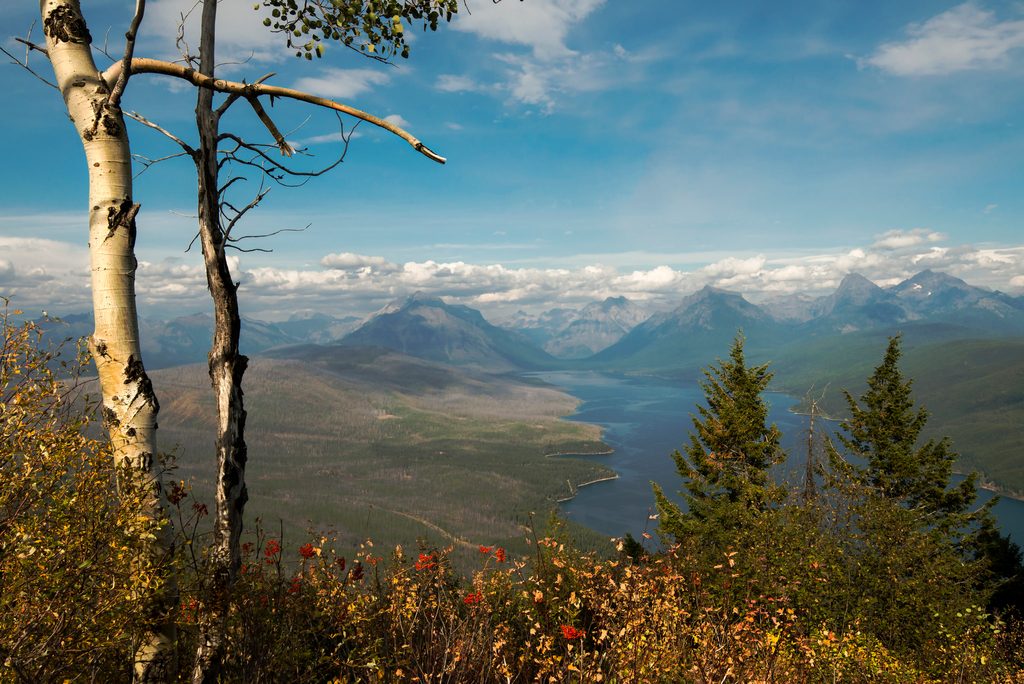
- East side: higher, more open terrain and big, sweeping views. Plan daily miles and elevation carefully—unrealistic itineraries get denied or altered.
Best time to “visit”
- For advance reservations, target the March lotteries; flexibility on dates, direction, and camp combos helps.
- For walk-ups, weekdays are easier. Be in line before opening during peak summer, and bring multiple backup itineraries.
- Pick up by 4:30 p.m. or risk losing your reservation.
Good to know
- With an approved wilderness permit, you don’t need a separate vehicle reservation for the duration of your trip.
- Backcountry camps typically have pit toilets, food-prep areas, and designated tent pads; many sit by lakes—scenic, but windy.
- Cell service is spotty; finalize bookings and downloads before you roll in.