
Place · 0.7 mi away
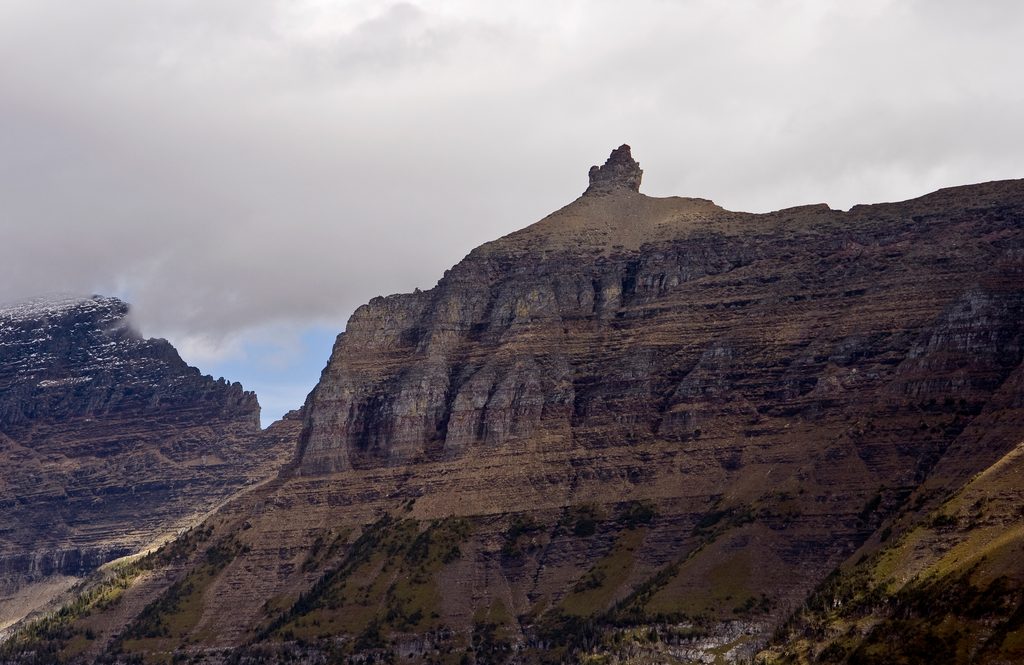
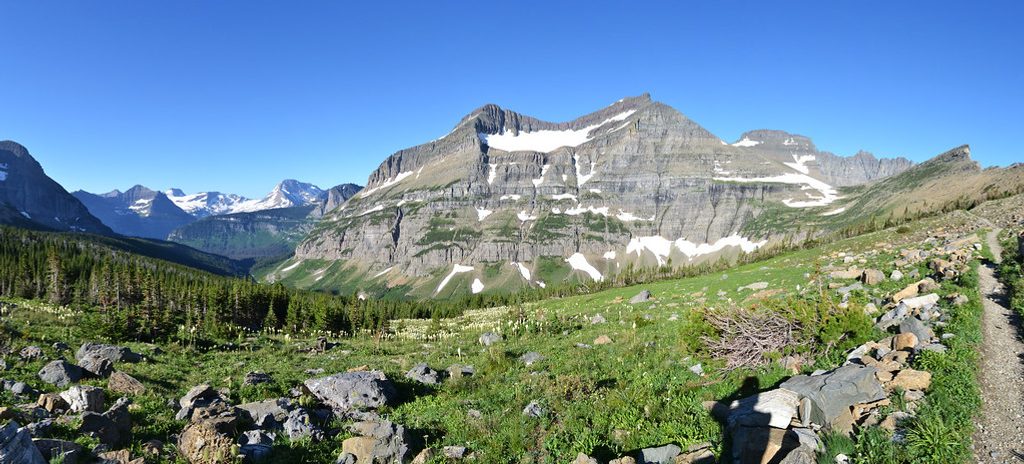
Bishops Cap (9,127 ft) is a jagged summit on the Garden Wall just north of Logan Pass, tucked between Pollock Mountain and Mount Gould. From Logan Pass it resembles a bishop’s mitre, and its near‑vertical east face makes it one of the more dramatic silhouettes along the Divide. Most visitors admire it from the Highline Trail; the summit itself is an off‑trail, technical scramble only for seasoned parties.
You’ll see Bishops Cap looming above the first miles of the Highline Trail from Logan Pass, where the Garden Wall scenery is already firing on all cylinders. Many hikers do an out‑and‑back for the views, or commit to the classic Logan Pass → Granite Park → The Loop one‑way day and connect with the park shuttle.
The established line is the West Ridge: sustained class 3–4 scrambling with meaningful exposure on very brittle rock. Helmets are strongly recommended; capable parties often solo, while a short rope can be comforting for brief crux steps or the downclimb. Common approaches are straight from the Highline to the ridge, or as a link‑up after Pollock via the “Great Cleft” from Lunch Creek along the Garden Wall. Expect a big, technical day with constant route‑finding and consequence.
Typical season is mid‑July through early September, depending on snow. Early‑season snow patches can linger on steep aspects; traction or an axe may be warranted when firm. Weather moves fast on the Divide—start early, watch the sky, and set a turnaround time. This is prime grizzly and black bear country; carry bear spray and know how to use it.
You’re scrambling on the Precambrian Belt Supergroup—colorful, lightly metamorphosed sedimentary rocks lifted by the Lewis Overthrust and sharpened by Ice‑Age glaciation into today’s arêtes, cirques, and U‑shaped valleys. It’s beautiful, but the rock is notoriously brittle, so test every hold.
Logan Pass is the launch point for both viewing and approaches. Restrooms and water refill are available at the visitor center, but don’t expect food service and don’t count on cell coverage. Parking commonly fills around sunrise in peak season; vehicle reservations are required to drive busy corridors in summer. The free park shuttle is useful for point‑to‑point Highline itineraries. There are no toilets on the Highline itself—plan accordingly and follow Leave No Trace.
Aim for mid‑July to early September when the road and high trails are typically open. For parking and calmer trails, arrive before 7 am or use the shuttle; weekdays help a bit. If you’re climbing, pick a stable, dry forecast window and start early to avoid afternoon weather.
Place · 0.7 mi away
Place · 0.9 mi away
Place · 0.9 mi away
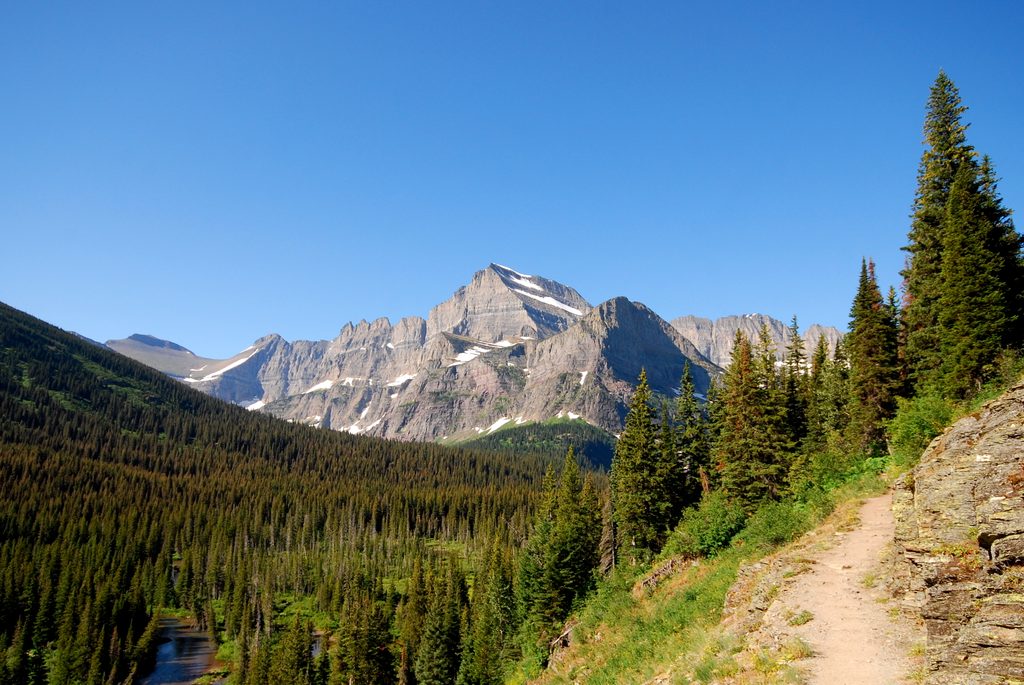
Place · 1.3 mi away
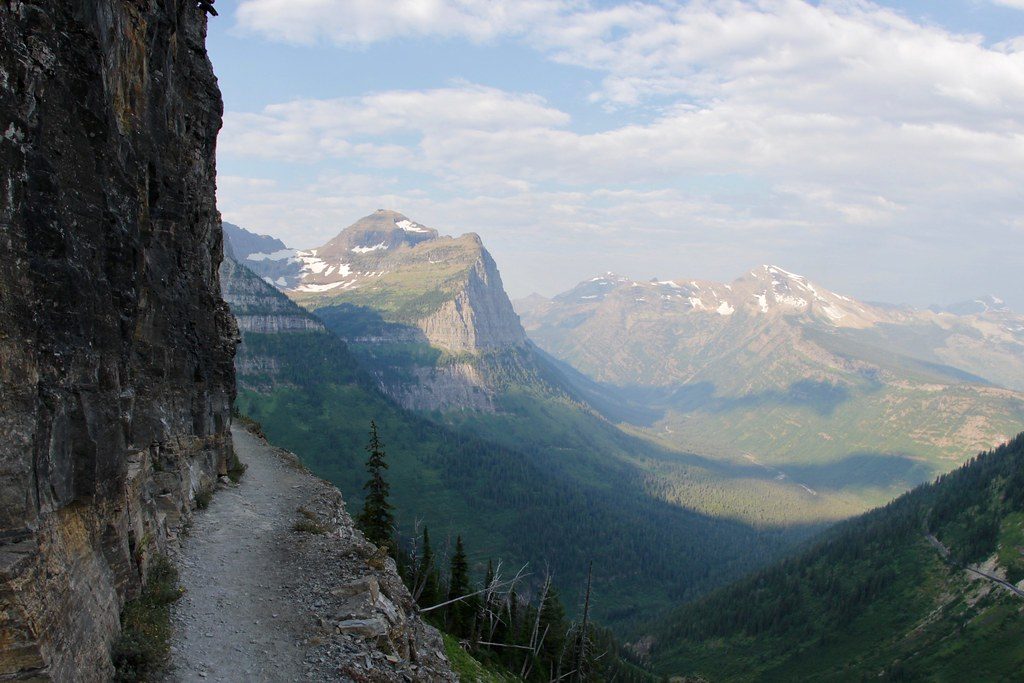
Challenging · 2 mi away
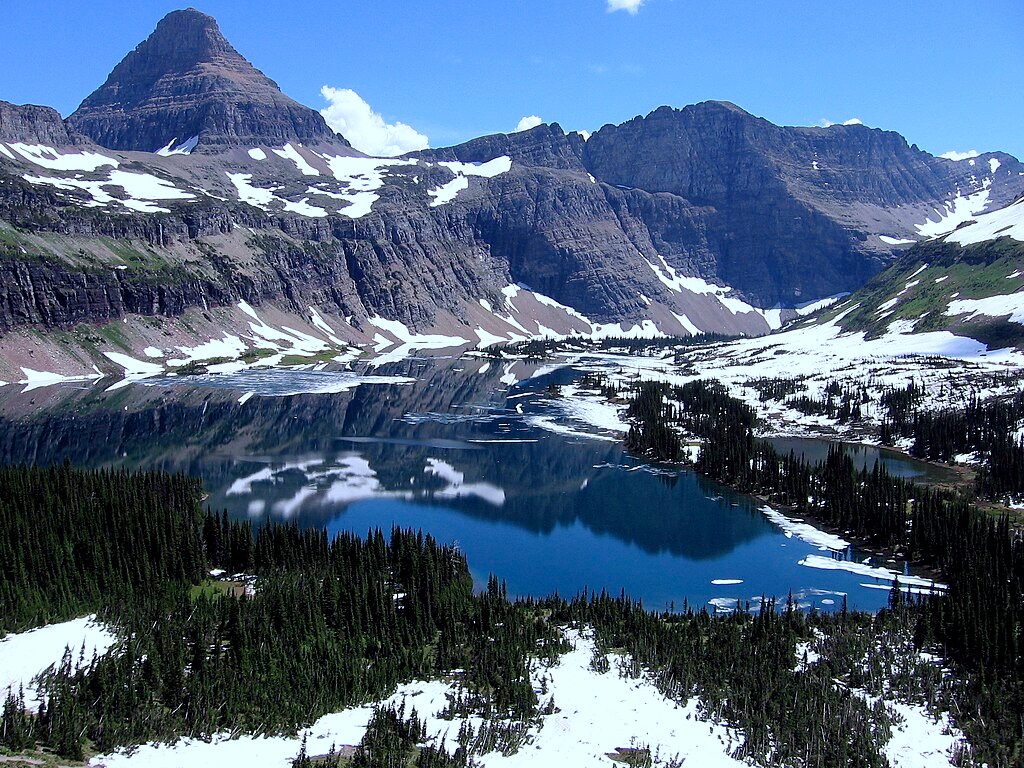
Moderate · 2.1 mi away
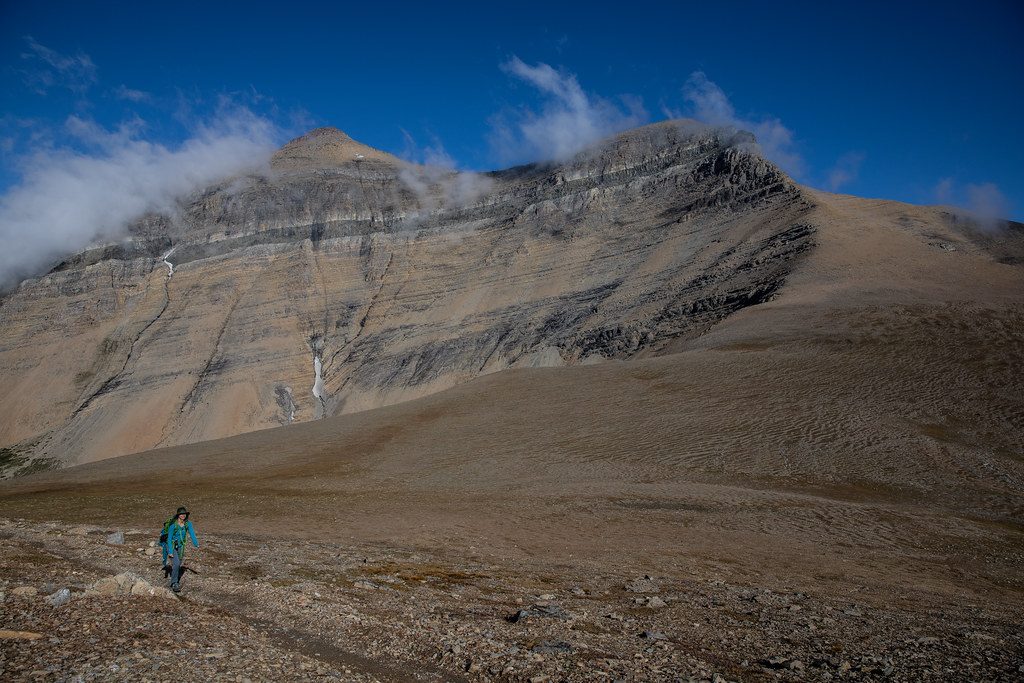
Challenging · 2.5 mi away
Moderate · 2.5 mi away

Parkwolf Tour Guide
