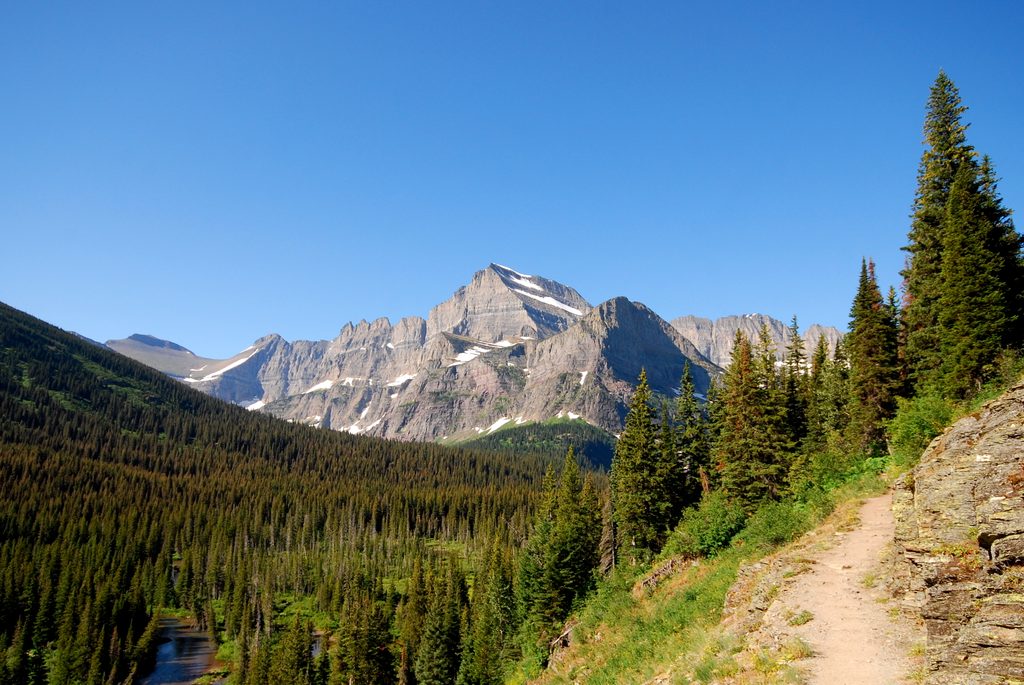
Mt. Gould

Big, airy summit above Grinnell Glacier for confident scramblers
Mt. Gould, Glacier National Park
InsideGlacier National Park

Overview

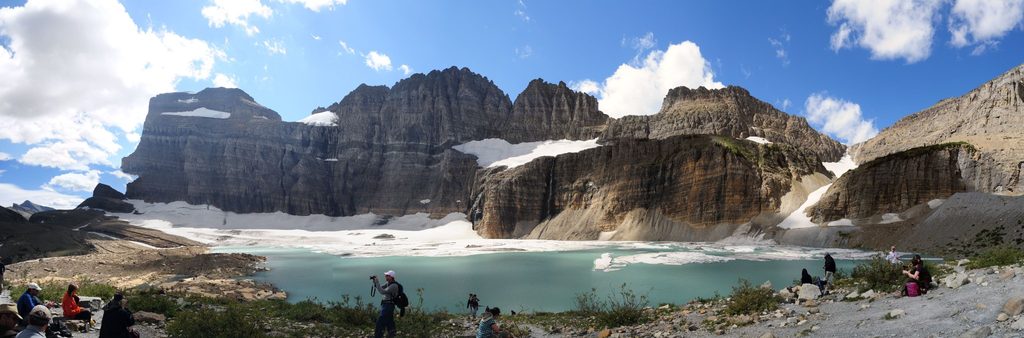
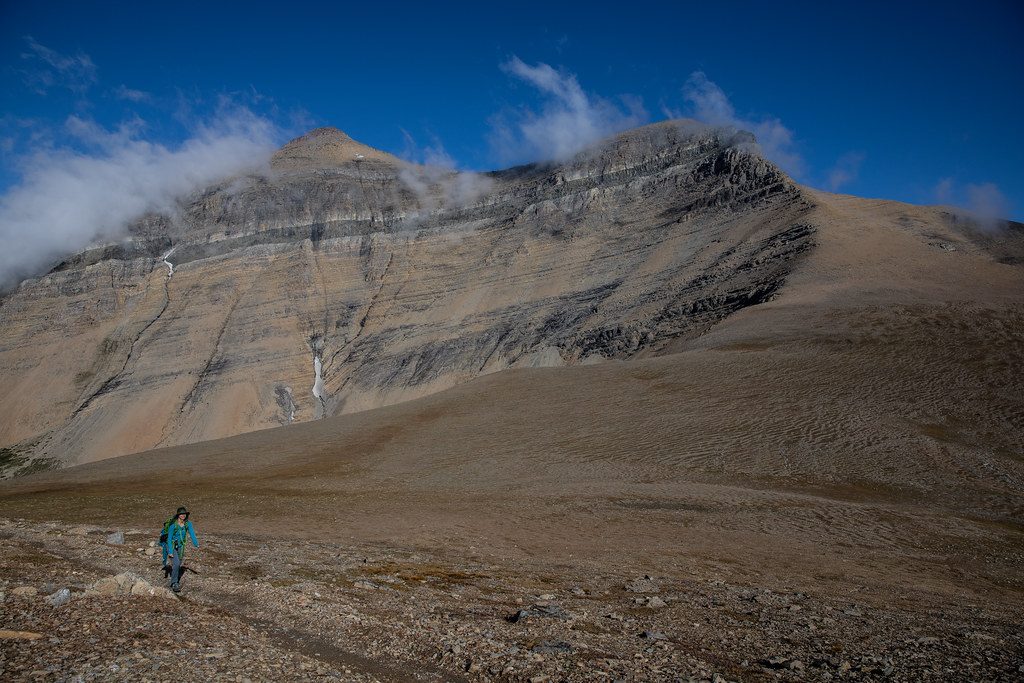
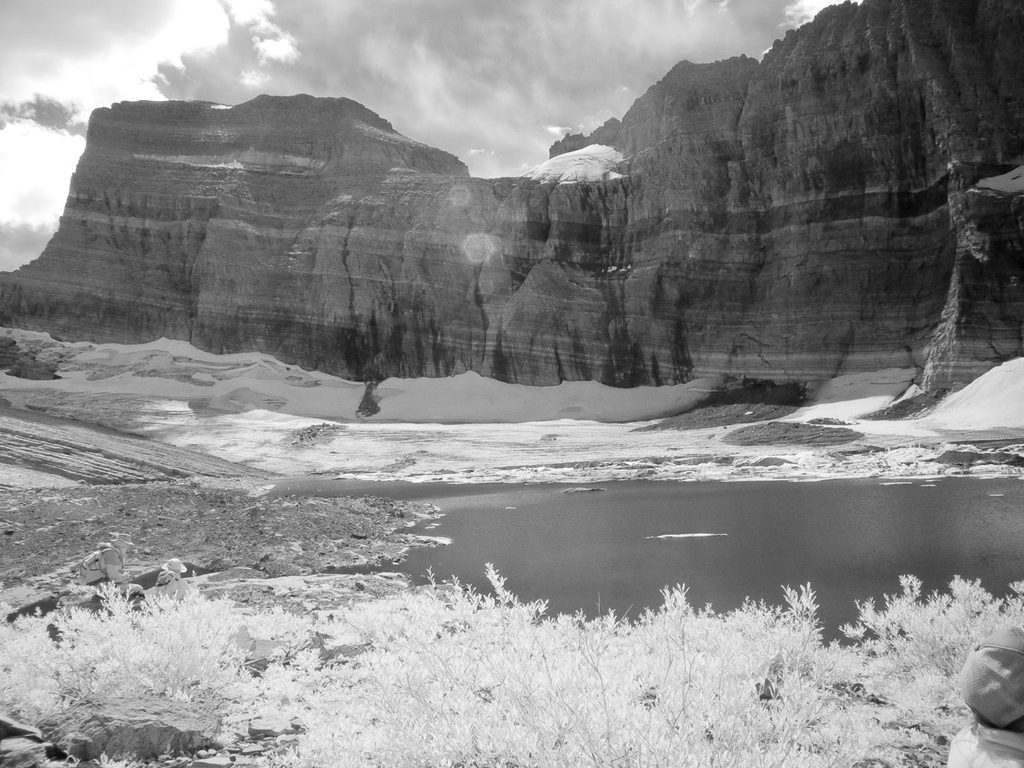
Mount Gould towers above the Garden Wall and Many Glacier, rewarding confident scramblers with a wild, big-mountain perch over Grinnell Glacier. It’s a climb, not a hike: unmarked, steep, and loose in places, with sections of Class 2/3 scrambling and exposure. If you’re just after knockout views, many hikers wisely stop at the Grinnell Glacier Overlook instead.

How People Reach It

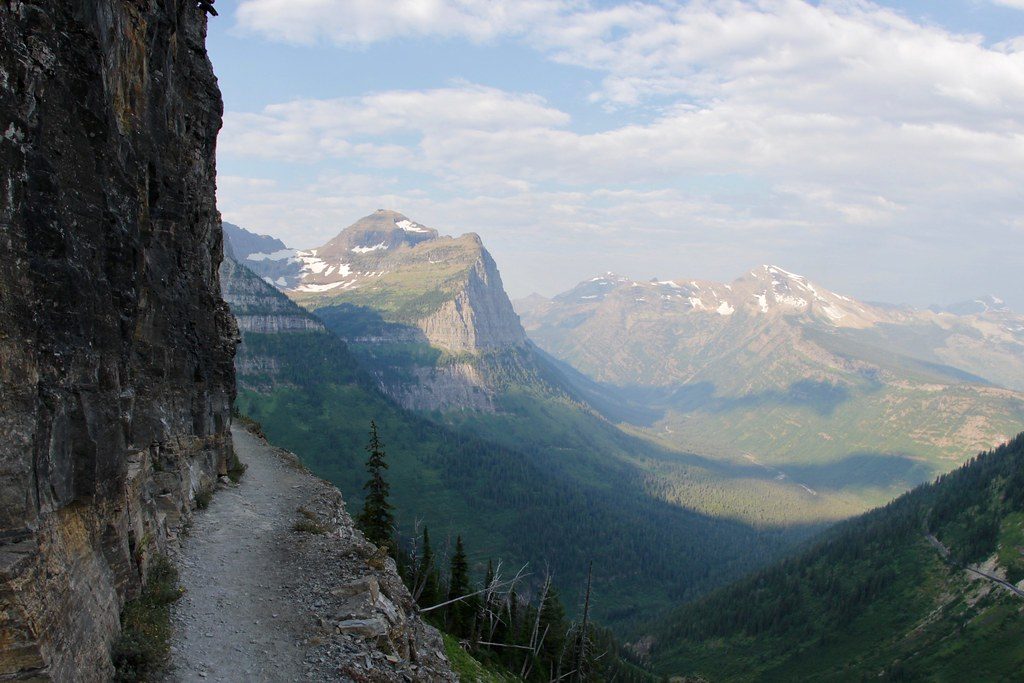
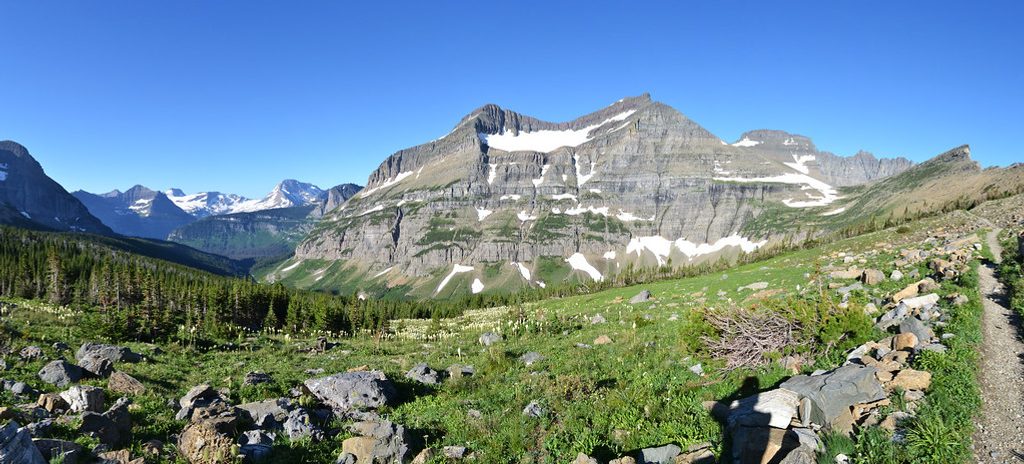
Most approaches begin on the Highline Trail from Logan Pass. Common tactics include tagging the Grinnell Glacier Overlook spur and then continuing on steep, unmaintained terrain, or leaving the Highline near the broad saddle by Haystack Butte and working up the west face. Expect shifting scree, ledges, and hands-on moves; route-finding is part of the day and turning around is a valid call.

What You’ll See

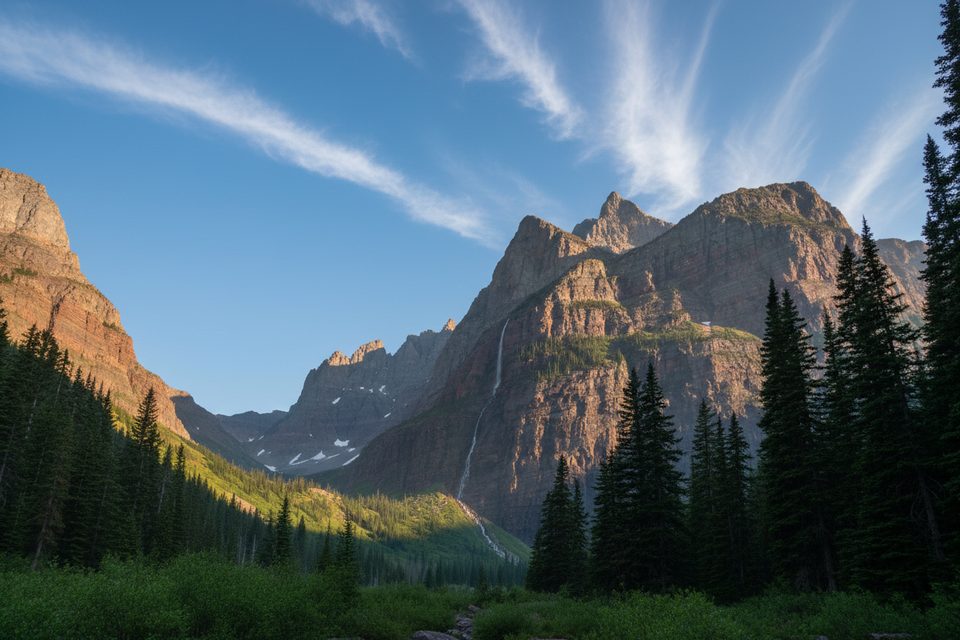
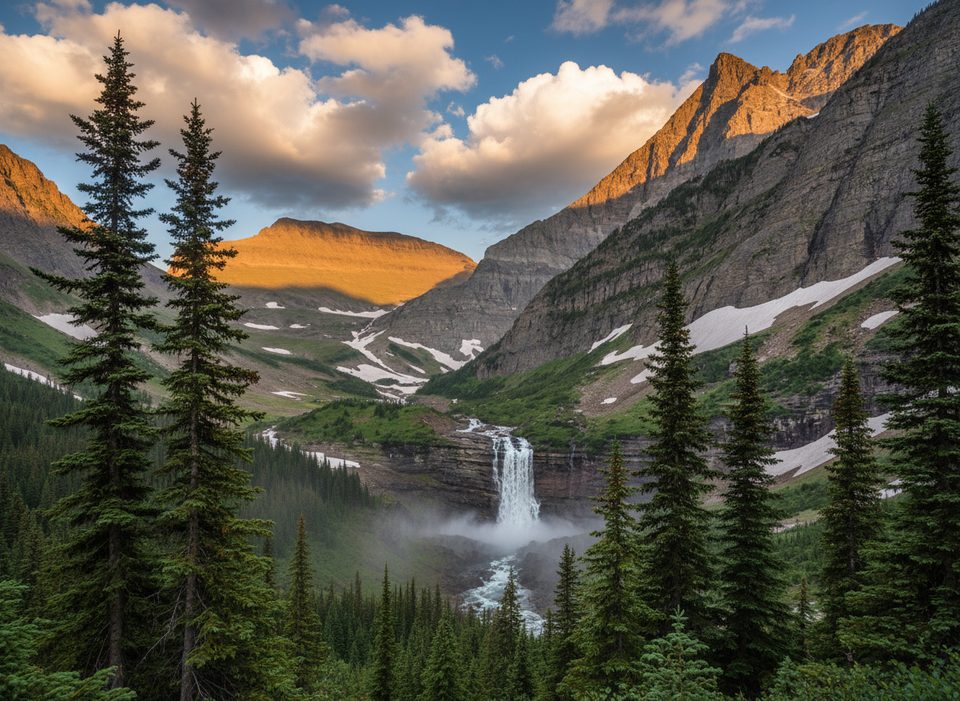
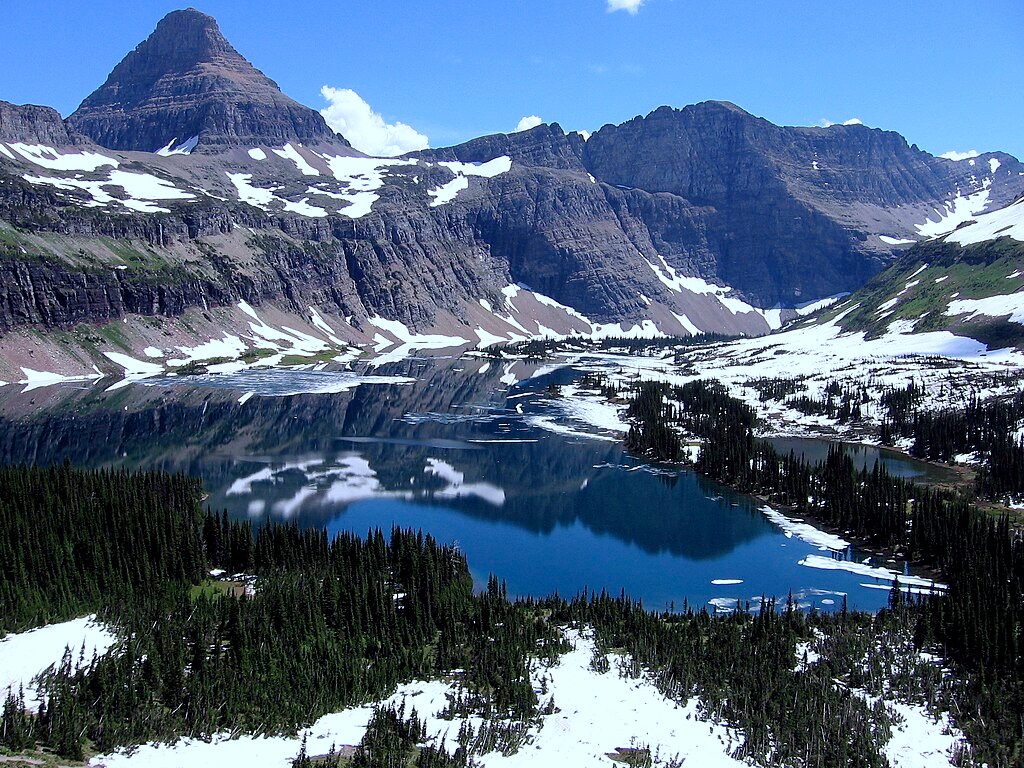
From high on Gould, you look straight into the ice-sculpted heart of the park: the cirque holding what remains of Grinnell Glacier and a skyline of arêtes and horns. On clear days, the views stretch across the Many Glacier basin and the Lewis Range—an A+ panorama for anyone who’s comfortable earning it.

Terrain, Geology, and Why It’s So Rugged

These peaks are carved from ancient Belt Supergroup sedimentary rocks lifted by the Lewis Overthrust and then sharpened by Ice Age glaciers. The result: colorful red/green cliff bands, crumbly ledges, and classic U-shaped valleys. It’s gorgeous—and exactly why the scrambling is serious when dry and downright hazardous when snow lingers.

Wildlife

Goats and bighorn sheep frequent the Highline corridor, and bears are very much part of the scene. Carry bear spray, know how to use it, and give all wildlife plenty of space.

Best Time to Visit

  • Prime season is August when high-country snow has usually melted and rock is dry.
  • July often holds lingering snow/ice; September can be sublime but brings a higher chance of early storms and seasonal bridge removals elsewhere on your approach day.
  • Start before sunrise to beat Logan Pass parking crowding and to have a generous weather/turnaround window. Midweek is calmer than weekends.

Logistics and Safety Tips

  • Treat this as an alpine scramble: helmet recommended for loose rock; sturdy footwear; 3–4 liters of water plus a filter; layers for fast-changing weather.
  • If the Grinnell Overlook spur already feels sketchy, make that your turnaround or continue the maintained trail to Swiftcurrent Pass instead.
  • Facilities are limited in the backcountry; don’t count on water taps, and expect only pit toilets near established backcountry sites along the Highline corridor.
  • Point‑to‑point Highline itineraries require shuttle planning; many prefer an out‑and‑back to avoid a late-day scramble for buses.

Excellent Alternatives

  • Grinnell Glacier Overlook for a dramatic, maintained side trip with huge payoff.
  • Continue the trail to Swiftcurrent Pass and (if you’ve got gas) the signed summit of Swiftcurrent Mountain for big views without off‑trail scrambling.

Pros

  • Panoramic views over Grinnell Glacier and the Many Glacier peaks
  • A classic off-trail scramble from the Highline for experienced climbers

Cons

  • No maintained trail; loose, exposed Class 2/3 scrambling with tricky route-finding
  • Logan Pass parking fills before dawn; shuttle logistics can be a hassle

Tips

  • Start before sunrise to secure Logan Pass parking and beat crowds.
  • Carry 3–4 liters of water and a filter; there are no reliable taps.
  • Helmet helps on the loose upper gullies and ledges.
  • If the Overlook spur feels sketchy, that’s your turnaround point.
  • Plan shuttle logistics in advance if doing a Highline through‑hike.
The Parkwolf tour guide sitting on a phone mounted in a car

Parkwolf Tour Guide

Like a tour guide in your car.

Save the places you found around Glacier, then let Parkwolf guide the drive between them.Download Parkwolf on the App Store