
Place · 2.4 mi away
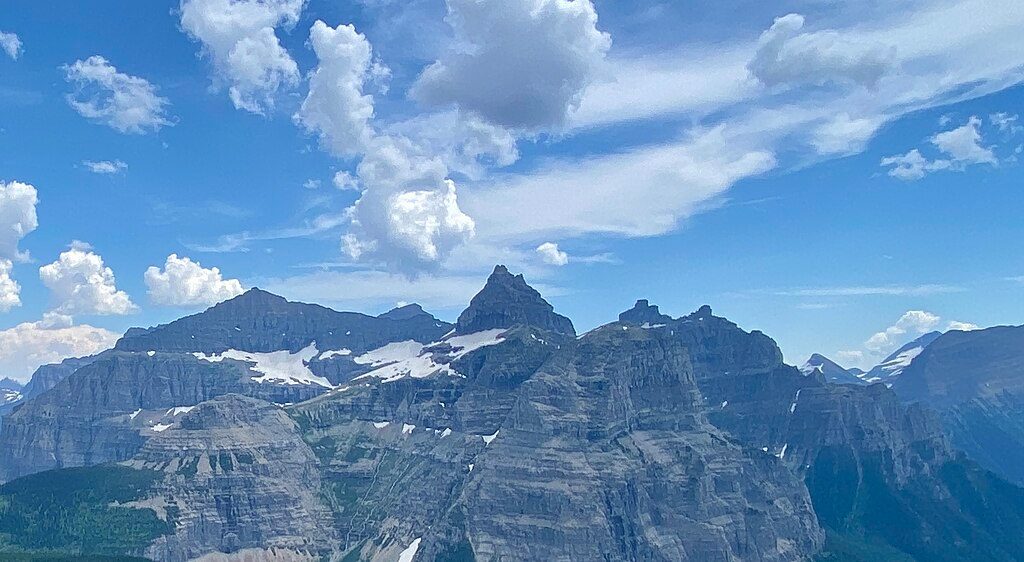
Boulder Pass is the payoff for a big North Fork push: remote, wild, and jaw‑dropping once you crest the high country. Expect broad alpine panoramas, colorful Belt Supergroup rocks, and even smooth, glacially‑scoured lava slabs right at the pass. It’s a backpacker’s destination first and foremost—come for the vistas, stay for the starry nights and the delightfully famous view‑from‑the‑loo at the backcountry campground.
Most hikers approach from Kintla Lake, trekking the long valley past Upper Kintla before the steady climb to the pass. Plan on roughly 17.5 miles one way to the pass with about 3,000+ feet of cumulative gain. Classic itineraries extend east to Hole‑in‑the‑Wall and Brown Pass, then out to Bowman Lake for a ~39–41 mile traverse. Another option links Goat Haunt via Brown Pass (around 30 miles point‑to‑point). If you prefer a shorter taste, an out‑and‑back to Upper Kintla Lake (about 23 miles total) is a scenic warm‑up before tackling the final climb on a multi‑day.
You’ll need a backcountry permit for camping—popular sites like Upper Kintla, Boulder Pass, and Hole‑in‑the‑Wall go fast, so reserve early or have a walk‑in backup plan. Boulder Pass Camp has a few flat pads, a sheltered food‑prep area, and that renowned open‑air pit toilet with huge views. Expect designated food hangs/poles at backcountry sites; store all scented items properly.
High country access is best July through September. Earlier (May–June) can bring mud, lingering snow, and high water; later (September–October) can swing cold and snowy, with heightened bear activity. At the pass, nights are frequently windy and chilly even in summer. Lakeside sections can be buggy—bring repellent—and parts of the trail may be brushy or overgrown.
This corridor is true bear country—grizzlies are regularly reported—so carry spray, make noise in brushy stretches, and use food storage systems religiously. Mountain goats, marmots, and moose are possible sightings, and the lake chain en route holds native fish; know and follow current fishing regulations.
You’ll hike through the park’s ancient Belt rocks—reds, greens, and maroons colored by iron—and over smoothed lava outcrops at the pass that bear glacial striations. The terrain is textbook glacier‑carved: U‑shaped valleys, cirques, and sharp divides. In clear weather you may spot named glaciers from nearby vantage points during the climb.
Access is via rough North Fork roads to Kintla Lake; there’s no park shuttle to this trailhead. Most parties self‑shuttle, arrange paid rides, or hitch. If you start in Canada and boat to Goat Haunt, you must complete the required remote border check before hiking. Across the park, closures and wildlife‑related changes can shuffle itineraries—stay flexible. Note that separate, seasonal restrictions exist in the Many Glacier area (summer), which matters if you’re combining regions on one trip.
Late summer into early fall is the sweet spot: dry trails, fewer bugs, and stable high‑country travel. Aim to reach the pass for golden hour—sunset and sunrise are spectacular, and on clear, calm nights the stargazing from camp is hard to beat.
Place · 2.4 mi away
Place · 4.1 mi away
Place · 5.9 mi away
Place · 6.7 mi away
Challenging · 9.8 mi away
Moderate · 9.9 mi away
Challenging · 10.2 mi away
Easy · 10.2 mi away

Parkwolf Tour Guide
