
Place · 2.4 mi away
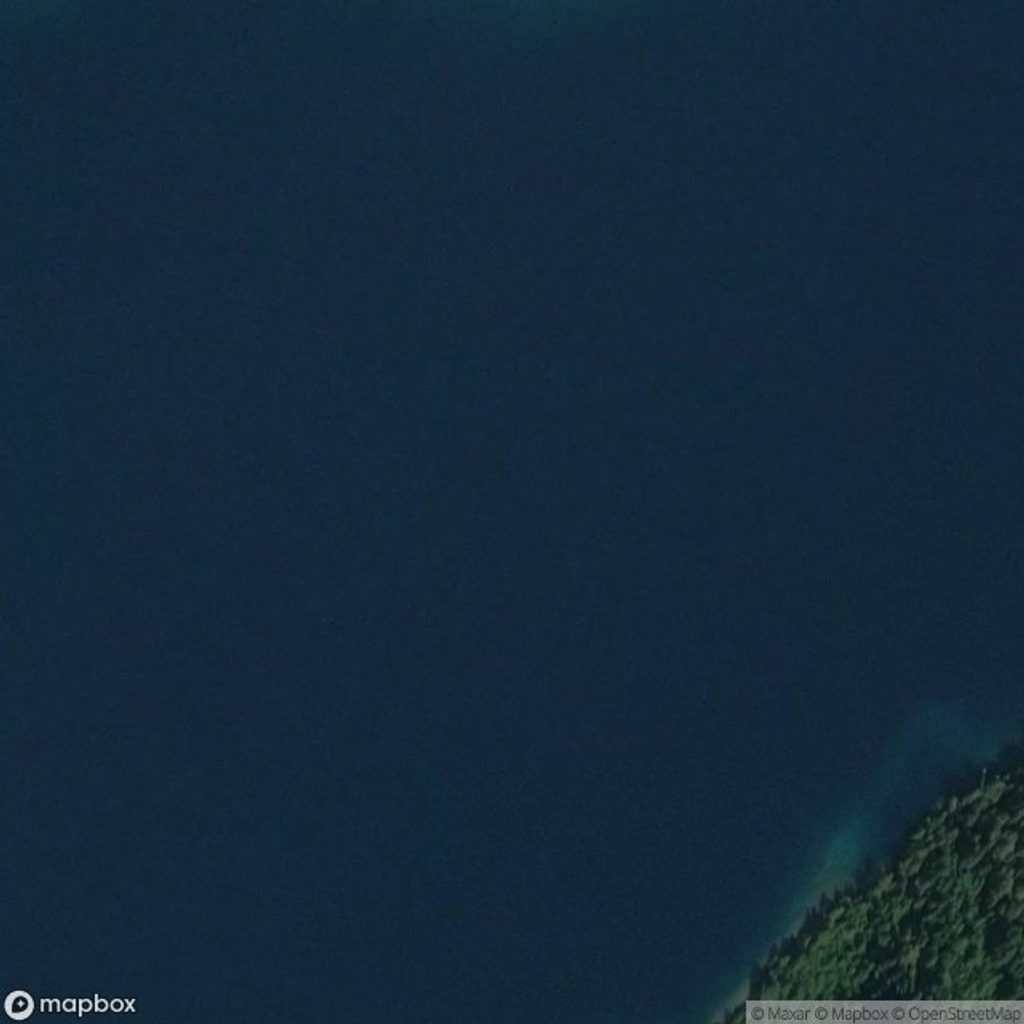
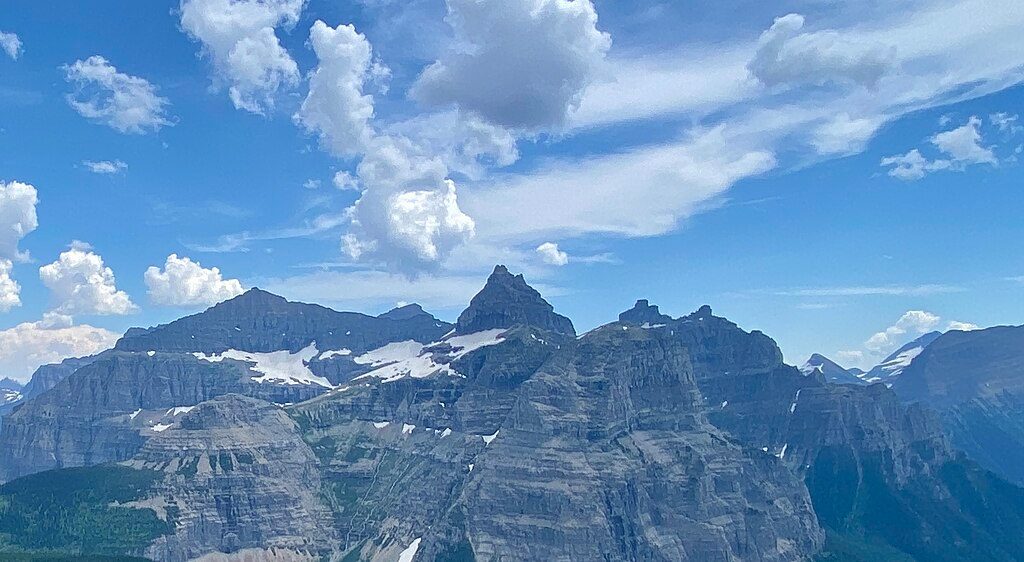
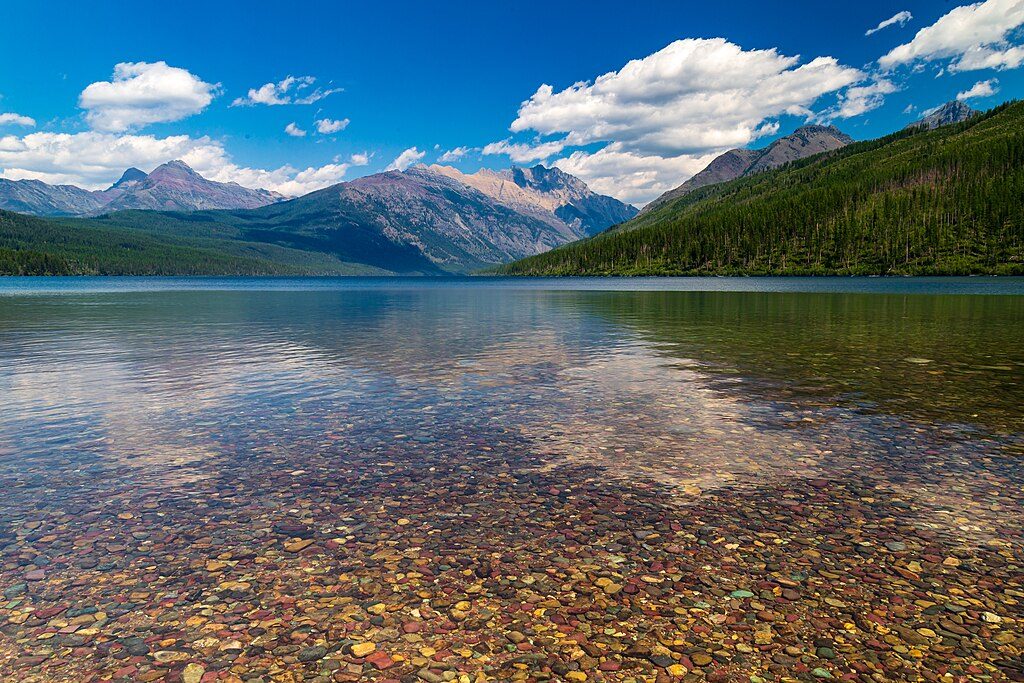
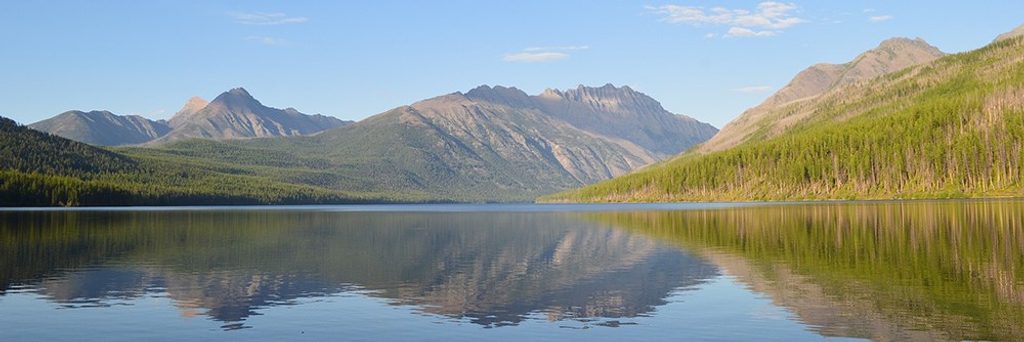
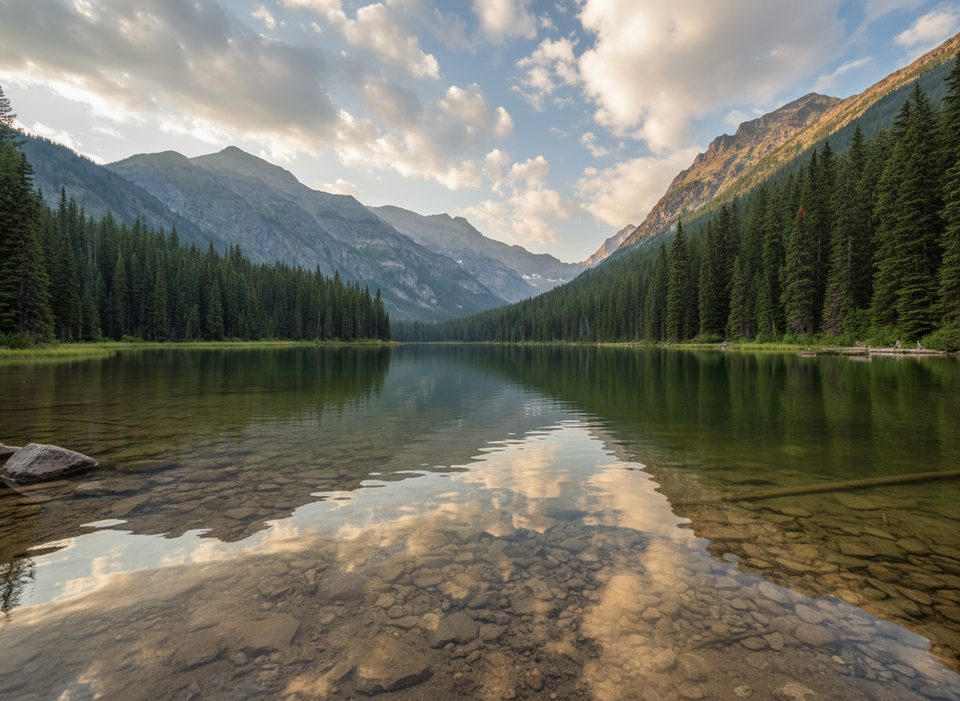
Upper Kintla Lake is the payoff for those who like their beauty with a side of effort. Tucked in the park’s remote North Fork, it feels worlds away—big, blue water framed by steep, glacier-carved walls and colorful Belt rock. It’s far less visited than the park’s headline spots, so the vibe is tranquil and wild.
You’ll start near Kintla Lake Campground and follow the shoreline toward the head of Kintla Lake before continuing on to Upper Kintla. Expect roughly 23 miles round-trip and about 1,700 feet of gain—manageable grades along the shore, then more rugged beyond the head of the lake. Most hikers make it an overnight (or two). Plan for a bumpy, narrow dirt-and-gravel road just to reach Kintla—slow going, no cell service, and it can feel longer than it looks on the map.
Trail notes: expect some overgrown stretches, a stream crossing (many bring sandals or water shoes), and mosquitoes in season. It’s grizzly country—carry bear spray, make noise, and use the food storage at camps.
There’s frontcountry camping at Kintla Lake for staging, plus backcountry sites at Head of Kintla Lake and Upper Kintla Lake. Backcountry permits are required and can be competitive for popular sites; line up your reservation strategy early or be ready for a walk-up. At Upper Kintla, think simple backcountry amenities: designated eating area, food hangs, and a basic pit-style toilet. Draw and treat water from natural sources.
The corridor is a living geology lesson: ancient Belt Supergroup layers sculpted by Ice Age glaciers into U-shaped valleys, hanging valleys, and high cirques. You’re hiking through that story the whole way, with long lake vistas and big-mountain amphitheaters that feel more and more immersive the farther you go.
This is prime grizzly habitat. Sightings are not uncommon, so travel smart in groups when possible, keep a clean camp, and give any wildlife plenty of space. You may also spot small critters and the occasional harmless garter snake. Late summer can bring yellow jackets near water and food—stay tidy and alert.
Typical season runs roughly May through October, depending on conditions. Weekdays see the fewest people. Start early to bank cool miles and smoother road driving. For photos and reflections, mornings are usually calm; evening light along the lakeshore can be gorgeous. Mid-season mosquitoes can be fierce—pack repellent.
Place · 2.4 mi away
Place · 6.3 mi away
Place · 6.5 mi away
Place · 6.7 mi away
Challenging · 8.2 mi away
Easy · 8.2 mi away
Challenging · 10.1 mi away
Moderate · 10.1 mi away

Parkwolf Tour Guide
