Overview
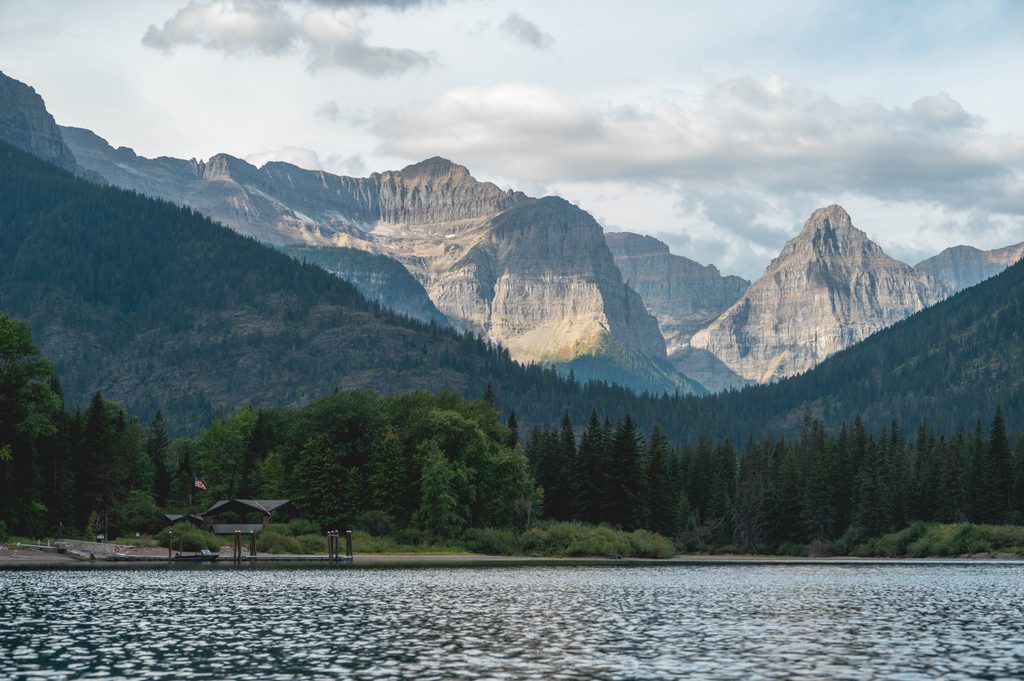
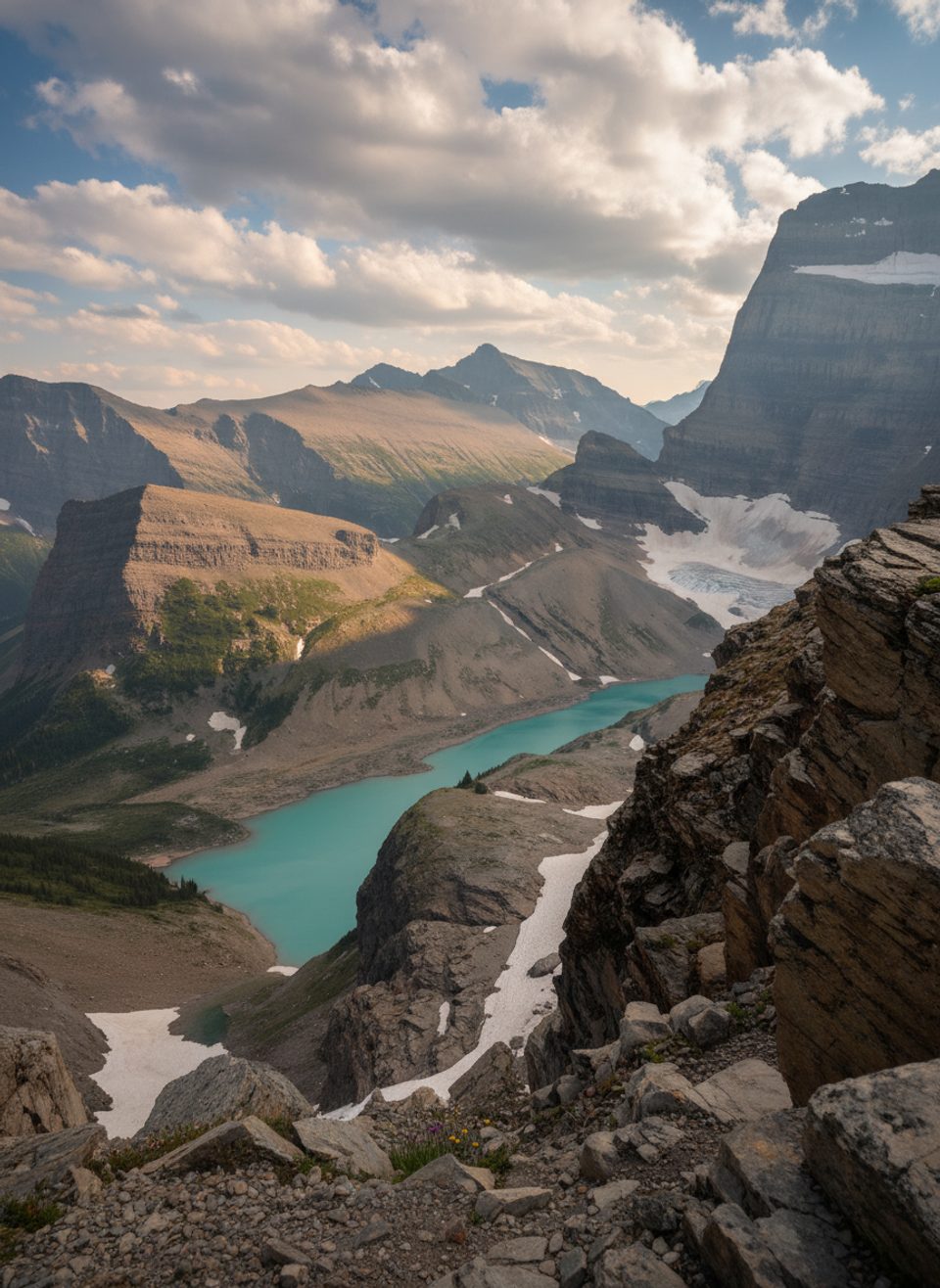
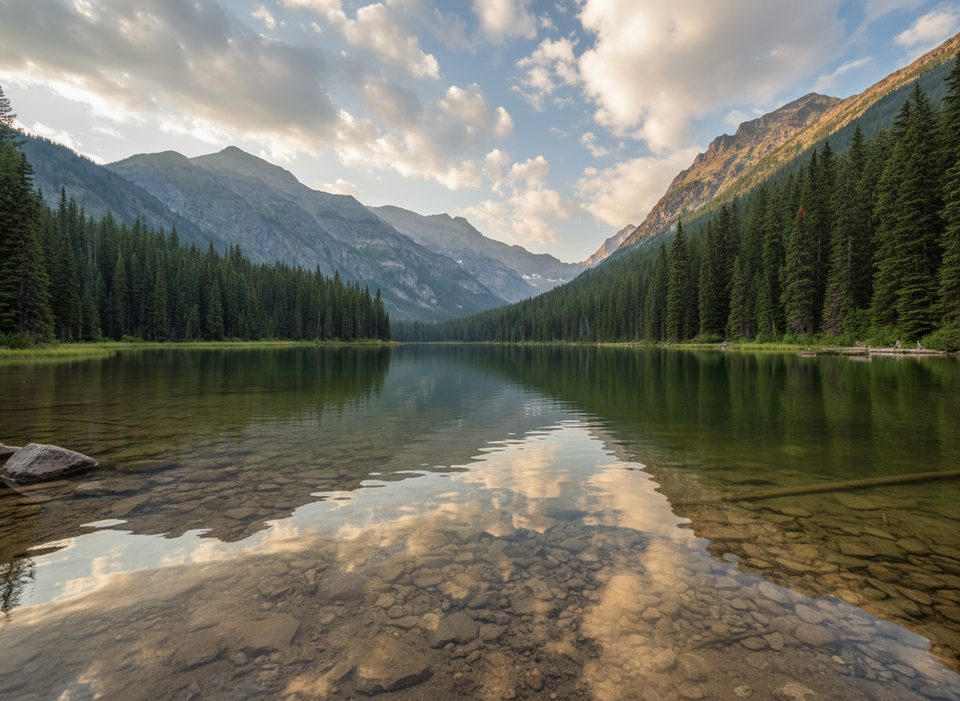
Brown Pass is a remote, high-country gateway reached from the Bowman Lake corridor, rewarding the effort with big Glacier scenery. Sitting around 6,255 feet, it’s named for John George “Kootenai” Brown, an early figure in the region’s history. Expect classic glacially carved terrain and colorful sedimentary rock born of the park’s deep geologic past.
The Route in a Nutshell
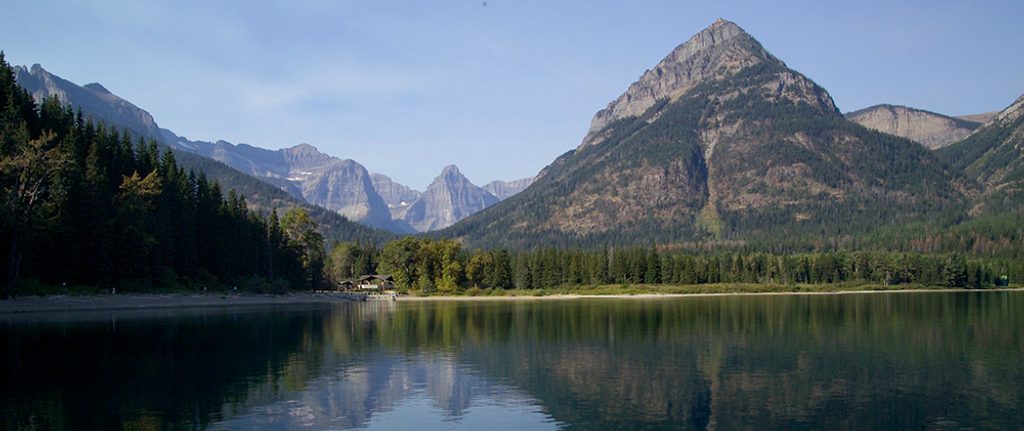
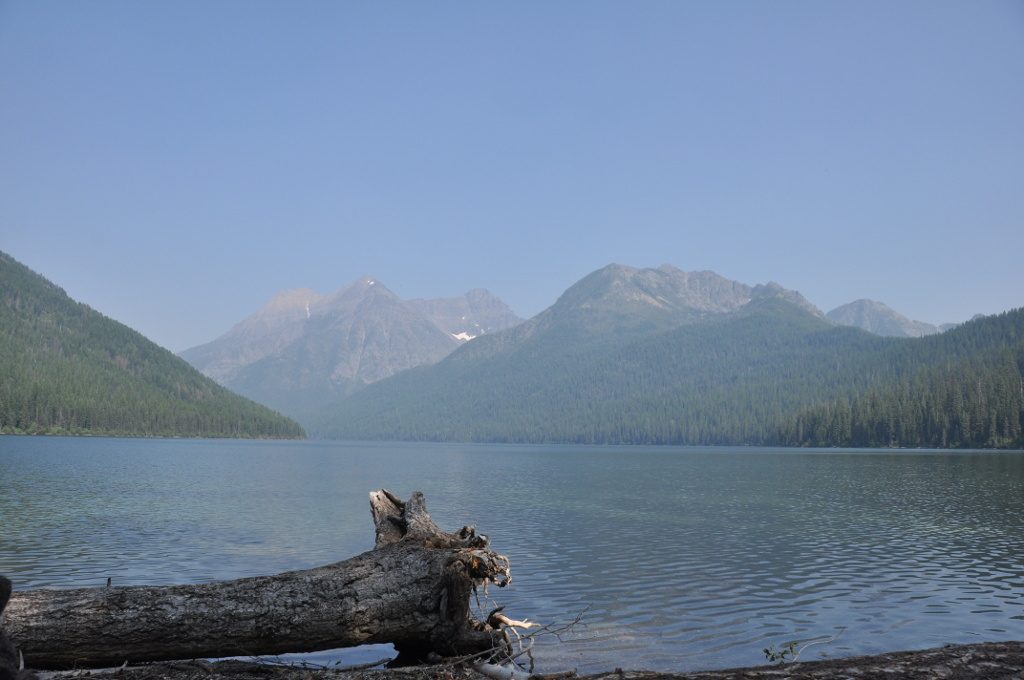
- Start at Bowman Lake Campground and follow the lakeshore trail—long, mostly flat forest miles—before the real climb begins after Bowman Lake Head Campground.
- It’s roughly 13.8 miles one way to the pass (about 27 miles round-trip) with ~3,200 feet of gain.
- Underfoot you’ll find brushy stretches (soaking wet with morning dew), steep switchbacks near the pass, occasional narrow tread with loose shale, and at least one seasonal waterfall/stream crossing.
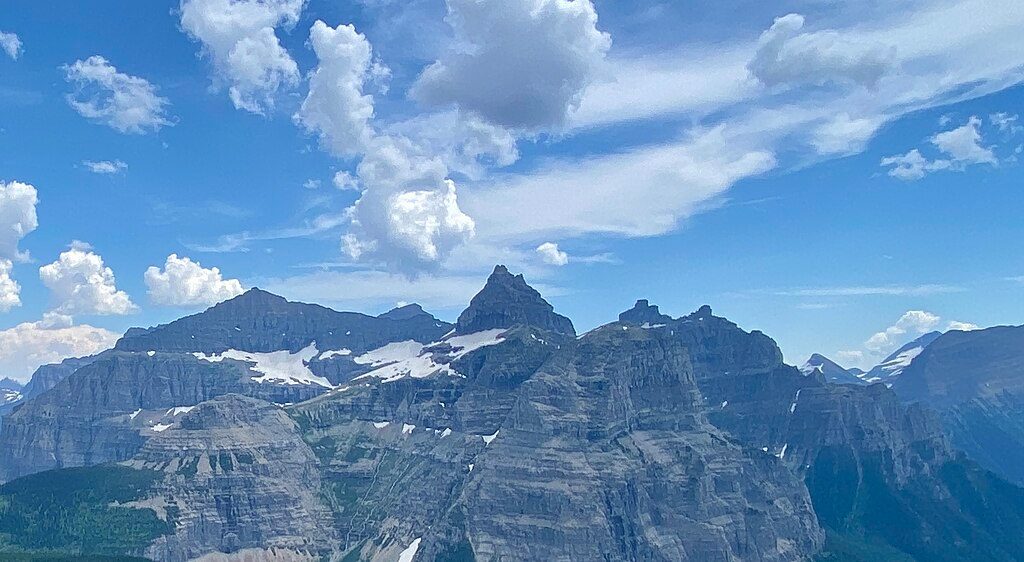
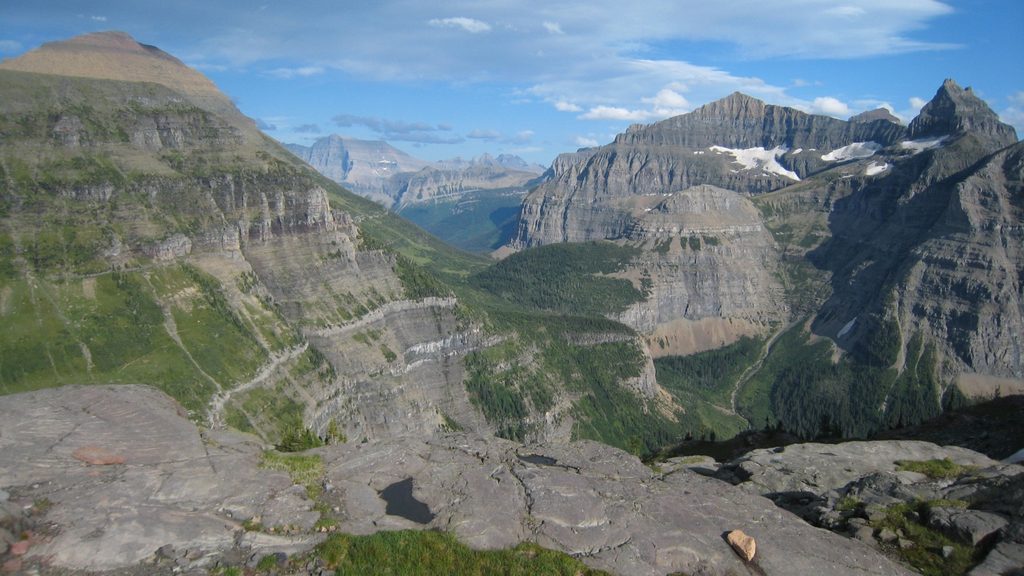
- Views unfold progressively: Bowman Lake and valley first, then big horizons near the pass with sightlines toward Boulder Pass and the amphitheater of Hole-in-the-Wall. Along the way, hikers call out Thunderbird Pond and Falls and distant looks to Dixon Glacier.
Camping, Water, and On-Trail Facilities
- Backcountry sites along this corridor (notably Bowman Lake Head and Brown Pass) have pit toilets.
- Food storage is by bear-hang poles at the backcountry camps—no lockers—so plan to hang everything scented.
- Water is from natural sources; carry a filter. Brown Pass Camp is often dry, so haul up from the last reliable flow before the final climb.
Seasonal Conditions to Expect
- Early season (May–June): muddy lower trail, deep/fast creek crossings, lingering high-elevation snow; some footbridges may not be installed until mid-July. Strong route-finding and traction can be necessary when snow lingers.
- July: trails generally dry out, but snow can persist high; bridges typically go in by mid-month.
- August: high country is usually clear, but fast-moving thunderstorms are common.
- September–October: rising odds of storms and fresh snow; some bridges are removed late September; temporary closures for bear activity or fire can occur. Always re-check the park’s trail status before heading out.
Wildlife and Safety
This corridor is prime bear habitat (both black bears and grizzlies). Carry bear spray, know how to use it, and follow all food-storage rules at camps. Expect standard mountain hazards: cold, swift creeks early season, lingering snowfields, quick weather shifts, and—yes—mosquitoes that can be relentless after rain. Long miles and wet feet make blisters common; manage your pace and foot care.
Geology Snapshot
Glacier’s dramatic relief owes much to ancient Belt Sea sediments, the Lewis Overthrust, and repeated Pleistocene glaciations that carved today’s U-shaped valleys and cirques. The colorful red and green rock layers and sharp skyline around the pass are hallmarks of that story.
Best Time to Visit
Late July through August offers the most reliable snow-free travel and installed bridges, with long daylight for big miles. Shoulder months can be beautiful but volatile—recheck conditions right before you go. Start early to maximize daylight and to get through brushy, dew-soaked miles before the heat and potential afternoon storms.