1 active Glacier alert
- ClosureTwo Medicine Campground closed for 2026 constructionTwo Medicine Campground is closed throughout 2026 because of construction in the Two Medicine developed area.Official details

#6 of 53 sights in Glacier
Sight · Glacier National Park
Thin waterfalls stripe steep walls above a clear lake.
Overview
Map
Plan your stop

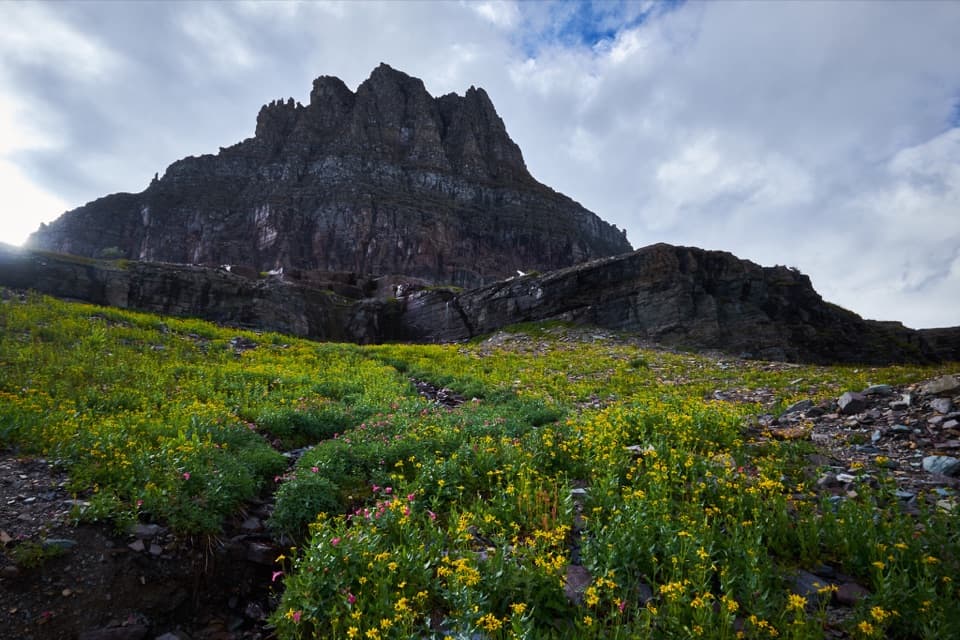
The highest, rockiest slopes around here are a summer buffet for grizzly bears.
Glacier Tour Guide
Parkwolf is a GPS audio tour guide for Glacier National Park. As you drive, it chimes in with what’s ahead: hidden gems, upcoming stops, history, geology, and wildlife, right through your car’s speakers.
See the Glacier audio tourRecorded for this place
Avalanche Creek: Cedars or Lake“Up ahead is Avalanche Creek, with two very different walks from the same area.”
Plays as you drive up to Avalanche Lake in the Parkwolf Glacier Tour Guide.
More stories near here in the app
“Our first time to glacier and we used the audio portion for Going to the Sun Road. Wonderful information with perfect advice of what to see and do along the road.”


Guide
Avalanche Lake is a mountain lake in a steep basin in Glacier's Lake McDonald valley, reached on foot from Avalanche Creek. The lake and its waterfalls are a big payoff for a real hike, so keep it on your list if you want one of the park's best-known lake views. It isn't a roadside stop or a quick detour.
The hike starts at Avalanche Picnic Area and follows the Trail of the Cedars boardwalk before leaving the short loop for the lake trail. The full out-and-back is 2.3 miles each way with 500 feet of climbing. After the boardwalk, expect a narrower natural-surface path with roots and rocks and a steady moderate climb. The first lakeshore landing is the usual turnaround; walking farther along the shore adds distance.
The Avalanche Creek area and the trail are popular, and the first spot at the lake can feel crowded in summer. If you'd like a little more space, continue along the shore for another view; visitors report that people spread out farther along it, but you'll add mileage. Summer visitors also report the trailhead lot filling early, so an early start helps if you're driving.
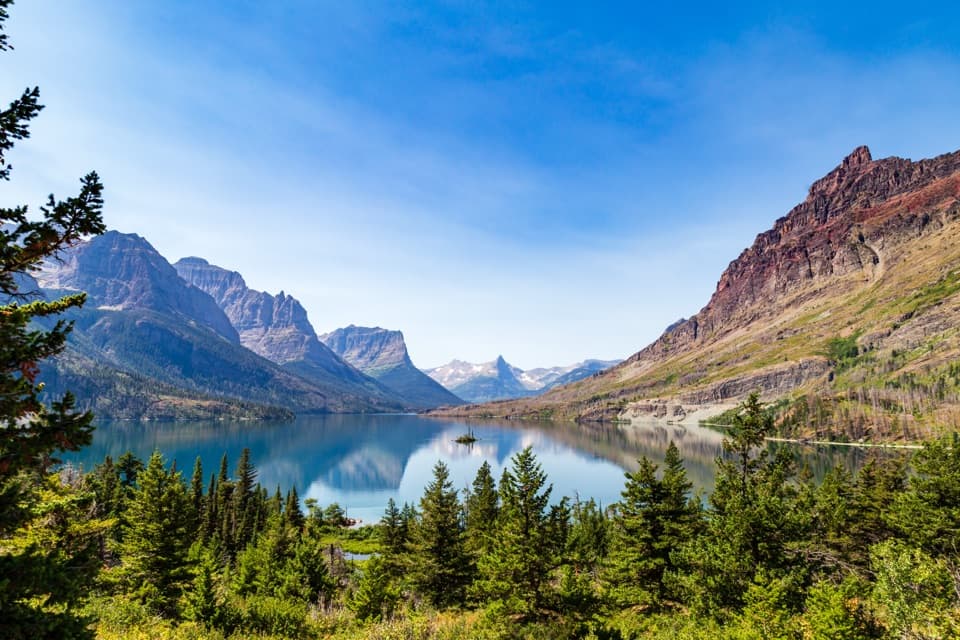
From the shore, look across the clear lake toward steep mountain walls cut by several narrow waterfalls. For a photo, keep some water in the foreground and include the falls high on the far slope; the water can reflect the basin when it's calm. The broad view is the reward for making the walk all the way out.
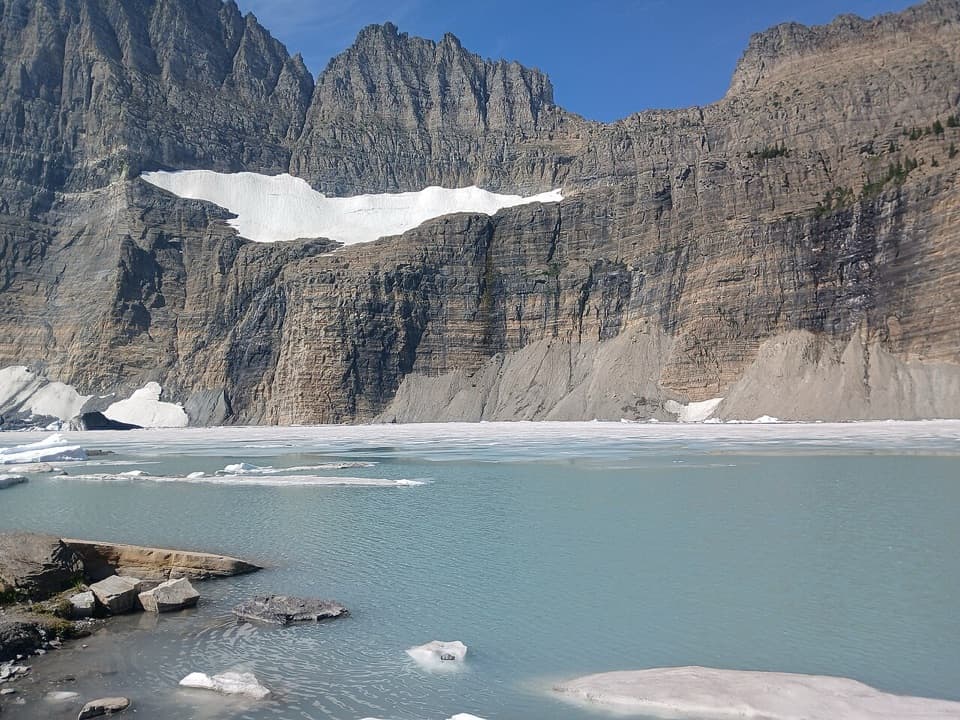
Avalanche Lake sits in a glacial cirque, a steep-sided bowl carved by ice and fed by Sperry Glacier. Glaciers also scoured Glacier's broad U-shaped valleys and left lake-filled basins like this one. The lake is a particularly clear place to see that shape from the valley floor.
The walk begins through old-growth western red cedar and western hemlock around Avalanche Creek. These trees are distinctive in Glacier, and the boardwalk through the grove is a worthwhile part of the approach rather than just a warm-up for the lake. Glacial boulders and wind- or avalanche-felled trees also mark the forest route.
Avalanche Picnic Area, off Going-to-the-Sun Road, is the place to start. The trailhead area has parking, toilets, picnic tables and potable drinking water; there is no food service at the lake or trailhead, so bring food for the hike. Dogs aren't allowed on the trail or along the undeveloped lake shore.
Wildlife
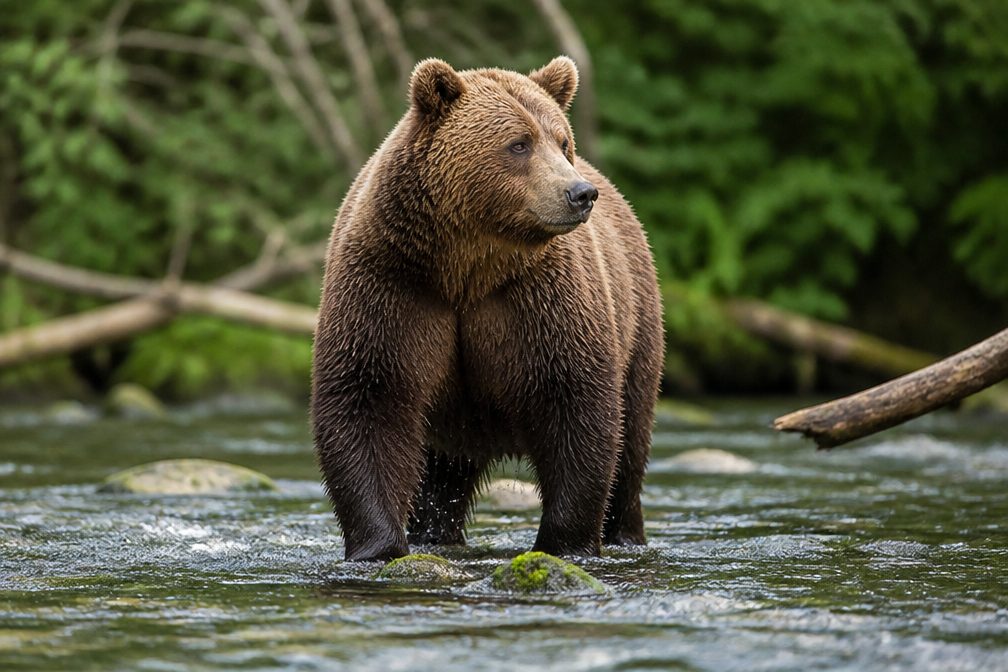 404 sightingsGrizzly BearMost seen around 6 AMSighting map
 11 sightingsWolverineMost seen around 8 PMSighting map
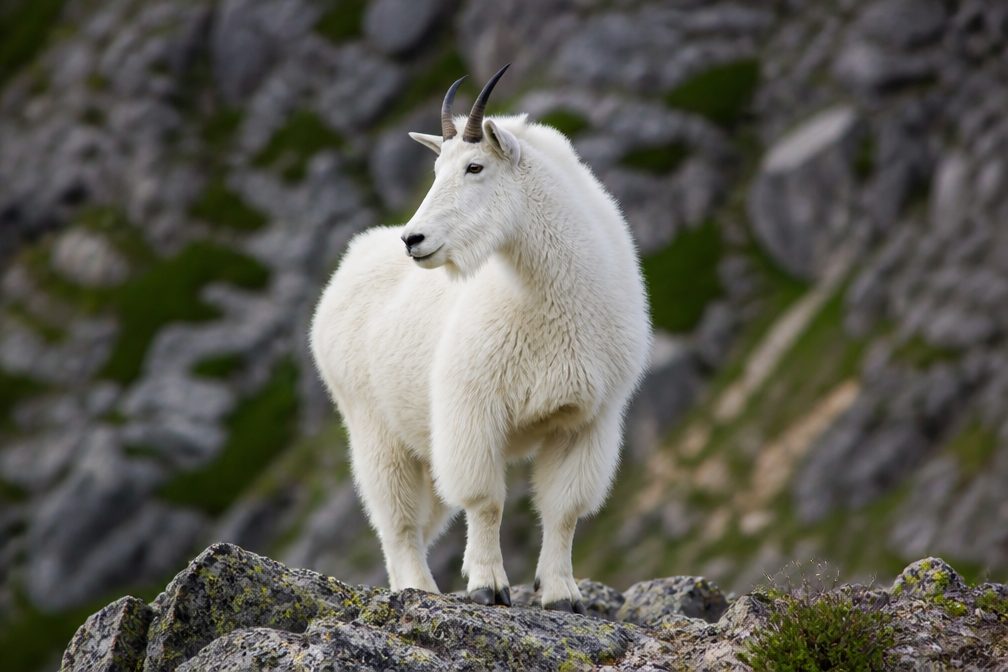 1,173 sightingsMountain GoatMost seen around 6 AMSighting map
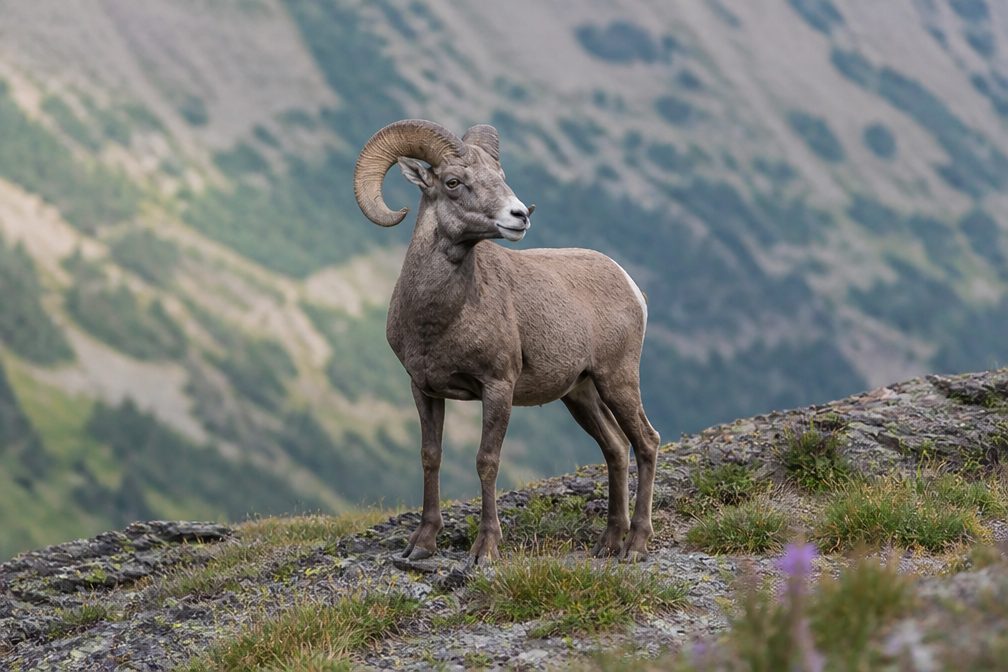 1,000 sightingsBighorn SheepMost seen around 6 AMSighting map
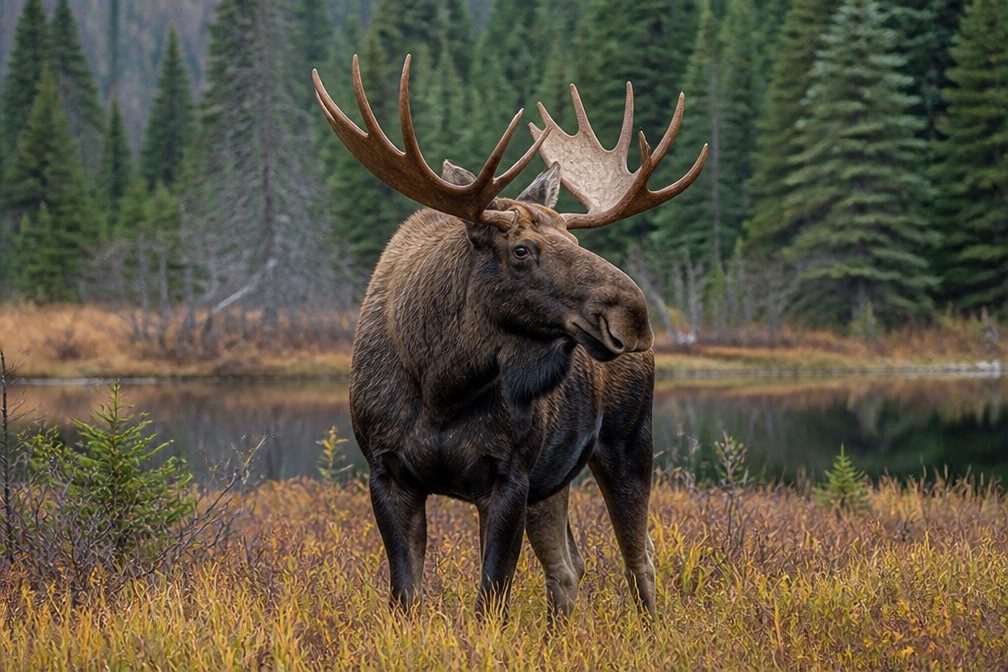 395 sightingsMooseMost seen around 6 AMSighting map
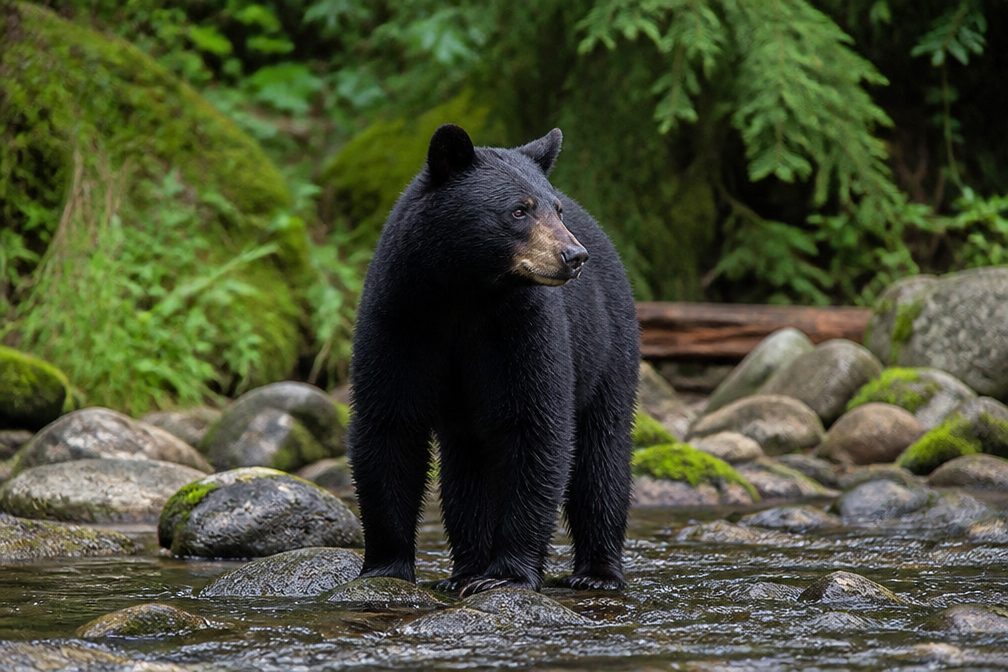 506 sightingsBlack BearMost seen around 8 PMSighting map
Sighting maps show where each species has been reported across Glacier. Wildlife moves, so no sighting is guaranteed.
Keep exploring
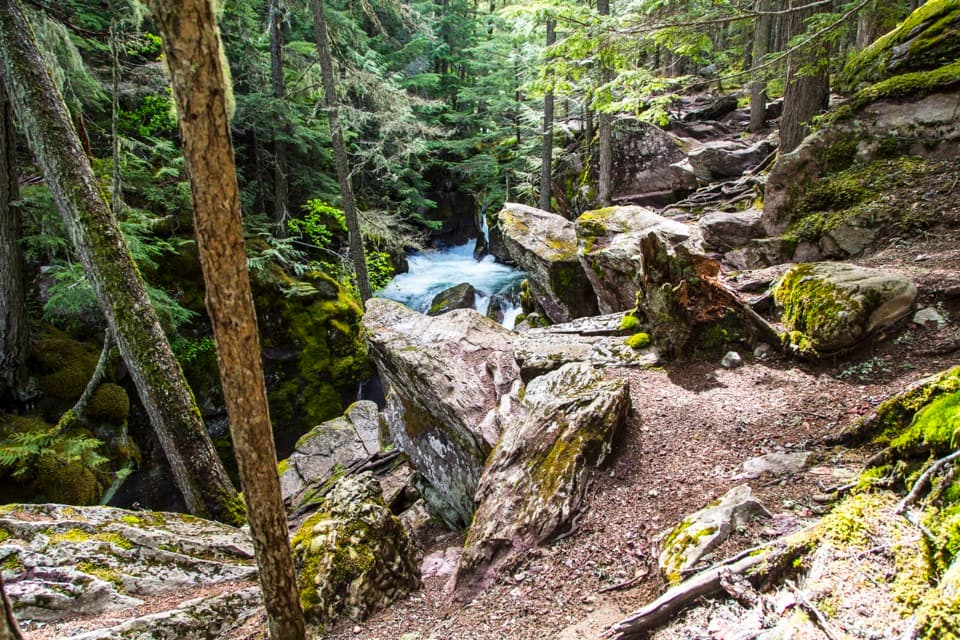 ModerateAvalanche Lake Trail5 mi · 4.5 hr · 1.9 mi awayA half-mile of cedars before the big lake payoff.
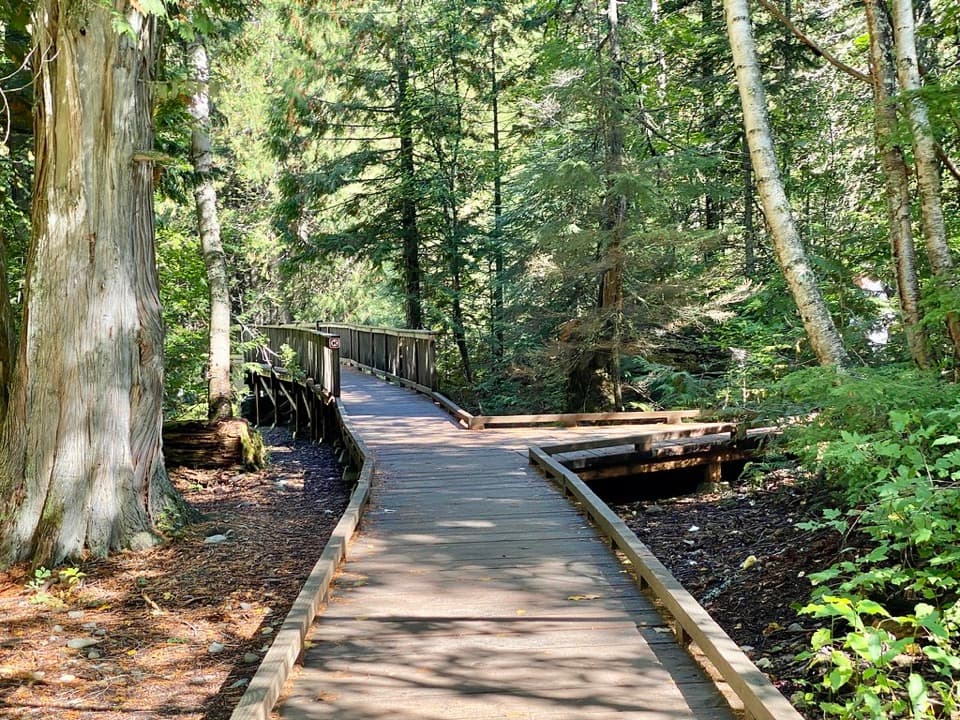 EasyTrail of the Cedars0.9 mi · 36 min · 2.3 mi awayA cedar boardwalk with an easy look into Avalanche Gorge.
 ModerateEllen Wilson Trail0.4 mi · 18 min · 3.6 mi awayA short meadow descent ends below Gunsight Pass’s steep cirque wall.
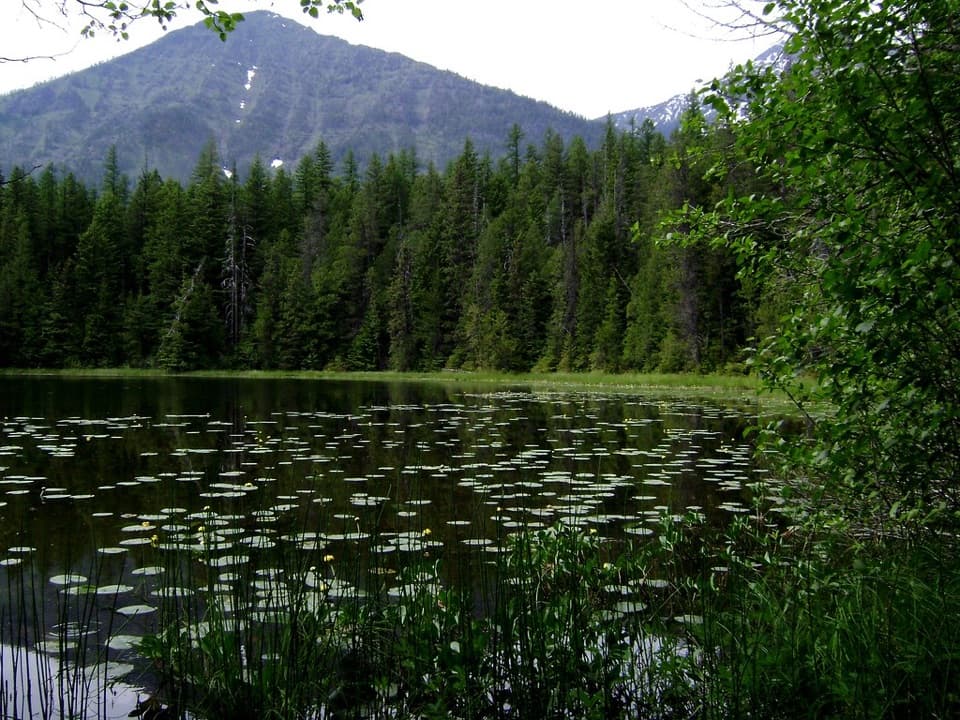 EasyJohns Lake Loop Trail2.6 mi · 1.5 hr · 3.8 mi awayA shady loop reaches a small lake, cascades, and a forest creek.
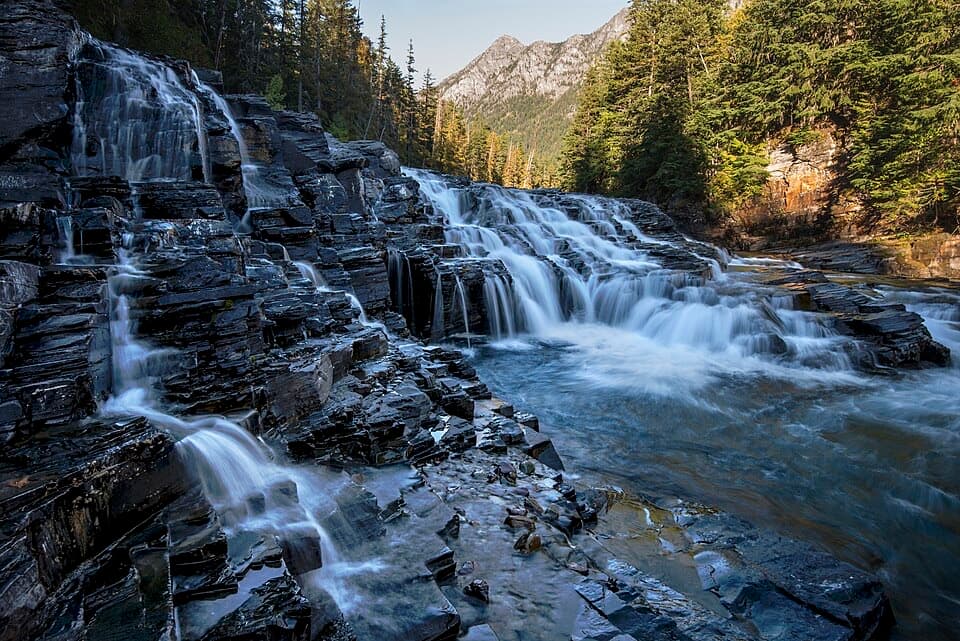 EasyUpper McDonald Creek Trail5.4 mi · 2.5 hr · 3.9 mi awayA gentle creek walk to two cascades and a quiet forest finish.
 ChallengingJackson Glacier Trail1.1 mi · 1.5 hr · 4.2 mi awayA rough climb ends in meadows beneath Jackson Glacier.
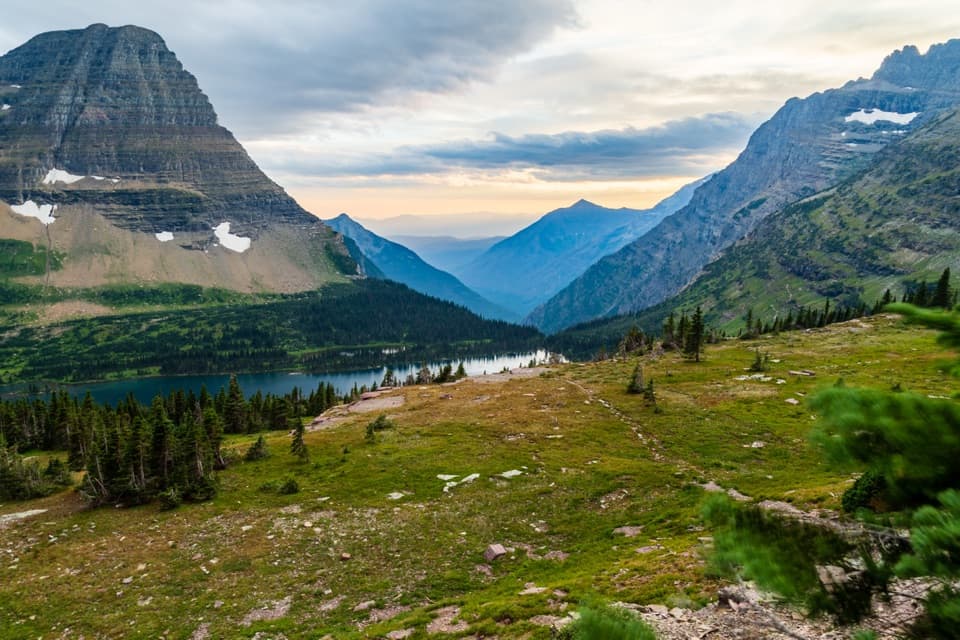 ModerateHidden Lake Overlook Trail2.6 mi · 2.5 hr · 4.2 mi awayBoardwalk and switchbacks open onto a lake beneath Bearhat Mountain.
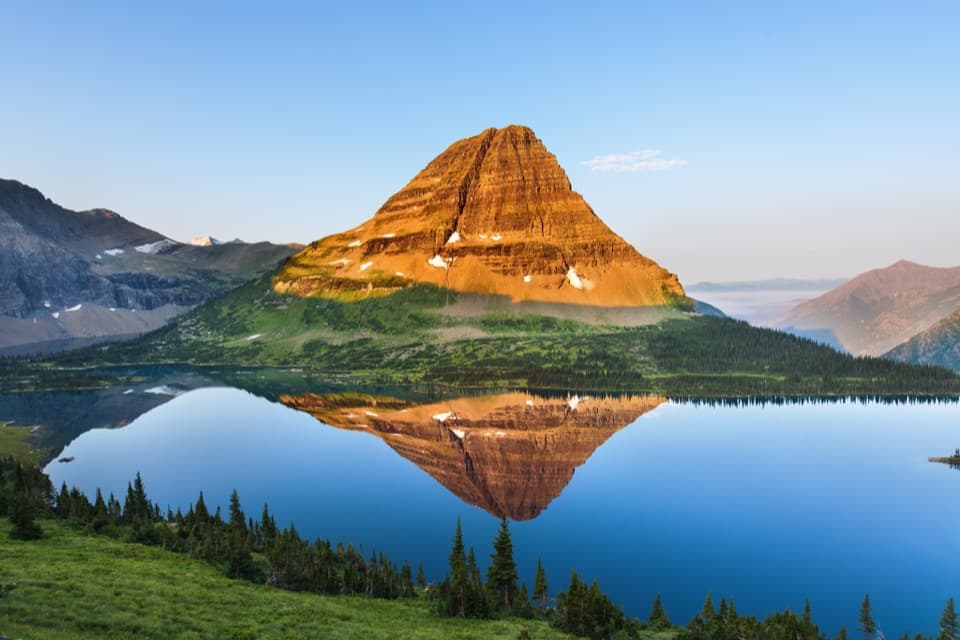 ChallengingHidden Lake Trail5.4 mi · 3.5 hr · 4.2 mi awayGo past the overlook only if you’re ready for a steep return.
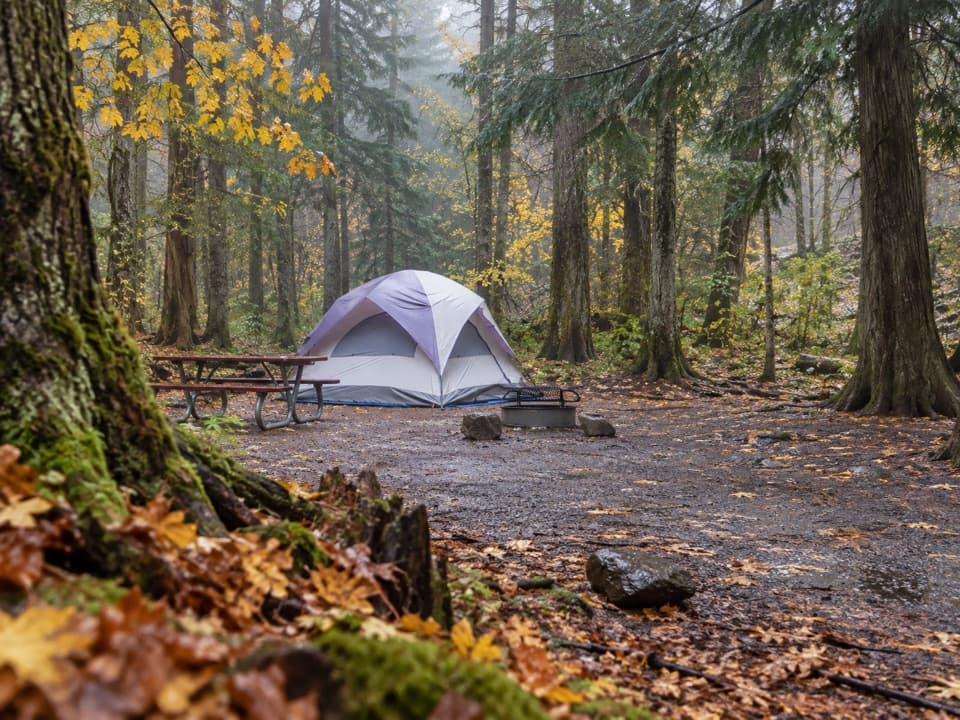 Campground · 2.1 mi awayAvalanche CampgroundA cedar-forest base for Avalanche Lake and Trail of the Cedars.
 Picnic area · 2.2 mi awayAvalanche Creek Picnic AreaA creekside lunch beneath old-growth cedar and hemlock.
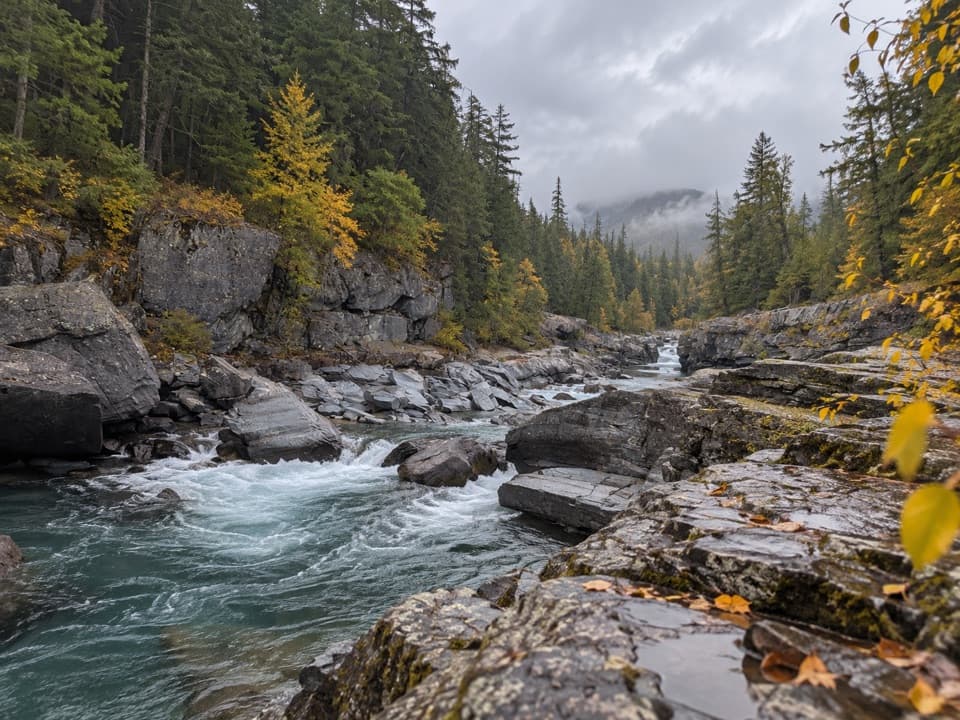 Sight · 2.4 mi awayMcDonald Creek OverlookA close look at Glacier's longest creek system.
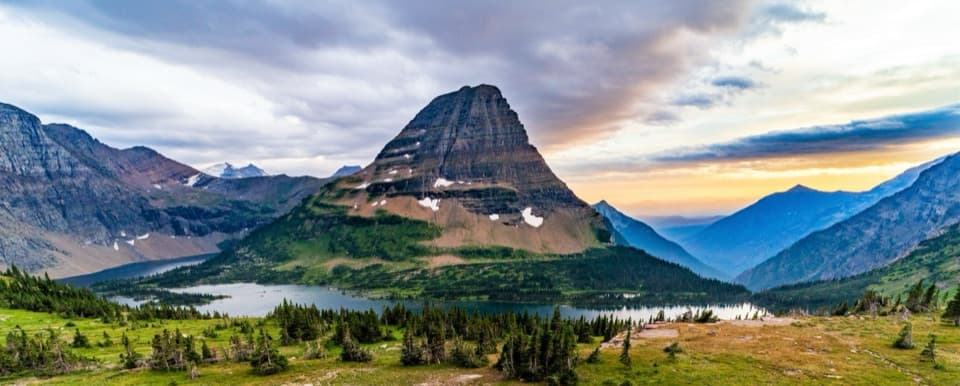 Sight · 3 mi awayHidden Lake OverlookAn exposed climb earns the park's classic view of Hidden Lake.
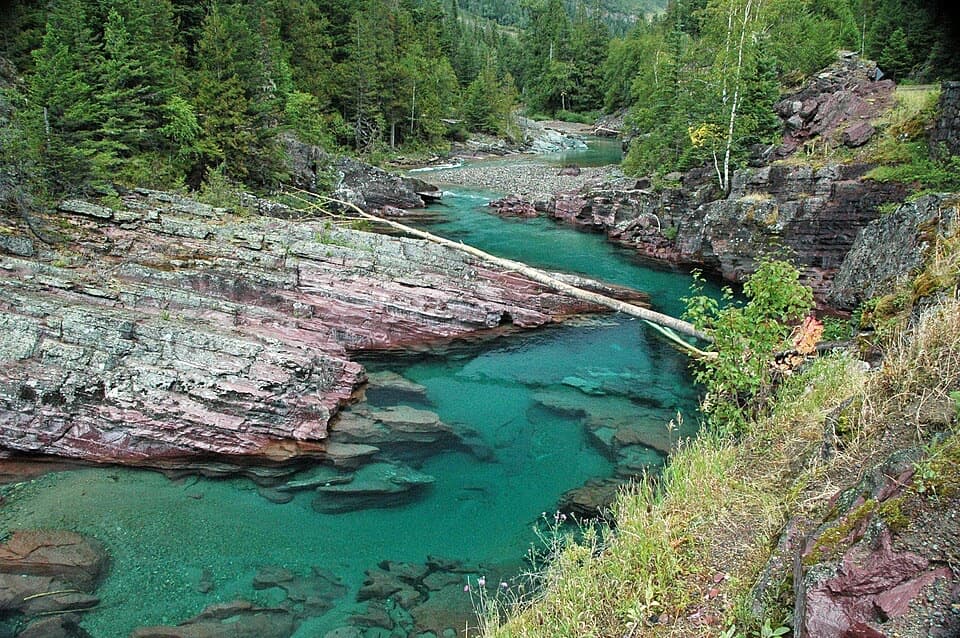 Sight · 3.1 mi awayRed Rock PointRust-red ledges turn McDonald Creek into a roadside cascade.
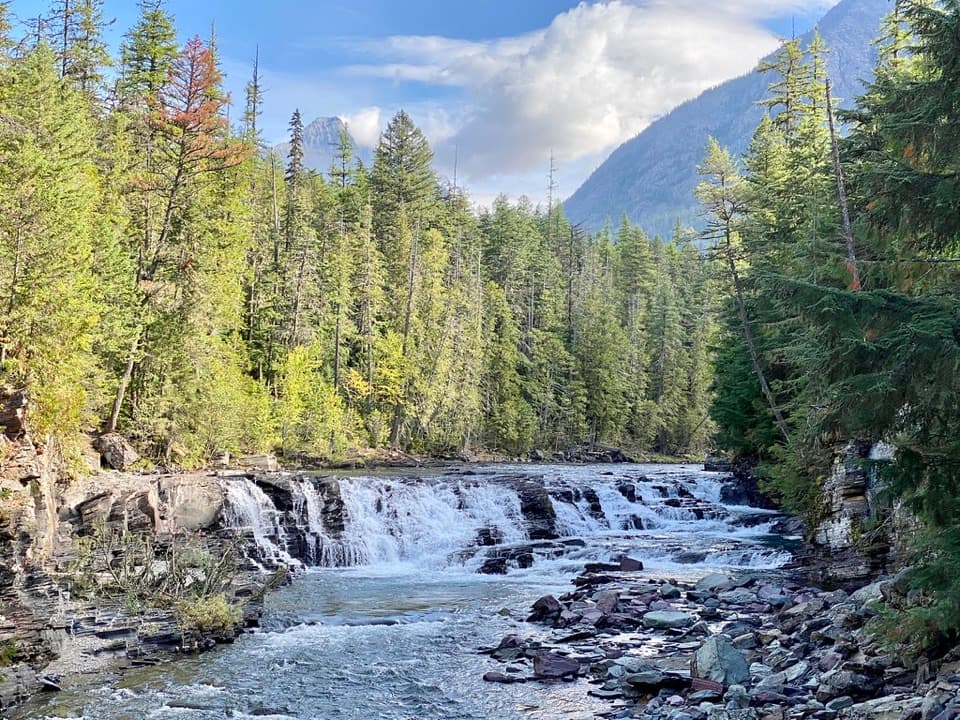 Sight · 3.2 mi awaySacred Dancing CascadeA quick stop for clear water spilling over layered creek rock.
 Lodging · 3.5 mi awaySperry ChaletA historic hike-in chalet with meals and resident mountain goats.
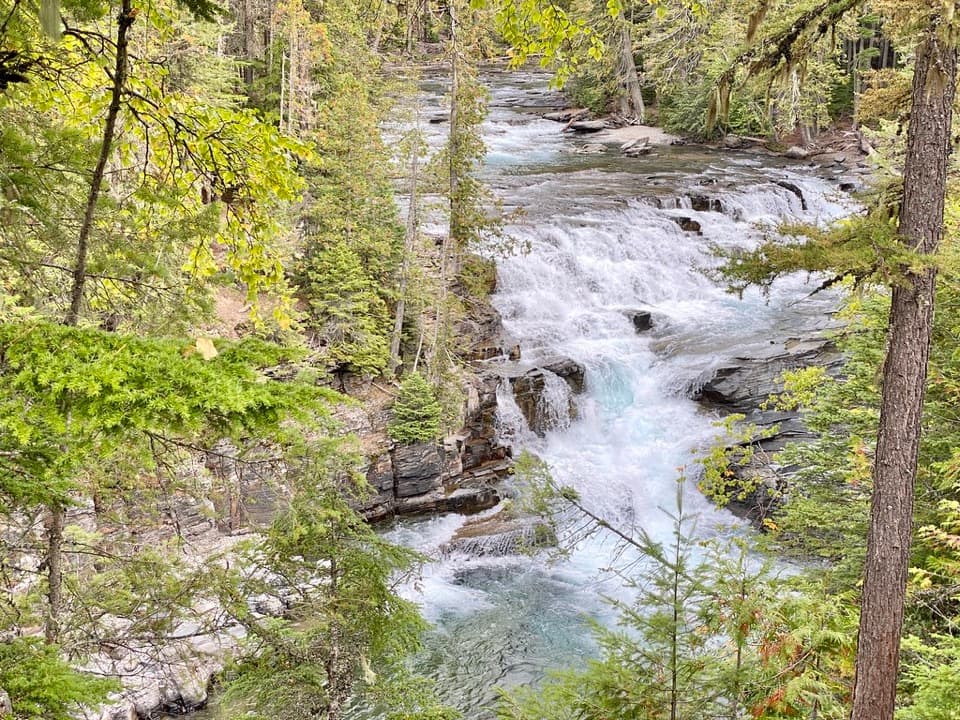 Sight · 3.7 mi awayMcDonald FallsA quick, accessible overlook above McDonald Creek’s blue-green rapids.
Parkwolf’s Glacier ranking

The audio tour guide for the drive, plus offline maps, trails, and wildlife heatmaps for when the signal drops.