
Place · 1 mi away
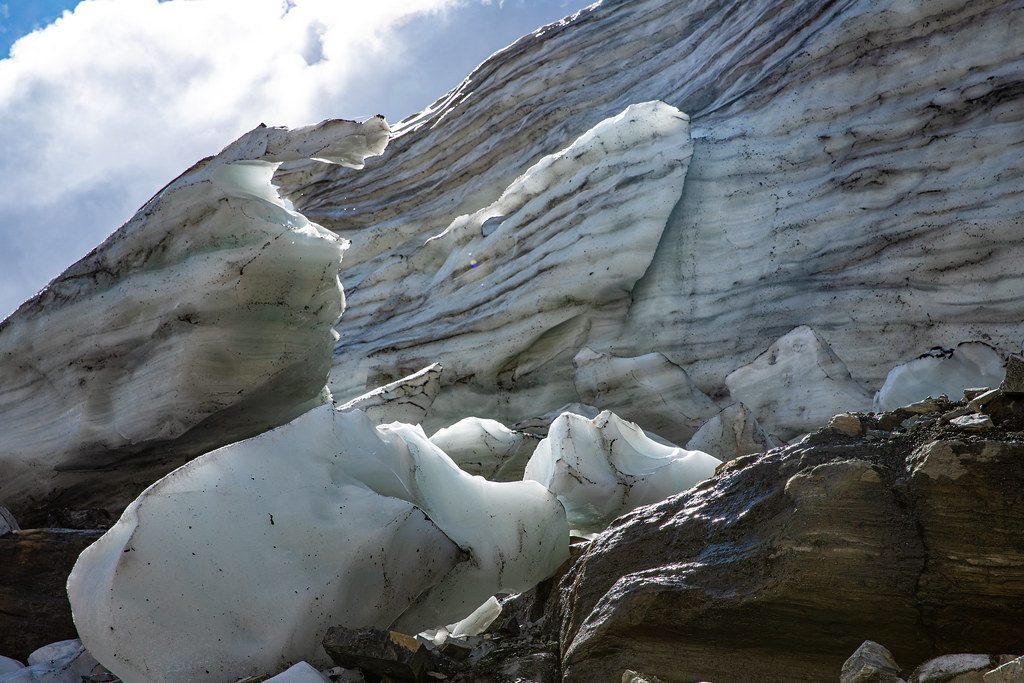
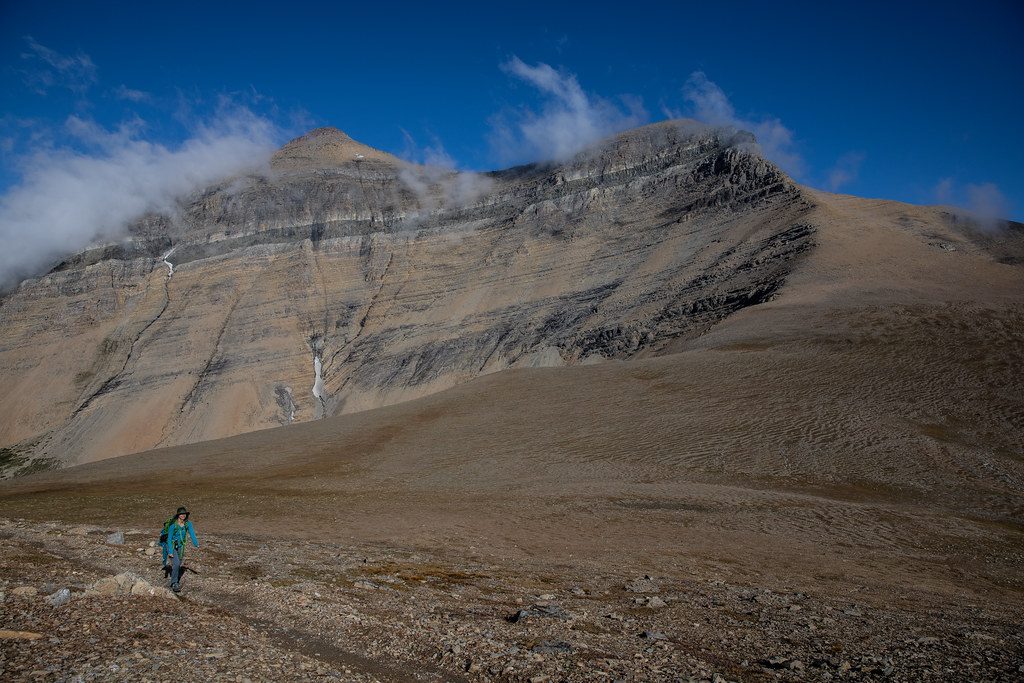
Sexton Glacier clings to the north side of Going‑to‑the‑Sun Mountain on the park’s east side. What makes it pop—especially on clear days—is the inky-black band of igneous rock (the Purcell Sill) looming above the pale limestone and ice. It’s a textbook, approachable glacier view without committing to a long, technical route.
The mountains here are ancient Belt Supergroup sediments—colorful argillites and limestones—thrust eastward by the Lewis Overthrust, then carved by Ice Age glaciers. Sexton Glacier is a small, relatively recent alpine glacier sitting below the Purcell Sill, an igneous intrusion that creates the dramatic black stripe above the ice. Like other park glaciers, it has been retreating since the mid‑1800s.
This alpine corridor is prime for goats and bighorn sheep on open slopes, with marmots and pikas in the talus. Both grizzly and black bears roam meadows and avalanche paths—give them space, make noise, and carry bear spray.
There are no bathrooms or potable water along the Siyeh Pass route; carry what you need and consider filtering from streams if conditions allow. Parking at Siyeh Bend and Sunrift Gorge is limited; many hikers use the free park shuttle to make the one‑way hike smooth.
Late August to early September usually offers the cleanest views once seasonal snow melts back. Mornings bring crisp light on the glacier and fewer crowds; afternoons can be hazier with more traffic. In July, lingering snow can obscure parts of the view and add traction challenges on the trail.
If you’re already driving Going‑to‑the‑Sun Road or plotting the Siyeh Pass hike, yes—Sexton is a rewarding, under-the-radar glacier view with memorable geology. If you want a quick drive‑by glacier peek without hiking, it’s solid, though Jackson Glacier Overlook is the simpler roadside option.
Place · 1 mi away
Place · 1.5 mi away
Place · 1.6 mi away
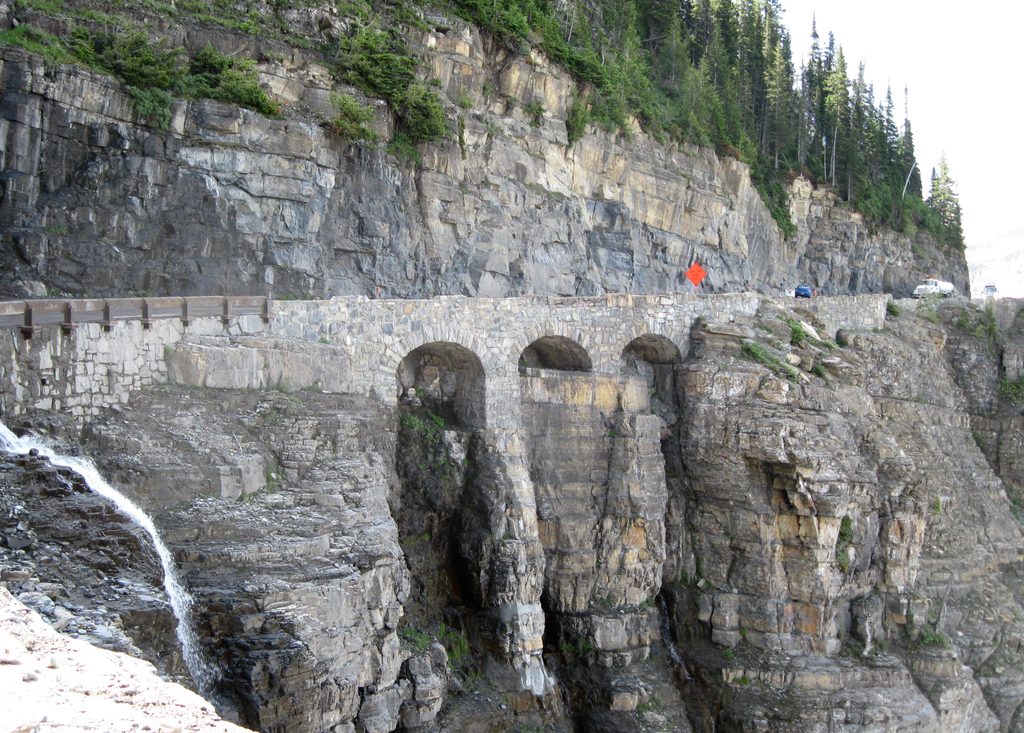
Place · 1.8 mi away
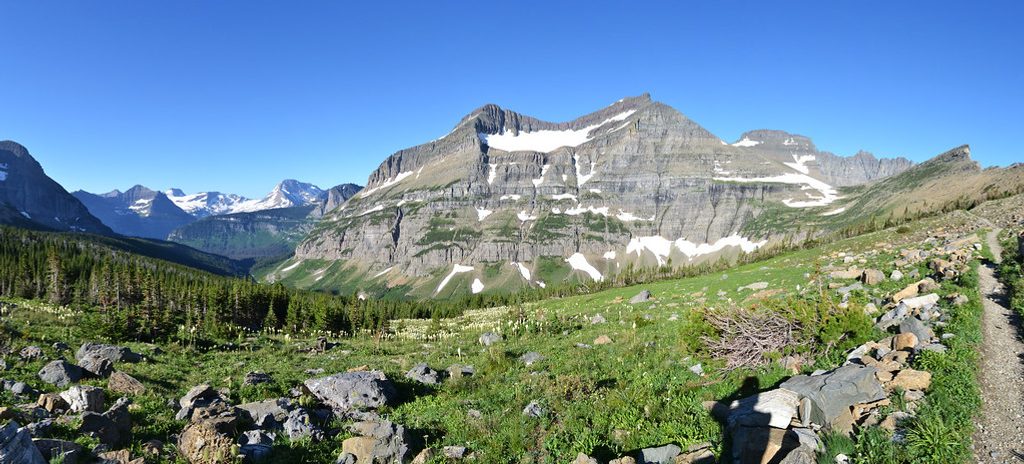
Moderate · 1.5 mi away
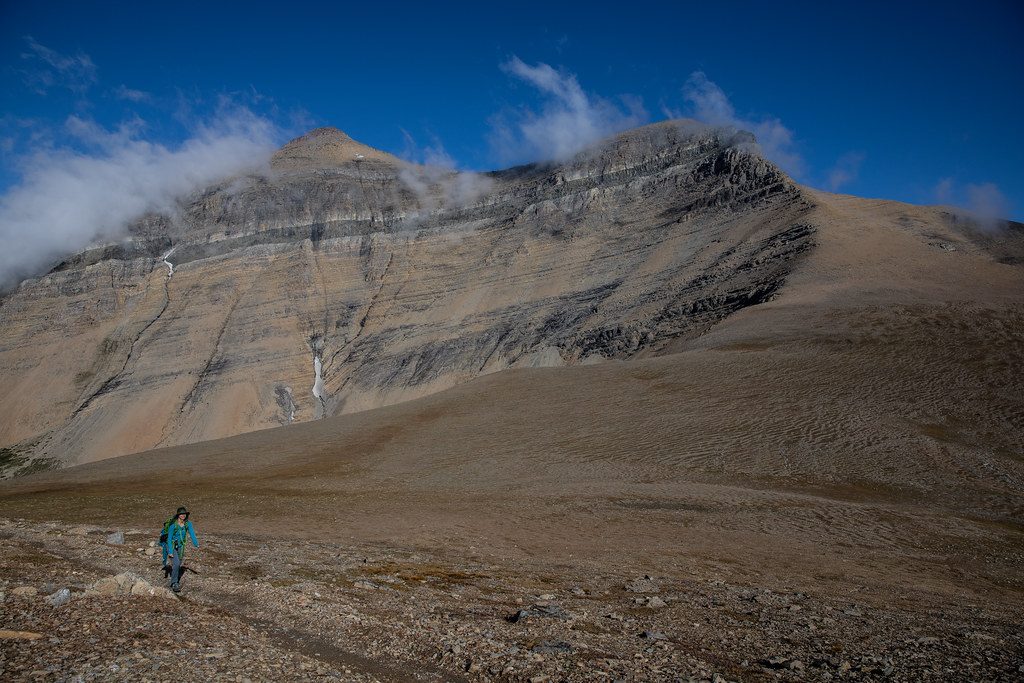
Challenging · 1.5 mi away
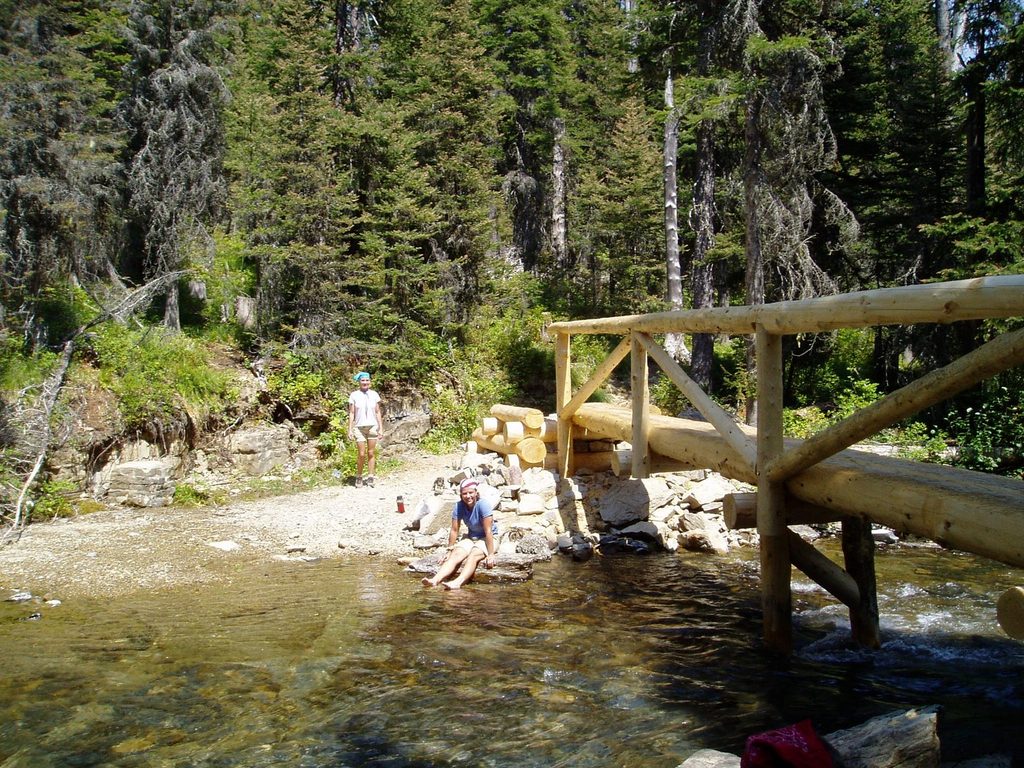
Challenging · 1.8 mi away
Challenging · 1.8 mi away

Parkwolf Tour Guide
