
Place · 1 mi away
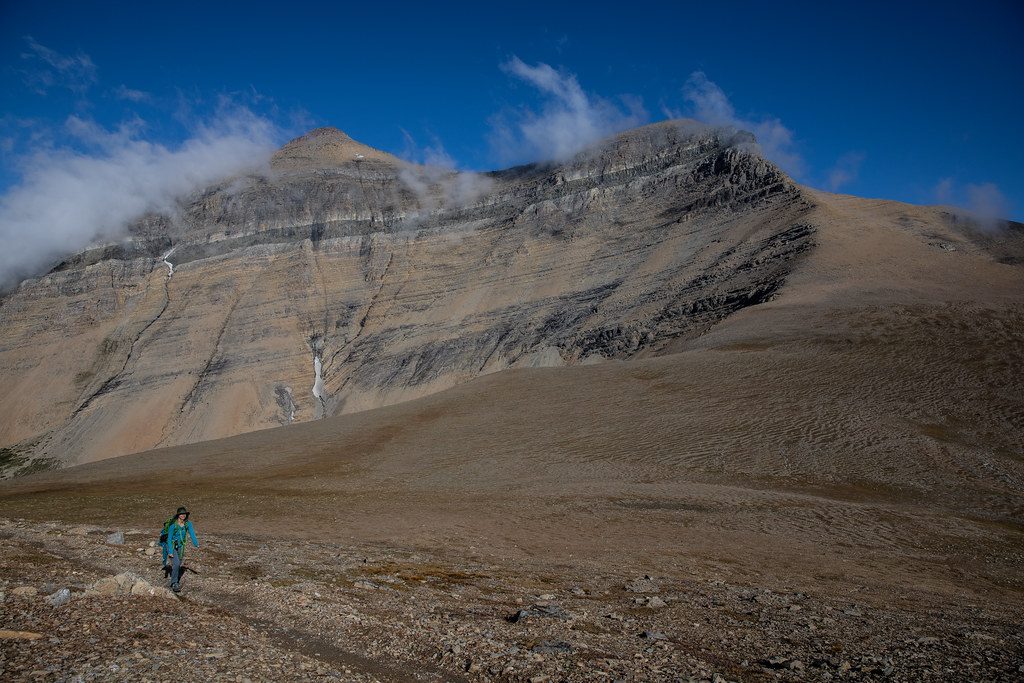
Siyeh Pass delivers one of the park’s best big-day traverses: about 10 miles and ~2,240 feet of gain with a long, knee-testing descent, crossing between Matahpi Peak and Mount Siyeh before dropping to Sunrift Gorge. It’s strenuous but wildly rewarding—forest, wildflower meadows, high alpine switchbacks, colorful Belt rock layers, glacier views, and a dramatic canyon finish all in one day.
1) Ease in along Siyeh Creek, then into cool spruce–fir forest.
2) Turn for Siyeh Pass; huckleberries and small streams appear along the way.
3) Enter Preston Park—prime wildflower meadows with wide-open views.
4) Tackle ~0.9 miles of steep, windy switchbacks (the crux) to the pass.
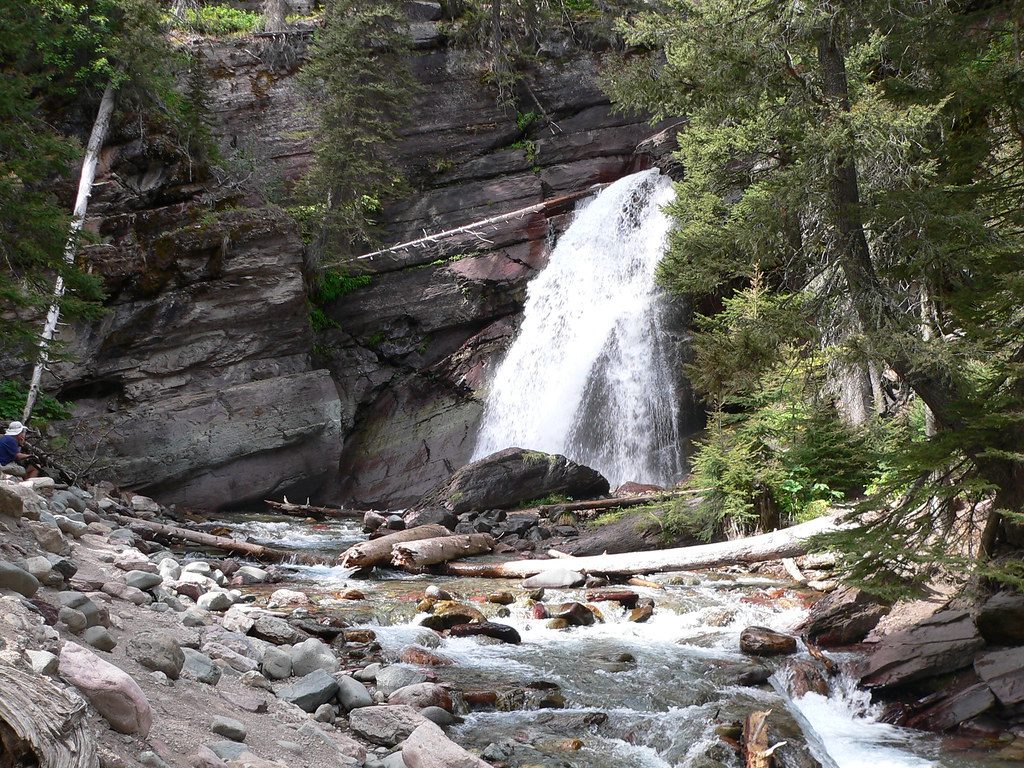
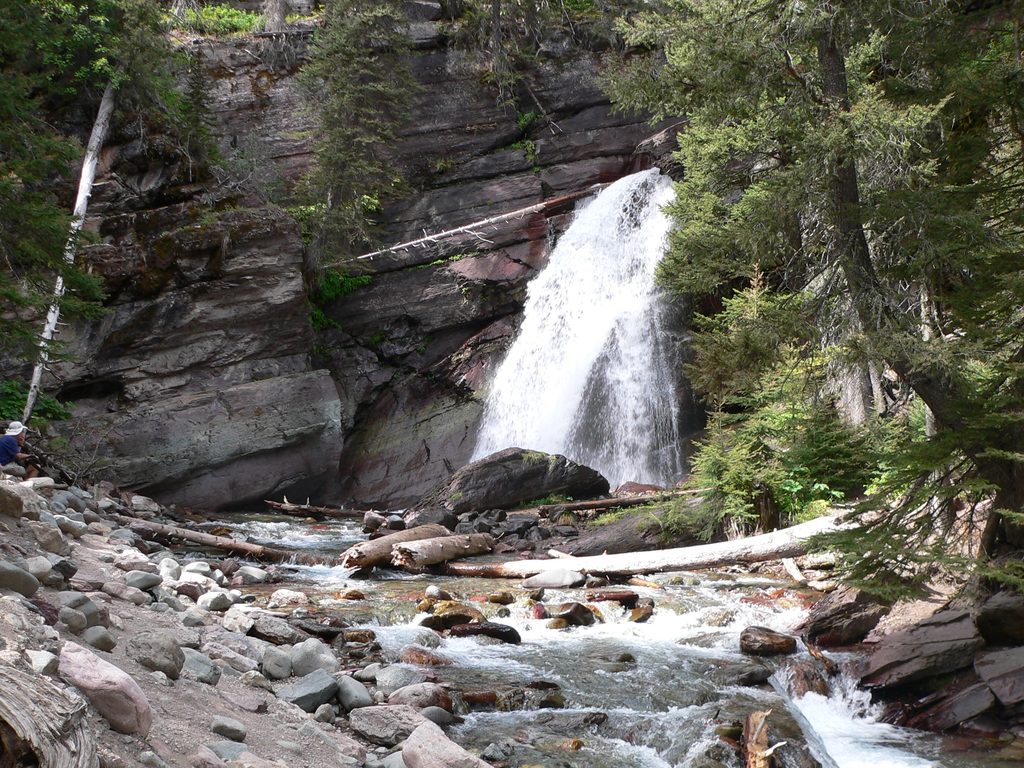
5) At/near the pass, take in the Boulder Creek drainage and vivid red/green argillite; a bit higher (~8,100 ft) offers a superb Baring Creek overlook.
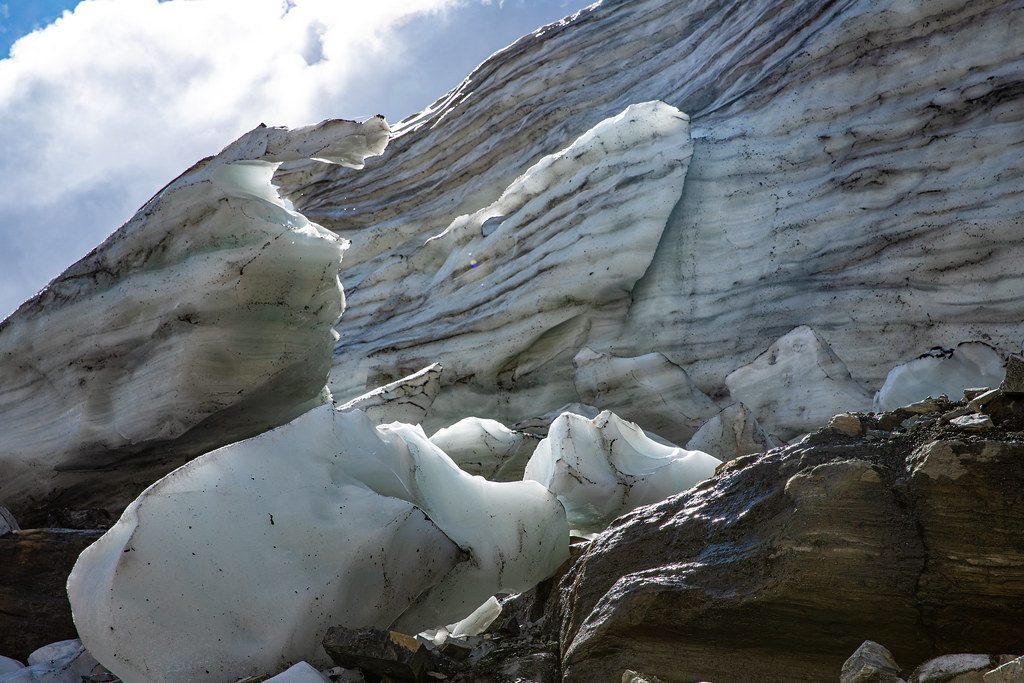
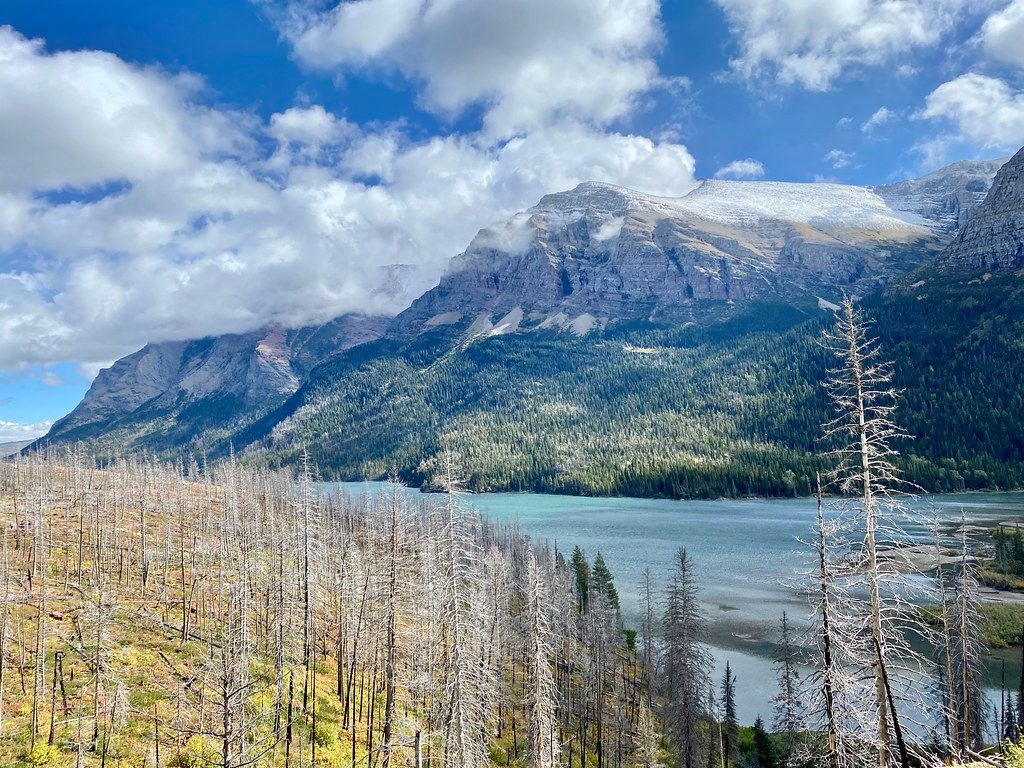
6) Descend long switchbacks toward Sunrift Gorge, passing views of receding Sexton Glacier and through burn areas bursting with flowers in summer.
Typical season runs mid/late July through September; snow can linger into early summer and can make creek crossings tricky. The route is very exposed—expect strong winds and intense sun. Bring layers, sun protection, plenty of water capacity (and a filter for streams), and trekking poles for the steep climb and sustained descent.
Start at Siyeh Bend (near Piegan Pass Trailhead) and finish at Sunrift Gorge to make it a point-to-point with a big scenery crescendo. Use the free park shuttle on Going-to-the-Sun Road to return to your car; schedules vary each season, and summer service typically runs with regular pickups—always verify times before you go. There are no toilets or potable water at Siyeh Bend; the nearest are at Logan Pass. Parking fills early at both Logan and Siyeh Bend, so start early. Some areas of the park require a timed-entry vehicle reservation in peak season; check current rules before you commit your day.
This is grizzly country. Hike in a group, carry bear spray, make noise (especially in Preston Park), and be alert around huckleberry patches. Mountain goats are often spotted in the high country; moose are possible lower down. Weather changes quickly over the pass—have a wind layer handy.
Place · 1 mi away
Place · 1.3 mi away
Place · 1.7 mi away
Place · 1.9 mi away
Easy · 1.7 mi away
Easy · 1.8 mi away
Moderate · 1.9 mi away
Easy · 1.9 mi away

Parkwolf Tour Guide
