1 active Glacier alert
- ClosureTwo Medicine Campground closed for 2026 constructionTwo Medicine Campground is closed throughout 2026 because of construction in the Two Medicine developed area.Official details
Sight · Glacier National Park
A rough North Fork road leads to a quiet mountain lake.
Overview
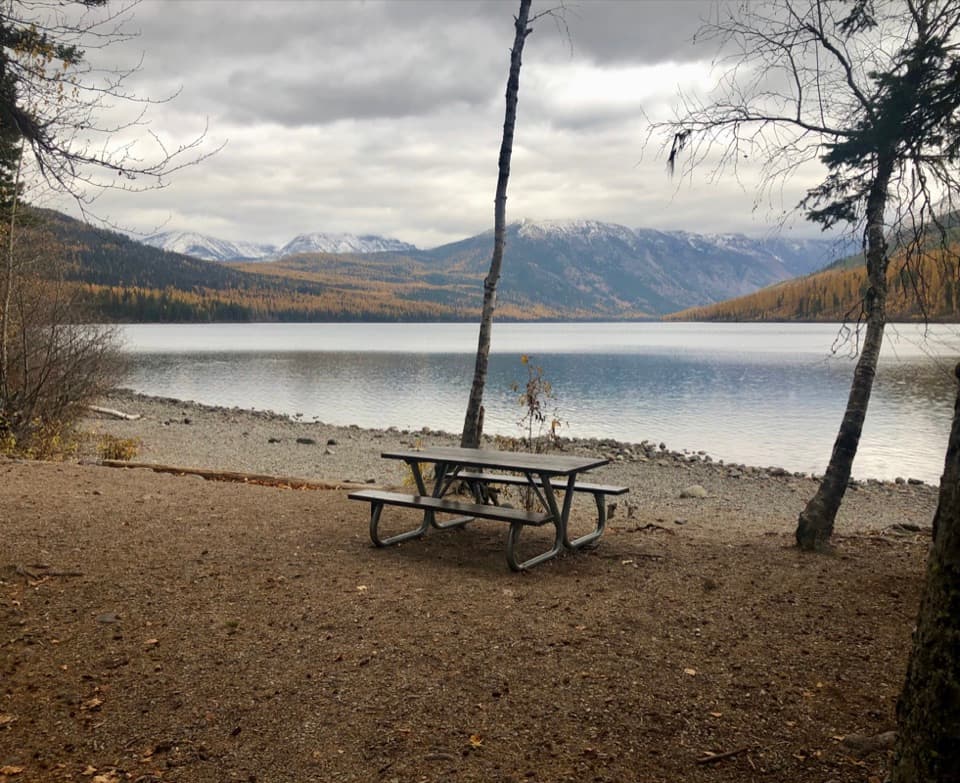
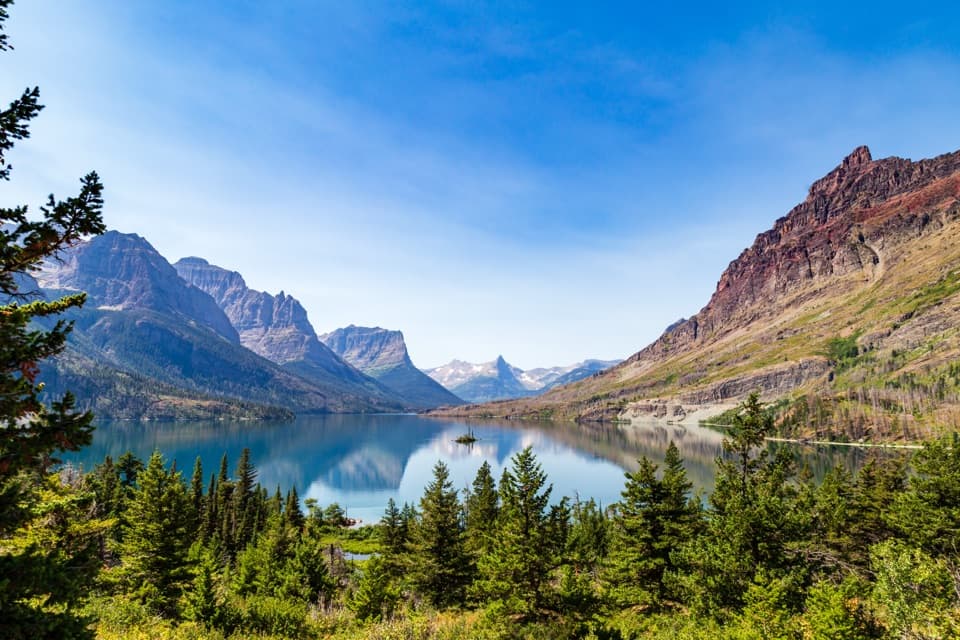
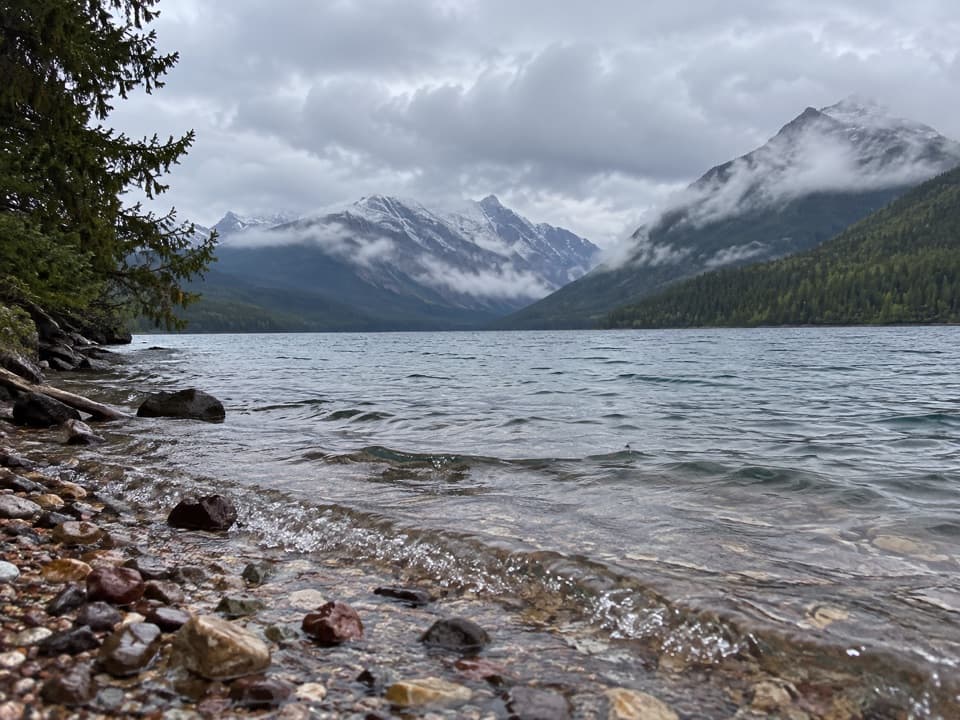
Kintla Lake is a remote, mountain-framed lake in Glacier’s northwest corner, with forested shores and a long reach of open water. It is a good choice if you want a quieter lake day with room to paddle; you pay for that quiet with a long, rough approach. Plan the North Fork as a day trip, especially if you want to add Bowman Lake.
 Parkwolf’s verdictWorth the North Fork drive
Map
Plan your stop

The highest, rockiest slopes around here are a summer buffet for grizzly bears.
Glacier Tour Guide
Parkwolf is a GPS audio tour guide for Glacier National Park. As you drive, it chimes in with what’s ahead: hidden gems, upcoming stops, history, geology, and wildlife, right through your car’s speakers.
See the Glacier audio tourRecorded for this place
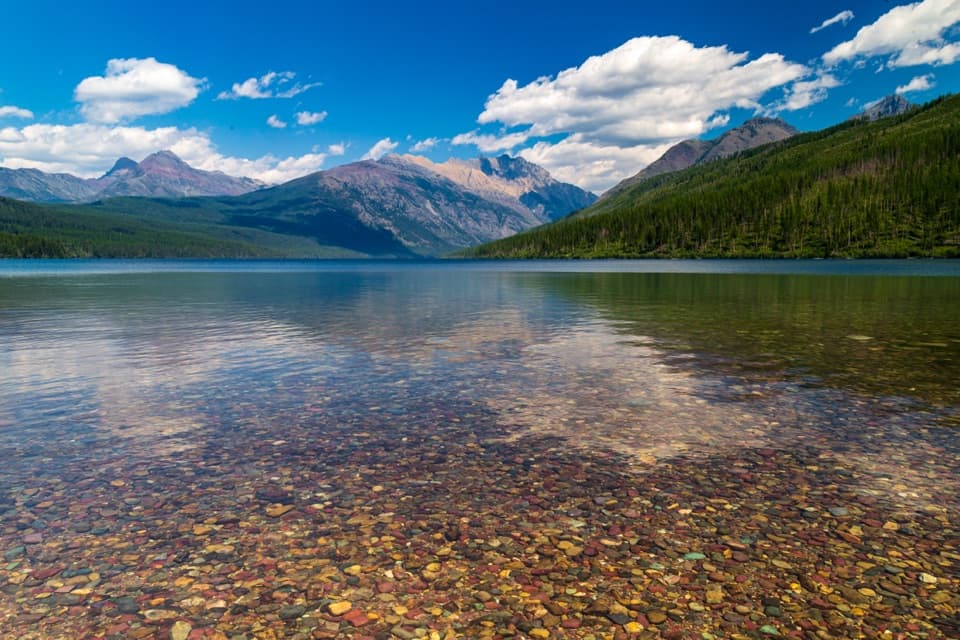
Kintla Lake“Kintla Lake is ahead, with forested shores and mountains beyond the water. Head to the southwest shore by the campground to enjoy the clear shallows and colored stones without committing to a long hike.”
Plays as you drive up to Kintla Lake in the Parkwolf Glacier Tour Guide.
More stories near here in the app
“Our first time to glacier and we used the audio portion for Going to the Sun Road. Wonderful information with perfect advice of what to see and do along the road.”


Guide
The south-shore access is about 40 miles from the west entrance, via Polebridge and rough, single-lane gravel roads. The park recommends four-wheel drive and the ability to change a tire; flat tires are common. Vehicles over 21 feet and trailers are prohibited on North Fork roads. There is no cell service, and the only services are outside the park in Polebridge, so bring food and water before leaving town.
A 13-site campground sits on the lake’s southwest shore. It has pit toilets and a seasonal hand pump for drinking water; there is no water during primitive-season camping and no camp store. The campground is the developed base here, while the lake itself is for quiet shoreline time and paddling.
This remote corner had a brief industrial chapter before it became protected parkland. Butte Oil Company began Montana’s first oil well at the head of Kintla Lake in 1901. A leaking gas pocket ignited in the winter of 1902–03 and destroyed the operation; the local oil boom had ended by the time Glacier became a national park in 1910.
For a photo, use the colored stones visible through the shallow water along the southwest shore as foreground, then let the long lake and mountain wall fill the distance. That gives the picture both the water’s clarity and the scale of the setting.
Wildlife
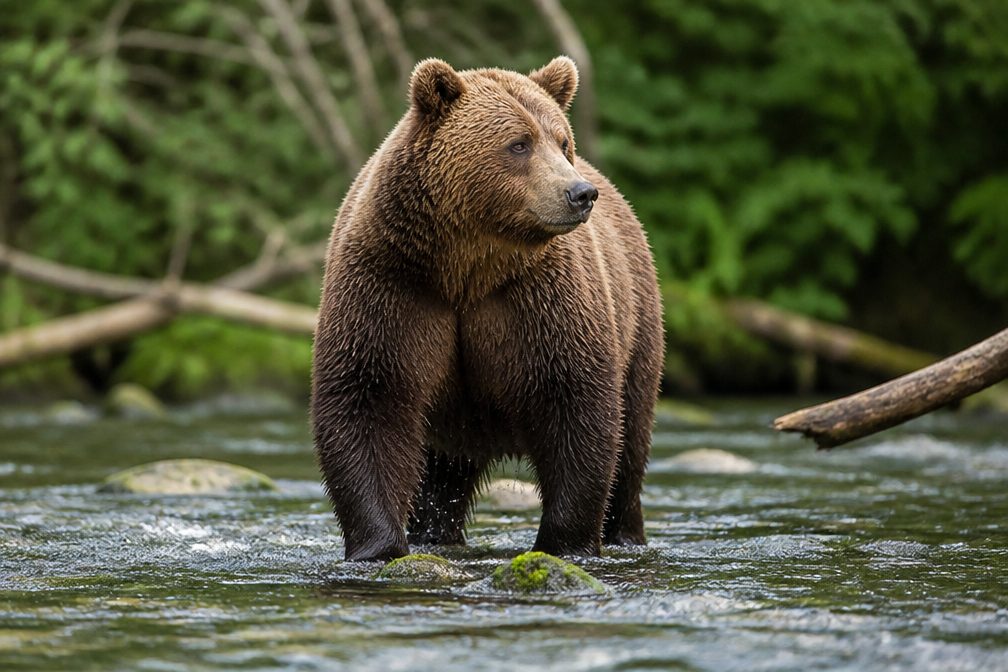 404 sightingsGrizzly BearMost seen around 6 AMSighting map
 11 sightingsWolverineMost seen around 8 PMSighting map
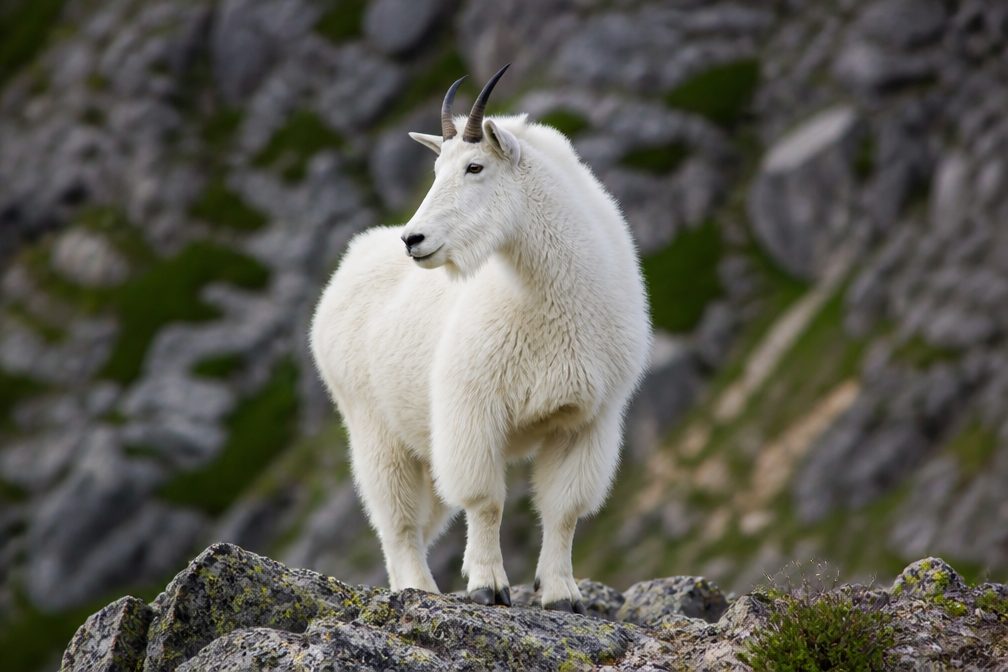 1,173 sightingsMountain GoatMost seen around 6 AMSighting map
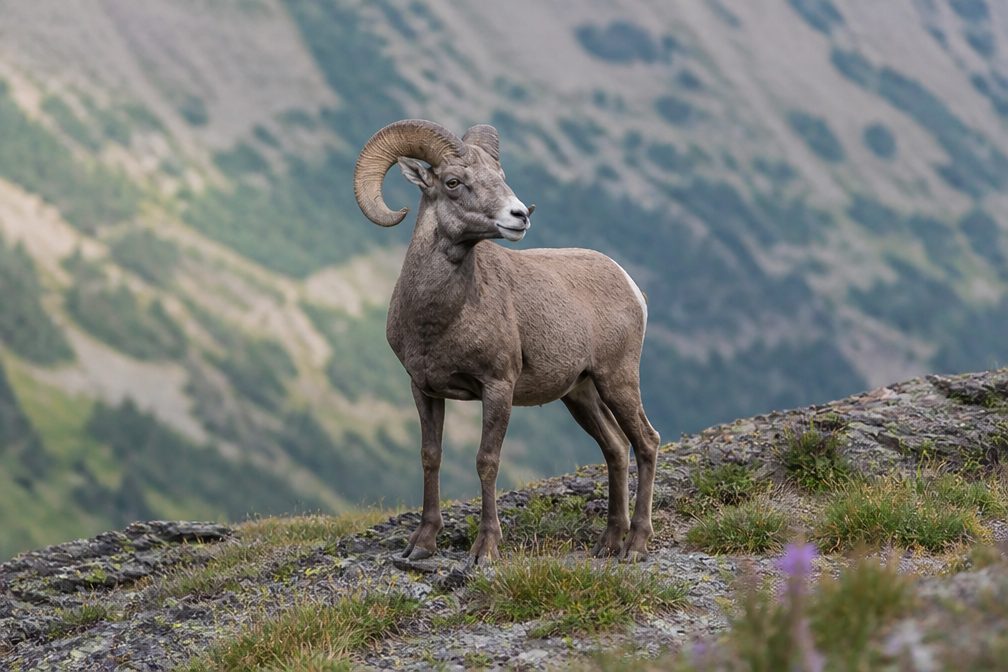 1,000 sightingsBighorn SheepMost seen around 6 AMSighting map
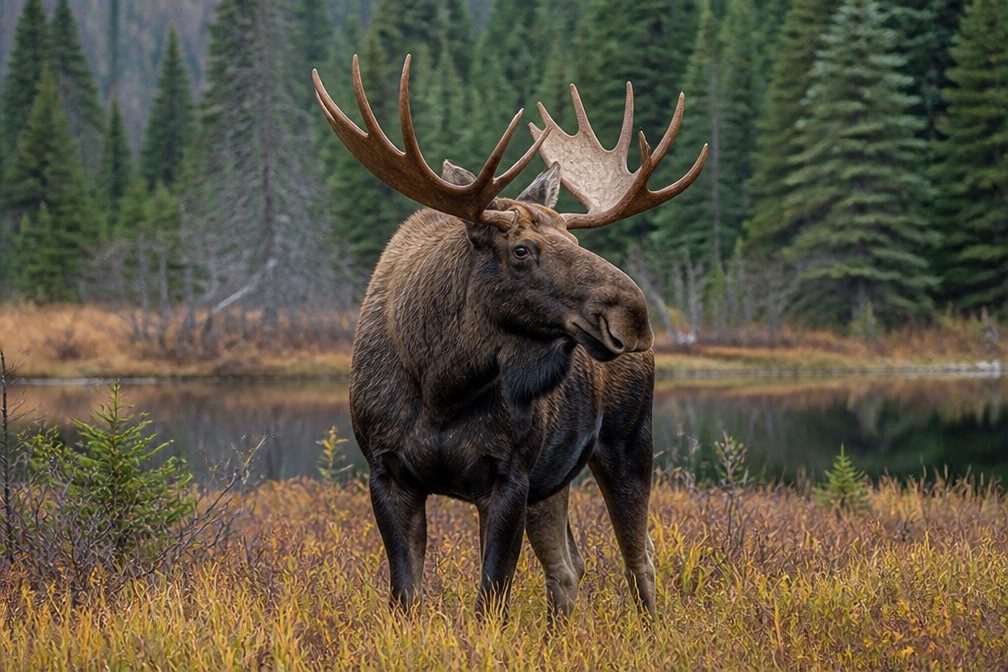 395 sightingsMooseMost seen around 6 AMSighting map
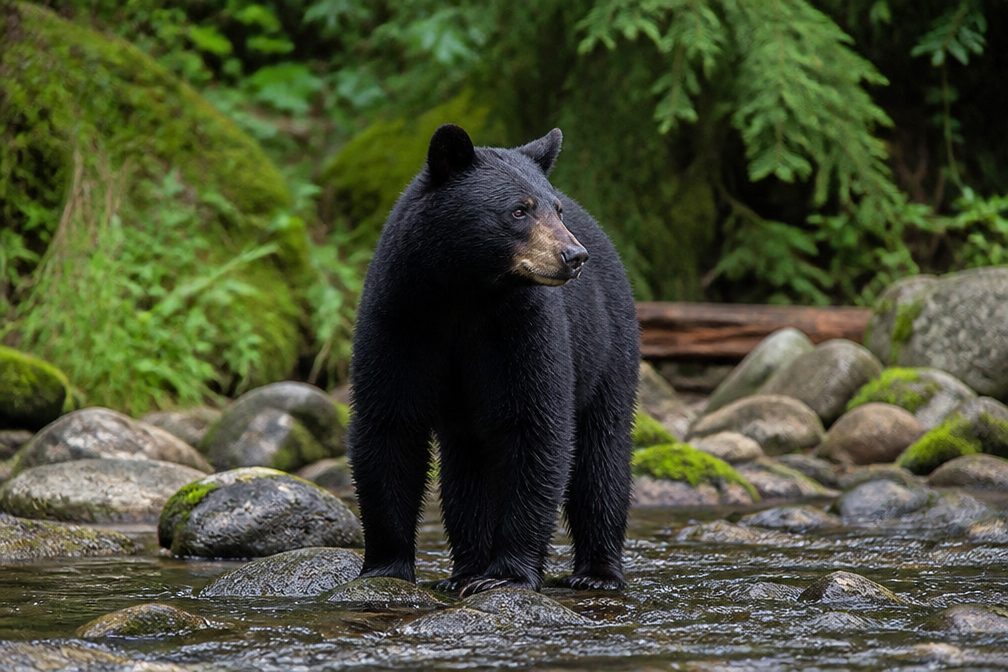 506 sightingsBlack BearMost seen around 8 PMSighting map
Sighting maps show where each species has been reported across Glacier. Wildlife moves, so no sighting is guaranteed.
Keep exploring
 ModerateKintla Lake Head Trail13.2 mi · 6.5 hr · 0.3 mi awayLong forested shore leads to a remote camp at the lake’s head.
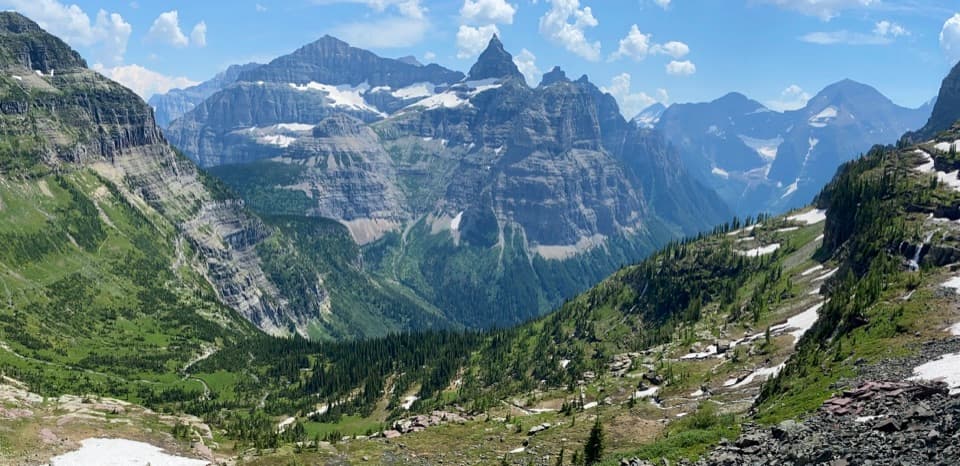 ChallengingBoulder Pass Trail30.3 mi · 1 day · 0.3 mi awayGlacial lakes and two high passes on a 30-mile wilderness traverse.
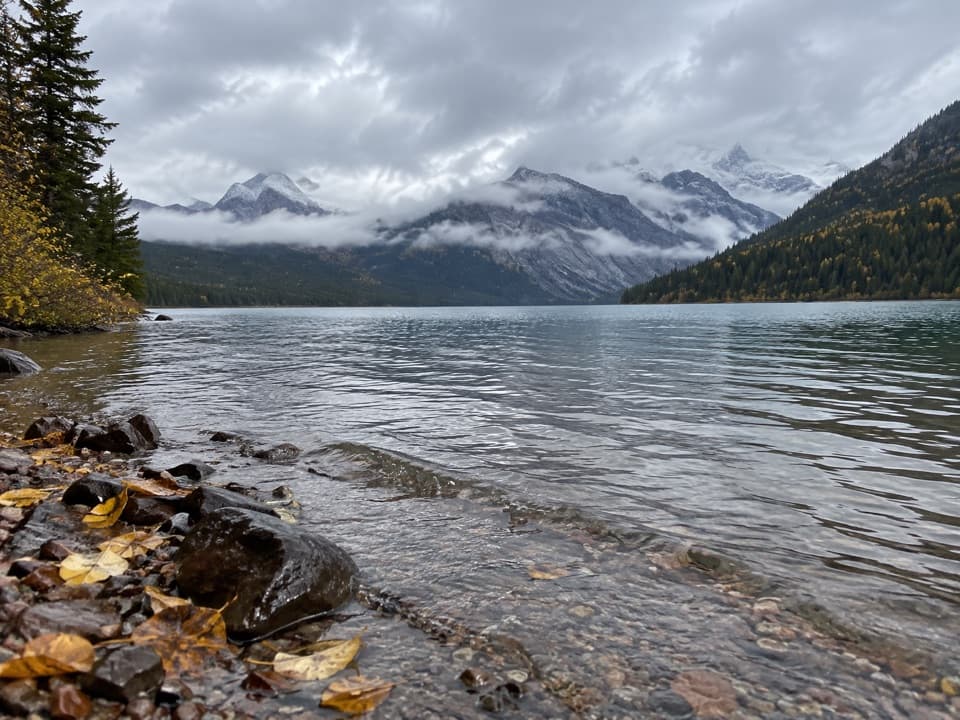 ChallengingUpper Kintla Lake via Boulder Pass Trail23.2 mi · 12 hr · 0.3 mi awayA 23-mile lakeshore out-and-back to Upper Kintla's backcountry camp.
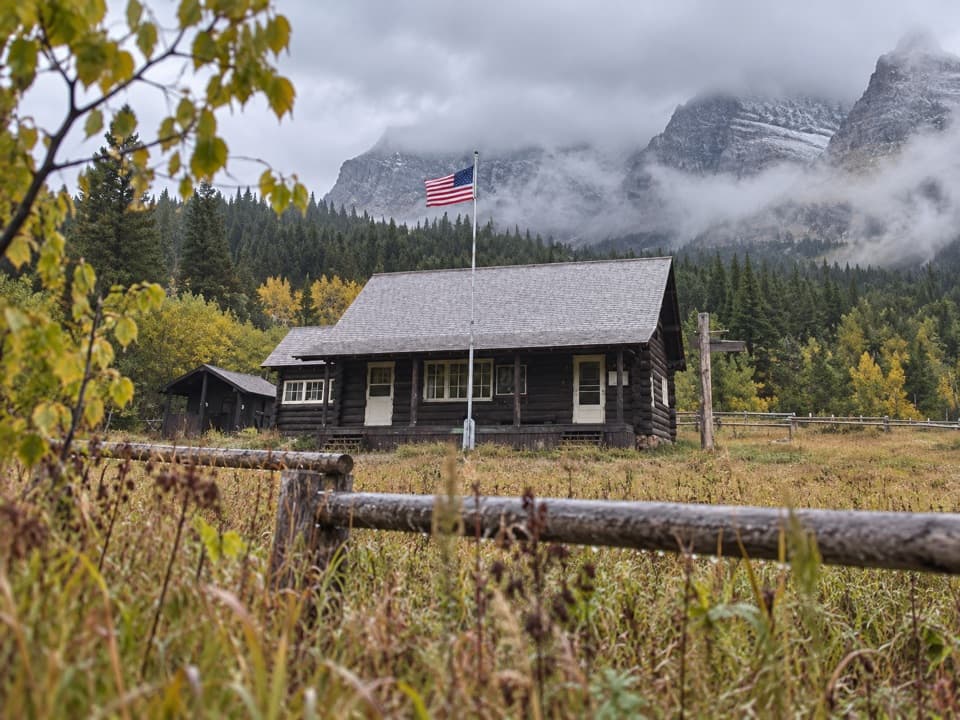 ChallengingKishenehn Trail9.6 mi · 5.5 hr · 1.5 mi awayA remote riverside walk to an isolated historic ranger station.
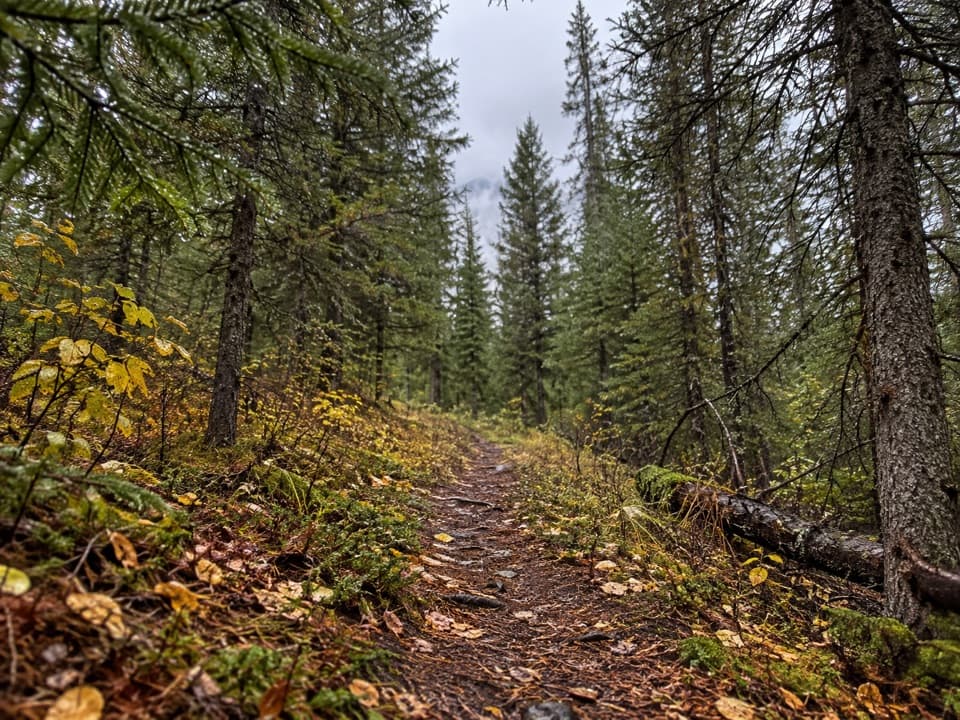 ModerateKishenehn Creek Trail8.2 mi · 4.5 hr · 3.8 mi awayFollow a quiet creek corridor to the stark border clearing.
Parkwolf’s Glacier ranking
The audio tour guide for the drive, plus offline maps, trails, and wildlife heatmaps for when the signal drops.