
Place · 0.5 mi away
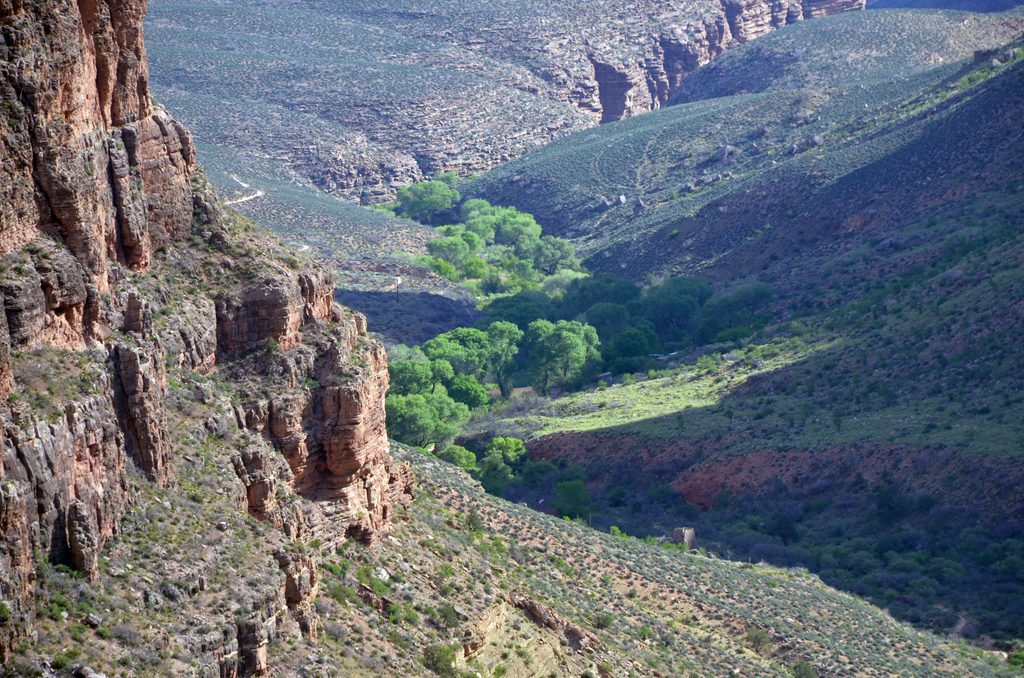
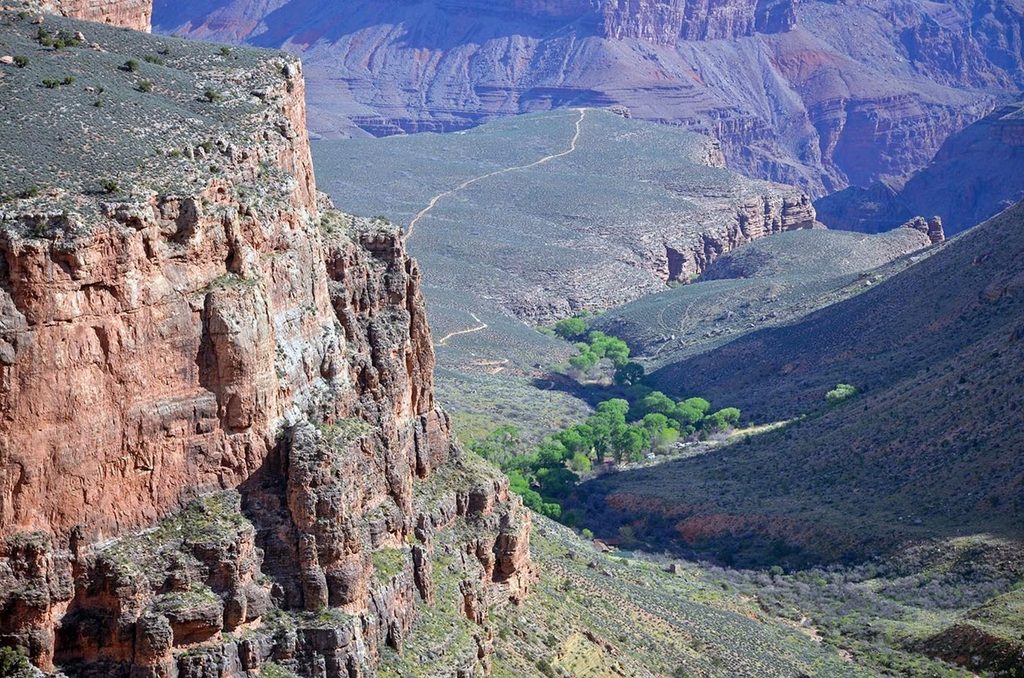
Halfway between the South Rim and the river, Havasupai Gardens (formerly Indian Garden) is the inner-canyon oasis everyone talks about on the Bright Angel Trail. After 4.5–5 miles and roughly 3,000 feet of descent, you drop onto the Tonto Platform and into a cool grove of cottonwoods fed by a perennial spring. It’s where day hikers exhale, backpackers linger, and everyone refuels before tackling the climb.
This is a true riparian pocket in a desert world—shade, running water, and a green canopy in stark contrast to sunbaked cliffs. It’s also a place of deep Havasupai significance (Ha’a Gyoh), and the modern name acknowledges that living history rather than burying it.
Most people reach the gardens via the Bright Angel Trail from the South Rim. It’s a steady, serious descent going in—and a stout ascent going out. Many hikers treat the gardens as the turnaround point for a 9–10 mile day, or as the last big rest and refill before climbing “the wall” back to the rim.
Set on the Tonto Platform, the spring emerges where water percolates through sandstone layers, creating the lush conditions you see. Expect songbirds, lizards, and the occasional mule deer taking advantage of the shade and water—observe, enjoy, and never feed wildlife.
There’s no road access, no store, and no food service—everything gets carried in and out. Water at the gardens is famously reliable, but taps above/below can be seasonal or temporarily off; always verify current status and carry enough capacity to bridge gaps.
Place · 0.5 mi away
Place · 0.9 mi away
Place · 1 mi away
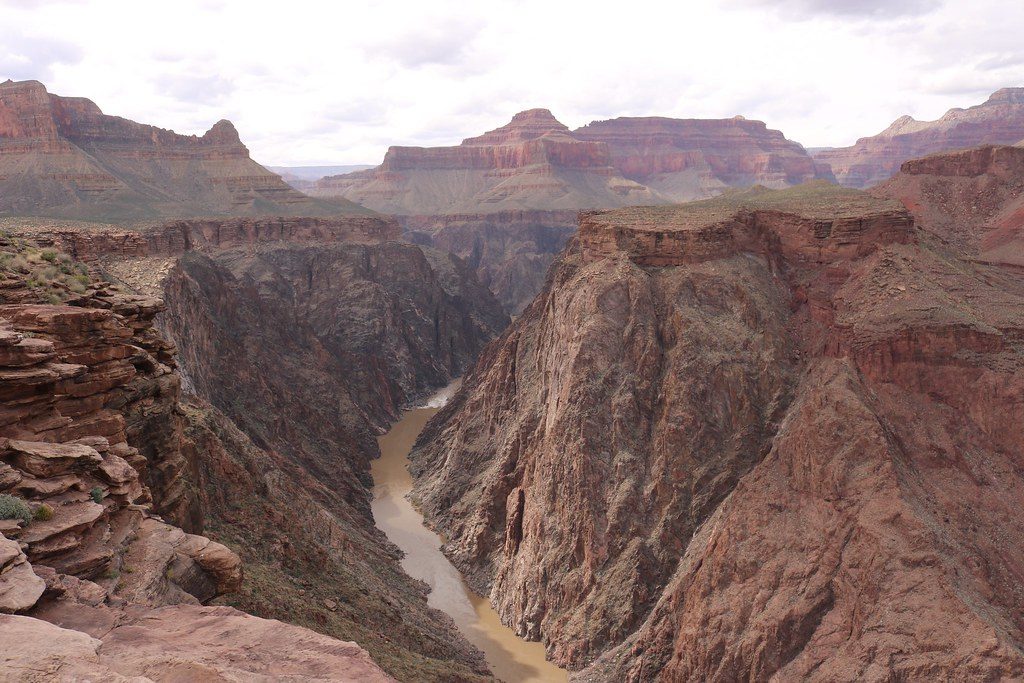
Place · 1 mi away
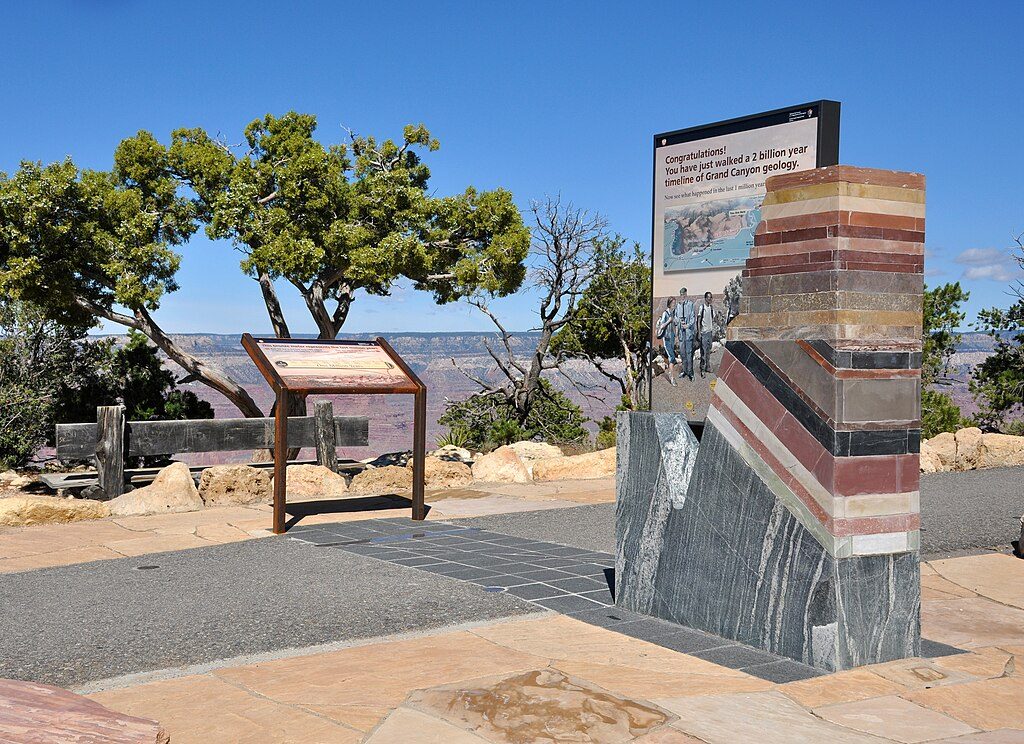
Easy · 0.9 mi away
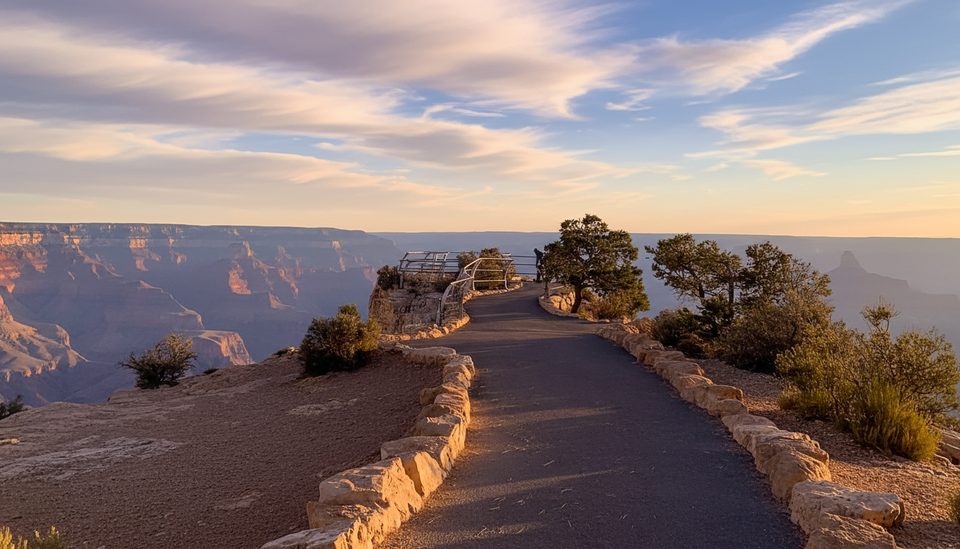
Easy · 1.5 mi away
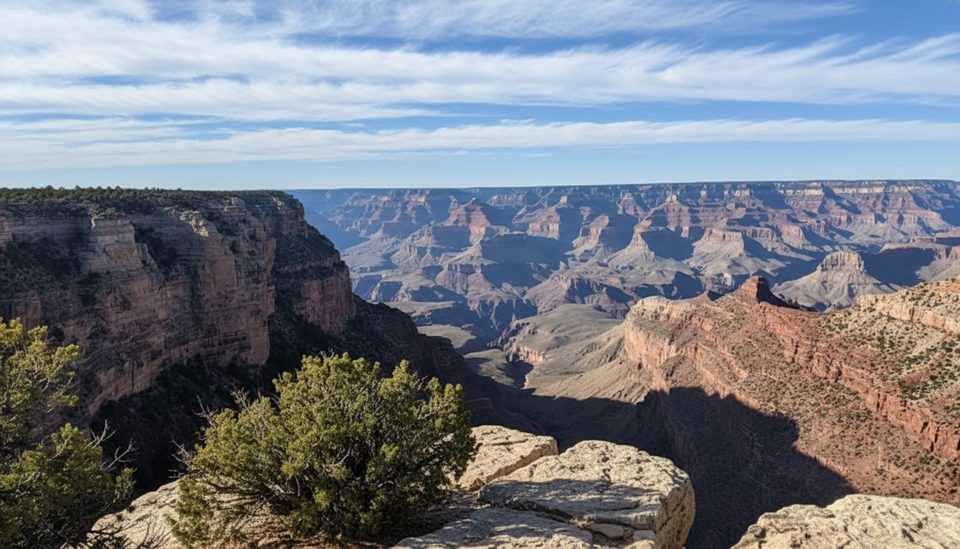
Easy · 2.6 mi away
Easy · 3.7 mi away

Parkwolf Tour Guide
