Havasupai Gardens

Shady oasis and mid-canyon hub on the Bright Angel Trail
Havasupai Gardens, Grand Canyon National Park
InsideGrand Canyon National Park

Overview

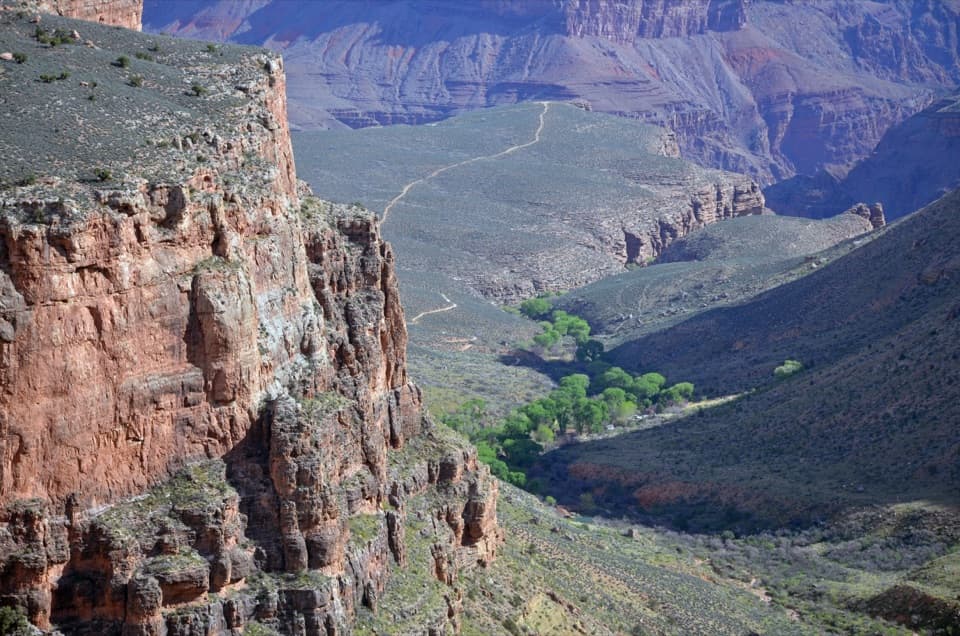
Havasupai Gardens sits about 4.5 miles below the South Rim on the Bright Angel Trail—a green, spring-fed ribbon of cottonwoods and creek in the middle of desert walls. It’s the classic mid-canyon rest stop and a popular backcountry campground, renamed to honor the Havasupai people who lived and farmed here for generations.

Why it’s special

This spot is a genuine oasis: cool shade, running water, and a flat place to breathe before the next set of switchbacks. Springs emerging from geologic contacts feed Garden Creek, creating a lush corridor that feels dramatically cooler and more alive than the sun-baked trail above.

Cultural context

Formerly called Indian Garden, the area was officially renamed Havasupai Gardens to recognize the Tribe’s long connection to this farming area and the forced removal that occurred in the early 20th century. New interpretive materials onsite share that history—slow down and read them.

What you’ll see

  • Cottonwood groves, flowing water, and a broad, restful bench of the canyon.
  • A steady stream of hikers and occasional mule trains moving along the park’s most-used corridor trail.
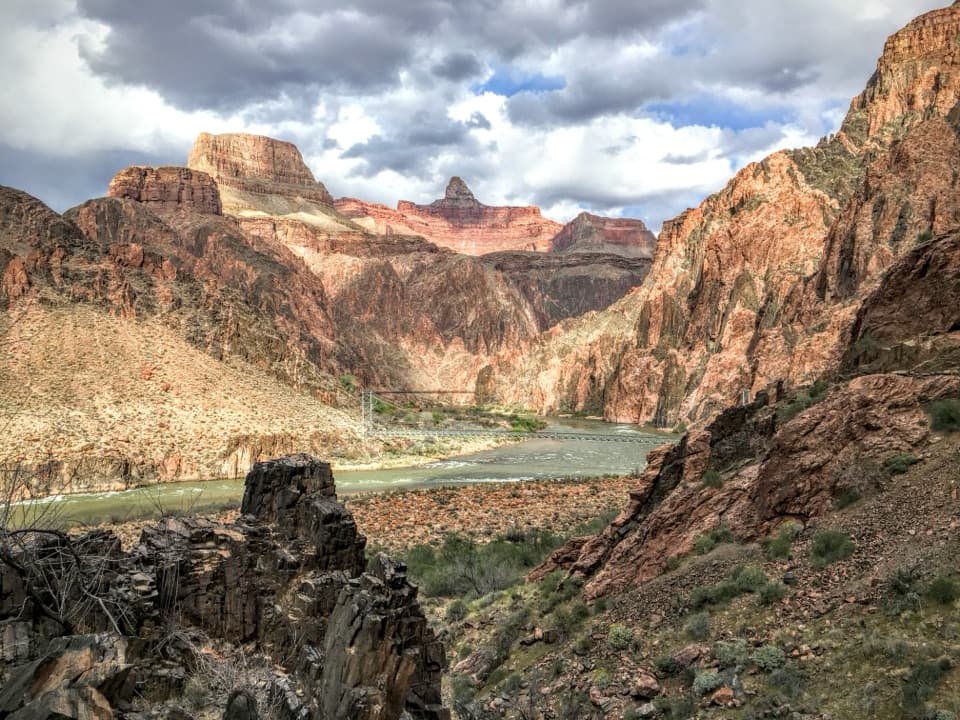
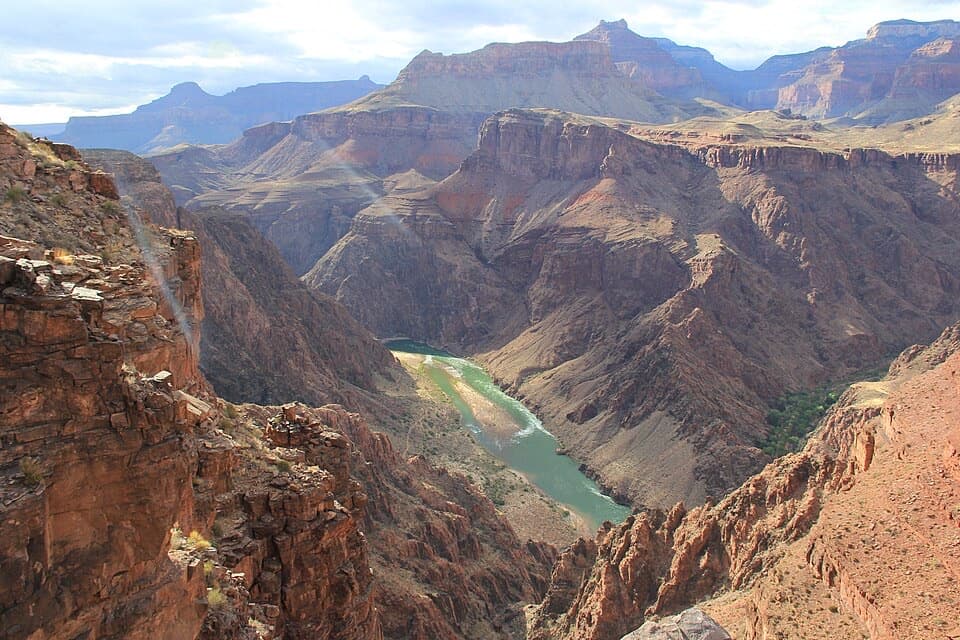
  • Optional add-on: from the Gardens, a side trail crosses the Tonto Platform to Plateau Point for sweeping views toward the Colorado River.

Facilities and camping

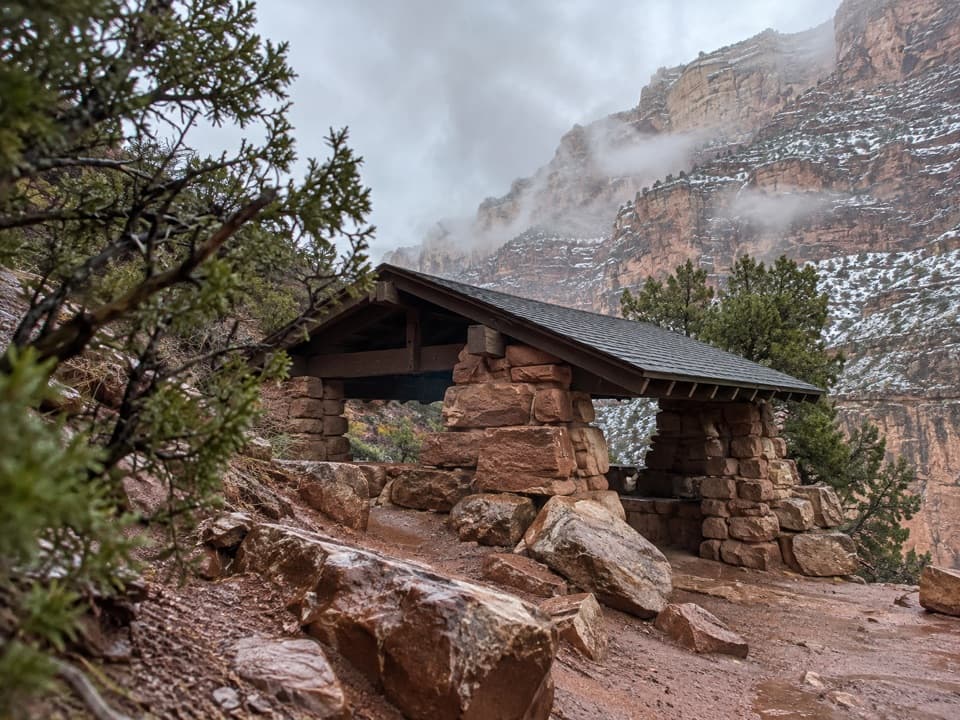
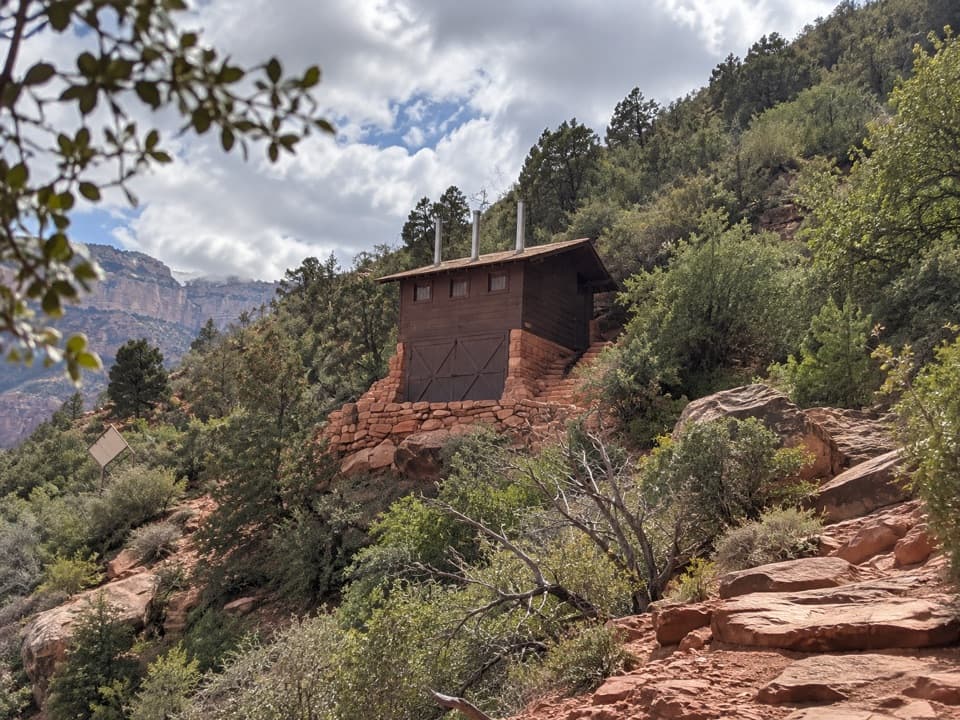
The Havasupai Gardens Campground (15 sites, including a group site) sits right in the trees. Expect composting toilets, potable water when the system is operating, shaded ramadas, metal picnic tables, pack poles, and food storage cans. There’s also a day-use area and an on-site ranger/visitor information station. Overnight stays require a backcountry reservation/permit.

Wildlife

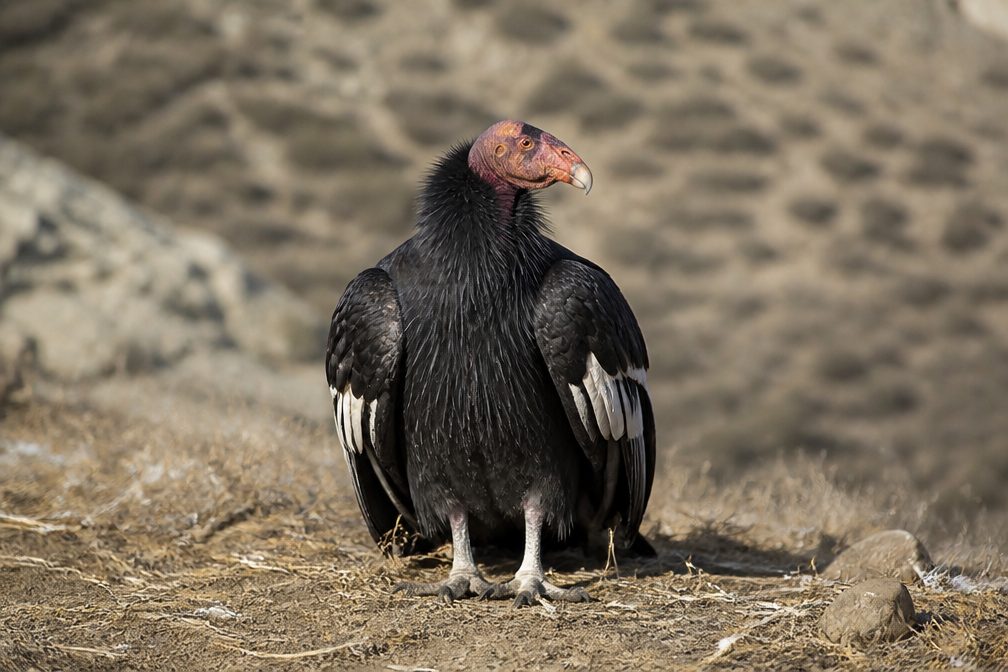
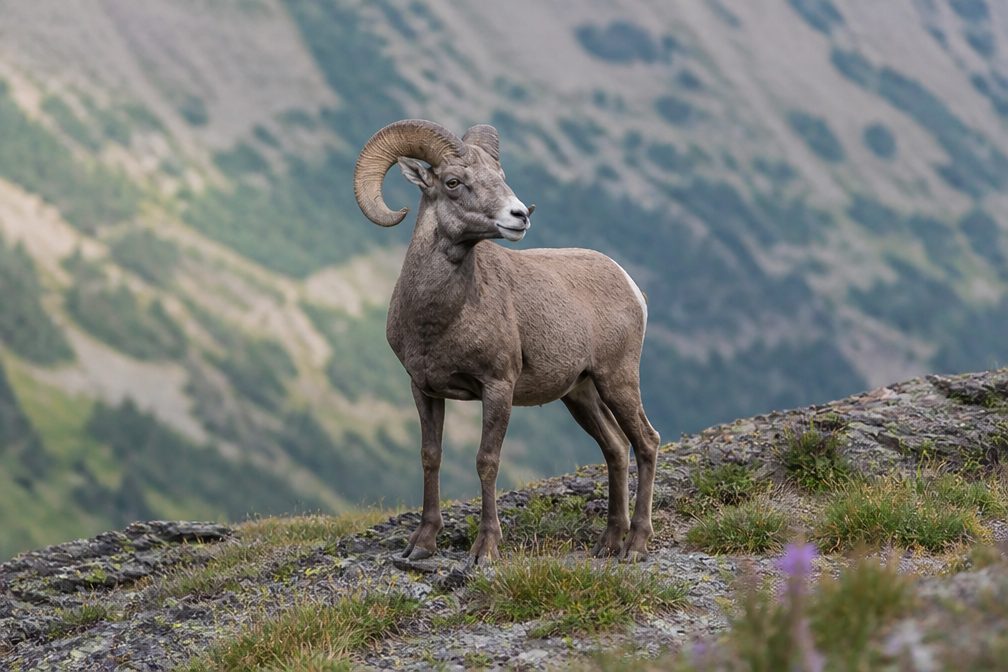
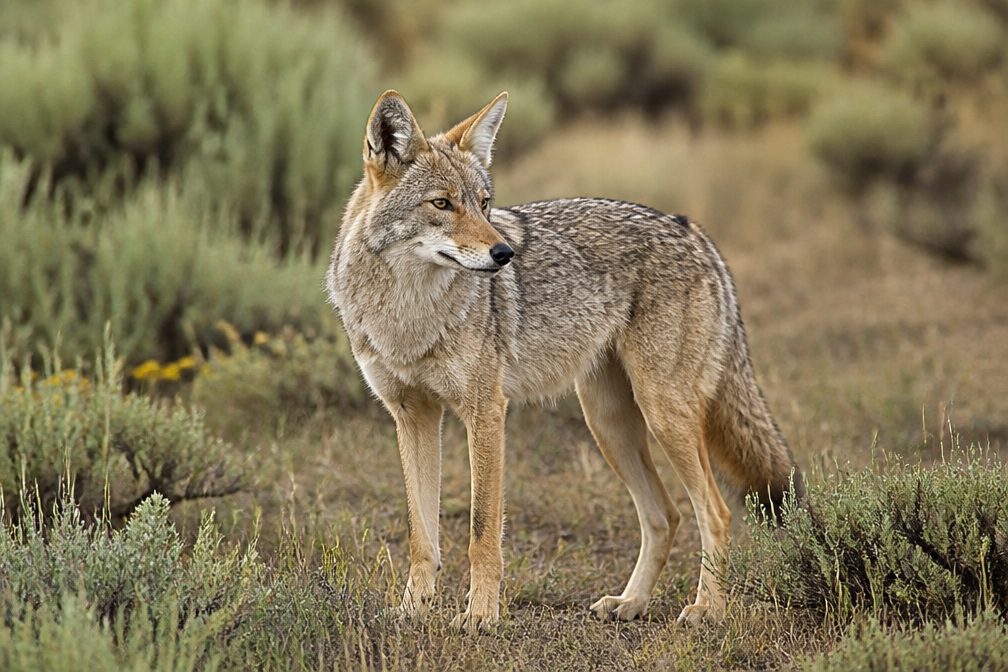
Rock squirrels are bold here—do not feed them and don’t leave food unattended, or they’ll chew into packs. Mule deer are commonly seen, and desert bighorn, lizards, ravens, and canyon birds are possible, especially mornings and evenings when the riparian corridor is busiest with life.

Planning and safety

Bright Angel is easy to descend and hard to climb—set conservative turnaround times. Do not rely solely on spigots; pipeline work and seasonal shutoffs happen. Heat is the biggest hazard, even with shade in the Gardens. If a mule train approaches, step to the inside of the trail and follow wrangler instructions.

Not to be confused with

Havasupai Gardens is inside the national park on Bright Angel Trail. It’s different from Havasu Falls on the Havasupai Reservation, which requires separate tribal permits.

Best time to visit

Start early to beat heat and crowds; late afternoon brings softer light and quieter vibes as day hikers thin. Spring and fall are prime for temperatures. Plateau Point is gorgeous near sunset, but bring a headlamp for the hike back.

Pros

  • Shady, spring-fed oasis with potable water along Bright Angel Trail
  • Backcountry campground with picnic tables, shade structures, toilets, and food storage

Cons

  • Can be crowded with day hikers and mule traffic
  • Corridor water spigots can be shut off; outages happen

Tips

  • Reserve a backcountry permit well in advance if you want to camp.
  • Check current corridor water status; carry enough and bring a treatment backup.
  • Store all food in the provided cans—squirrels will chew through packs.
  • Add Plateau Point from the Gardens for a big-view payoff without committing to the river.
  • When mule trains approach, step to the inside of the trail and wait for the all clear.
The Parkwolf tour guide sitting on a phone mounted in a car

Parkwolf Tour Guide

Like a tour guide in your car.

Save the places you found around Grand Canyon, then let Parkwolf guide the drive between them.Download Parkwolf on the App Store