
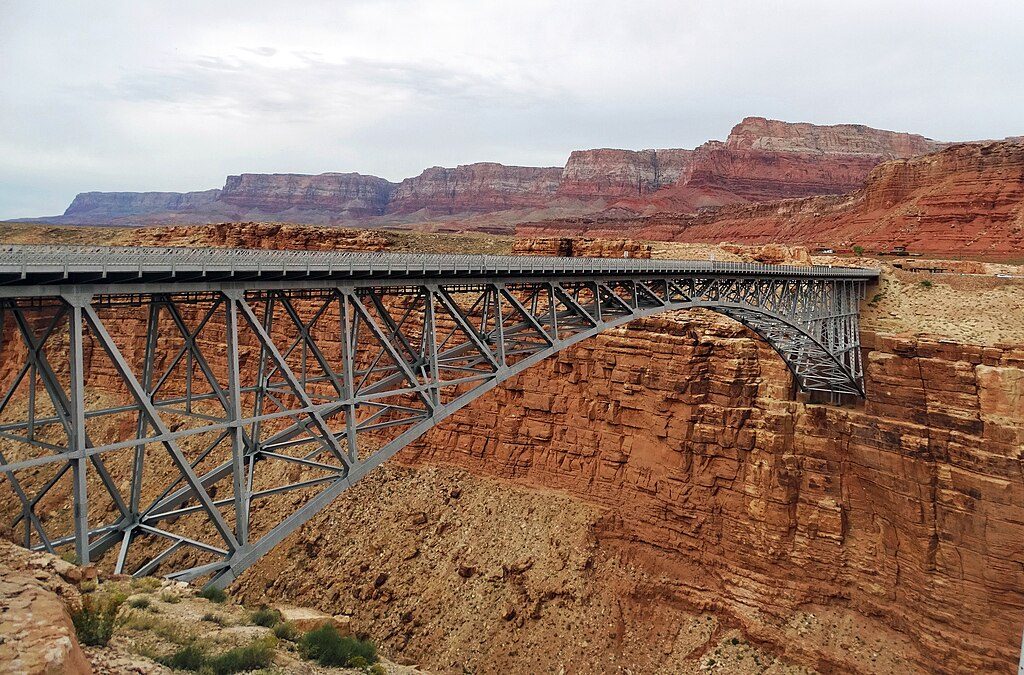
Place · 4.2 mi away
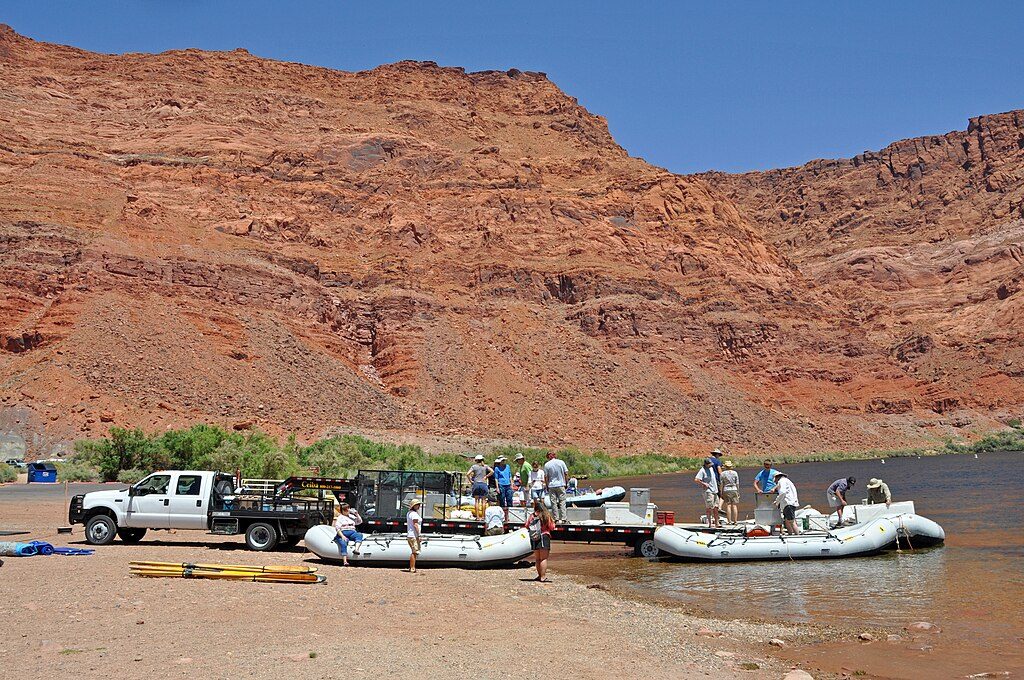
Lees Ferry sits at the junction of Glen Canyon and Marble Canyon, where the Paria River meets the Colorado. It’s the rare spot where you can drive right to the river’s edge, and it’s the official starting point (mile zero) for all Grand Canyon river trips. The setting is classic canyon country: blue‑green water backed by sheer, red‑orange walls.
Note: Lees Ferry is administered by Glen Canyon National Recreation Area, but it’s the staging ground for Grand Canyon rafting, fishing, and hiking.
Expect trout in the river, plus regular birdlife. Visitors sometimes spot desert bighorn sheep along the cliffs; lizards and small mammals are common in the surrounding desert.
The launch is a hive of activity when trips stage—expect congestion at peak times and on weekends. Away from the ramp, the wider area often feels calmer than the busy Grand Canyon rims.
From the 1870s to 1928, this was the only reliable crossing for hundreds of miles—pioneers, traders, and travelers used the ferry here until Navajo Bridge made the crossing obsolete. Today, the site’s historic ranch and remnants tell that story while the river launch carries its modern legacy into the Grand Canyon.
Place · 4.2 mi away
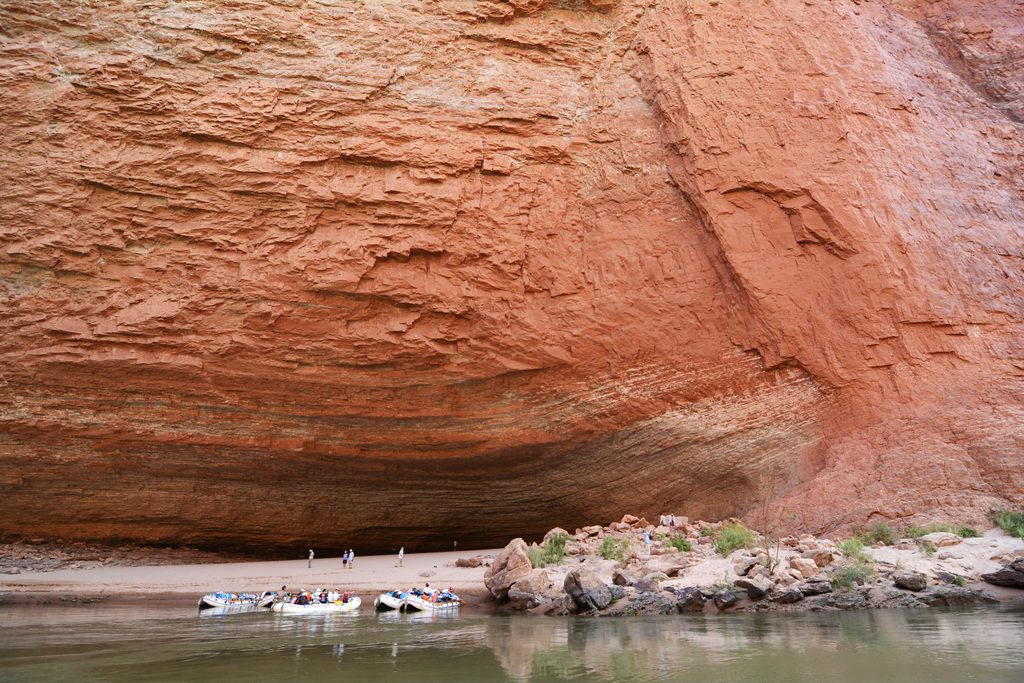
Place · 29.4 mi away
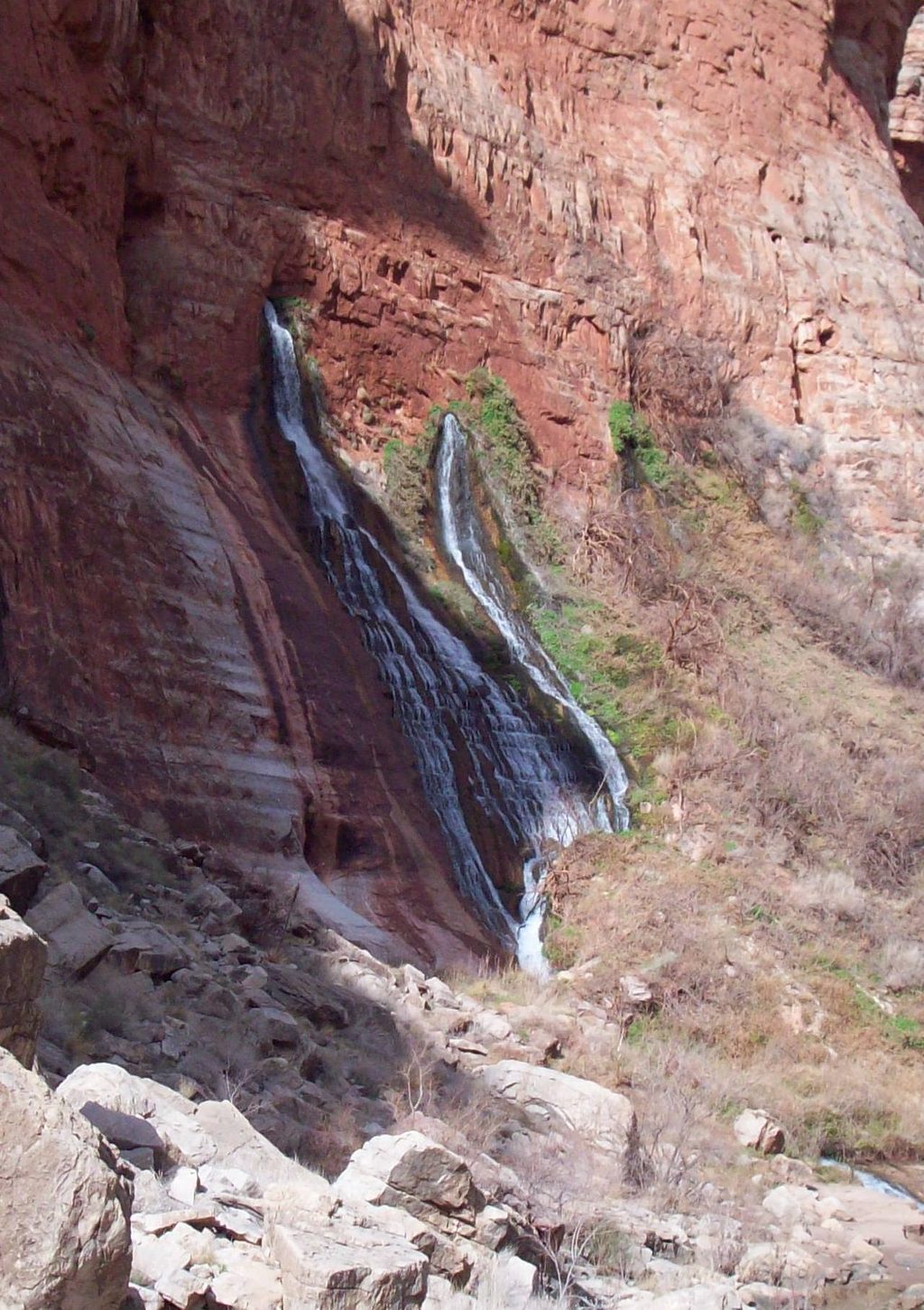
Place · 29.7 mi away
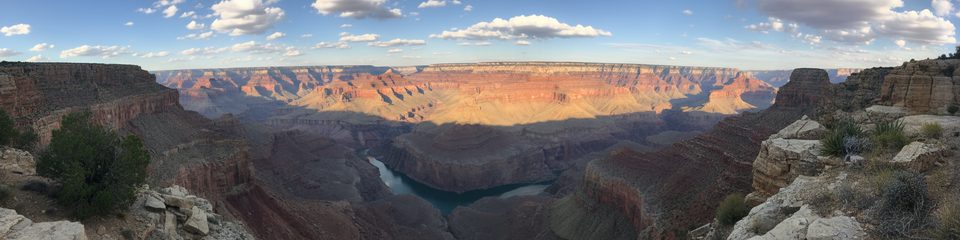
Place · 37.7 mi away
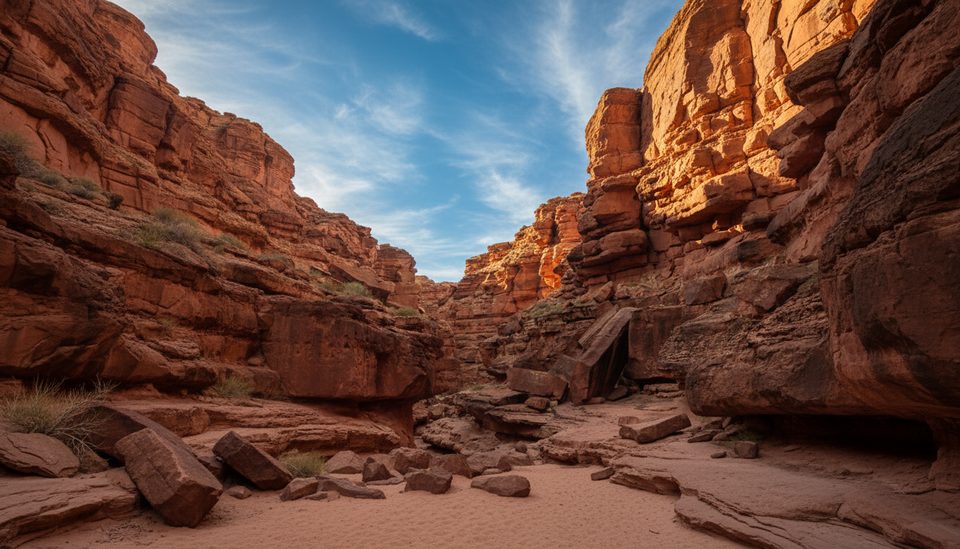
Moderate · 3.7 mi away
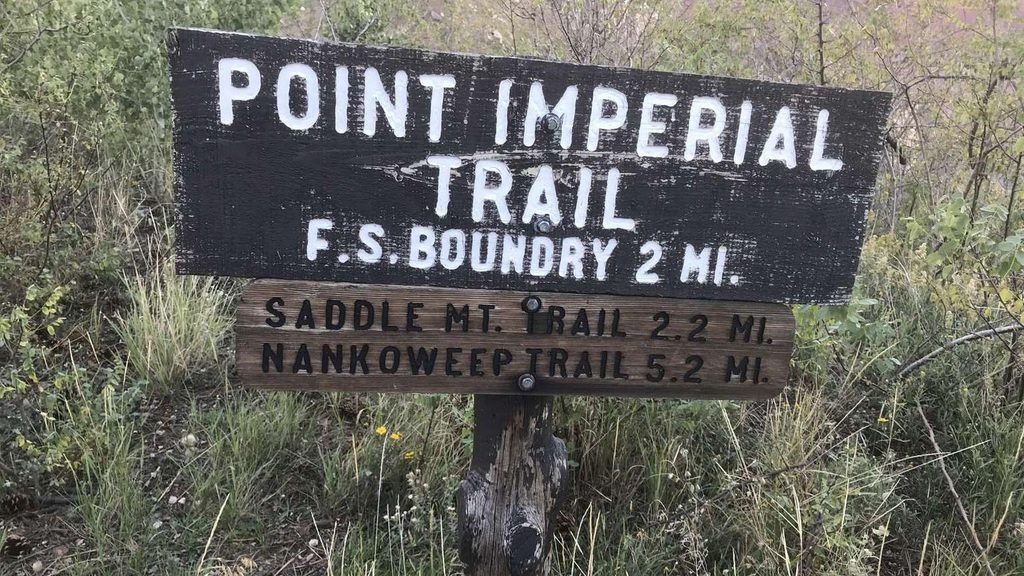
Easy · 46 mi away
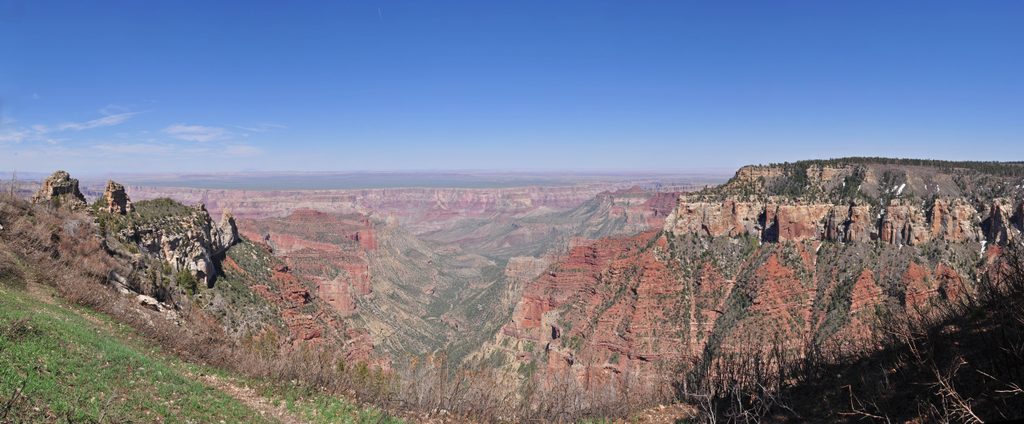
Easy · 49.2 mi away
Moderate · 51.7 mi away

Parkwolf Tour Guide
