Place · 1.3 mi away

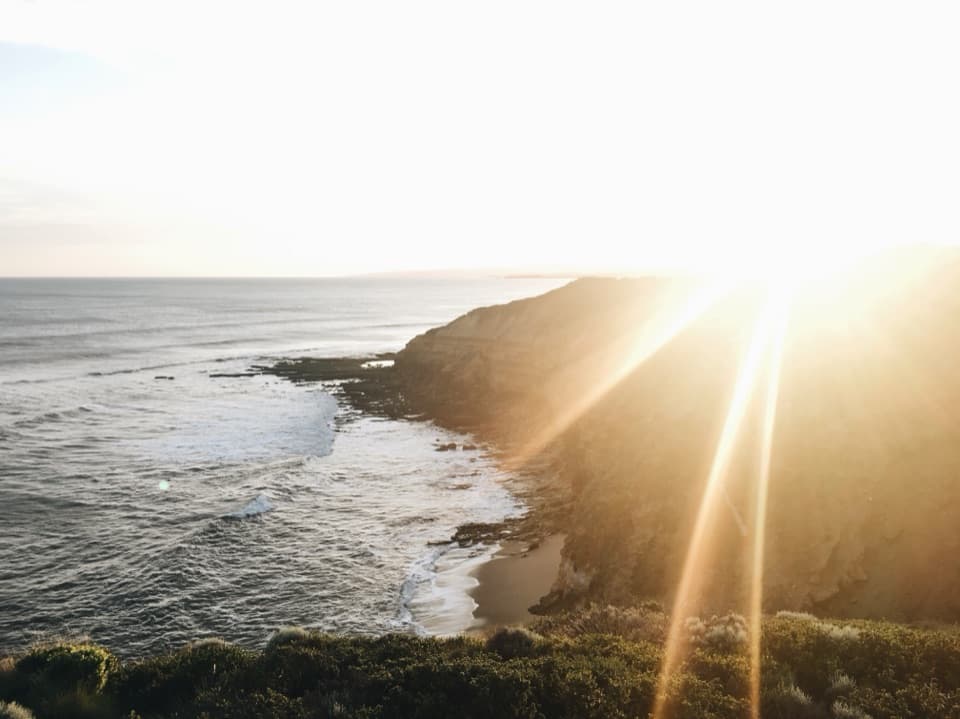
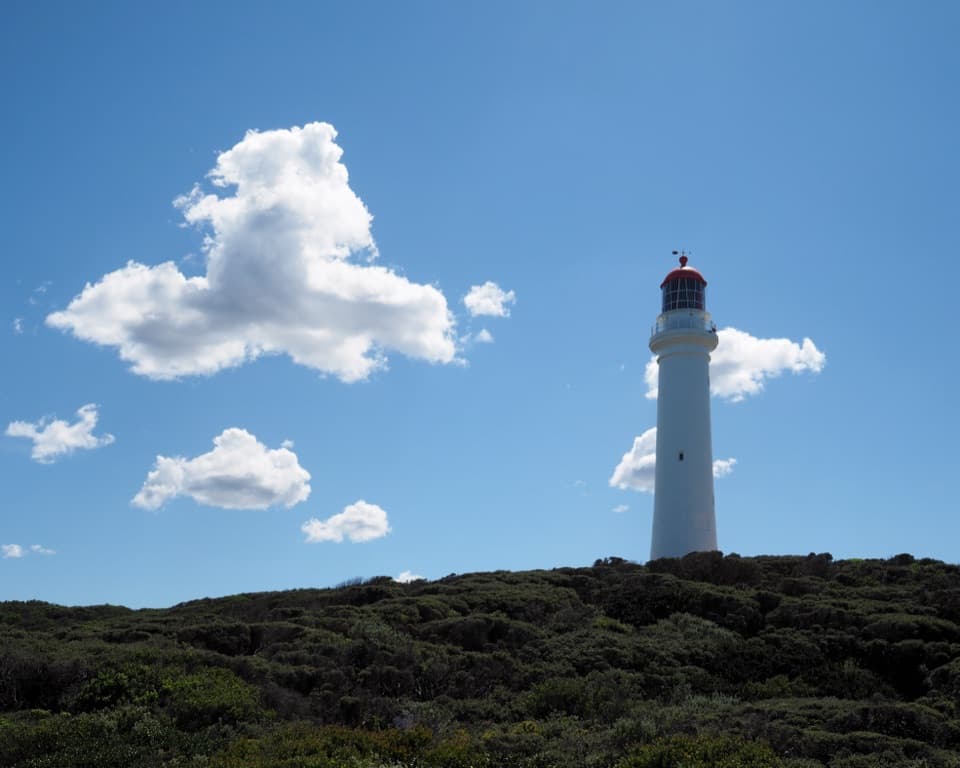
Perched where dense forest meets raw Southern Ocean, Cape Otway Lightstation is the historic heart of this coastline. It’s the oldest surviving mainland lighthouse complex in Australia, built in 1848 on a treacherous stretch long known as the Shipwreck Coast. Even with the tower’s light now decommissioned, the heritage precinct still tells a gripping story of navigation, wrecks, and life on the edge.
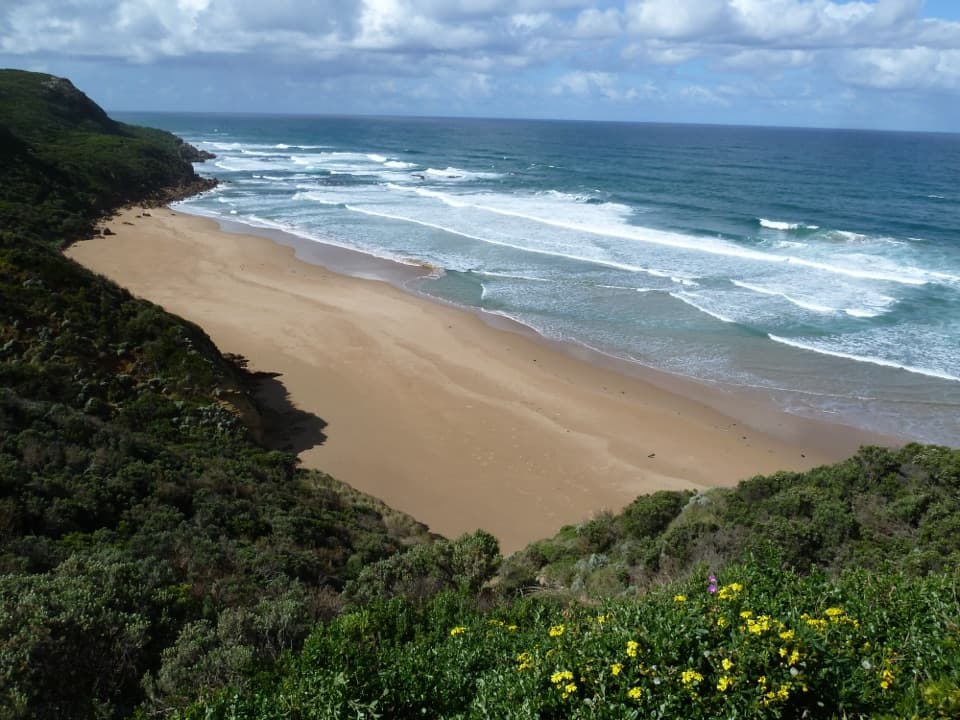
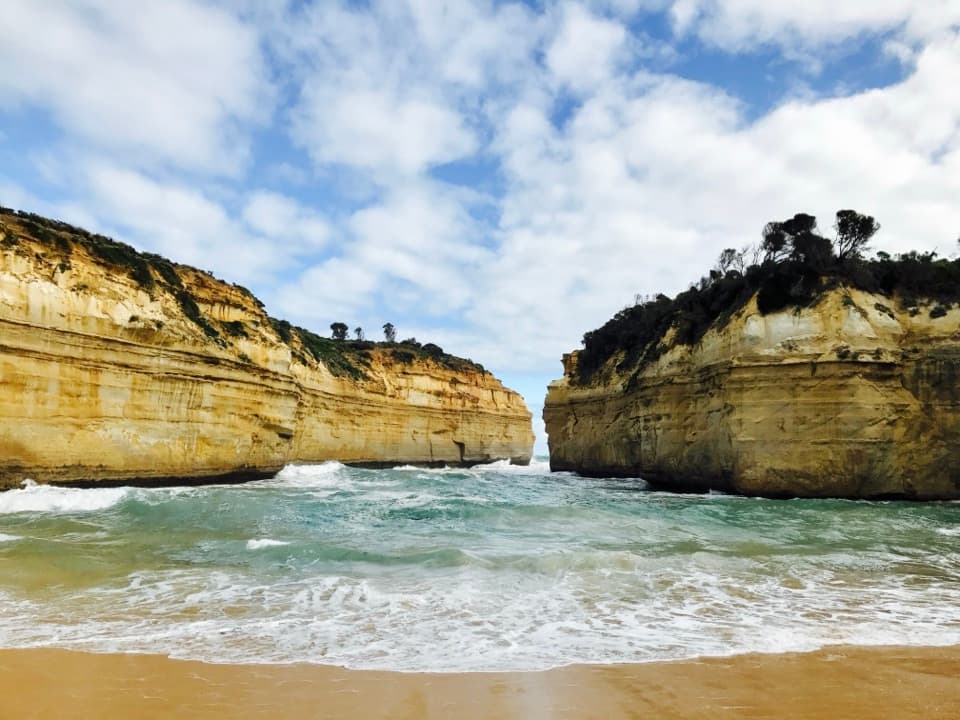
Expect big-sky views over cliffs and reefs and a front‑row seat to booming swells. The on‑site heritage precinct includes keeper buildings and a WWII radar bunker, and the headland is superb for scanning for sea eagles, dolphins, seals, and—best of all—migrating whales in winter and spring.
Construction began in the 1840s, with the lighthouse first lit in 1848 at the western entrance to Bass Strait. The original tower’s light was later decommissioned and replaced nearby by a low‑powered solar beacon. Shipwreck lore runs deep here; the SS City of Rayville (1940) was the first American vessel sunk in WWII, and a plaque recalls pilot Frederick Valentich’s 1978 disappearance after radioing Cape Otway.
Koalas are frequently seen along Lighthouse Road on the approach. From the headland itself, keep an eye out for raptors and marine life; southern right and humpback whales pass by in season. In the broader Otways you may encounter kangaroos, wallabies, and shorebirds—give nesting beaches and all wildlife plenty of space.
The Great Ocean Walk passes right by Cape Otway, with a classic 14.4‑mile point‑to‑point stretch heading west to Johanna via Castle Cove. Trails are generally well marked, but weather can turn quickly and sections may be slick—carry water and good footwear.
There’s a main car park with public toilets, and the precinct sits about 400 m from the entry on a gravel/concrete path. Dogs aren’t permitted, and BBQs and drones are off the list. Note that the lighthouse tower interior is currently closed; entry focuses on the wider heritage precinct (discounted when the tower is shut). Facilities and occasional conservation works can affect what’s open, so it’s smart to check the latest before you go.
June–October is prime for spotting southern right and humpback whales from the headland. Outside whale season, come on a clear, calmer day for the best ocean vistas. Whenever you visit, bring layers—the wind here has teeth.