
Place · 0 mi away
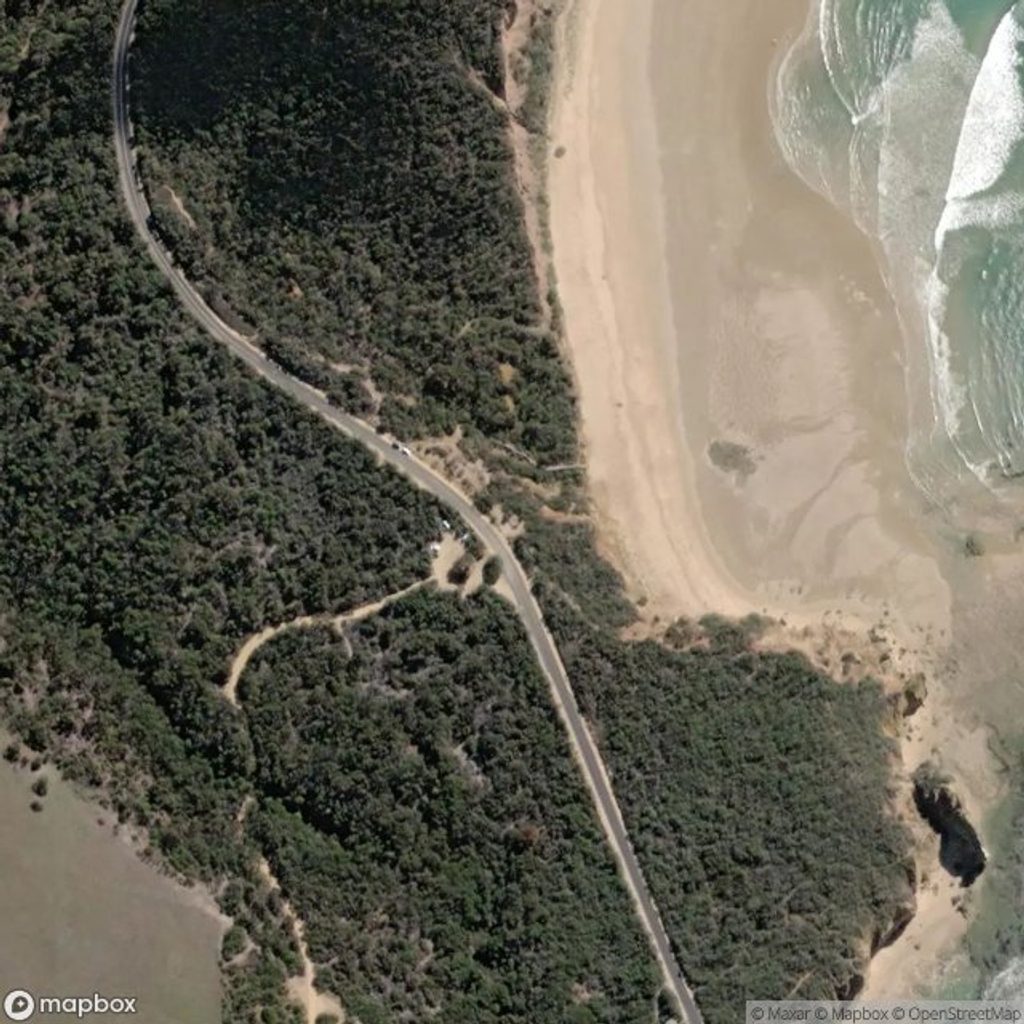
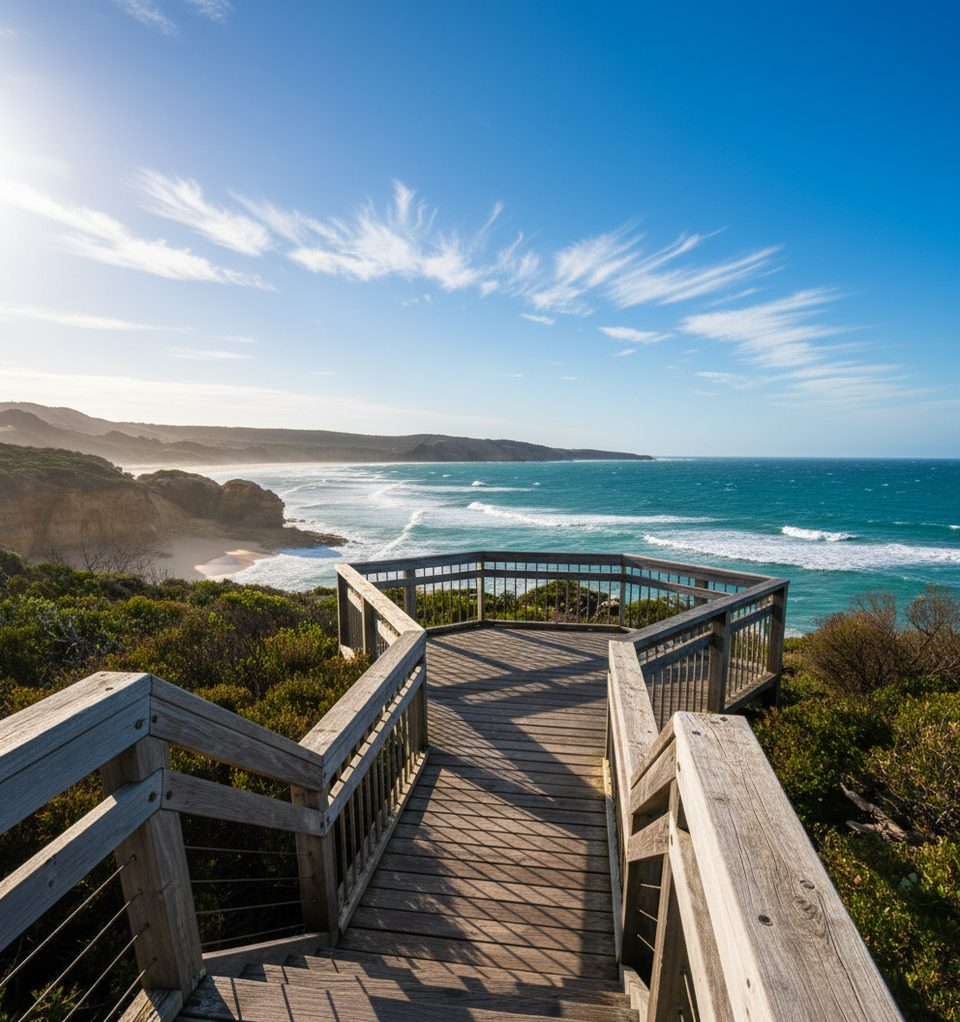
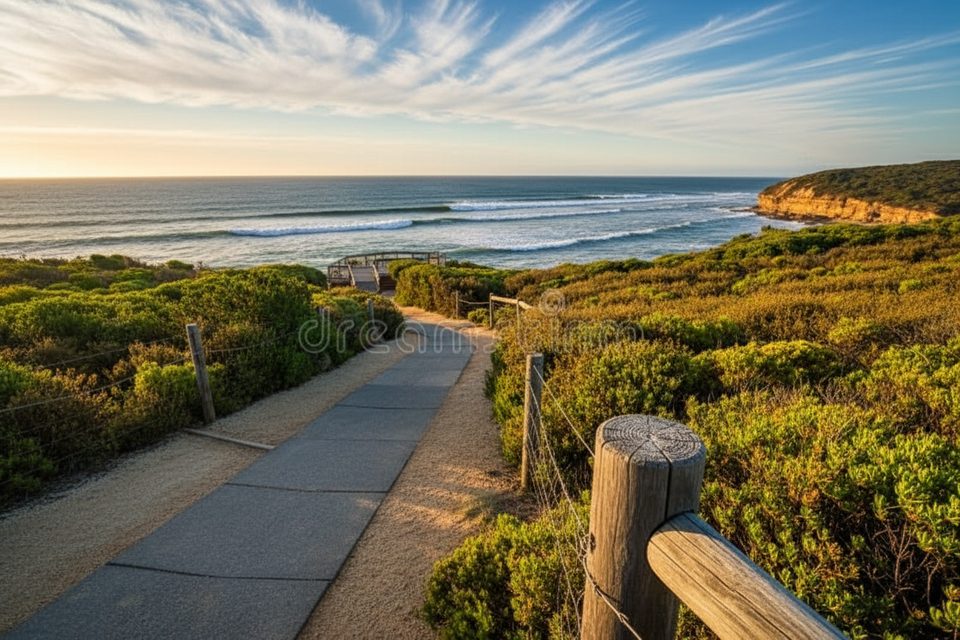
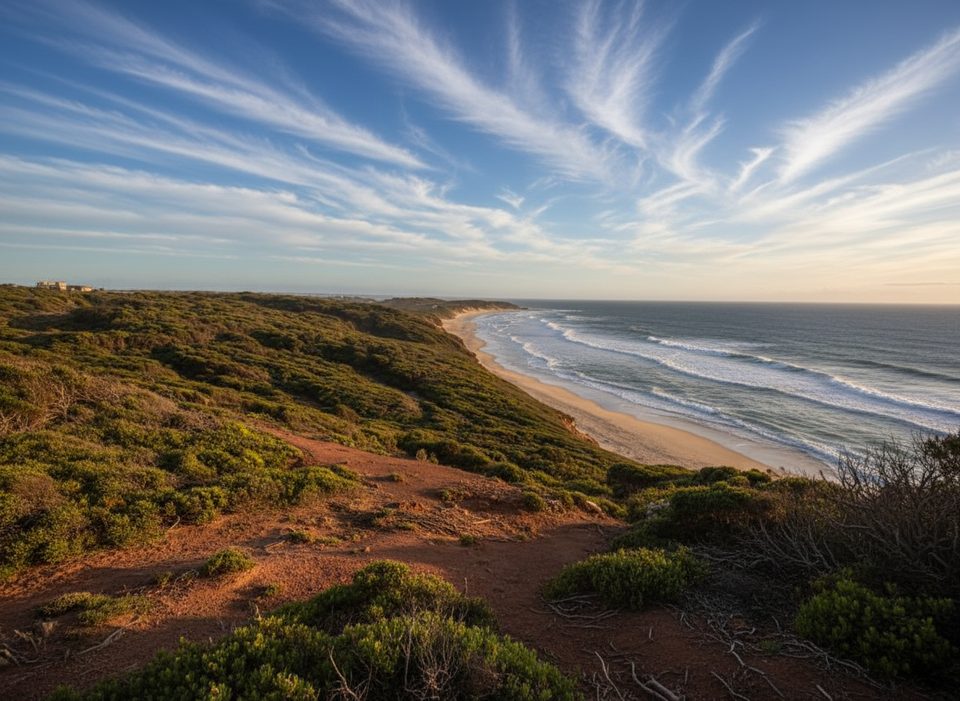
Tucked inside Great Otway National Park beside the Point Addis Marine National Park, Point Addis Picnic Area is a low‑key clifftop stop for lunch-with-a-view. Expect sweeping limestone and sandstone cliffs, sandy coves and intertidal rock platforms, with the ocean doing its wild Surf Coast thing. It’s a simple day‑use area: roll in, stretch the legs, soak up the coast, and carry on.
From nearby lookouts you get big panoramas in both directions, plus a front‑row seat to the rugged shoreline and offshore reefs. On a low tide the rock platforms light up with tide‑pool life; on a high tide, some beaches can all but disappear. In winter, scan the horizon for passing whales.
Short, signed tracks fan out from the car parks to lookouts including Point Addis and Jarosite Headland. For something with a story, the 2 km Koorie Cultural Walk loops through coastal scrub with interpretive signs about Wadawurrung culture and visible middens. Longer options connect into the Ironbark Basin and sections of the Surf Coast Walk. Beach access involves stairs.
This coastline is rich in life above and below the water. The adjacent marine park protects kelp forests, sponge gardens and unique rhodolith beds formed by coralline algae. Shore and sea birds are regulars, and from May to September you’ve got a shot at spotting Southern Right, Blue and even Orca from the headlands. Keep an eye out for Australian Fur Seals offshore, and on land you’ll notice the neat cone‑shaped diggings of echidnas and long‑nosed bandicoots along the tracks—watch your footing at dawn and dusk.
This is a great spot for picnicking, short coastal walks and lingering at the lookouts. Confident water users explore tide pools or dive/snorkel the reefs within the marine park, but swimmers should be cautious—conditions are unpatrolled and currents can be strong. Nearby surf breaks like Bells Beach and Southside are for experienced riders only; Addiscot Beach is a calmer wander.
Autumn (March–May) brings mild weather and often calmer seas—ideal for walks and picnics. Summer serves up classic beach days but also the biggest crowds; weekends and public holidays late morning through mid‑afternoon are busiest. For photography, aim for golden hours when the cliffs glow; for whales, visit May–September. Weekdays are reliably quieter year‑round.
There are toilets and car parks, but no food vendors or water—pack your own and take all rubbish with you. Coastal conditions change quickly; check current advisories before you go. Tides and swell can govern beach access and tide‑pooling windows.
Place · 0 mi away
Place · 0.3 mi away
Place · 2.1 mi away
Place · 2.5 mi away
Easy · 5.4 mi away
Moderate · 20.1 mi away
Moderate · 20.1 mi away
Moderate · 20.1 mi away

Parkwolf Tour Guide
