Bells Beach

Iconic surf break with cliff-top views
Bells Beach, Great Ocean Road
InsideGreat Ocean Road

Overview

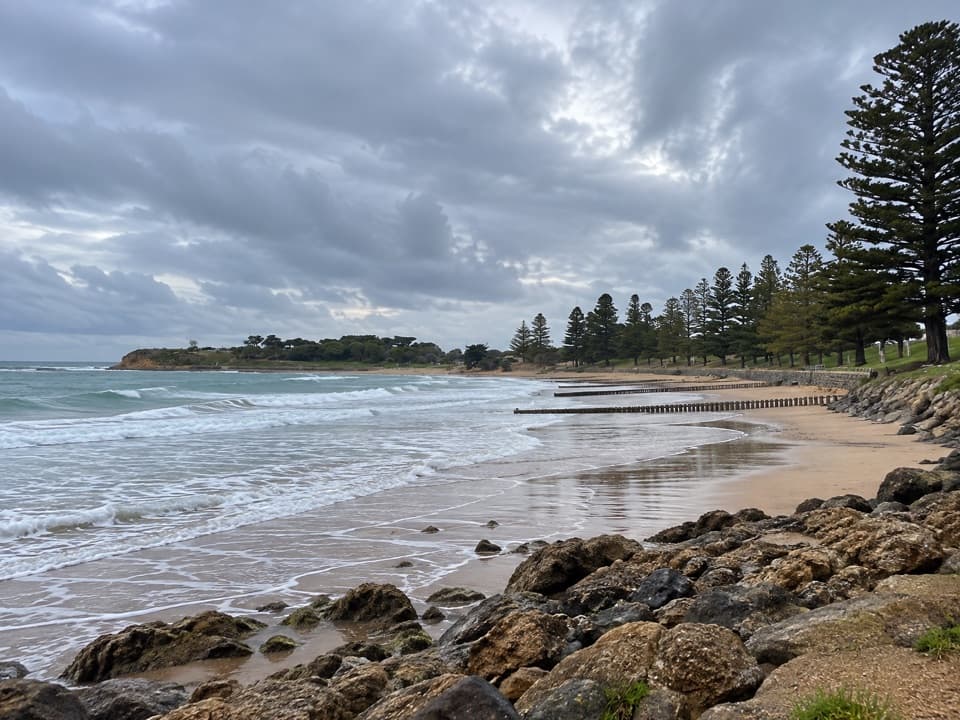
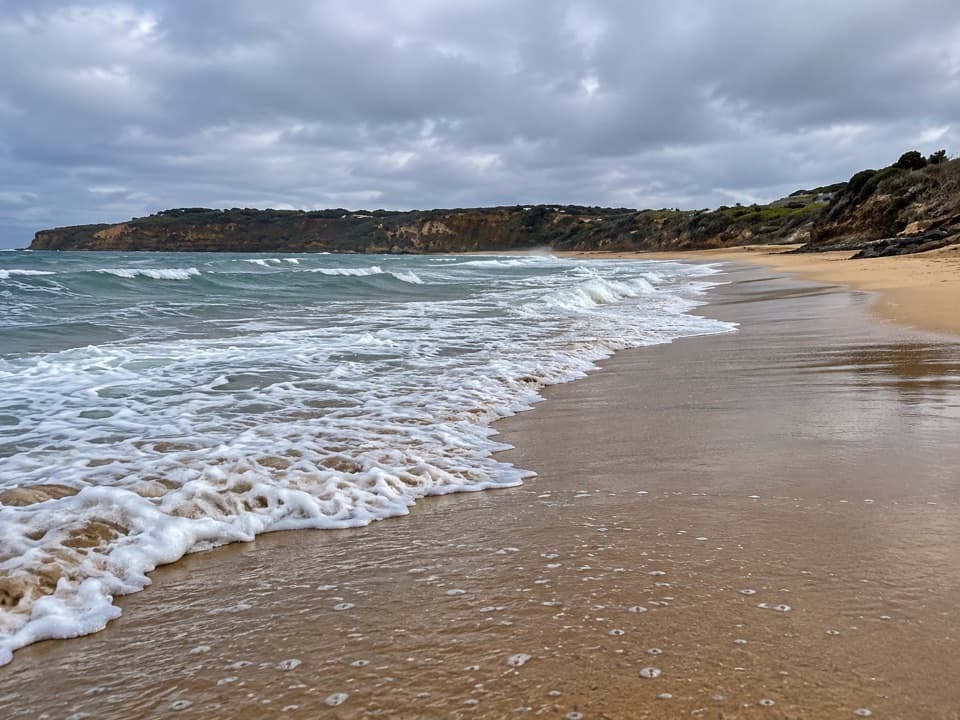
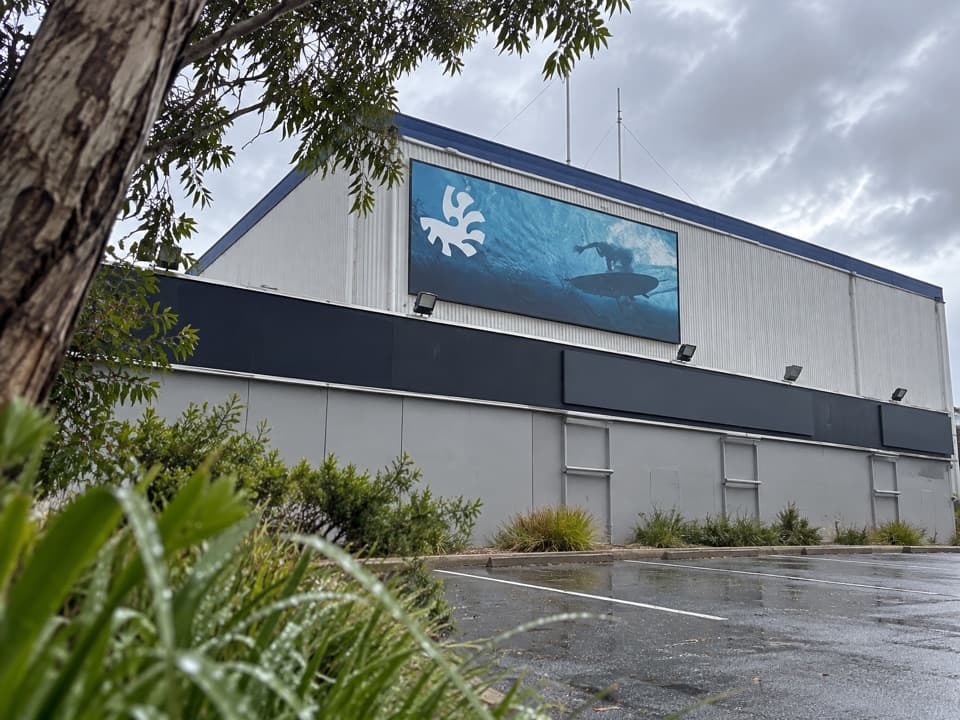
Bells Beach (Djarrak) is the iconic surf heartland just southwest of Torquay. It’s the world’s first designated Surfing Recreation Reserve (1971) and, since July 1, 2024, it’s managed by the Great Ocean Road Coast & Parks Authority. Expect raw coastline, big ocean energy, and easy vantage points to watch skilled surfers put on a show.

What You’ll See

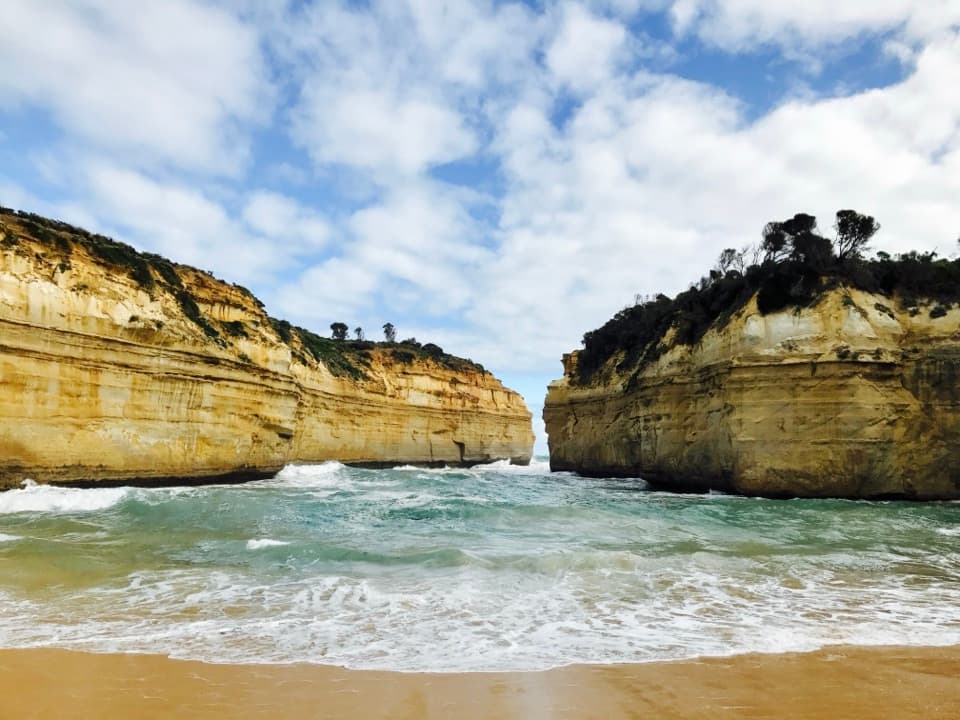
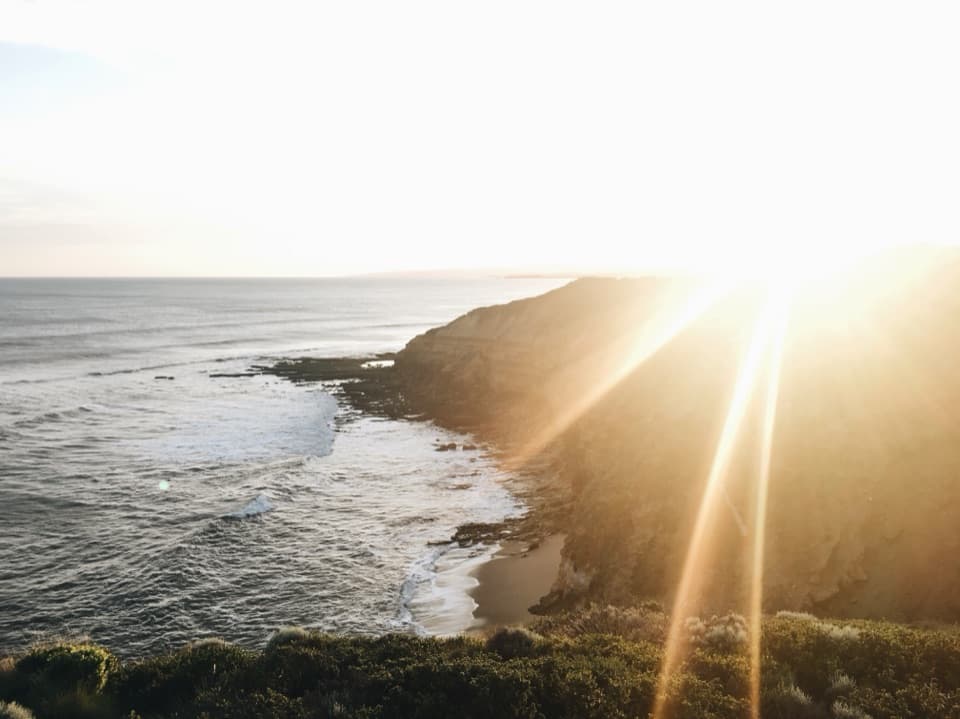
Steep ochre cliffs frame a wide, sand-and-reef amphitheater with several named breaks—Winki Pop, Southside, and Steps among them. Lookouts near the main car parks put you right above the action, and staircases drop to the beach for closer views.

Surfing and Events

Bells hosts the Rip Curl Pro around Easter each year, the longest‑running professional surfing event on the planet. On event days, the precinct buzzes: crowds surge, car parks fill, and traffic controls kick in. If you’re here for the spectacle, it delivers; if you want a quiet coastal moment, pick a non‑event day.

Facilities & Access

You’ll find multiple clifftop car parks at Bells and nearby Winkipop, public toilets, signed lookouts, and stair access to the beach. Parking is free as of now; proposals elsewhere in the region haven’t included Bells—always check current signage on arrival. Dogs are permitted on‑lead only within the reserve.

Walks, Nature & Protections

The Surf Coast Walk threads right through Bells, linking Bird Rock to Point Addis with big ocean views from well‑formed paths and short spur tracks to lookouts. Offshore waters sit within/adjacent to Point Addis Marine National Park—a strict no‑take zone, so no fishing or collecting. Keep an eye out for dolphins or the odd seal offshore; on land, the reserve supports rich coastal vegetation and 80+ bird species, including the elusive Rufous Bristlebird. Please stick to signed tracks and respect cultural sites.

Geology Snapshot

Those banded cliffs expose the Jan Juc Formation—Late Oligocene marine marls and calcarenites from an ancient shallow sea. This coastline is a known fossil area, with notable finds (including early baleen whales) recorded between Jan Juc and Bells Headland.

Best Time to Visit

  • For pro‑level surfing action, target the Easter period when the Rip Curl Pro usually runs—arrive early as parking is managed and crowds are heavy.
  • For a calmer experience and easier parking, aim for non‑event days; lookouts at Bells and Winkipop are a short stroll from the car parks.

Essentials

Swimming is not recommended here—it’s exposed, unpatrolled, and rip‑prone. If you want a safer dip, choose patrolled beaches around Torquay or Anglesea.

Pros

  • World‑famous surf break with cliff‑top lookouts for spectators
  • Multiple car parks, toilets, and signed stairs to the sand

Cons

  • Unpatrolled with strong rips—swimming is not recommended
  • Crowded with traffic controls during the Rip Curl Pro

Tips

  • Time your visit for Easter if you want to see the Rip Curl Pro in action.
  • For fewer crowds and easier parking, come on non‑event days.
  • Use the signed stairs and tracks—dune systems and cultural sites are sensitive.
  • This shore is within/adjacent to a no‑take marine park—no fishing or collecting.
  • Keep dogs on‑lead within the reserve; penalties apply for off‑lead pets.
The Parkwolf tour guide sitting on a phone mounted in a car

Parkwolf Tour Guide

Like a tour guide in your car.

Save the places you found around Great Ocean Road, then let Parkwolf guide the drive between them.Download Parkwolf on the App Store