
Place · 0.3 mi away
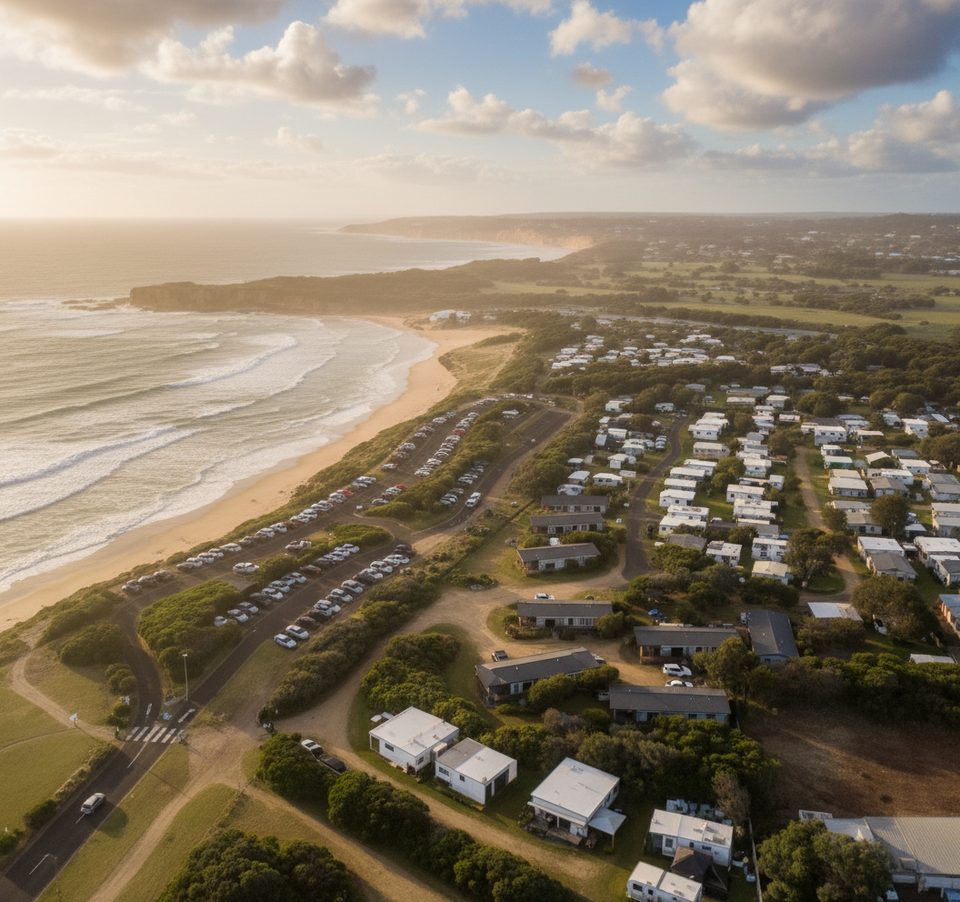
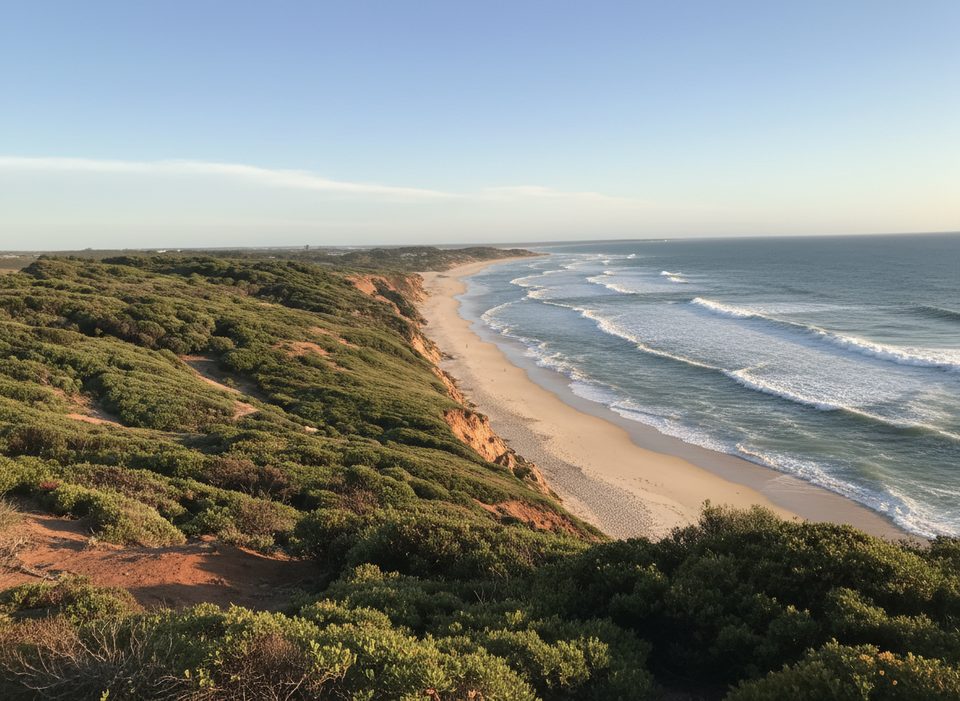
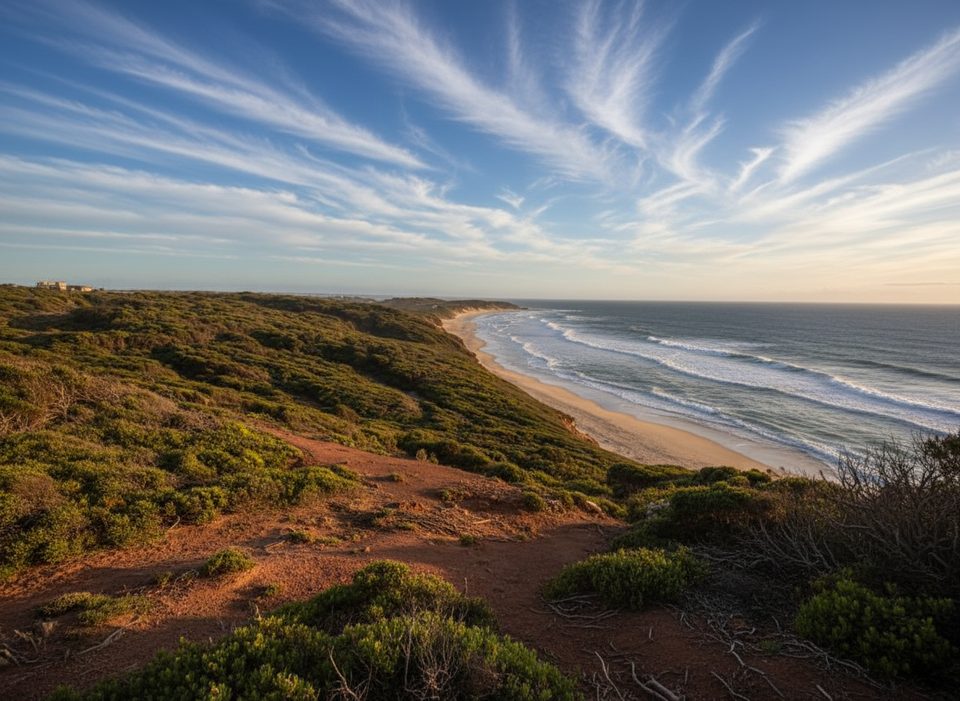
Point Danger crowns the headland between Torquay and Jan Juc, anchoring the Point Danger Marine Sanctuary. It’s a quick, easy wander to a clifftop lookout with big Southern Ocean views and a front‑row seat to the reef platform below. The protected sanctuary spans about 21.7 hectares and extends offshore roughly 600 m east and 400 m south; most of it is shallow (under ~7 m) with limestone reef, rock platforms, and soft sands.
From the lookout, scan the reef shelves and sand patches—this spot is famous for intertidal life. Expect lush seaweed gardens, Neptune’s Necklace (Hormosira banksii), seagrass (Amphibolis antarctica) in sheltered pockets, keyhole limpets, crabs, mussels, banded brittle stars, and even eagle rays cruising the sand. The area is a nudibranch hotspot with an impressive recorded species list. In season, keep an eye offshore for passing Southern Right Whales.
This is a no‑take marine sanctuary: no fishing or collecting, and please don’t disturb or remove rocks, plants, or animals. Tread lightly—avoid fragile patches and leave everything as you found it.
This coast gets frequent southerly and south‑westerly swell. Wear sturdy, grippy footwear on the reef, watch for rogue waves, beware currents and undertow, and keep clear of cliff edges. Don’t get stranded by a rising tide. Dive only if trained and well within your limits. Expect cool water—even in summer a wetsuit helps.
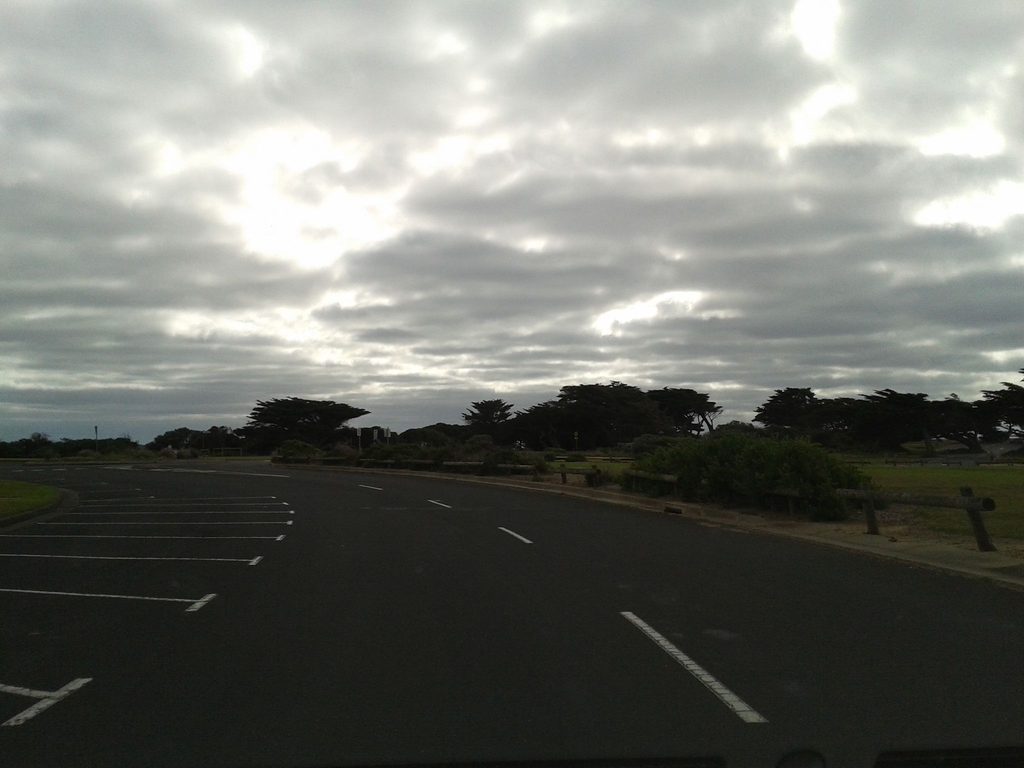
There’s car parking at/near the lookout. Bring water plus sun and wind protection; the headland can feel wild even on fine days.
Aim for low tide to see the rock pools at their best. Summer and other calm spells suit snorkelling; bigger winter swells deliver the most dramatic lookout views.
Place · 0.3 mi away
Place · 0.4 mi away
Place · 0.5 mi away
Place · 0.9 mi away
Easy · 0 mi away
Moderate · 25.4 mi away
Moderate · 25.4 mi away
Moderate · 25.4 mi away

Parkwolf Tour Guide
