Lake Elizabeth

Drowned-forest lake where early birds spot platypus
Lake Elizabeth, Great Otway National Park
InsideGreat Otway National Park

Overview

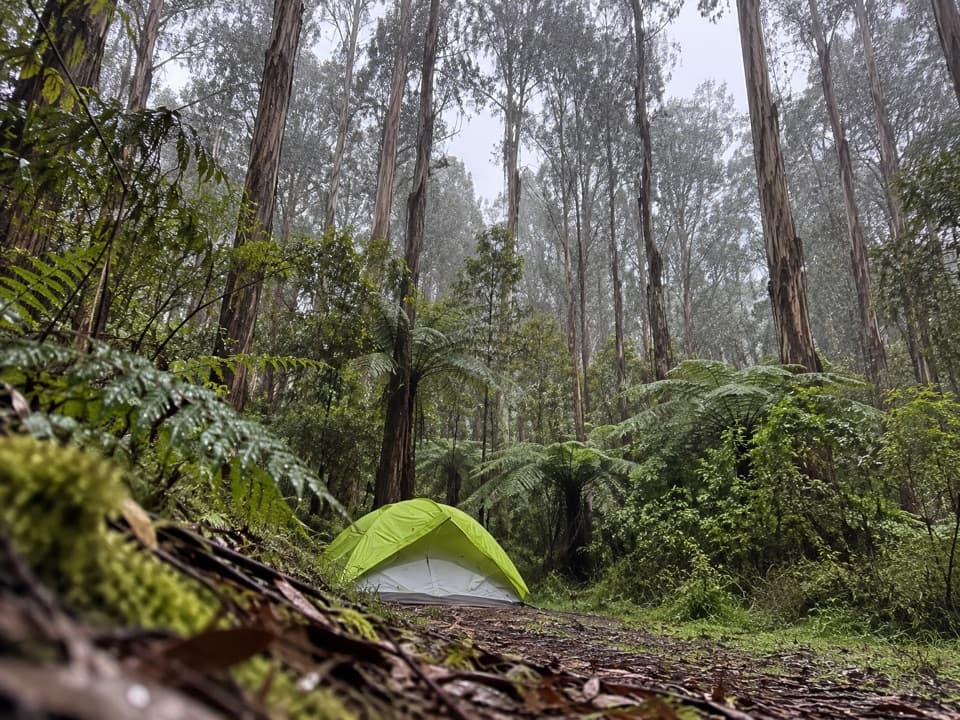
A still, green lake ringed by tall eucalypts and giant tree ferns, Lake Elizabeth has a unique “drowned forest” look—upright trunks left standing after a mid‑20th‑century landslip flooded the valley. It’s quiet, atmospheric, and feels wilder than its easy access from the town of Forrest.

What You’ll See

  • Glassy reflections and those eerie, sculptural dead trees poking through the water.
  • Birdlife along the shore—keep an eye out for Satin Bowerbirds, Superb Fairy‑wrens, Eastern Yellow Robins, and Grey Shrike‑thrush.
  • Benches and occasional lookouts spaced around the loop for lingering with a thermos and a view.

Wildlife Highlights

Platypus live here, and your best chance to spot them is right on first light or again at dusk. Settle in quietly and watch for ripples and a low wake on the surface. After dark, glow‑worms sometimes sparkle along damp banks beside the track—use very low, red light and avoid shining directly at them.

Activities

  • Lake Elizabeth Loop: roughly 4.5 km and typically 1.5–2 hours, with short steep pinches and uneven, sometimes muddy surfaces.
  • Canoeing/kayaking: a calm way to drift among the trunks and improve wildlife sightings.
  • Birdwatching: the valley rewards slow walking and frequent stops.

Logistics

Day‑use parking and toilets (ablutions) are available at the trailhead. Dogs are permitted on‑lead on the Lake Elizabeth Walk and in the nearby campground. Expect deep water close to the lake edge and stay on the formed track; snakes, falling limbs, and European wasps are possible hazards. Mobile coverage is patchy.

Getting there: it’s about a 10‑minute drive from Forrest along Kaanglang Road to the day‑use area.

Campground Note

Lake Elizabeth Campground (near the trailhead) will be closed for upgrades from January 27, 2026 to March 31, 2026. Day‑use areas, toilets, and the walk remain open during this period.

Best Time to Visit

Aim for early morning or late afternoon: softer light for photos, quieter trails, and prime platypus hours. Weekdays are typically calmer than weekends. After rain and in winter the track can be slick—wear grippy footwear and allow extra time.

Pros

  • One of the best places to see platypus at dawn or dusk
  • Haunting drowned-forest scenery formed by a natural landslip

Cons

  • Track has some steep, muddy sections after rain
  • Mobile reception is poor

Tips

  • Be lakeside at first light or dusk for the best platypus chances—bring binoculars and sit quietly.
  • Wear grippy shoes; sections are steep and get muddy after rain, and leeches are possible in wet gullies.
  • Navigate to the signed day‑use car park rather than the lake pin to avoid closed or incorrect roads.
  • If looking for glow‑worms, use a dim red torch and avoid shining directly at them.
  • Traveling between Jan 27–Mar 31, 2026? The campground is closed—line up alternatives.
The Parkwolf tour guide sitting on a phone mounted in a car

Parkwolf Tour Guide

Like a tour guide in your car.

Save the places you found around Great Otway, then let Parkwolf guide the drive between them.Download Parkwolf on the App Store