
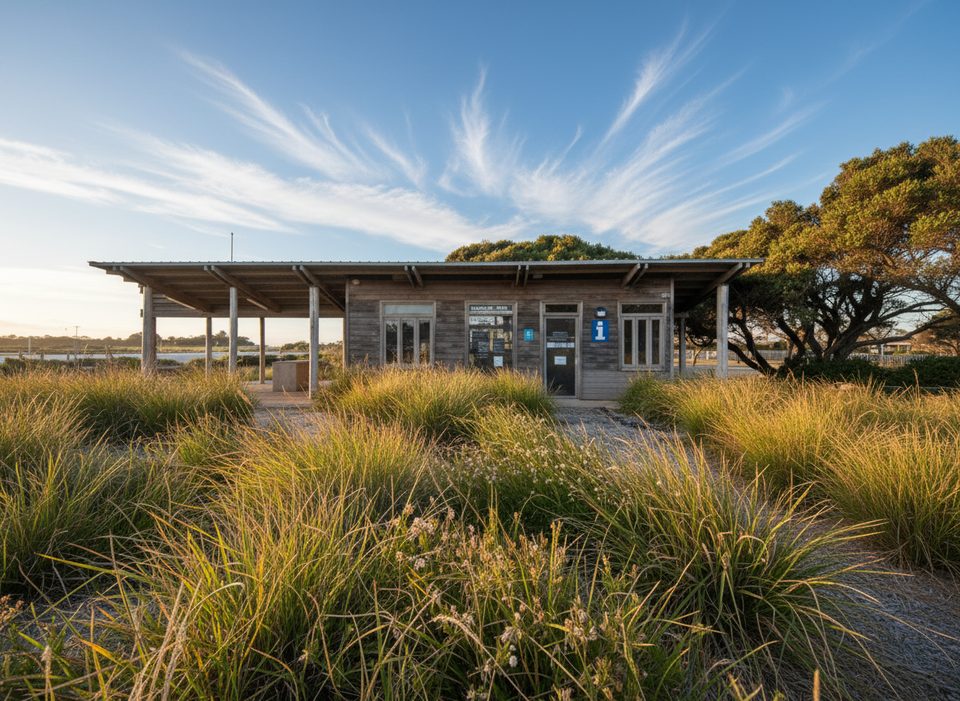
Place · 3.7 mi away
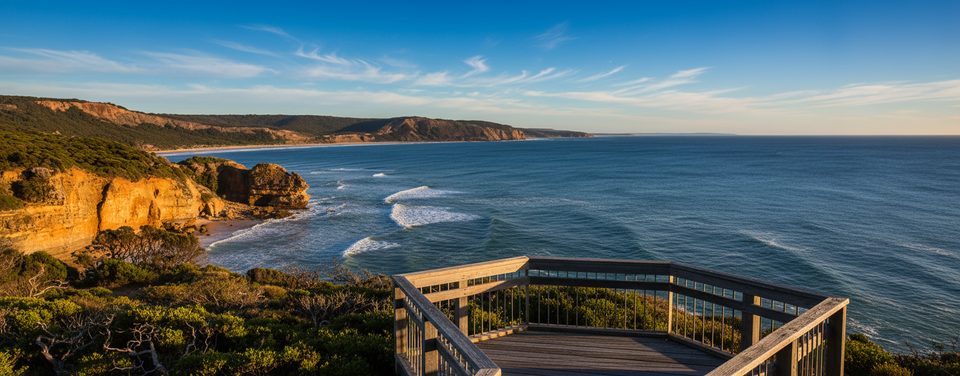
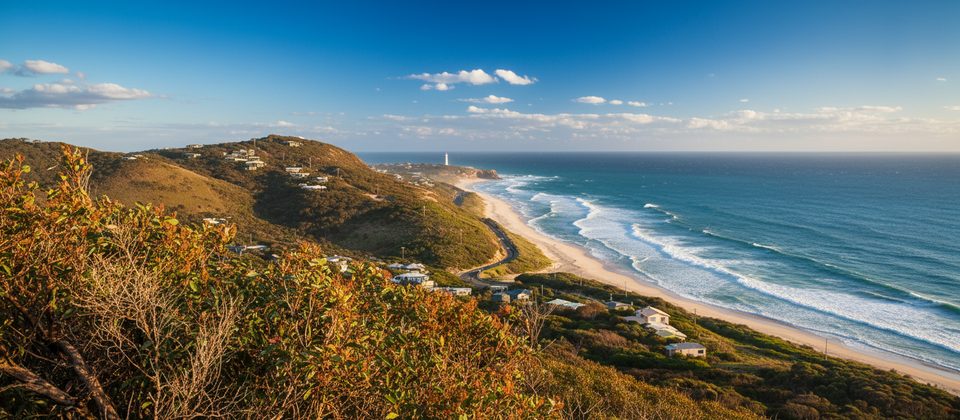
Perched above the Surf Coast between Anglesea and Bells Beach, Point Addis Lookout delivers big Southern Ocean drama—multi‑layered sandstone cliffs banded with iron and lime, long scalloped beaches, and reefs spread out below within a protected marine national park.
Scan the horizon May–October for migrating whales. Year‑round, expect seabirds riding the updrafts; lucky visitors occasionally spot dolphins or seals. In the surrounding heath, echidnas and bandicoots are around—watch for shallow diggings on tracks.
This is a no‑take Marine National Park: no fishing, no collecting, and don’t disturb marine life. On land, dogs aren’t permitted and there’s no camping. Respect cultural signage on Wadawurrung Country.
There’s car parking near the lookout, with public toilets available along the access (not right beside the platform). Beaches here are typically unpatrolled; seas and currents can be hazardous. Cliffs are unstable in places—stay behind fences.
The coast is windy and exposed—pack a shell layer even on fine days. On the rock platforms, go at low tide, wear sturdy shoes, and never turn your back on the ocean. Expect changeable weather; check Parks Victoria’s changed conditions before you go.
Open 24 hours, but sunrise and sunset bring softer light and richer cliff color, plus better odds of wildlife activity. Weekends see more midday traffic; early or late on weekdays is calmer. For water clarity and calmer days, December–May tends to be better; for whales, aim for May–October. Rock‑pooling is best at low tide.
Place · 3.7 mi away

Place · 5.7 mi away
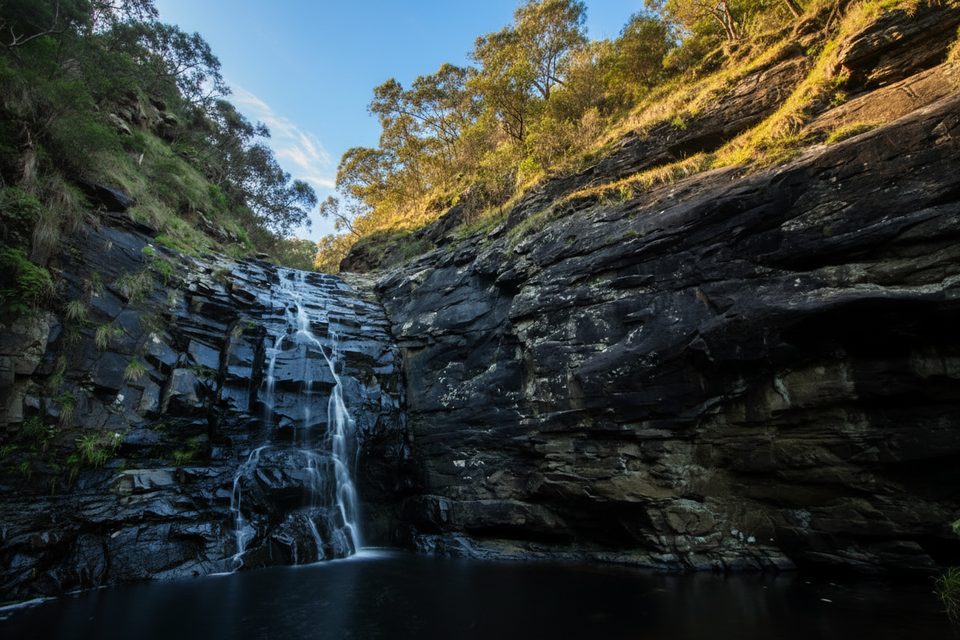
Place · 8.8 mi away
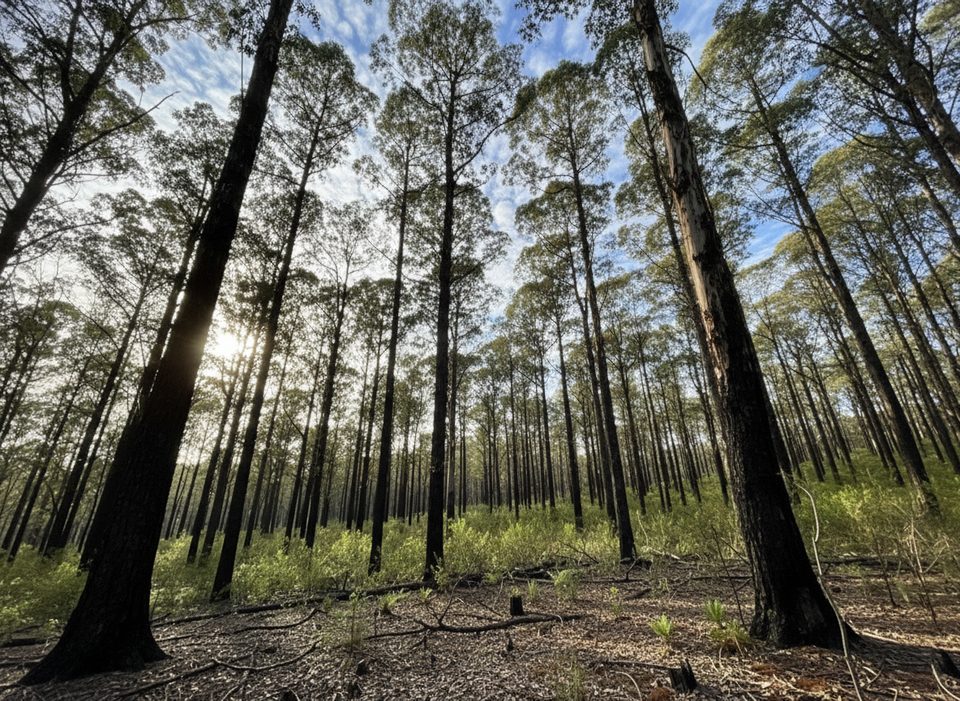
Place · 9.2 mi away
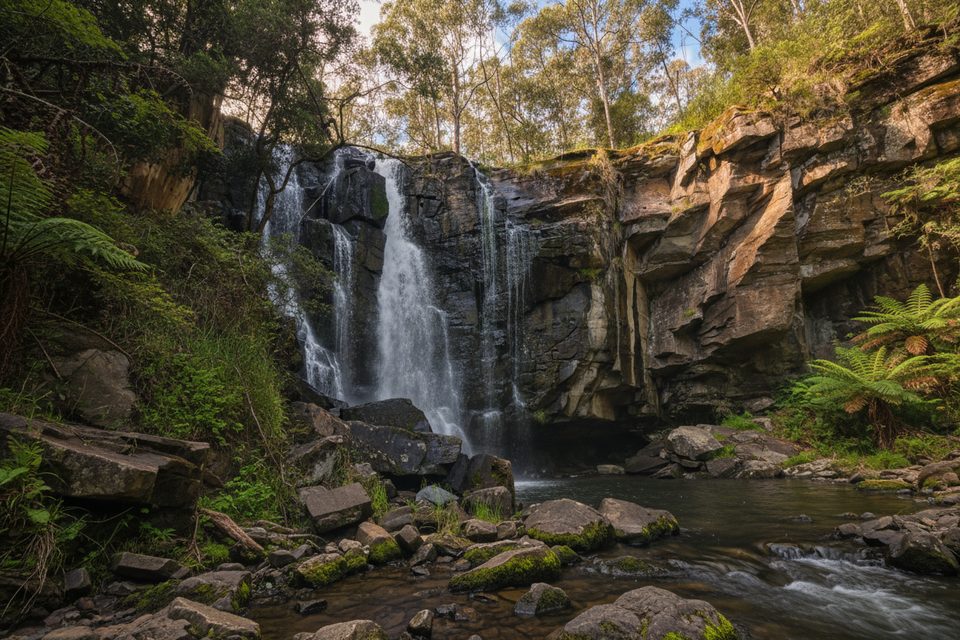
Moderate · 9.2 mi away
Easy · 11.3 mi away
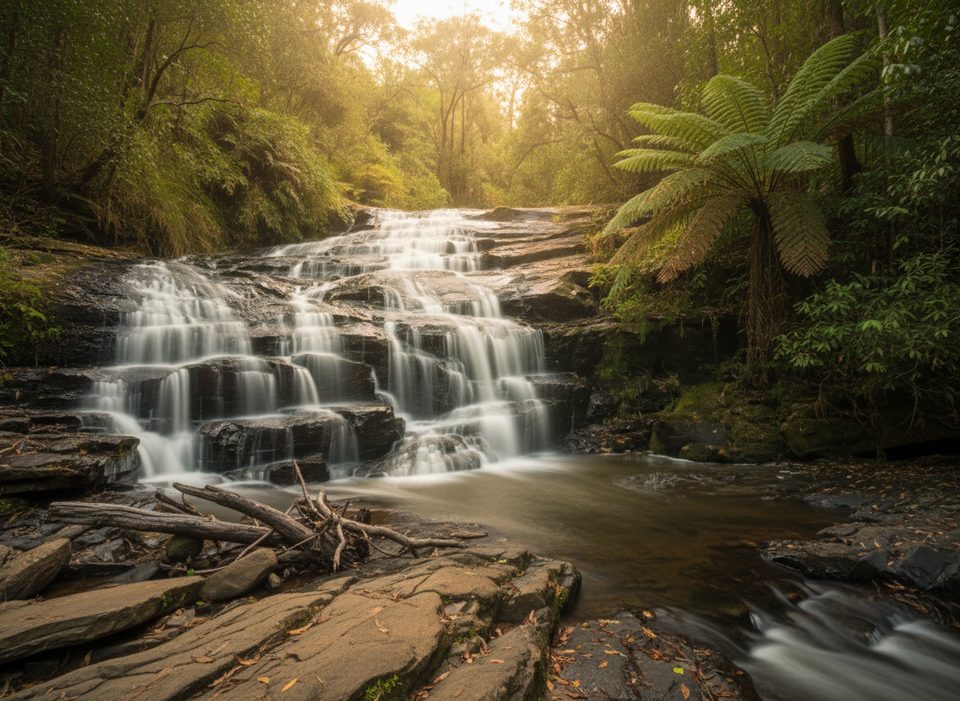
Moderate · 19.2 mi away
Moderate · 19.4 mi away

Parkwolf Tour Guide
