
Place · 0 mi away
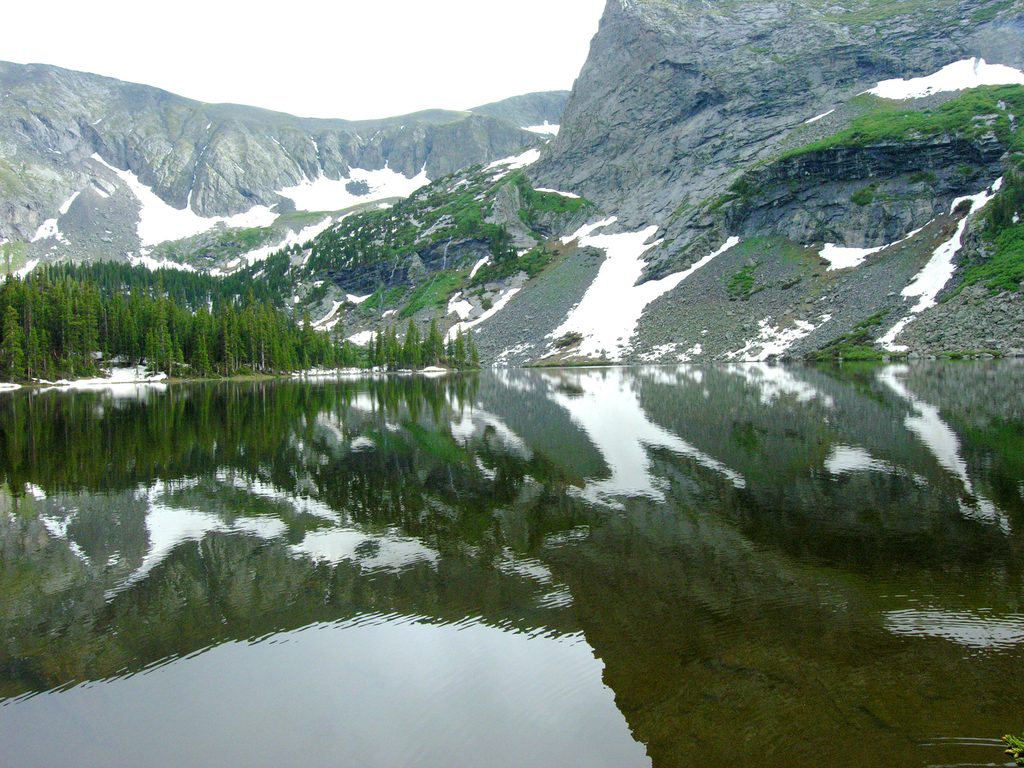
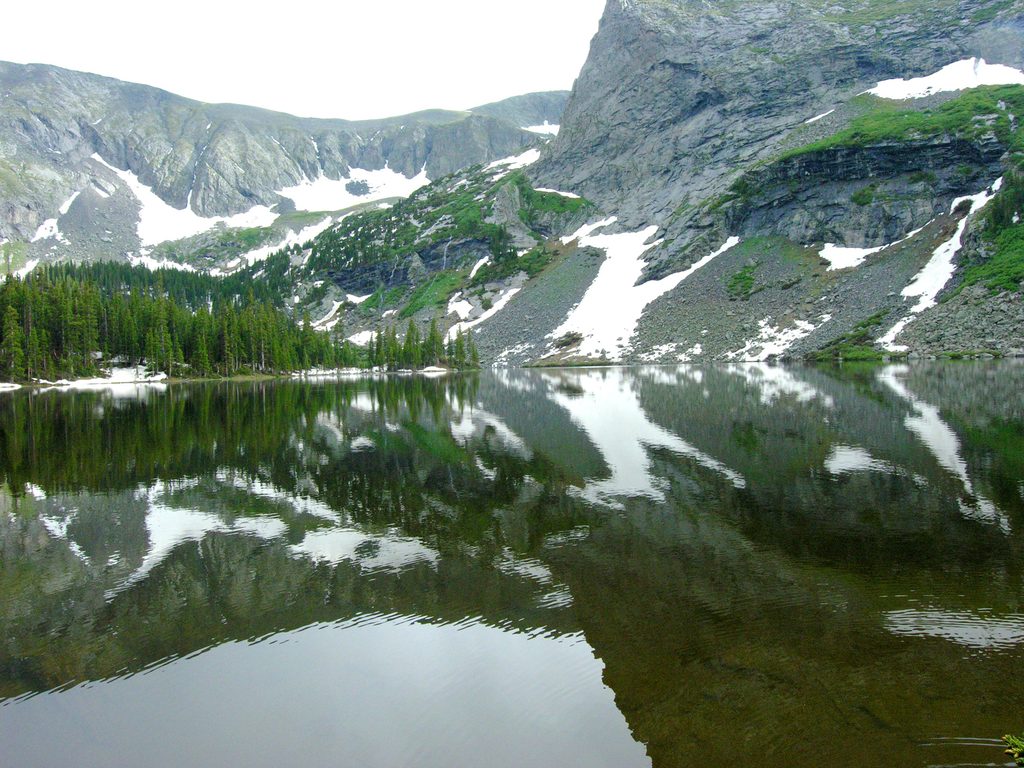
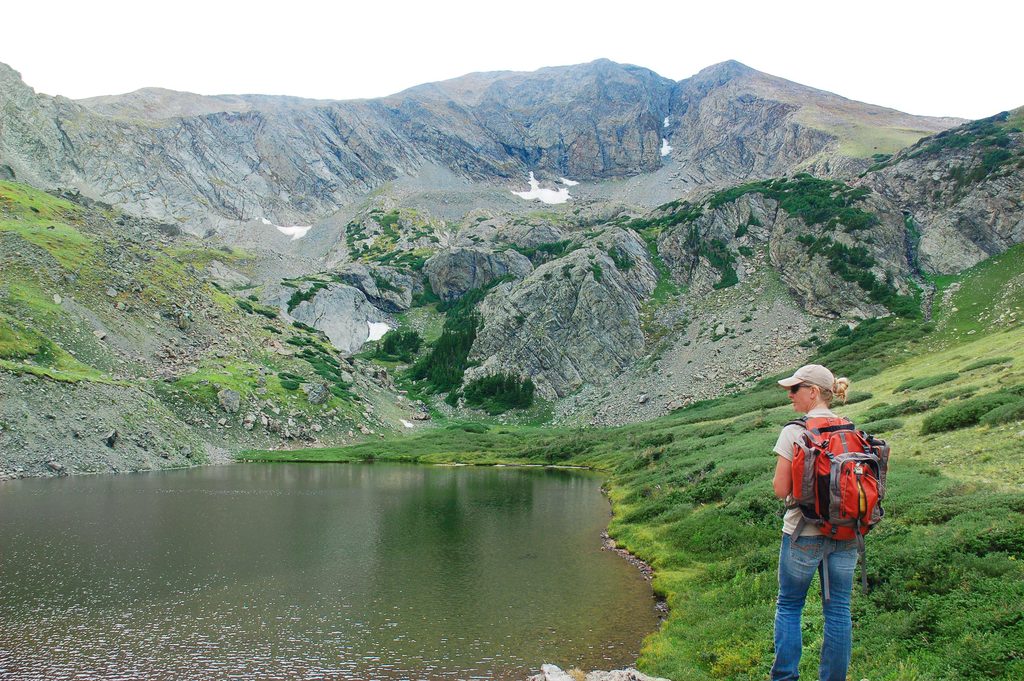
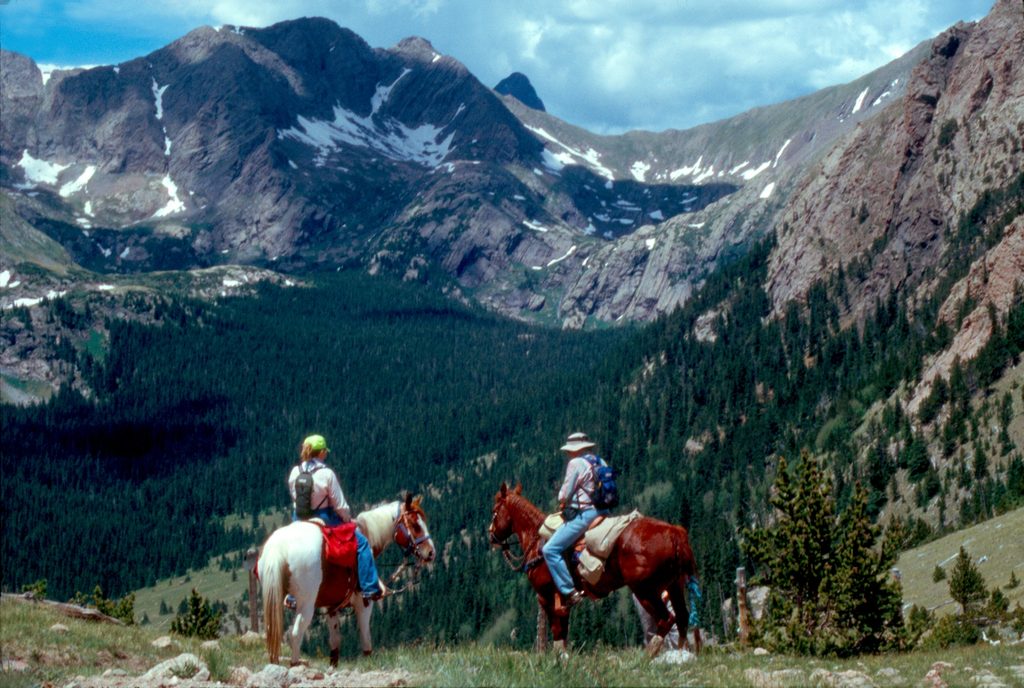
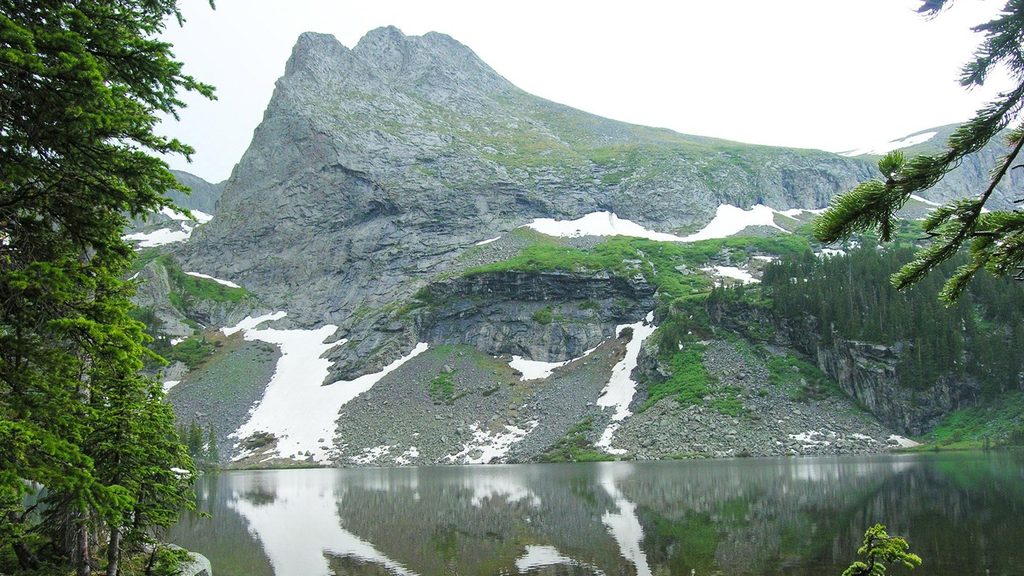
Two high-alpine gems tucked in the Preserve, Upper and Lower Sand Creek Lakes deliver big Sangre de Cristo scenery and a true backcountry feel. Expect a real workout and a full day—this is one of the park’s most rewarding but demanding outings.
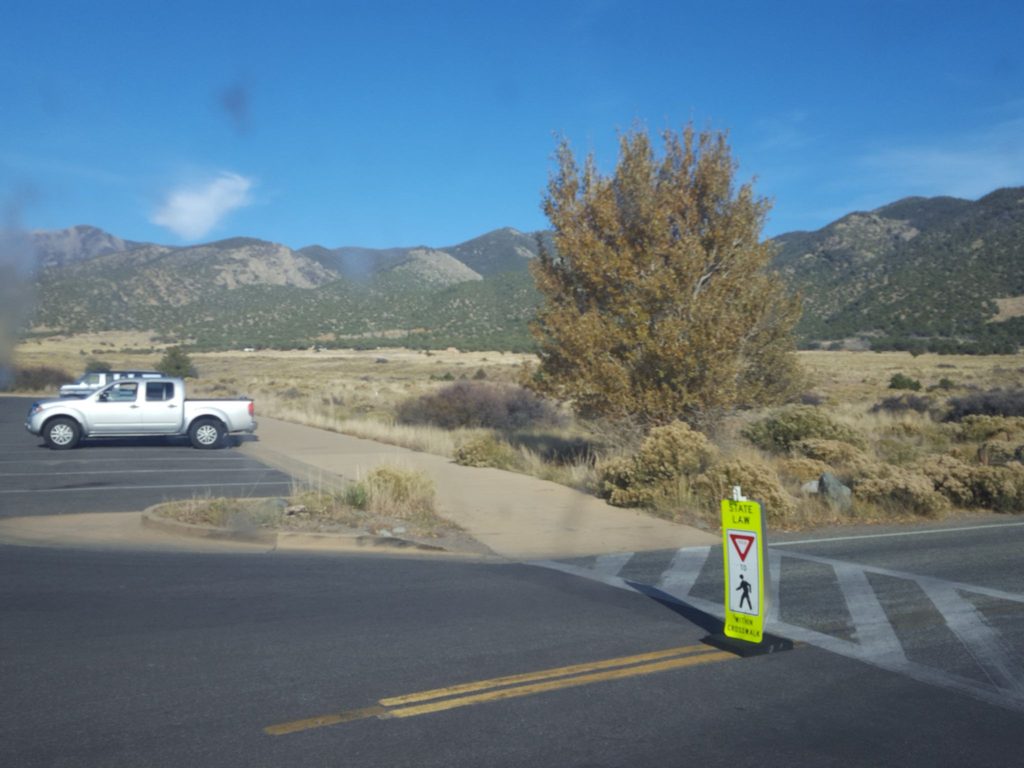
Access is via Music Pass on the east side. High-clearance 4WD vehicles can usually drive to the upper Music Pass Trailhead. If you’re in 2WD, park at the Rainbow Trail crossing; that adds 2.5 miles each way before you even reach the main trail.
From the upper trailhead it’s a steep 1 mile to Music Pass, then you’ll drop into the Sand Creek basin toward the lakes. Round-trip distances from the upper trailhead are about 8 miles to Lower Sand Creek Lake and 9 miles to Upper Sand Creek Lake, each with roughly 2,000 feet of elevation gain. Trails are steep in places and considered challenging, especially to Upper.
These lakes sit in the headwaters of the Sand Creek system—the same watershed that helps recycle sand around the dunefield. Wind pushes sand into creeks, and flowing water moves it back toward the valley floor, where wind carries it again. Standing at the lakes connects you to that wind–water loop that shapes the dunes.
Snow can block the route from roughly November into June. Mid-summer is the sweet spot—wildflowers, green basins, and lingering snowfields—but July and August bring regular afternoon thunderstorms with wind, lightning, and sudden downpours. Start early and plan to be back below treeline by early afternoon.
Expect steady climbing, high elevation, and classic alpine weather swings. Mosquitoes can be bothersome near water in warm months. There are no facilities at the lower 2WD parking area, upper trailhead, or the lakes—no toilets or potable water—so plan to carry and treat your own water and pack out all waste.
Backpacking is popular. Camp only at marked sites set back from the lakes to protect fragile shorelines. No reservations are required in the Preserve. Leashed pets are allowed in the Preserve; keep them under control and clean up thoroughly.
Entrance fees may apply; bring your pass or payment method.
Place · 0 mi away
Place · 0.9 mi away
Place · 2.5 mi away
Place · 5.7 mi away
Moderate · 2.5 mi away
Challenging · 11.9 mi away
Challenging · 11.9 mi away
Easy · 12.9 mi away

Parkwolf Tour Guide
