Overview
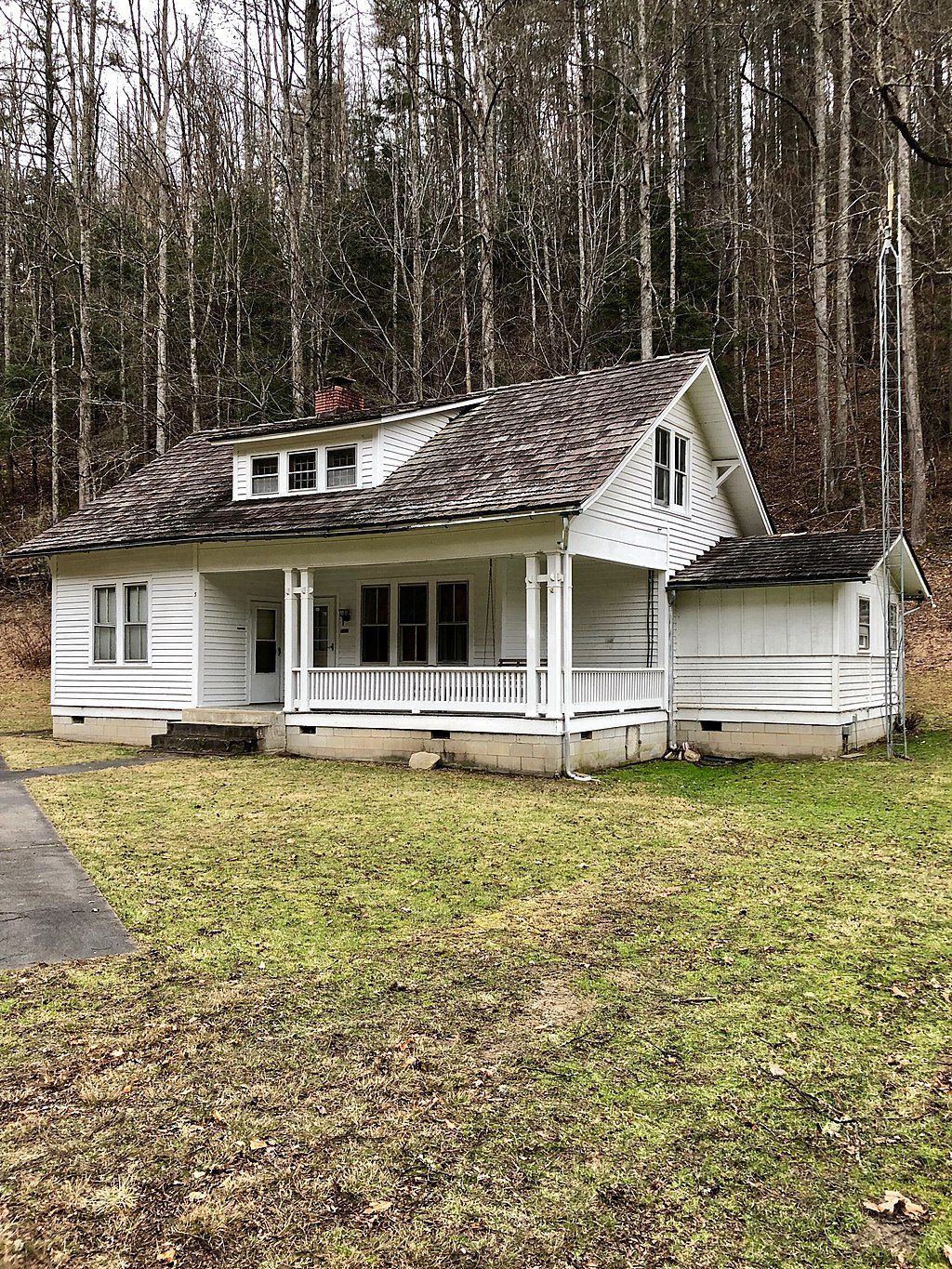
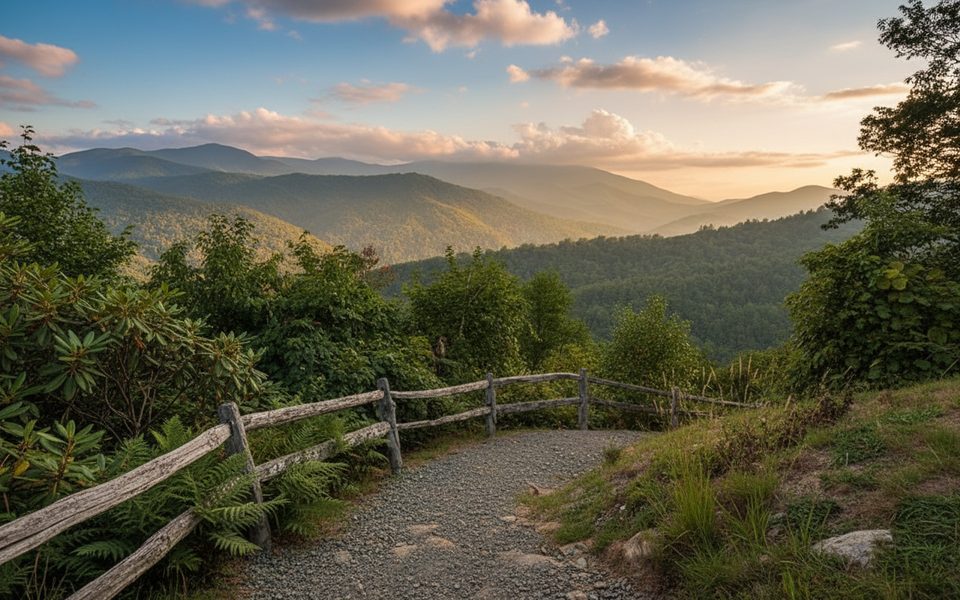
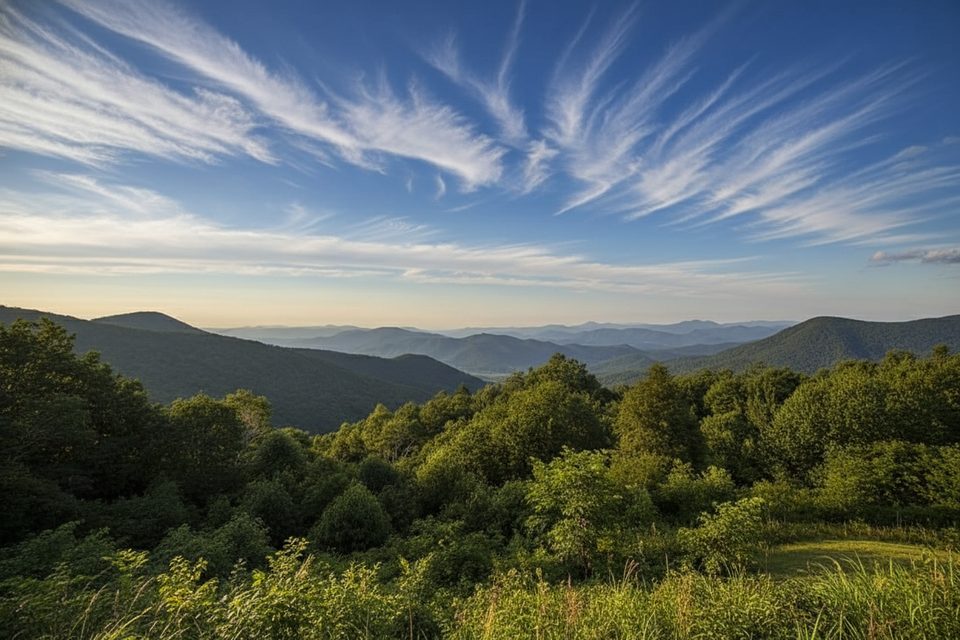
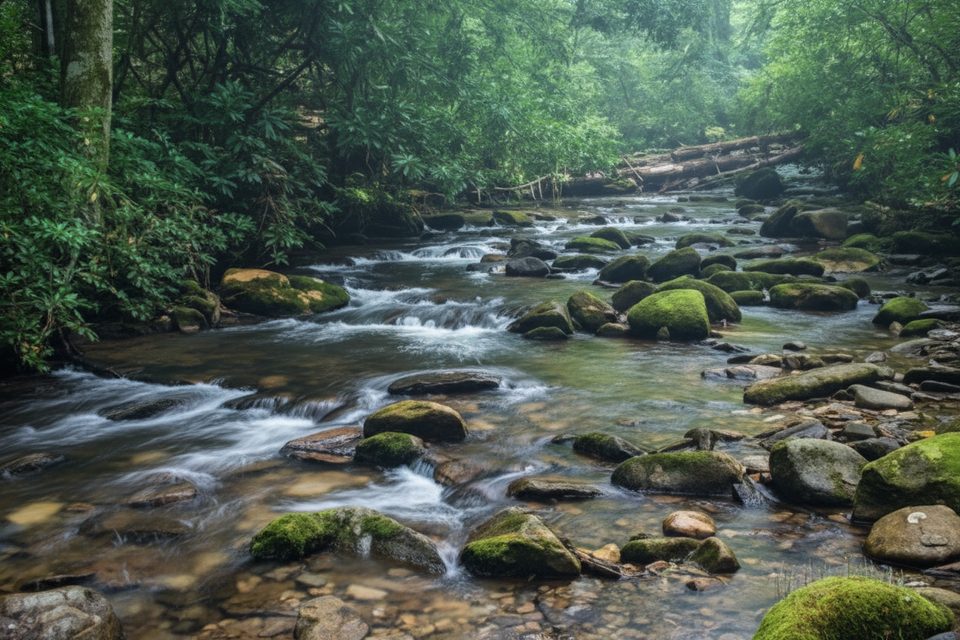
Cataloochee Valley is the park’s quieter time capsule: broad meadows where elk graze, creeks drift past split-rail fences, and a string of historic buildings hints at the bustling mountain community that stood here before the park. It feels like Cades Cove with fewer cars and more elbow room.
Current Conditions & Closures
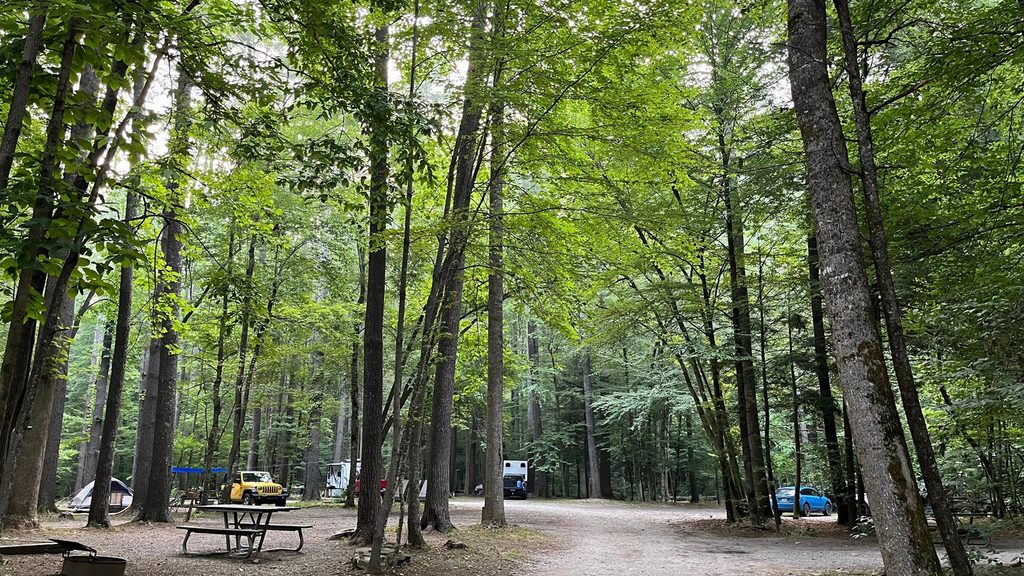
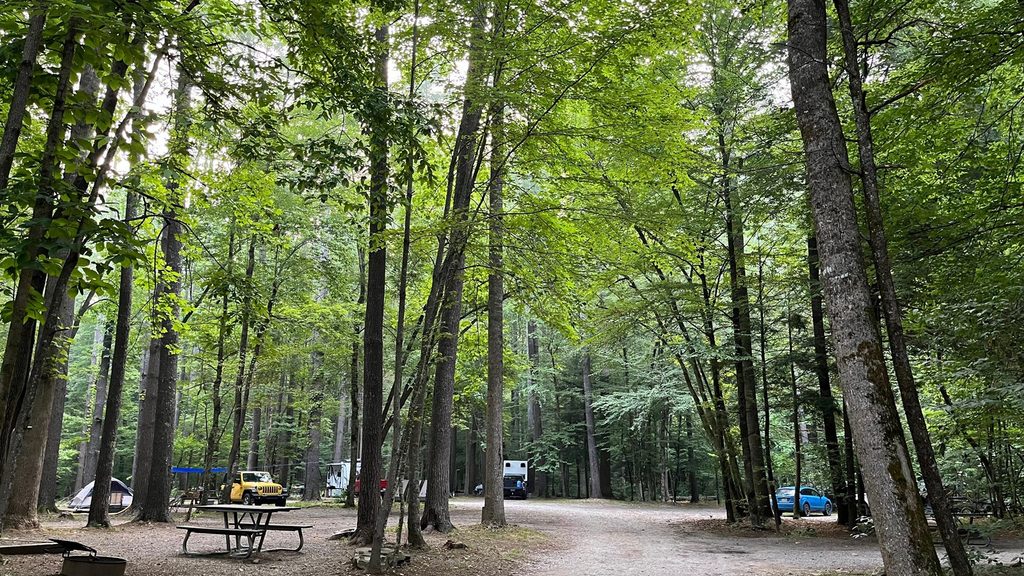
Flooding from late 2024 hit Cataloochee hard, and the park has been repairing roads, trails, and historic sites. Portions of the valley reopened in early spring 2025 after crews cleared extensive debris and refreshed road surfaces, but some facilities and areas remain closed as work continues. Notably, the Cataloochee campground, group camp, and horse camp are not scheduled to open in 2025. Always check the park’s current conditions and trail-closure updates before you commit to the drive.
What You’ll See
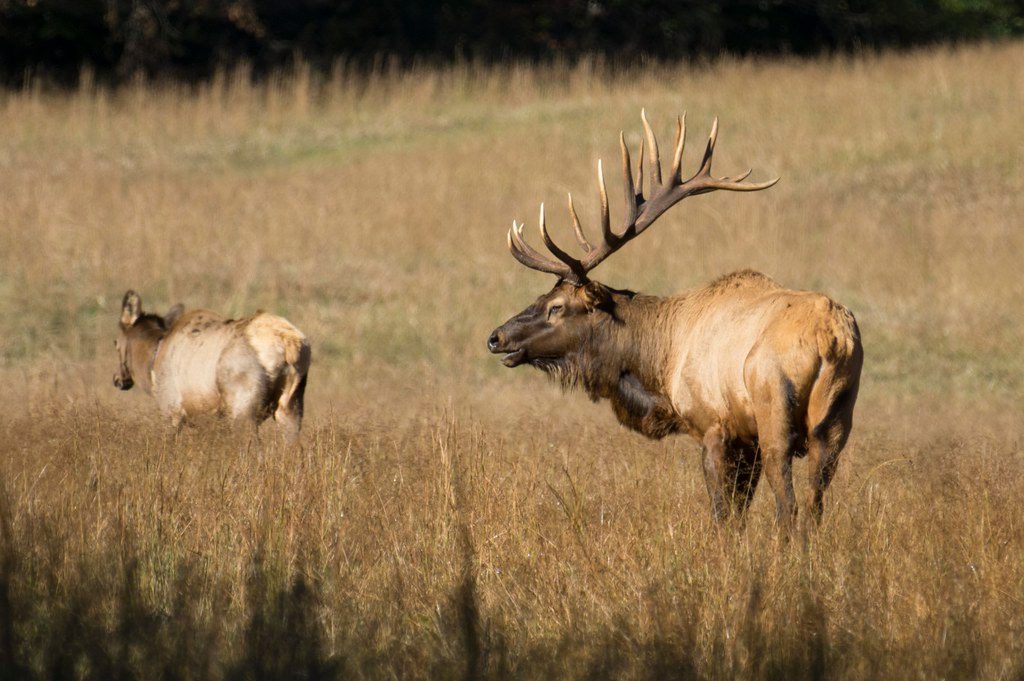
- Wildlife: Elk are the headline. Expect your best chance around sunrise and sunset, with decent odds on cloudy days too. You might also spot wild turkey or deer along the meadow edges.
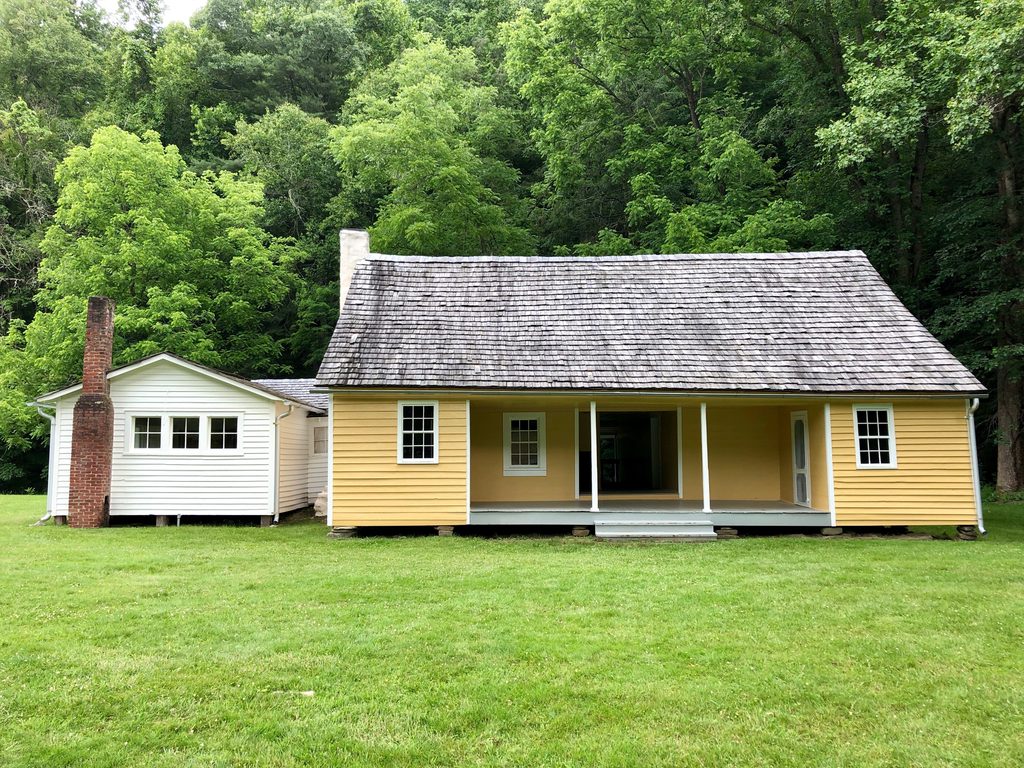
- History: Churches, a schoolhouse, barns, and homesteads line the valley floor. Several are right off the road, and others tie into nearby trails like Little Cataloochee.
Elk Viewing Tips
- Timing: Arrive 30–45 minutes before sunrise or plan for the last 1–2 hours before sunset. Calving happens late May through June (cows can be defensive). The fall rut (mid‑September–October) brings bugling and sparring—spectacular but give extra space.
- Where to look: Scan the open meadows along Cataloochee Creek and near the historic buildings; watch the meadow edges at first and last light.
- Bring optics: Binoculars or a telephoto lens dramatically improve the experience.
Safety & Wildlife Etiquette
- Keep at least 50 yards (150 feet) from elk—more during calving and the rut. Stay on roadsides; don’t enter fields. Never feed wildlife. Use your car as a blind and let them be the ones to approach or move on.
Getting There & Road Reality Check
The entrance road is narrow, winding, and partly gravel with steep drop-offs and no guardrails. Expect tight two‑way passing, occasional backing up to yield, and little to no cell service. GPS can be unreliable—have a map and patience. Go slow, and you’ll be fine.
Services (or Lack Thereof)
There are no gas stations, stores, or restaurants in the valley. Fuel up beforehand, bring snacks and water, and make your last restroom stop before you turn off the highway. Day‑use vault toilets may be available in the valley when open, but water is not guaranteed.
Best Time to Visit
- Days of week: Weekdays feel notably calmer than weekends, especially at dawn.
- Seasons: Spring and summer bring frequent meadow grazing; late May–June is calving (keep your distance). Fall rut is dramatic and popular. Winter sightings are spottier as elk tuck into the woods.
- Photography: Golden light at sunrise/sunset is the sweet spot; bring a 200–400mm lens if you can.
A Simple Half‑Day Plan
- Pre‑dawn: Ease in with the early light and glass the main meadows.
- Mid‑morning: Stroll the open historic sites and picnic by the creek.
- Late afternoon: Set up along a meadow edge for the evening graze and head out before full dark to avoid white‑knuckle night driving.