Cataloochee Campground

Remote valley campground for elk, creeks, and quiet nights
Cataloochee Campground, Great Smoky Mountains National Park
InsideGreat Smoky Mountains National Park

Overview

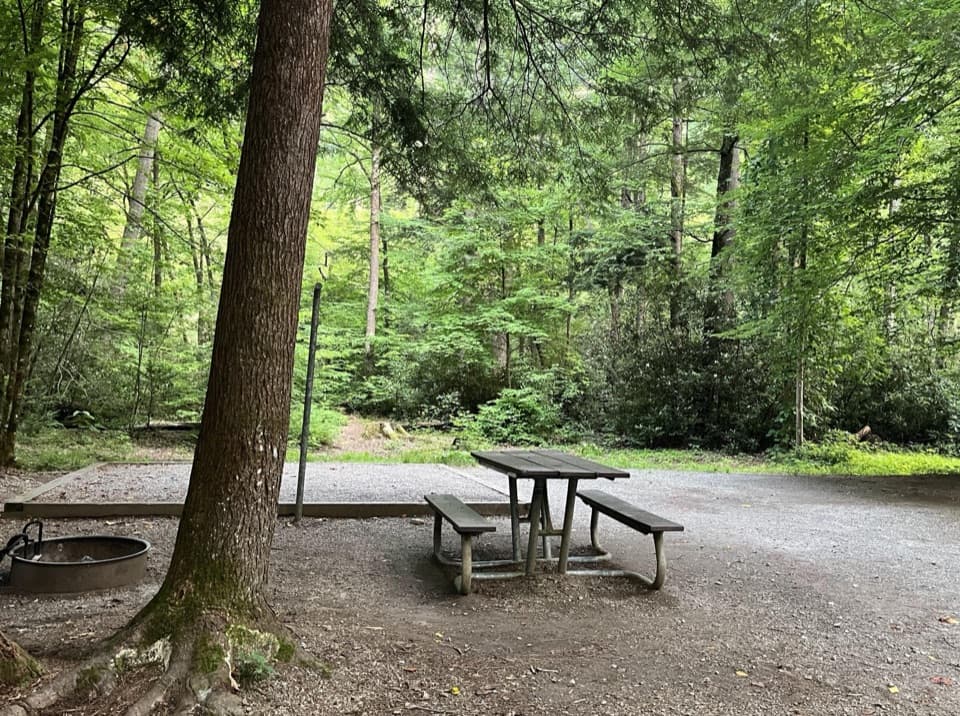
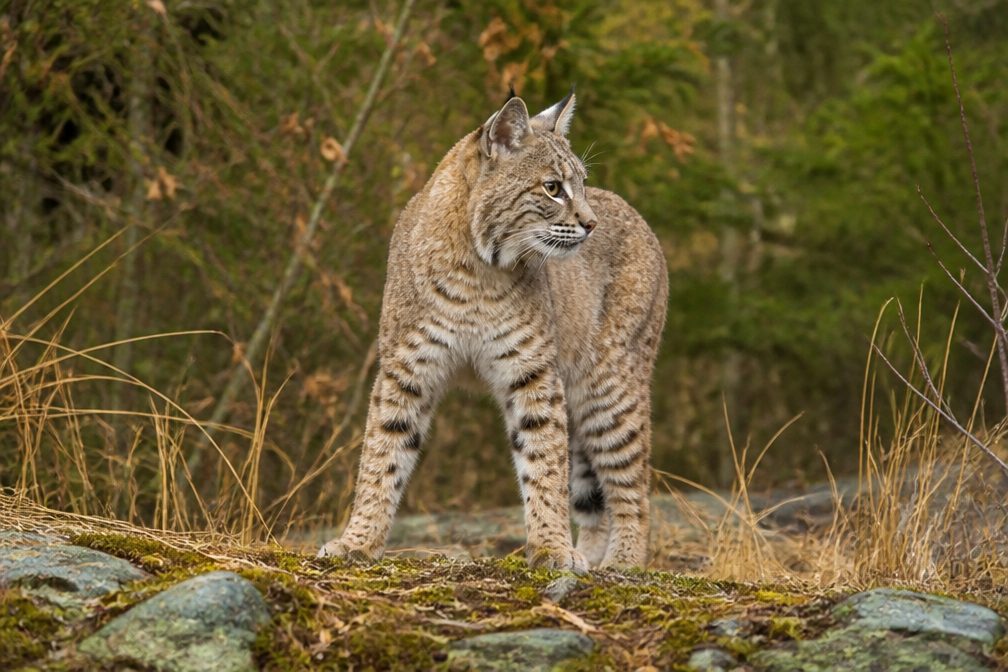
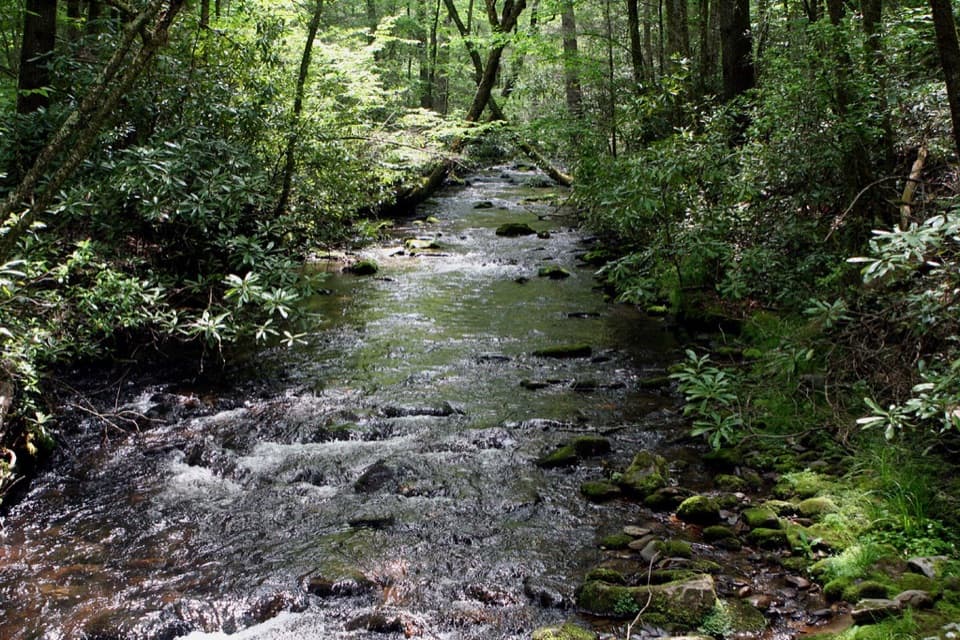
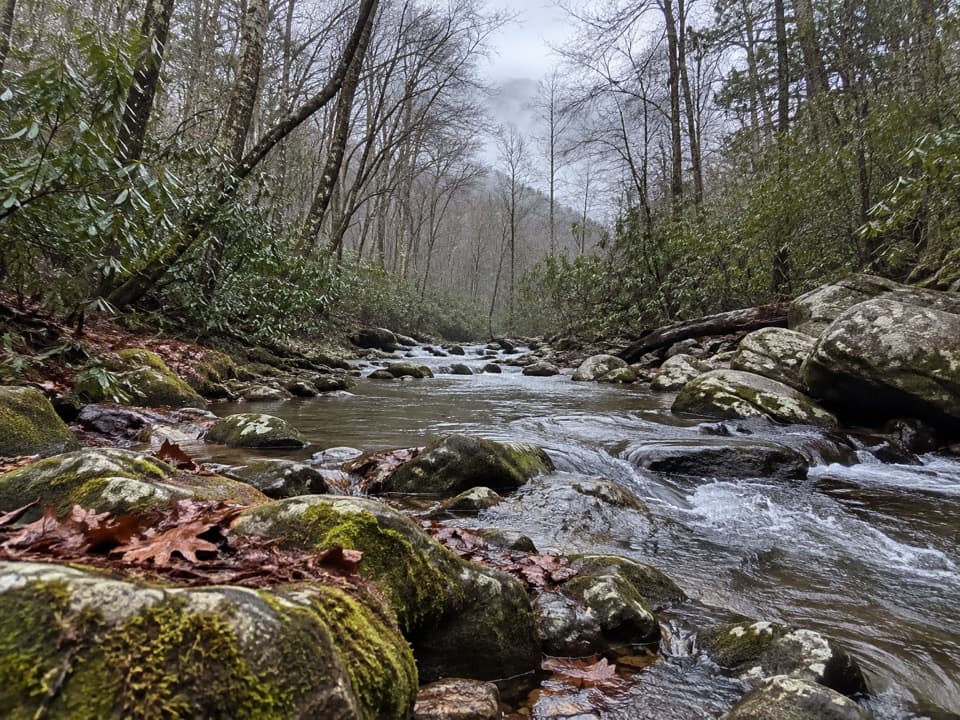
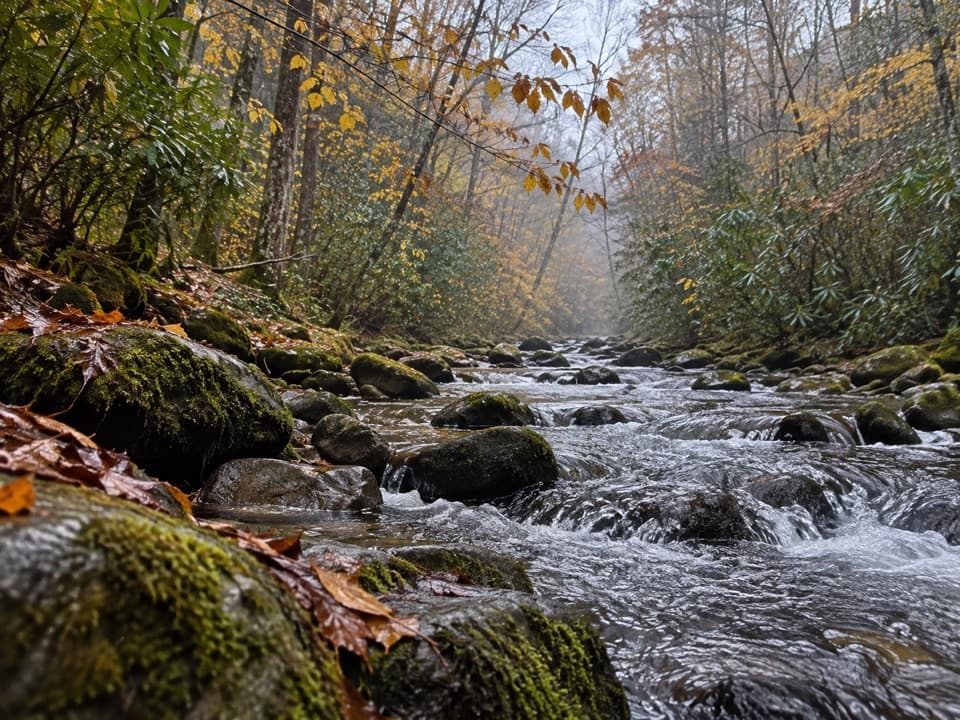
Tucked deep in historic Cataloochee Valley, this small, remote campground is all about quiet nights, creeks, and elk bugling across open meadows. It’s frontcountry camping without the bustle—expect dark skies, wildlife, and trail access rather than amenities and crowds.

Campsites & Amenities

There are only 27 sites, so it stays intimate. You’ll find flush toilets and drinking water (seasonal), but no electric, water, or sewer hookups and no showers. Cell service and internet are essentially nonexistent, and there’s no camp store, ice, or firewood sales in the valley.

Getting There

Reaching Cataloochee is part of the adventure: a narrow mountain road with a roughly 3-mile gravel stretch, blind curves, and occasional horse-trailer traffic. Large rigs aren’t recommended (over ~29' motorhomes or ~25' trailers). The most direct approach is via I‑40 Exit 20 to NC‑276, then Cove Creek Road for about 11 miles into the valley—plan extra time and arrive in daylight if you can.

Reservations, Rules & Essentials

Reservations are required and site-specific—book before you drive in. Quiet hours run 10 pm–6 am; generators 8 am–8 pm. Pets are allowed in the campground on a 6‑ft leash (don’t leave them unattended) but not on most park trails. Frontcountry campers parked at their reserved site don’t need a parking tag; you will if you park elsewhere in the park.

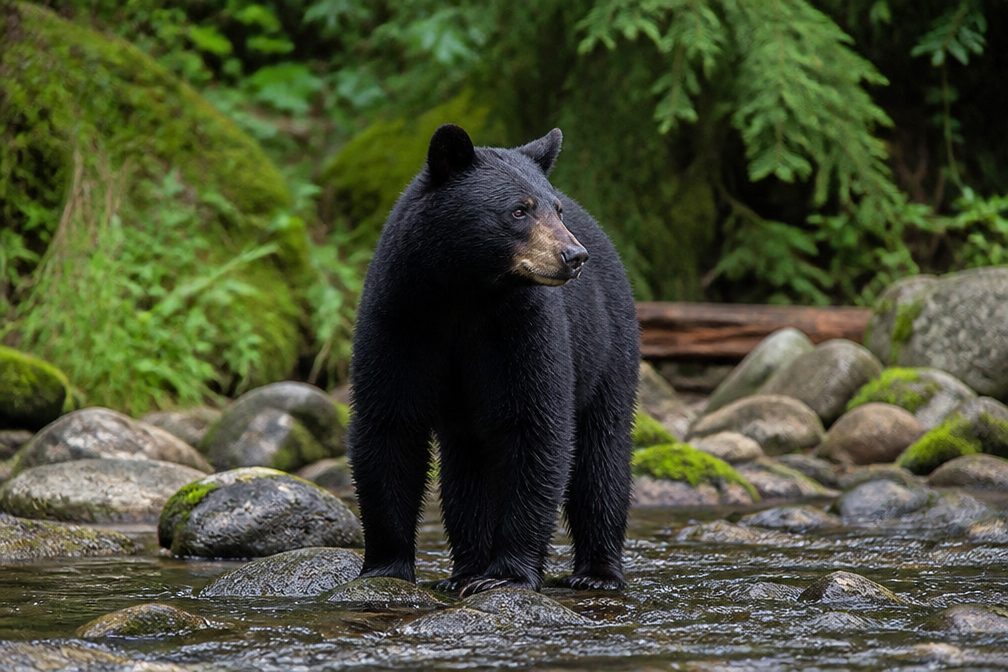
This is bear country: store all food, coolers, and scented items in a hard‑sided vehicle or camping unit when not in use. Bring only certified heat‑treated firewood (or gather dead and downed wood in-park).

What to Do Nearby

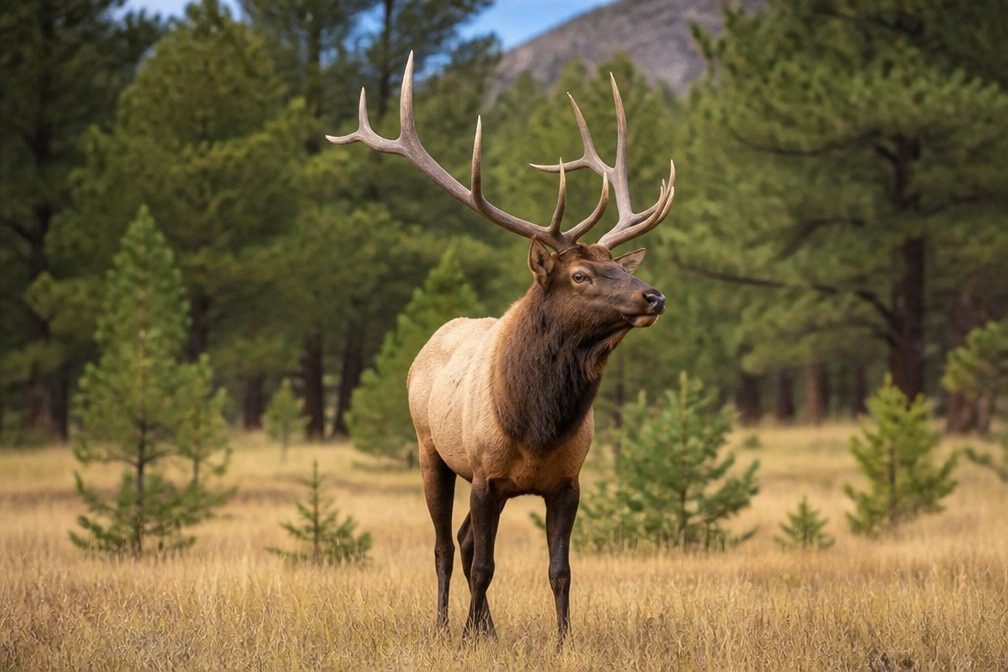
  • Wildlife: Elk are commonly seen in spring and fall, especially around dawn and dusk—give them plenty of space.
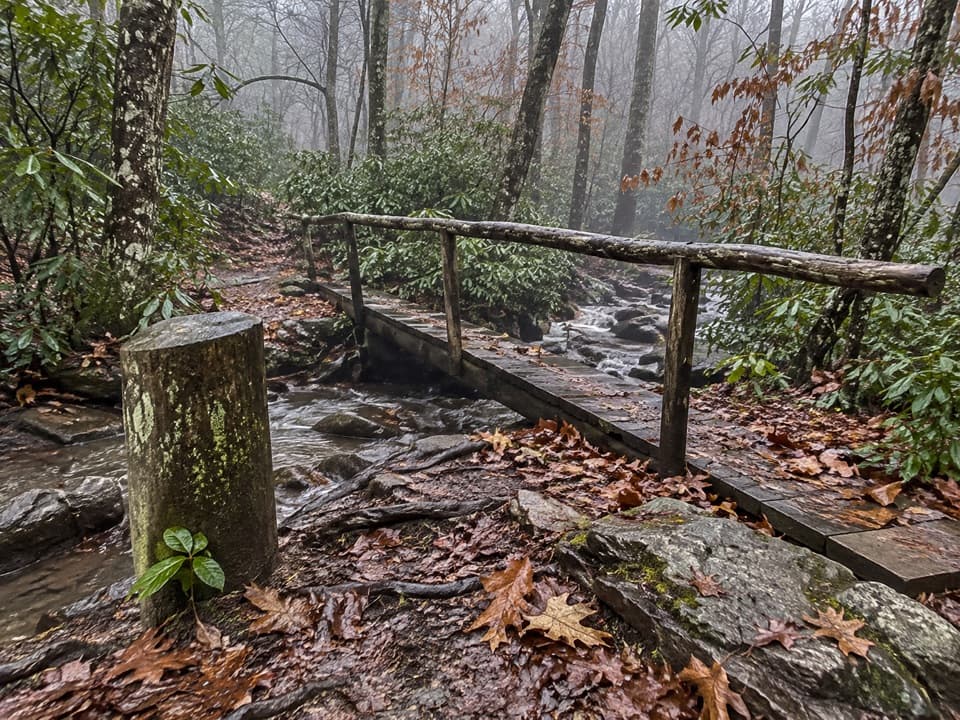
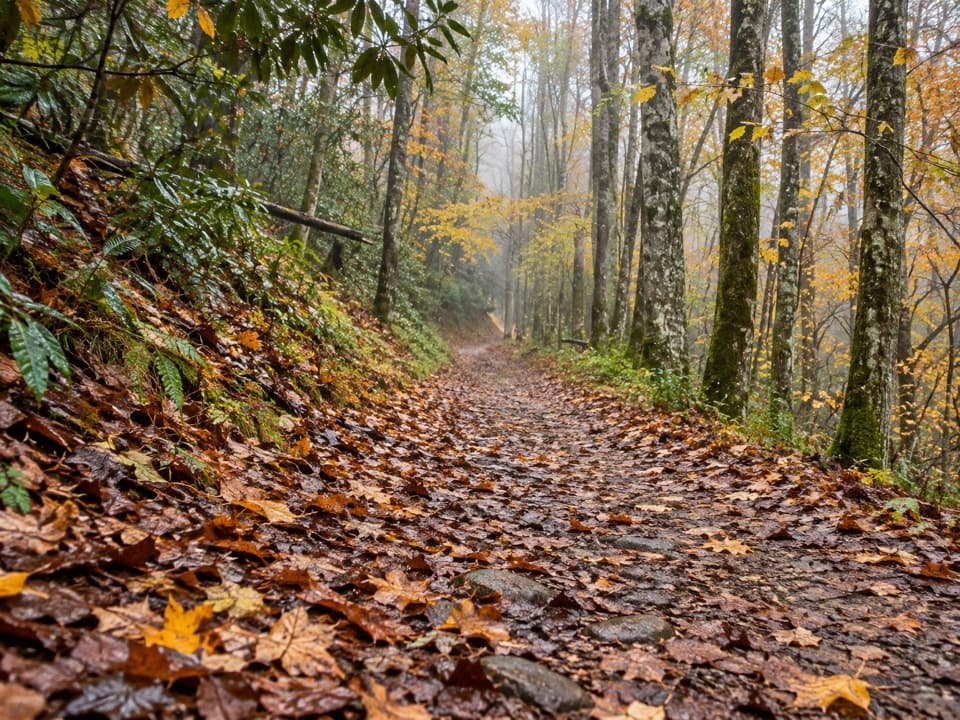
  • Hiking: Hit Caldwell Fork and Rough Fork (shared with horses) or the hikers‑only Boogerman Trail loop (about 3.9 miles). Trails here are typically less crowded than elsewhere in the park.
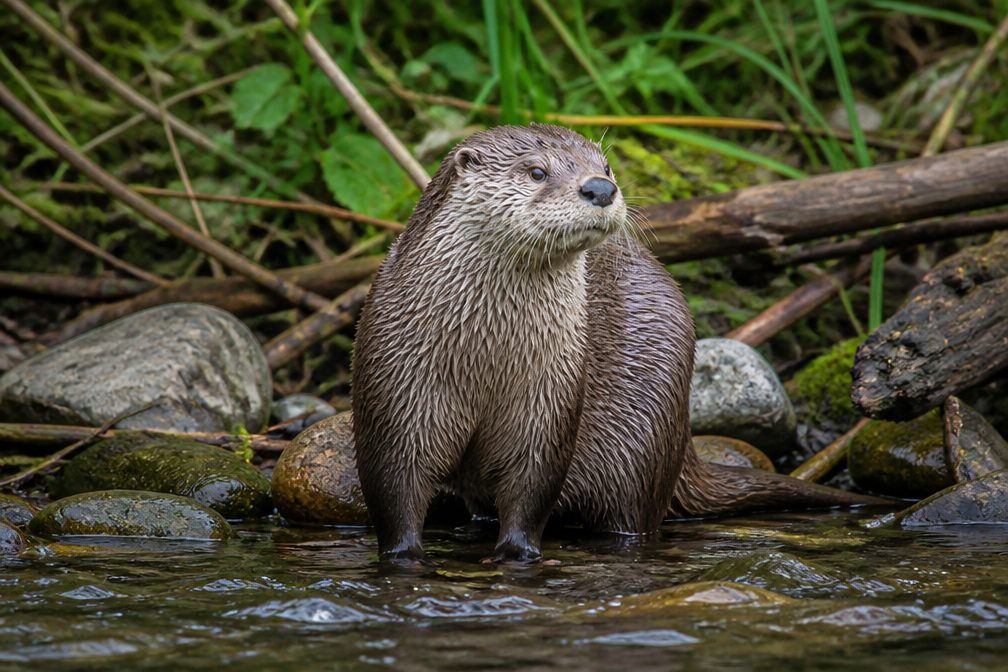
  • Fishing: The basin’s streams offer excellent brook and rainbow trout. A North Carolina or Tennessee license is required and park regulations apply.
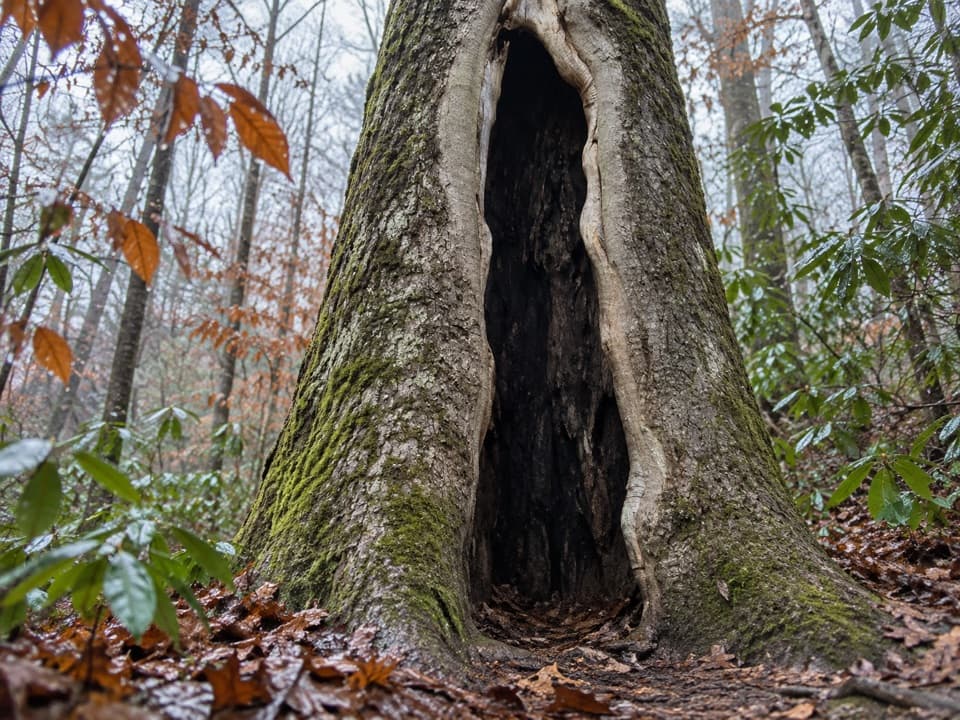
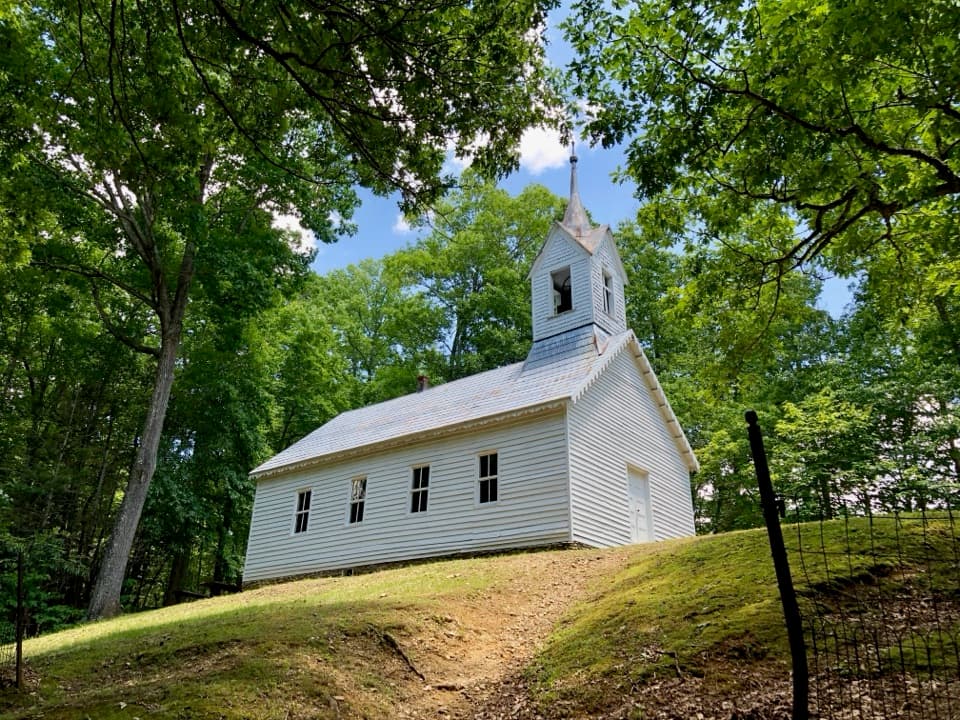
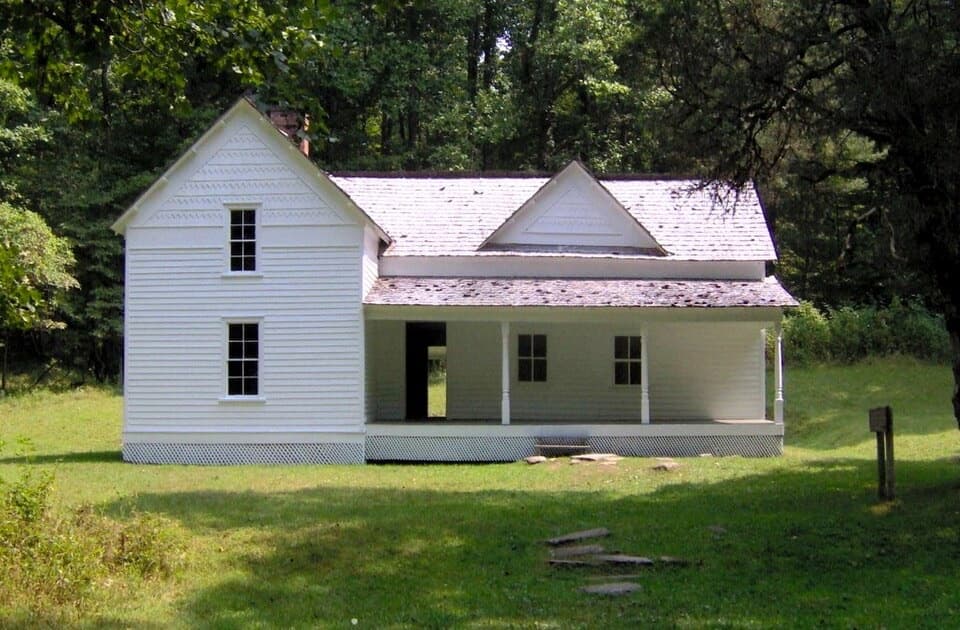
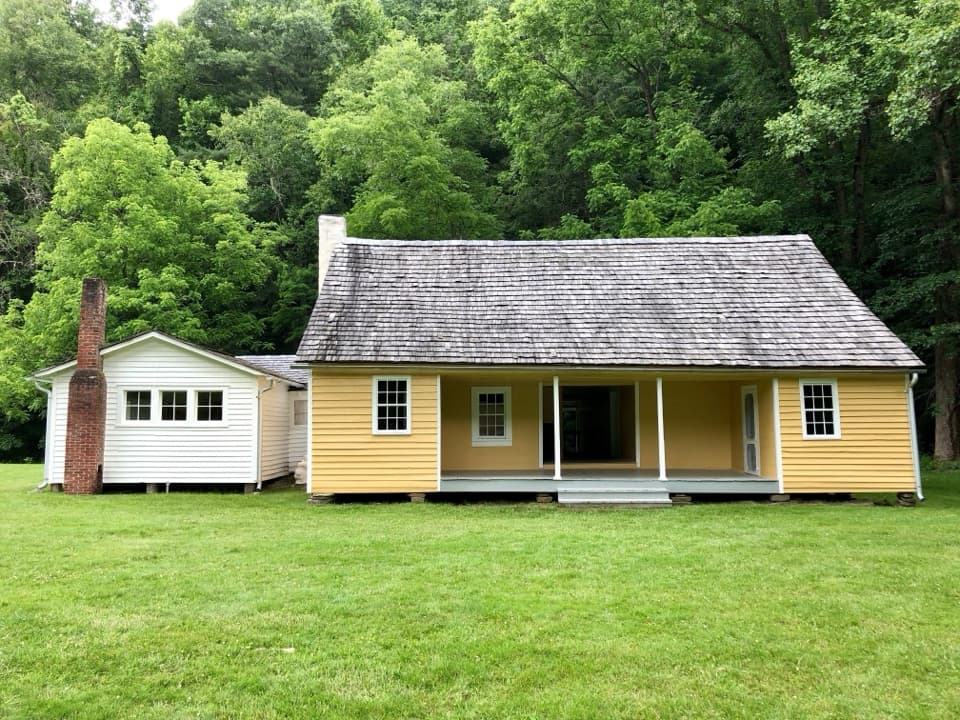
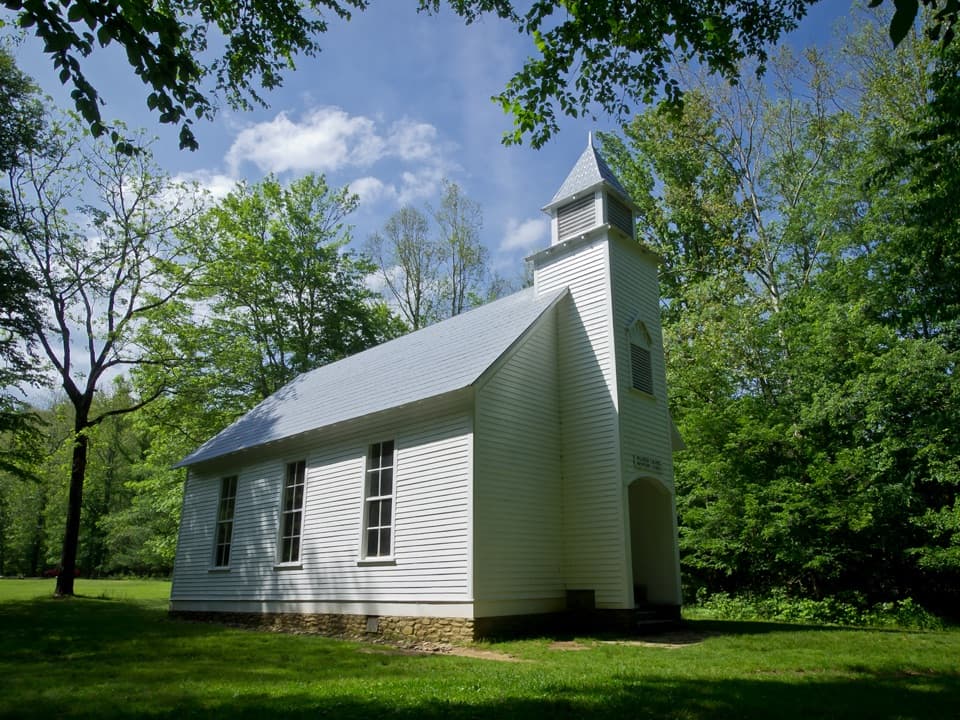
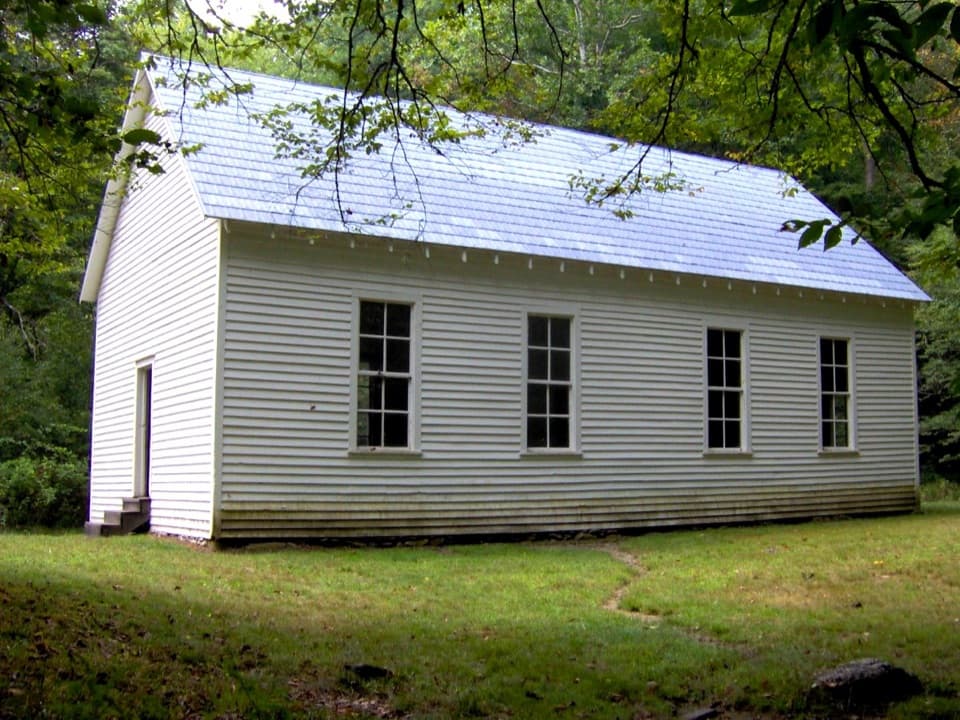
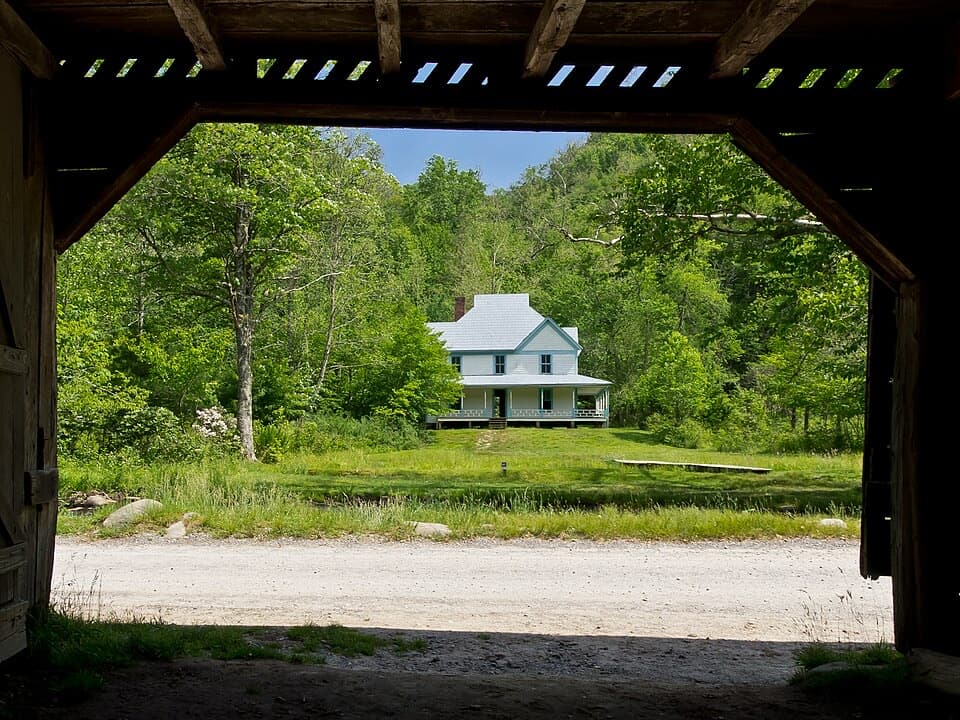
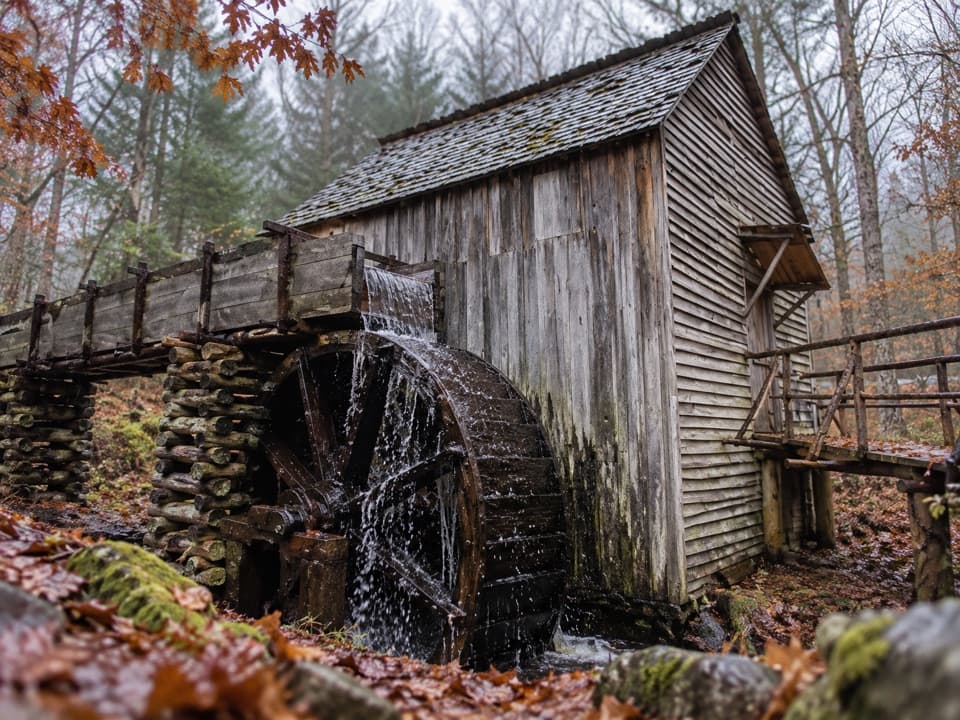
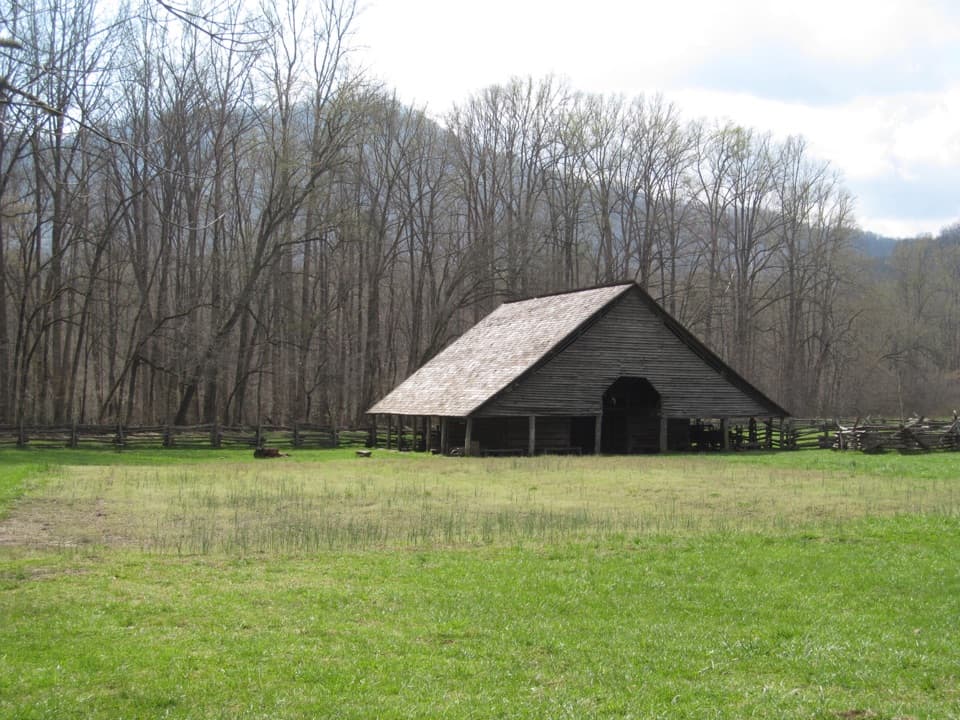
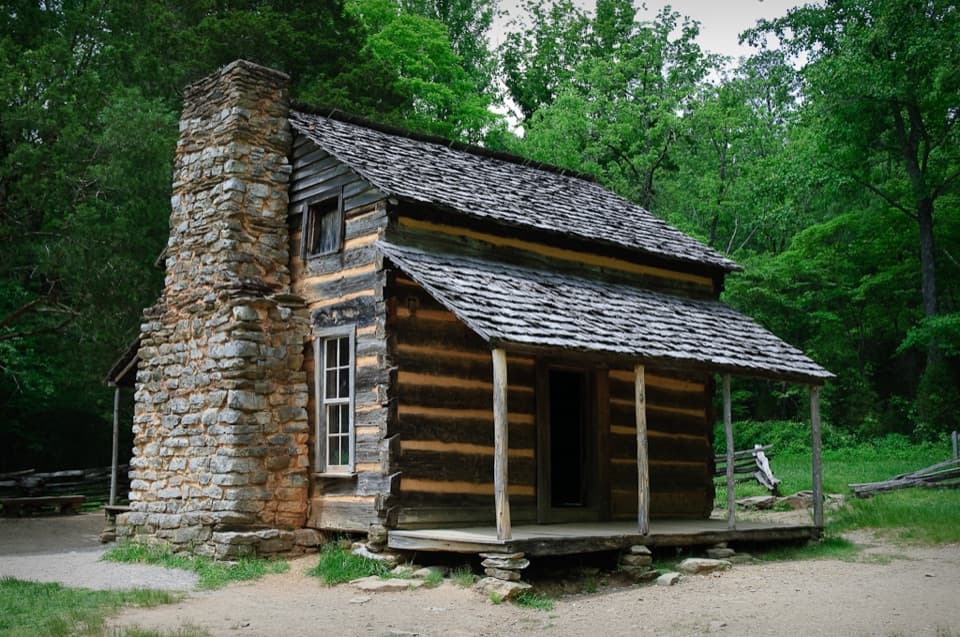
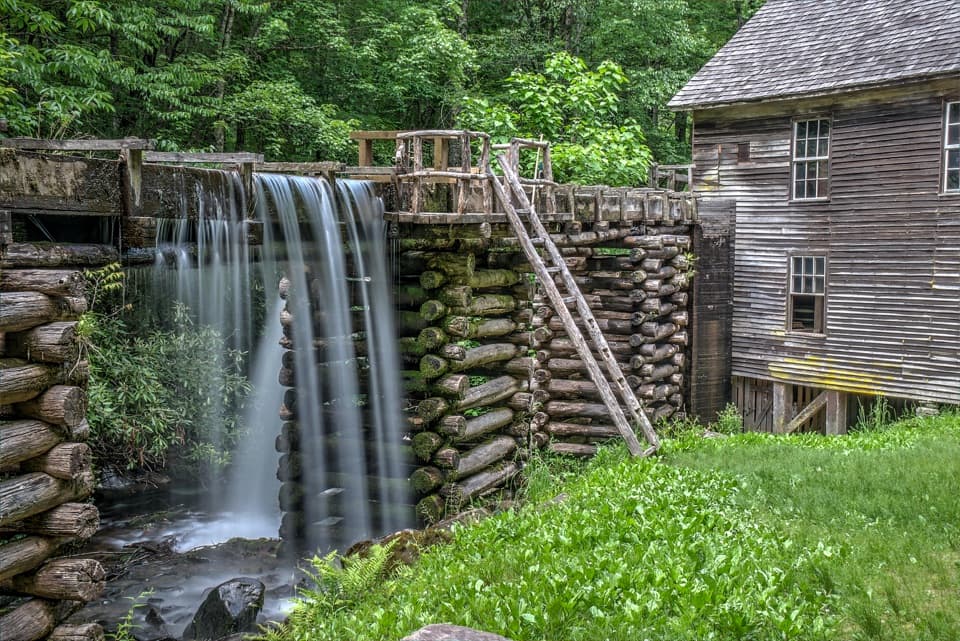
  • History: Wander preserved homesteads like the Steve Woody House and the Palmer House (self‑guided museum) to get a feel for valley life in the late 1800s.

Seasonal & Status Notes

Portions of Cataloochee Valley reopened in April 2025 following Hurricane Helene repairs. Conditions can change—check current park alerts and campground status before you go.

Best Time to Visit

  • Spring and fall bring active elk and cool camping weather.
  • Dawn/dusk are prime for wildlife viewing and soft photography light.
  • Weekdays are your best bet for a quieter stay, and arriving before sunset makes the access road far less stressful.

Pros

  • Quiet, elk-rich valley setting
  • Flush toilets and seasonal potable water

Cons

  • Narrow, winding gravel access road
  • No hookups or showers

Tips

  • Reserve before you drive in—there’s no cell service in the valley.
  • Aim to arrive in daylight; the access road is narrow with gravel and blind curves.
  • Bring certified heat-treated firewood or plan to gather dead/down wood in-park.
  • Pack all supplies; there’s no store, ice, or firewood sales onsite.
  • Dawn and dusk are best for elk viewing—watch quietly and keep your distance.
The Parkwolf tour guide sitting on a phone mounted in a car

Parkwolf Tour Guide

Like a tour guide in your car.

Save the places you found around Great Smoky Mountains, then let Parkwolf guide the drive between them.Download Parkwolf on the App Store