
Place · 0 mi away
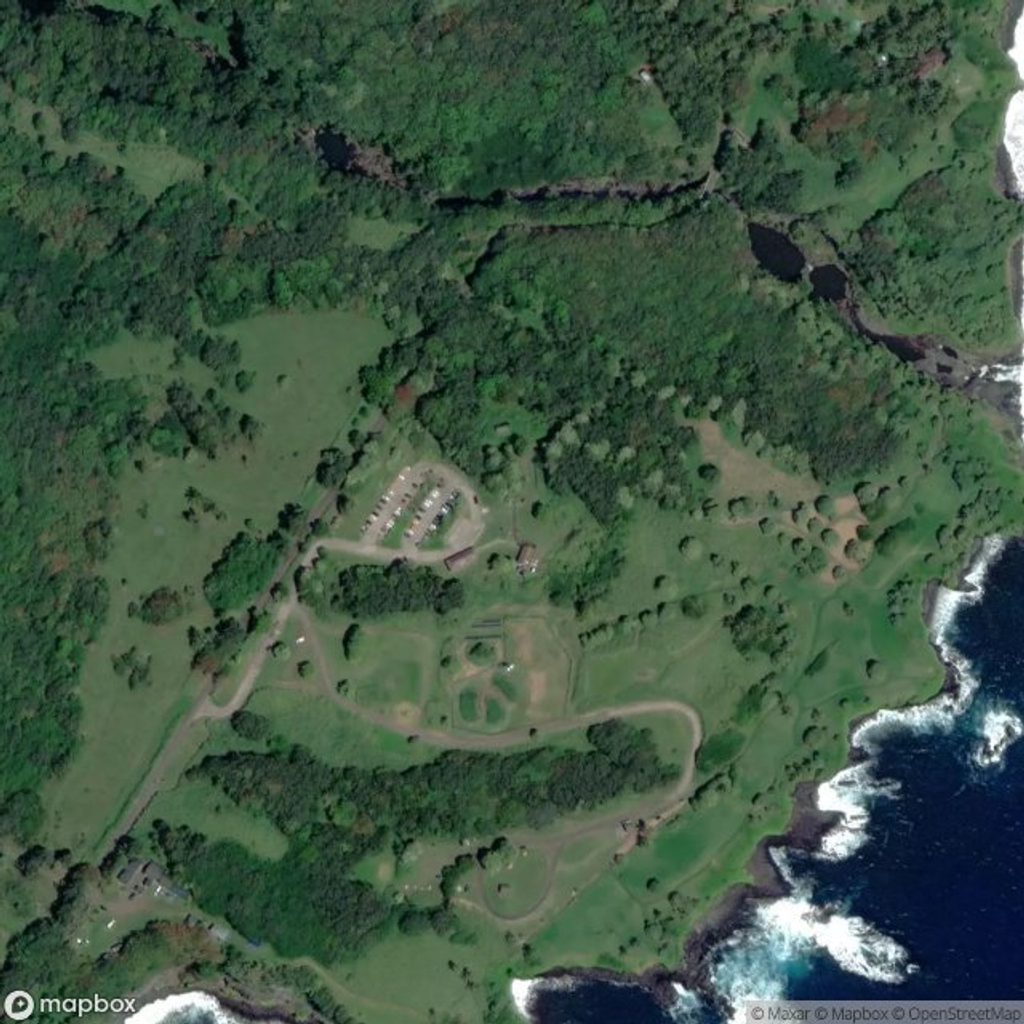
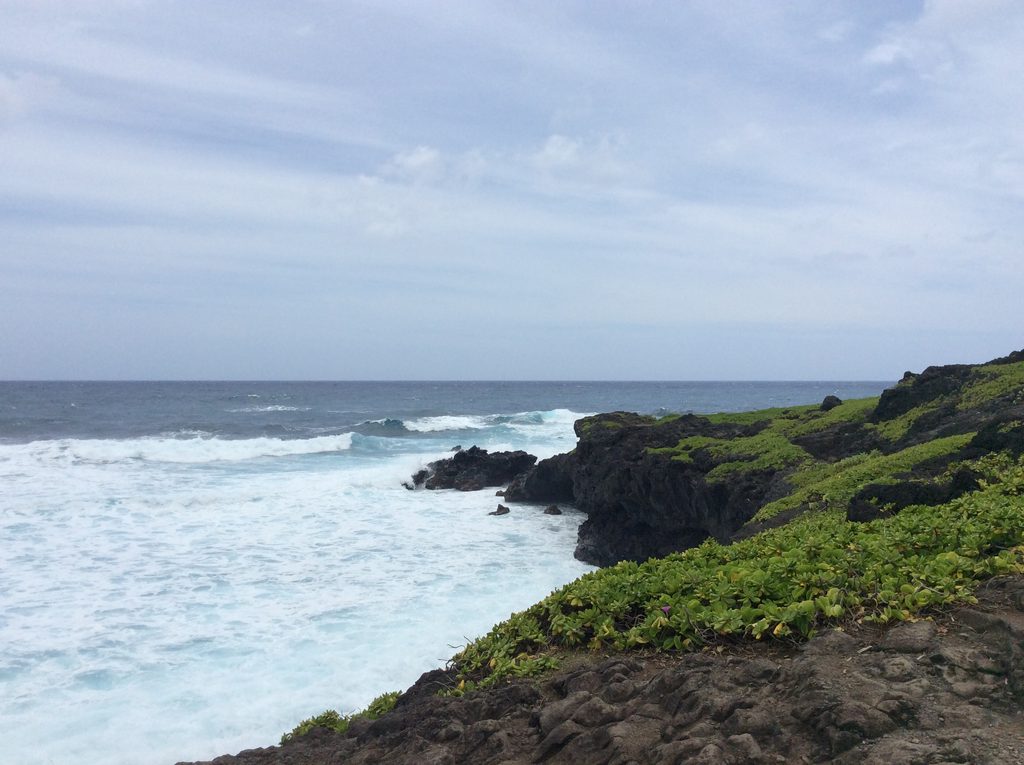
Set in the lush coastal district of Kīpahulu, this cultural site blends dramatic ocean cliffs and rainforest with a living record of Native Hawaiian ingenuity. You’re not just looking at scenery—you’re walking through an ancient landscape of house sites, shrines, and lo‘i kalo (taro terraces) that once supported a thriving community.
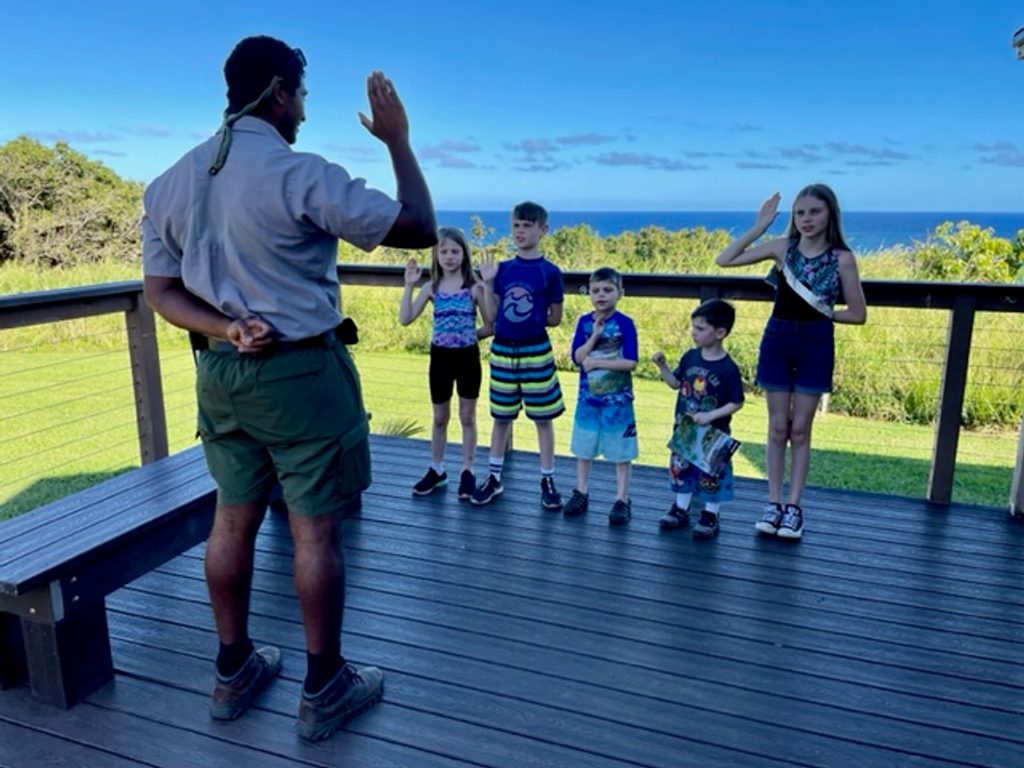
Interpretive programs near the visitor center sometimes showcase traditional skills—think weaving, hula, fishing net throwing, or poi-making. It’s a great way to connect the ruins you see with the living culture they represent. Always treat stones, terraces, and shrines with respect—don’t touch or move anything.
Watch for seabirds riding the coastal winds—frigatebirds, noddies, terns, and tropicbirds. Streams and pools can hold native ʻoʻopu (goby) fish, and honu (green sea turtles) sometimes graze algae off nearshore rocks. Bring binoculars if you have them.
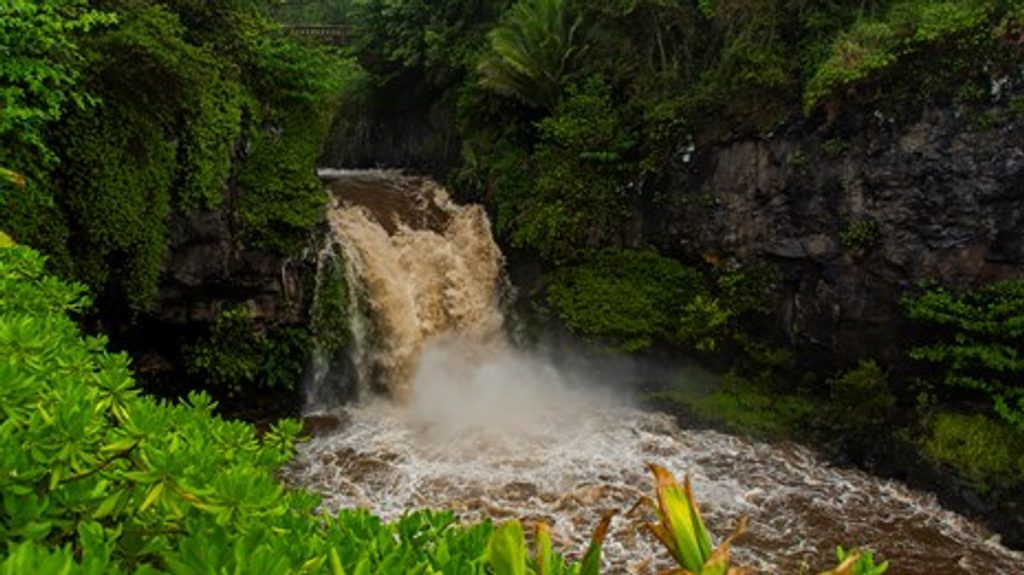
Kīpahulu’s beauty comes with hazards: slippery lava rock, steep drop-offs, and flash floods after rain. The pools and some areas may close due to rockfall, bacteria, or flood risk—obey every closure and danger sign.
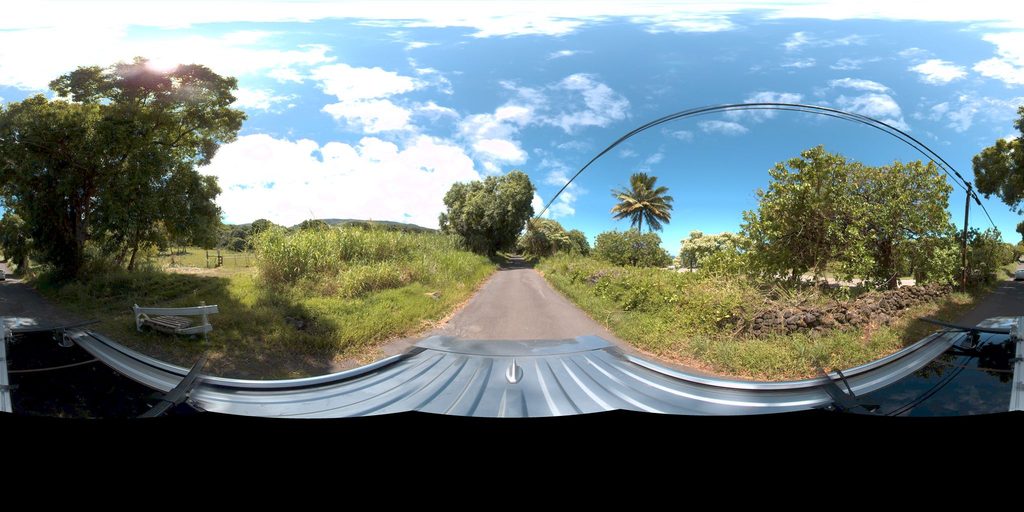
This is a remote corner of the island reached via the Hāna Highway, with limited nearby services. You’ll find a parking area, restrooms, potable water, and picnic tables by the visitor center, plus clearly marked trailheads for Pīpīwai and Kūloa Point. There’s no gas, store, or restaurant here—come prepared.
Arrive early (by opening) or late afternoon for easier parking, softer light on the coast, and a quieter experience. Midday is the crunch time when tour traffic peaks. If you plan to hike Pīpīwai, start early; after rain, expect mud and potential trail or pool closures.
Place · 0 mi away
Place · 0 mi away
Place · 0.2 mi away
Place · 0.2 mi away
Easy · 0 mi away
Moderate · 0.1 mi away
Challenging · 13.4 mi away
Easy · 13.8 mi away

Parkwolf Tour Guide
