Place · 0 mi away

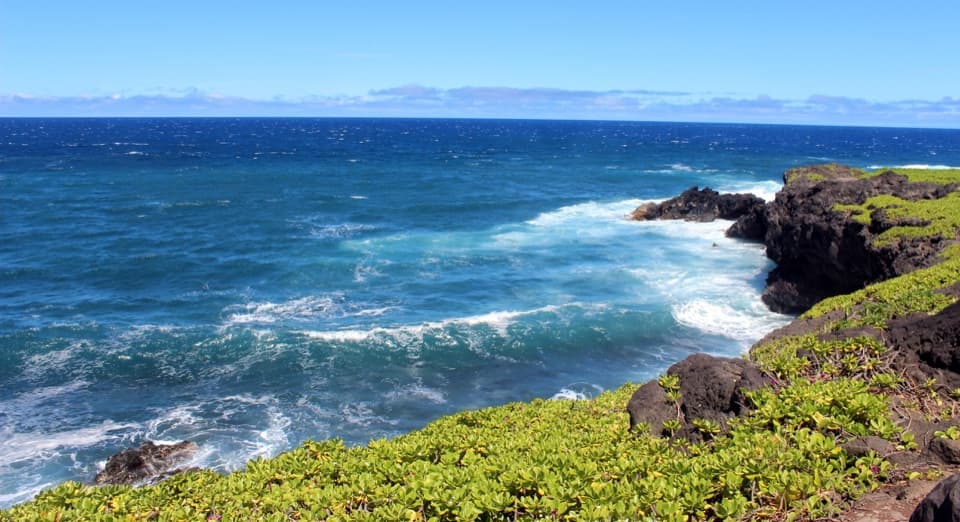
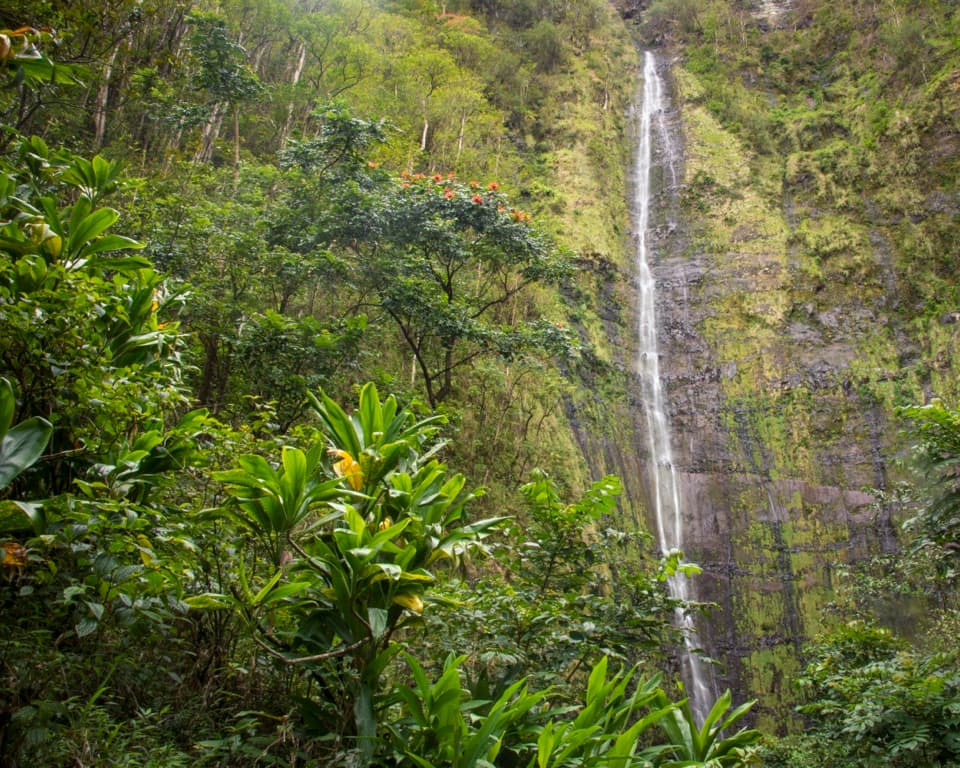
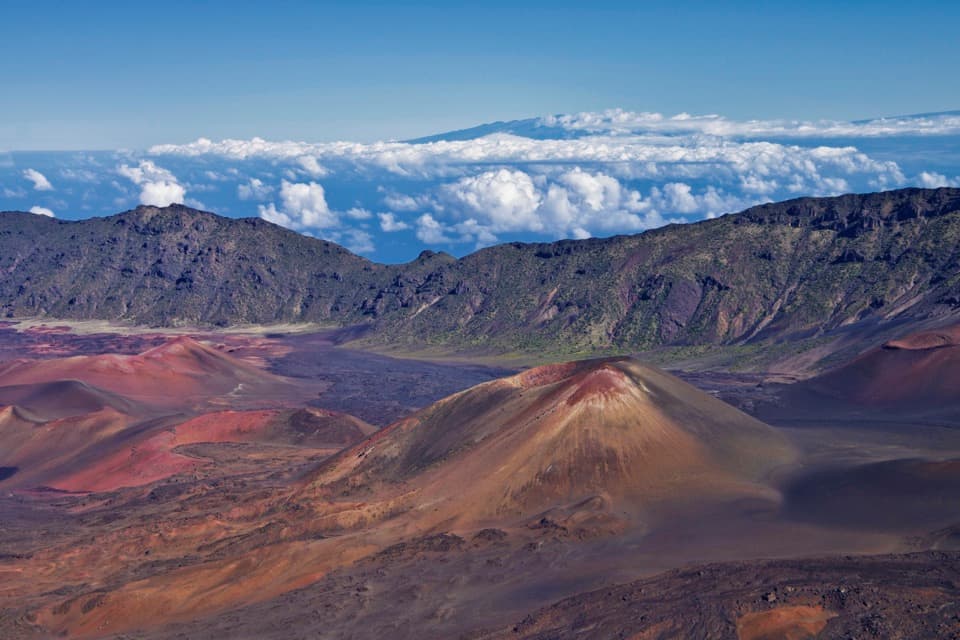
This is the hub for the coastal Kīpahulu District—the rainforest side of the park. It’s where you get oriented, grab trail info from rangers, and set out for waterfalls, bamboo forest, and that dramatic lava-carved shoreline. Compared to the stark summit, everything here is lush, wet, and alive.
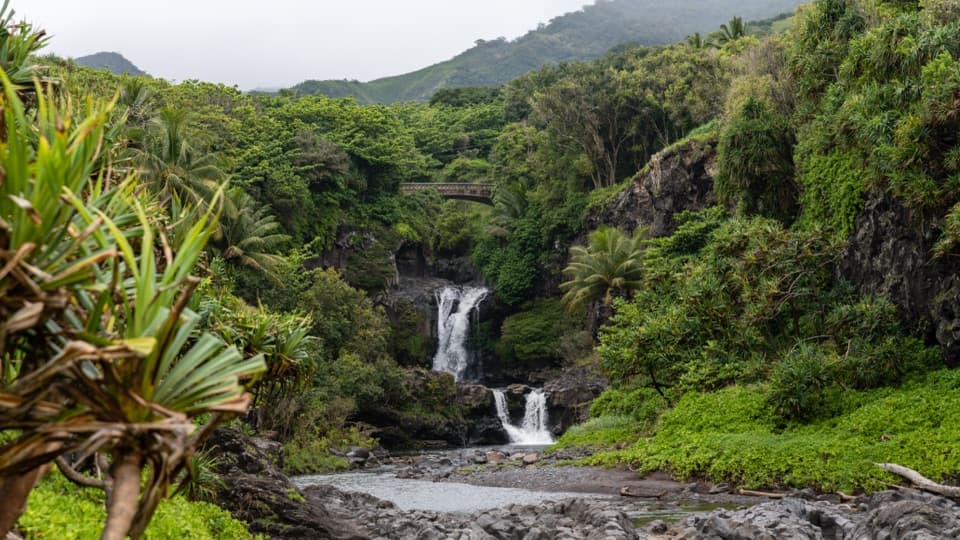
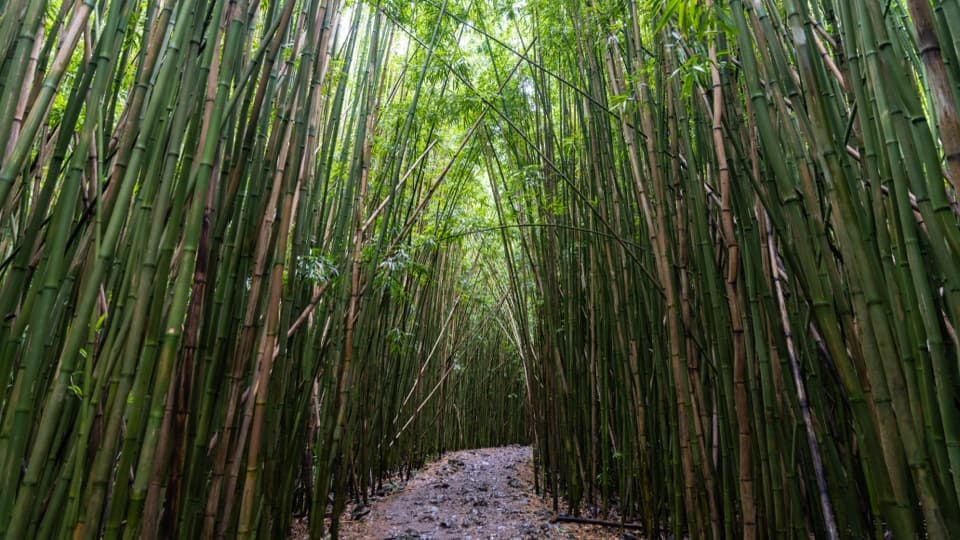
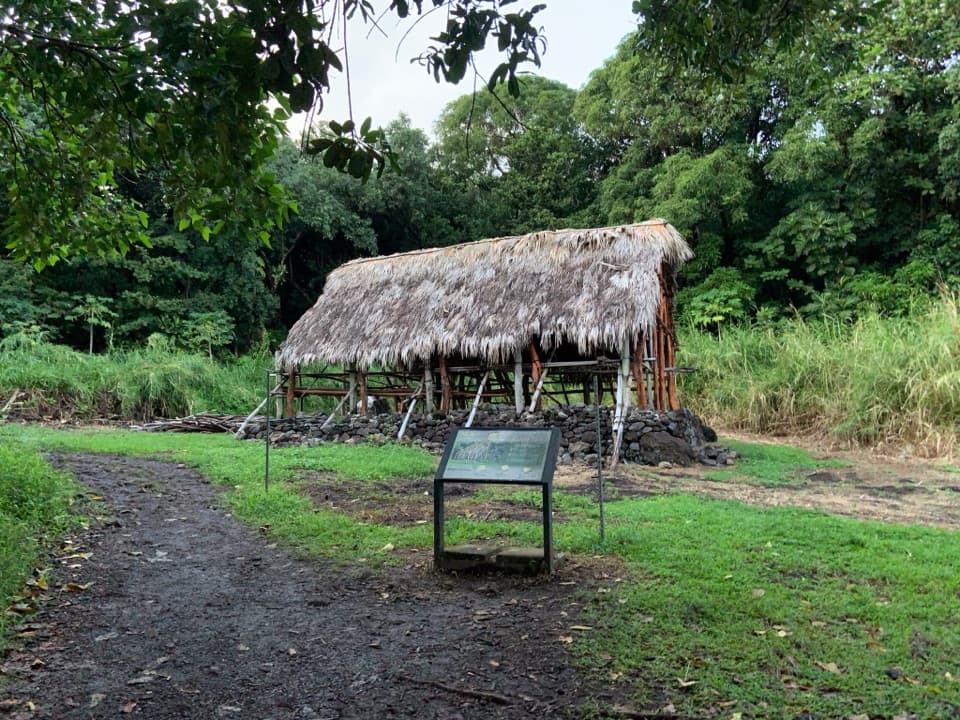
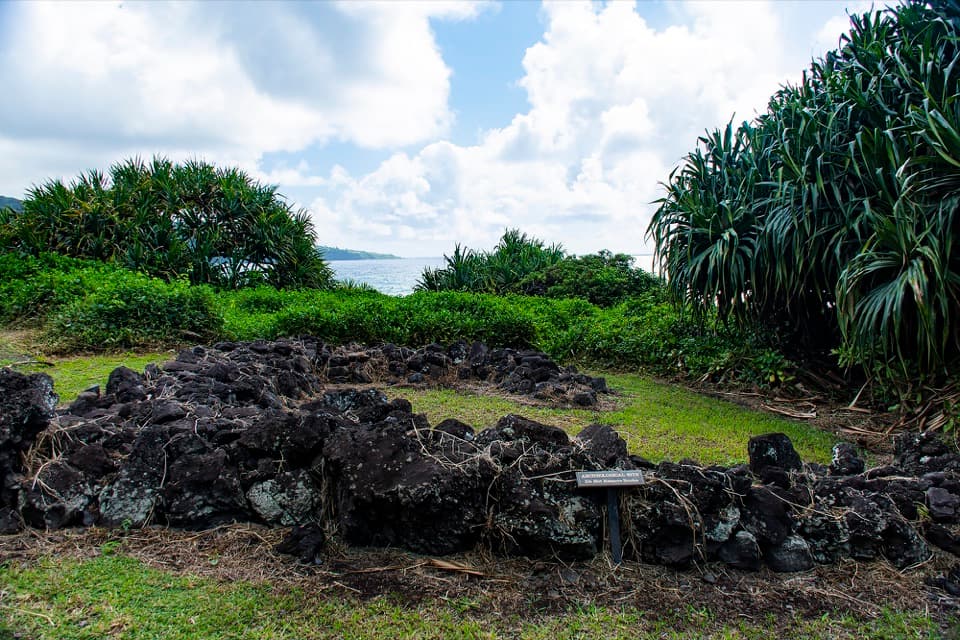
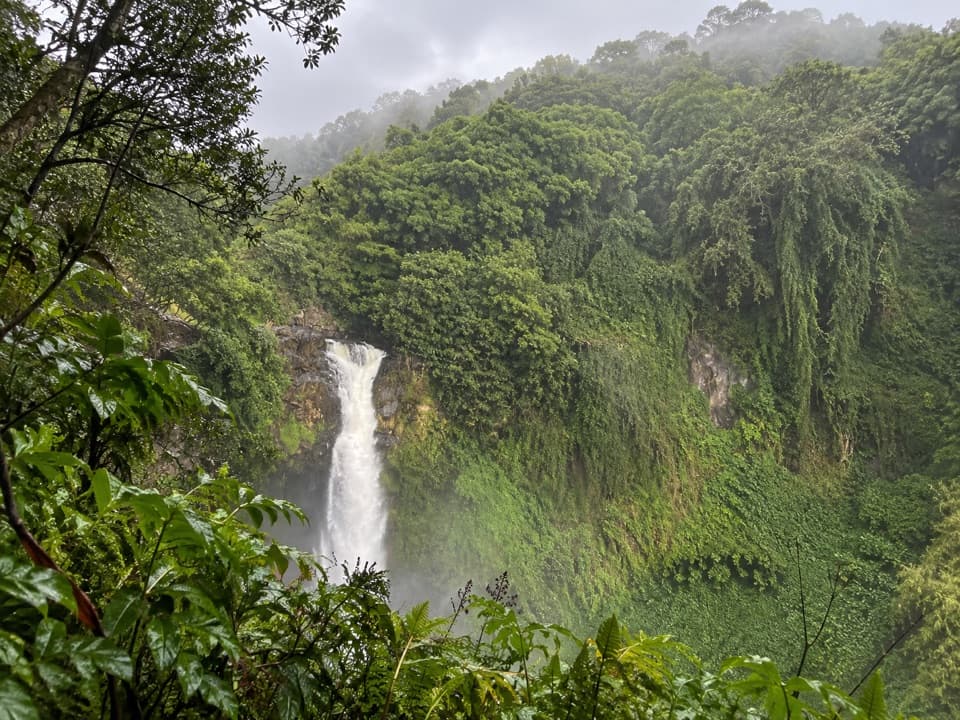
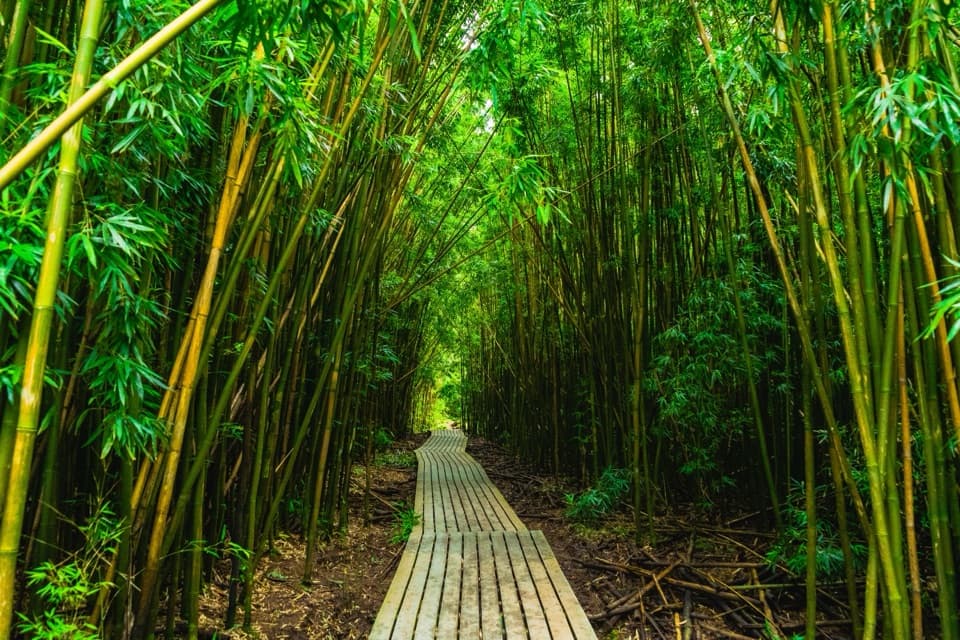
From this one lot you can hit two of Maui’s marquee walks: the Pīpīwai Trail (bamboo forest and Waimoku Falls) and the short Kūloa Point loop to ʻOheʻo Gulch viewpoints. You’ll also find cultural interpretation about the traditional ahupuaʻa land divisions and the area’s long Native Hawaiian history.
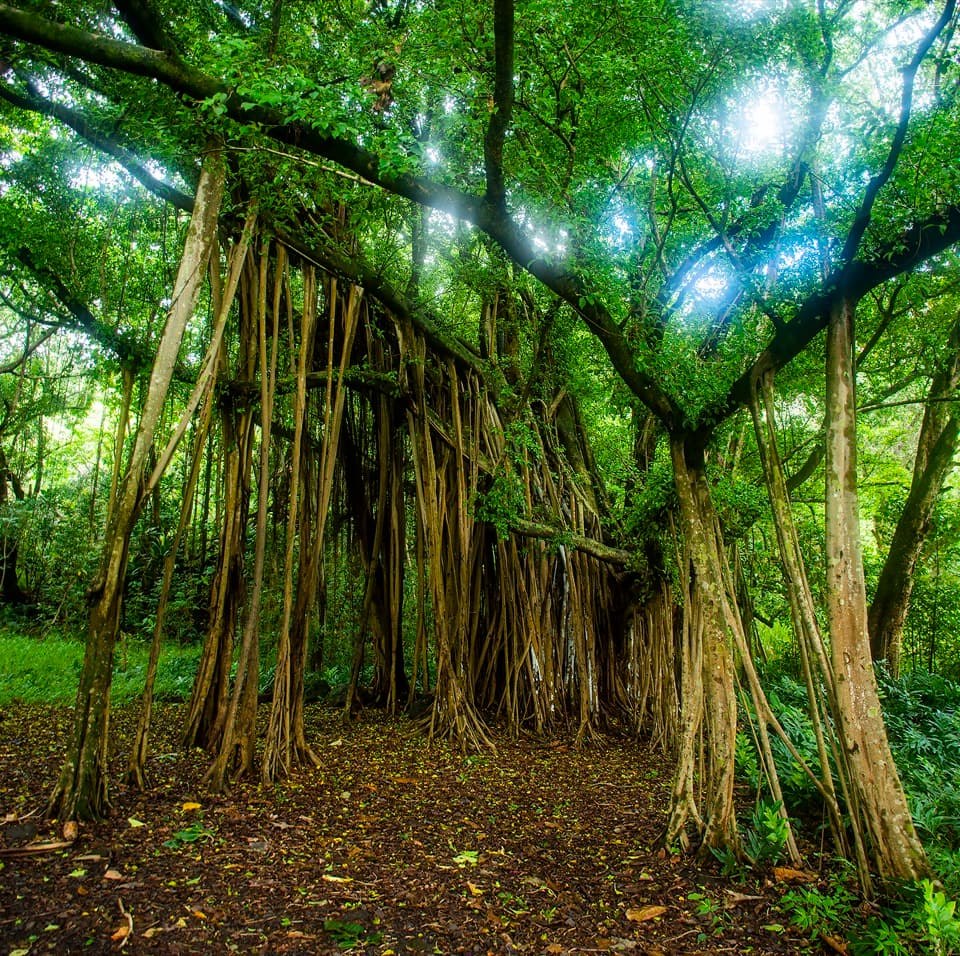
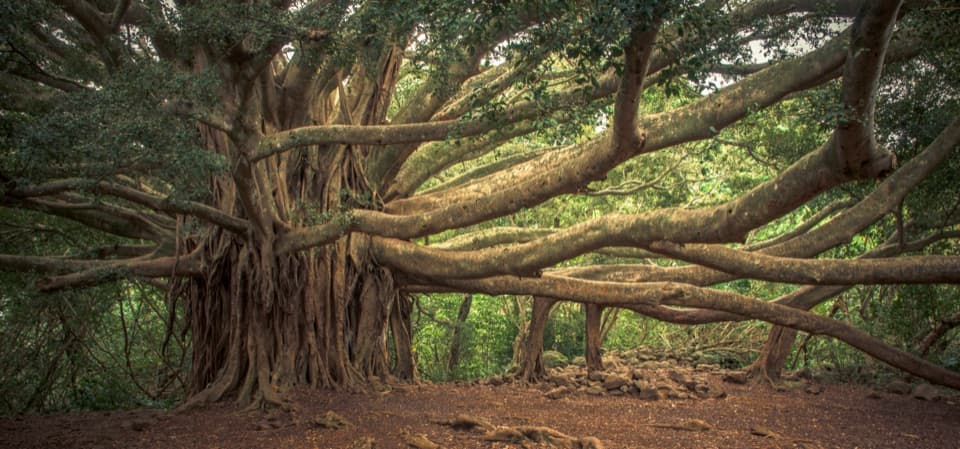
You’re in prime rainforest. Expect dense native vegetation and, if you’re lucky, glimpses of native forest birds along the trails. The upper Kīpahulu Valley (a biological reserve) protects some of the rarest species in Hawaiʻi and is closed to the public.
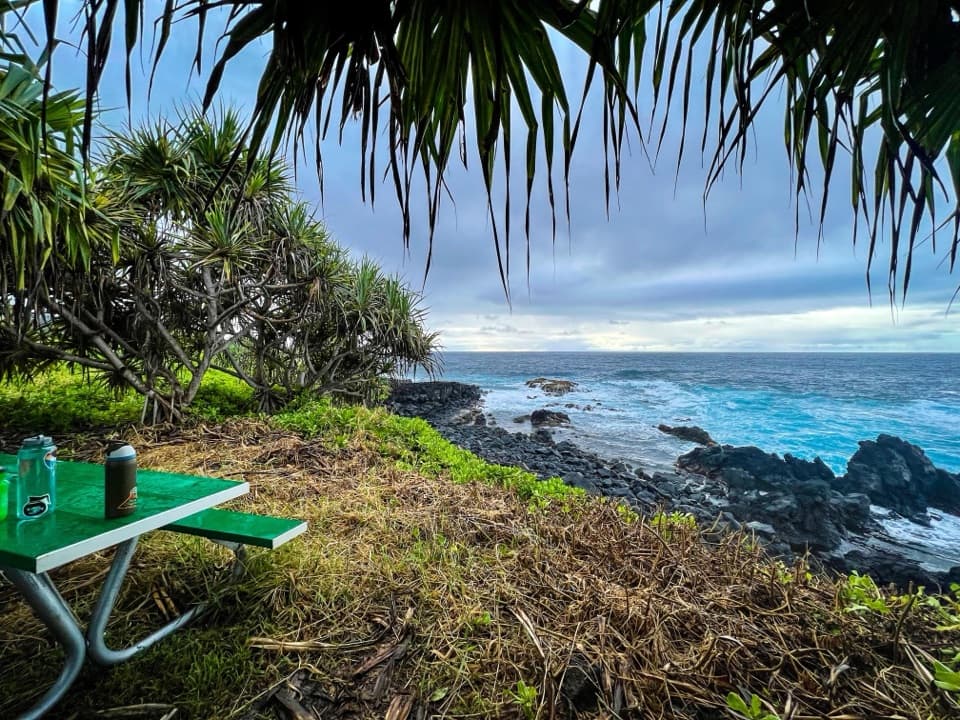
There’s a staffed visitor center with exhibits, restrooms, parking, picnic spots, and a water bottle refill station. That’s about it—no food service, no store, no gas. The Kīpahulu Campground sits a short walk away.
Swimming in the pools is off-limits. This is flash-flood country—stream crossings on Pīpīwai can turn from ankle-deep to impassable, and closures are common during heavy rain. Trails get muddy; mosquitoes are part of the deal.
Arrive early (ideally before 9 am) to land parking and quieter trails; midday is the peak rush. Weekdays are a touch calmer than weekends. Morning light is kinder for waterfall and forest photos, and afternoons often bring more showers. The visitor center is typically open 9 am–5 pm; check park alerts for trail and pool-status updates.