
Place · 0 mi away
Easy
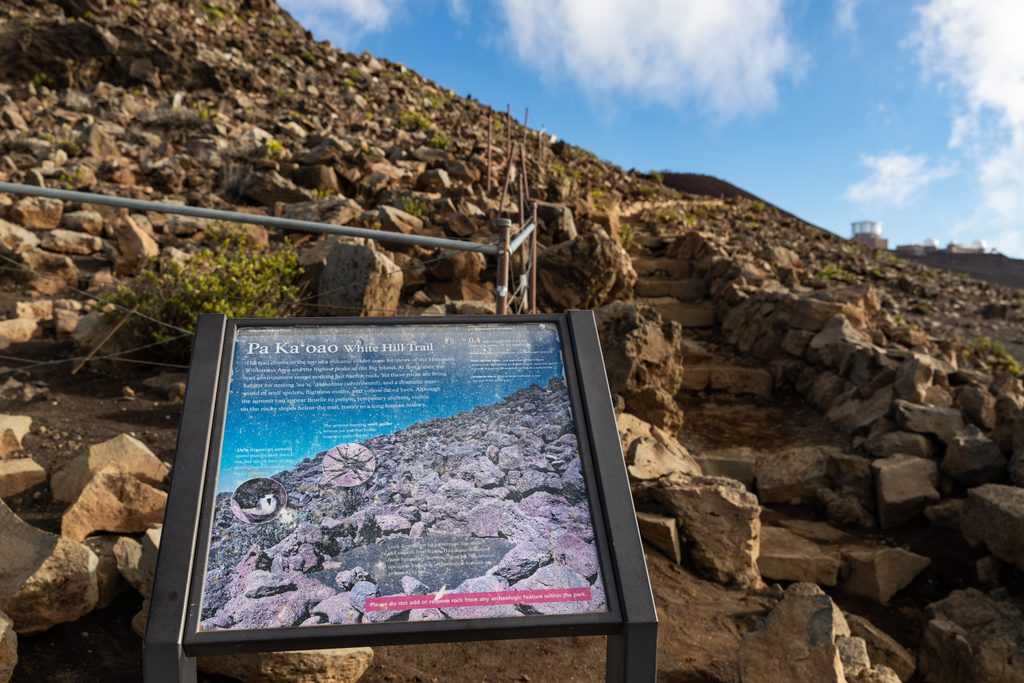
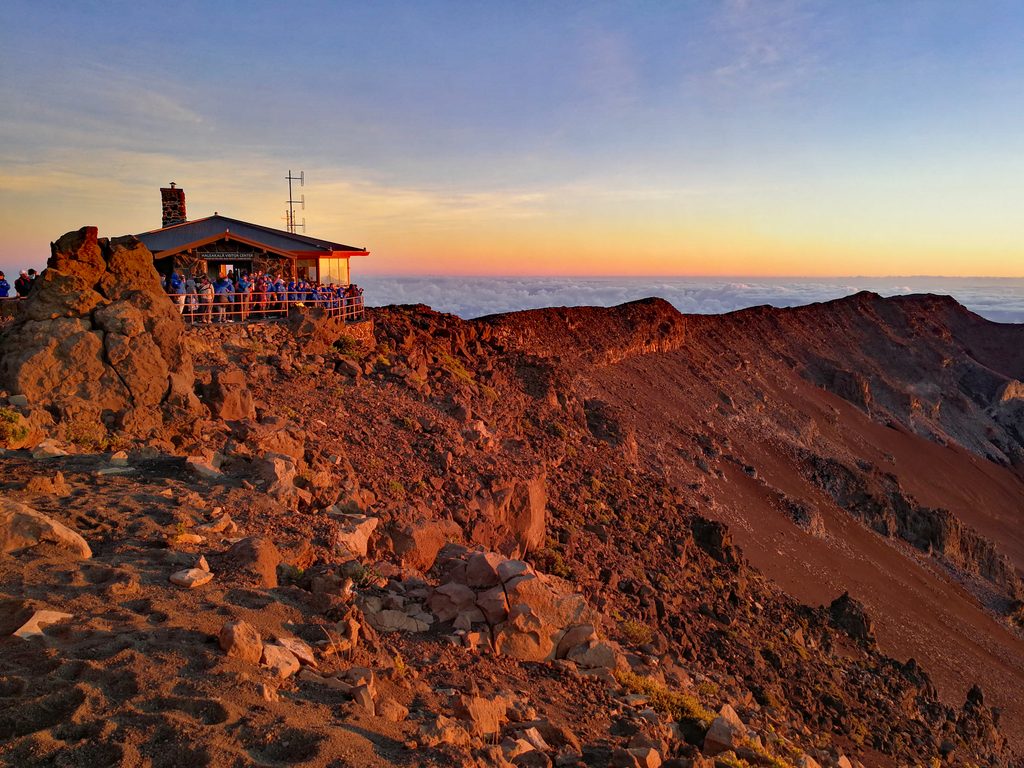
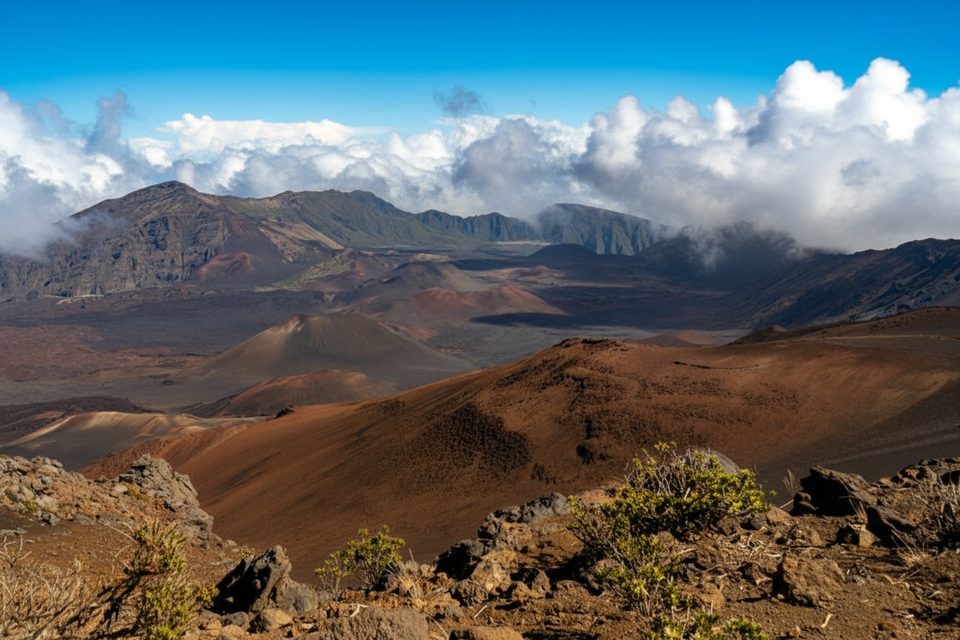
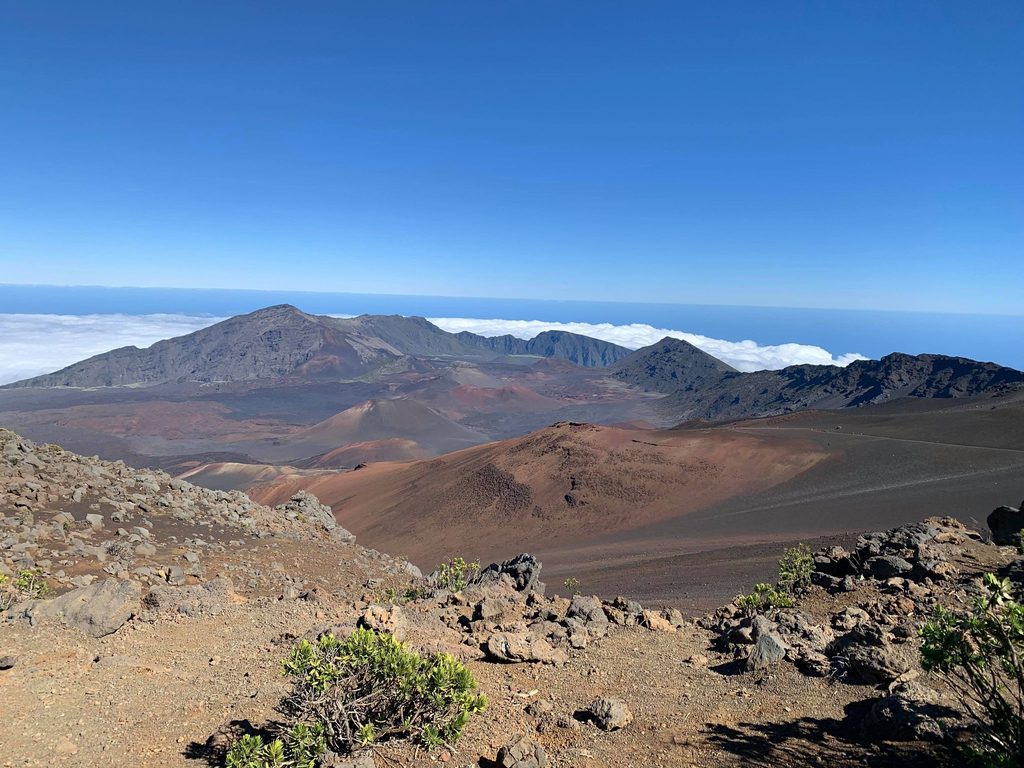
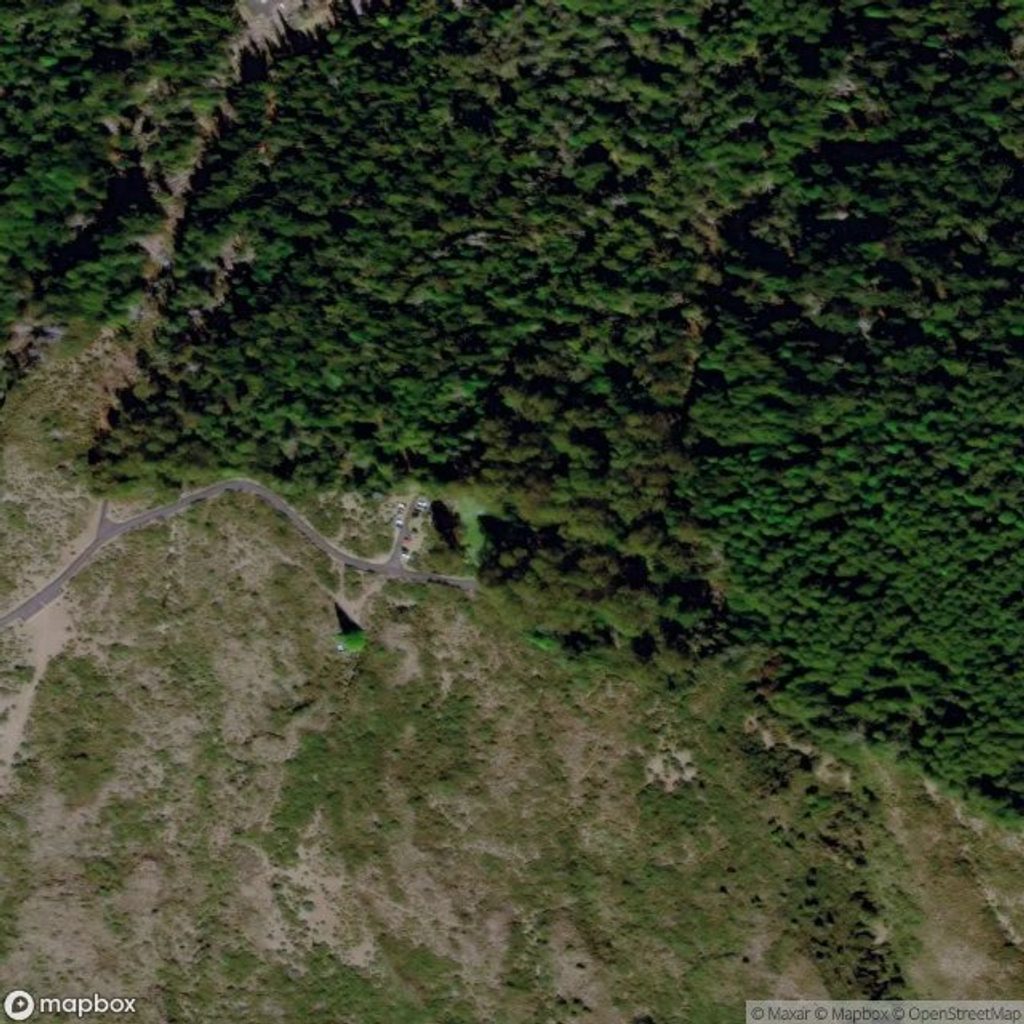
If you’re at the summit area, Pā Kaʻoao is the highest return on investment you’ll find: a half-mile round trip with roughly 100 feet of gain that delivers a sweeping, unobstructed look into Haleakalā’s vast summit basin. Many visitors say the vantage here actually beats the views from the nearby Visitor Center and even Red Hill. The trail starts right outside Haleakalā Visitor Center (around 9,740 feet), climbs a small cinder cone, and ends on a rocky overlook perfect for soaking in the scene.
The path is short but can feel punchy at this elevation. Expect a rocky tread with loose volcanic gravel and a few uneven steps. Take it slow—thin air is the real challenge here. It’s popular and often busy around sunrise, but even then the views feel big and wild: Red Hill and the observatory stand out, and on very clear days you may spot the Island of Hawaiʻi’s volcanic summits on the horizon.
You’re climbing a cinder cone—built from lava fragments blasted from the volcano and piled into a cone. Along the hill are more than 100 archaeological features (stone enclosures, or pā) built by Native Hawaiians between the 15th and 17th centuries, likely used as shelters by summit travelers. The modern trail itself was constructed in 1934 by the Civilian Conservation Corps, adding a New Deal chapter to this already rich cultural landscape.
Year-round, but sunrise and sunset bring the most dramatic light. For sunrise, arrive well before dawn to find a spot, settle in, and give your body a minute to adjust to the altitude. If strong winds or clouds are hammering the Visitor Center viewpoint, this little cone often sits just high enough to eke out a better look.
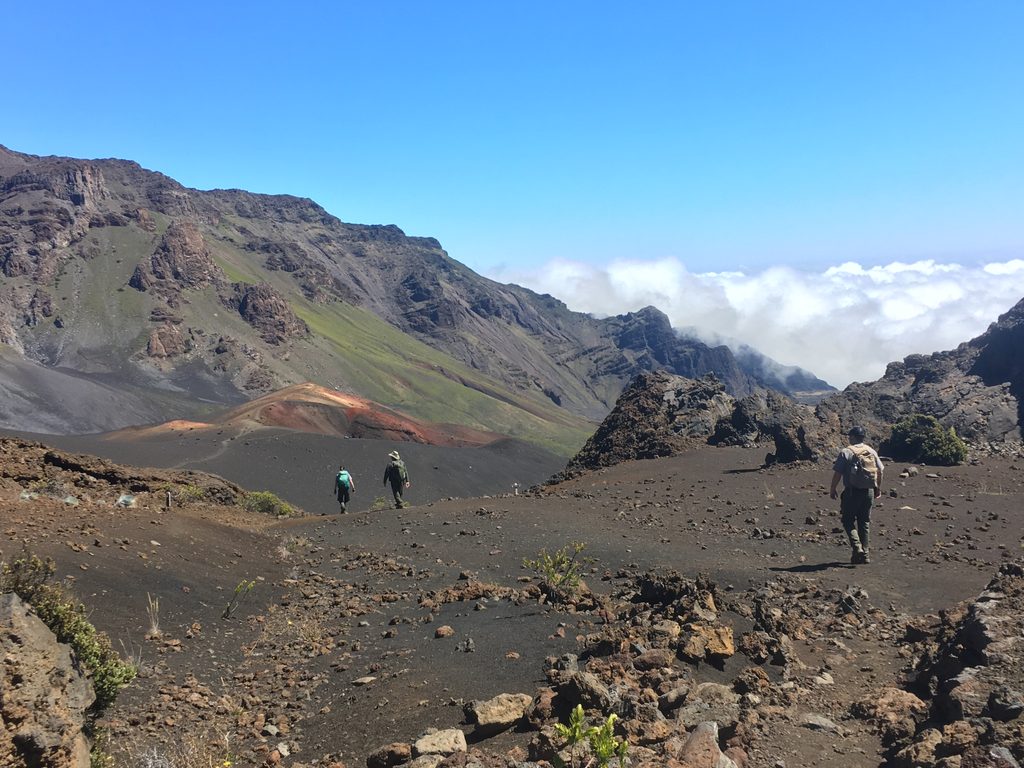
Craving a deeper dive into the crater landscape? The Sliding Sands Trail begins from the same parking area and heads straight into the basin for a much longer day out.
Park at the Haleakalā Visitor Center lot (shared with the Sliding Sands Trailhead); the trail starts just outside the Visitor Center.
Cold, windy, rapidly changing weather at ~9,700 ft; loose cinder underfoot. Stay on the marked path to protect archaeological features. Sunrise entry 3–7 am requires a reservation.
Place · 0 mi away
Place · 0.1 mi away
Place · 0.1 mi away
Place · 0.4 mi away
Challenging · 0.1 mi away
Easy · 0.4 mi away
Challenging · 2.9 mi away
Easy · 3.8 mi away

Parkwolf Tour Guide
