
Place · 0.3 mi away
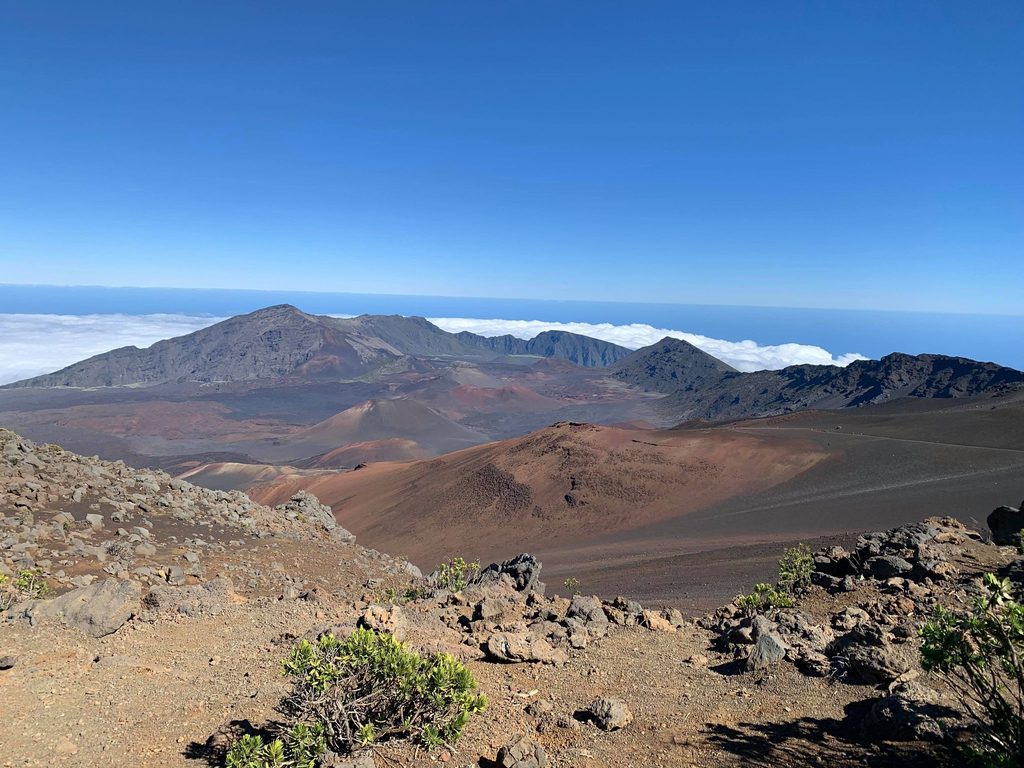
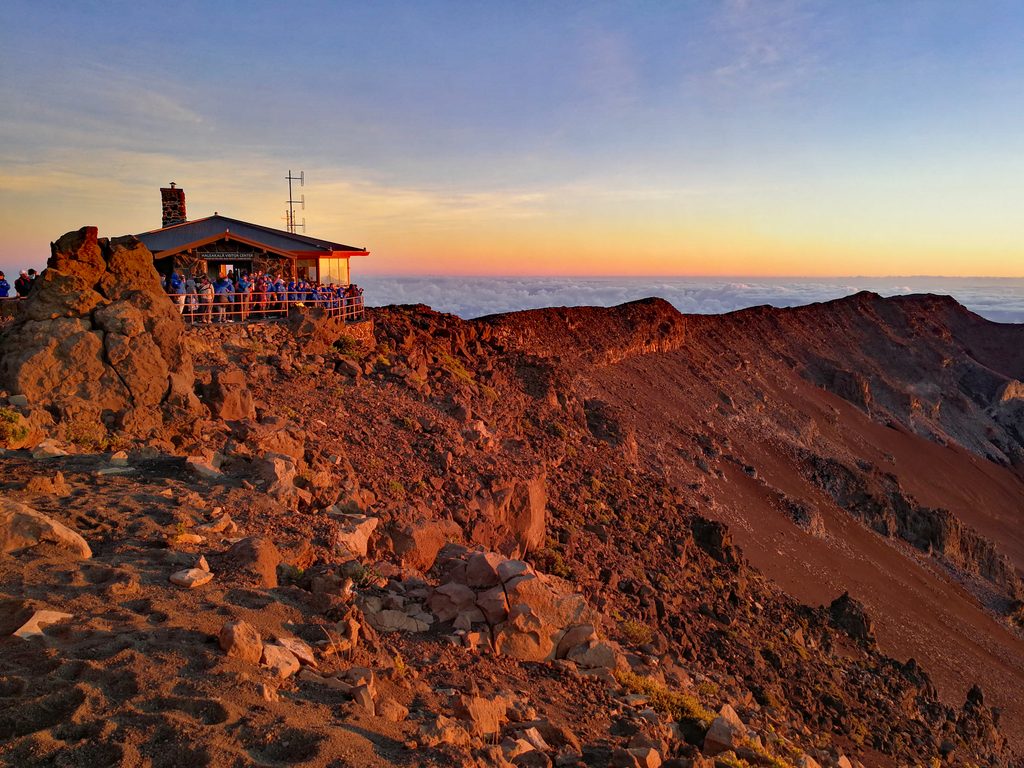
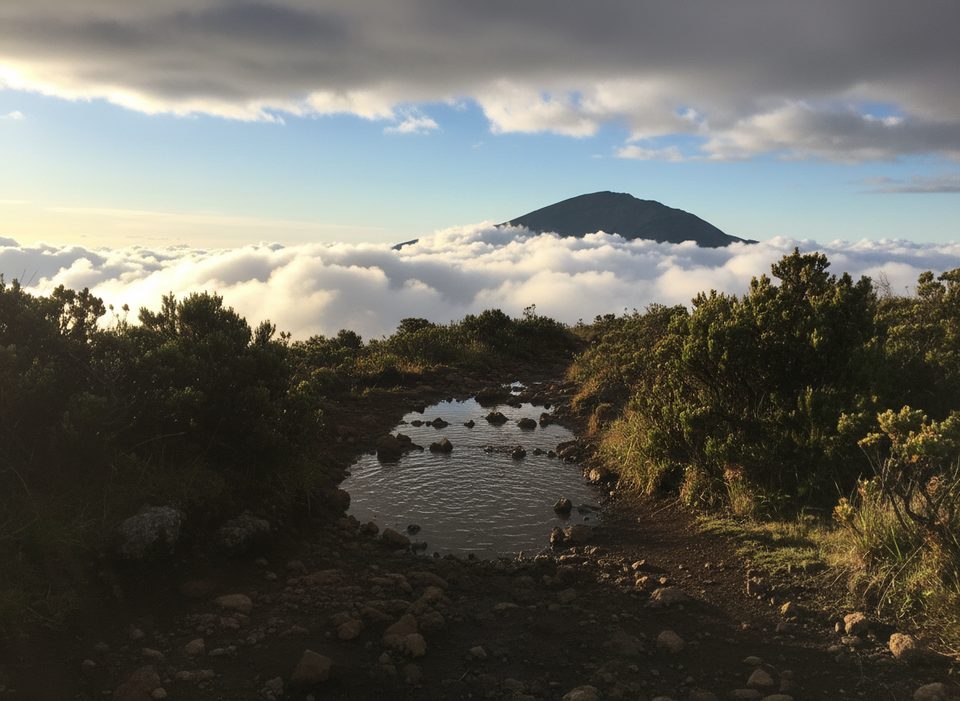
At 10,023 feet, Haleakalā Summit delivers the classic above-the-clouds experience: cinder desert terrain, a vast multi-colored crater below, and light that changes by the minute. It’s road-accessible, with parking at the top near Red Hill, but the environment is raw and exposed—come prepared for wind, cold, and quick weather shifts.
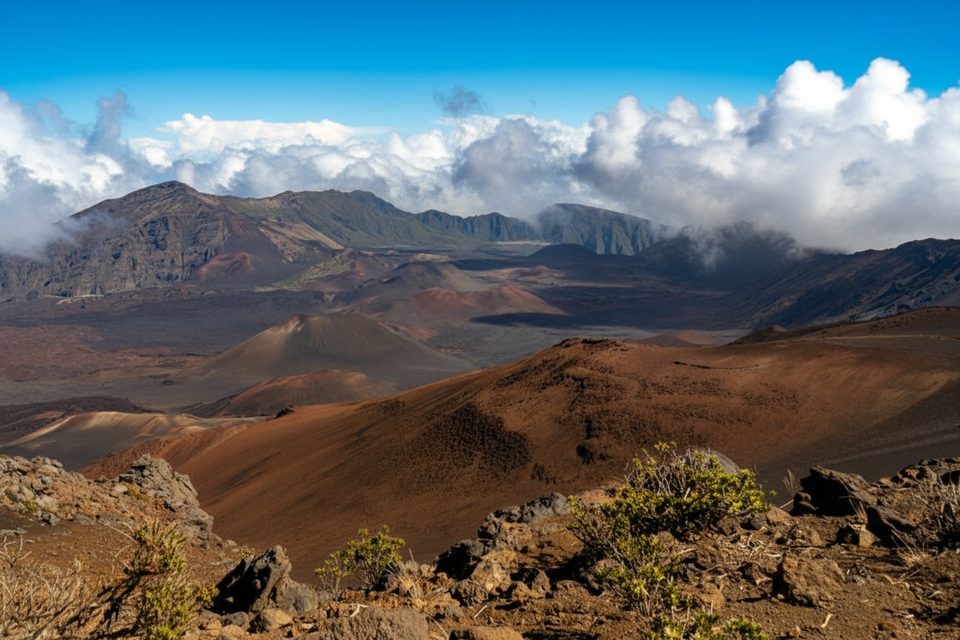
The summit is all drama: sweeping crater views studded with cinder cones, low-level clouds swirling below the rim, and some of the finest sky-gazing thanks to minimal light pollution. It’s the park’s headline sunrise and sunset spot, and on clear nights the stars put on a show.
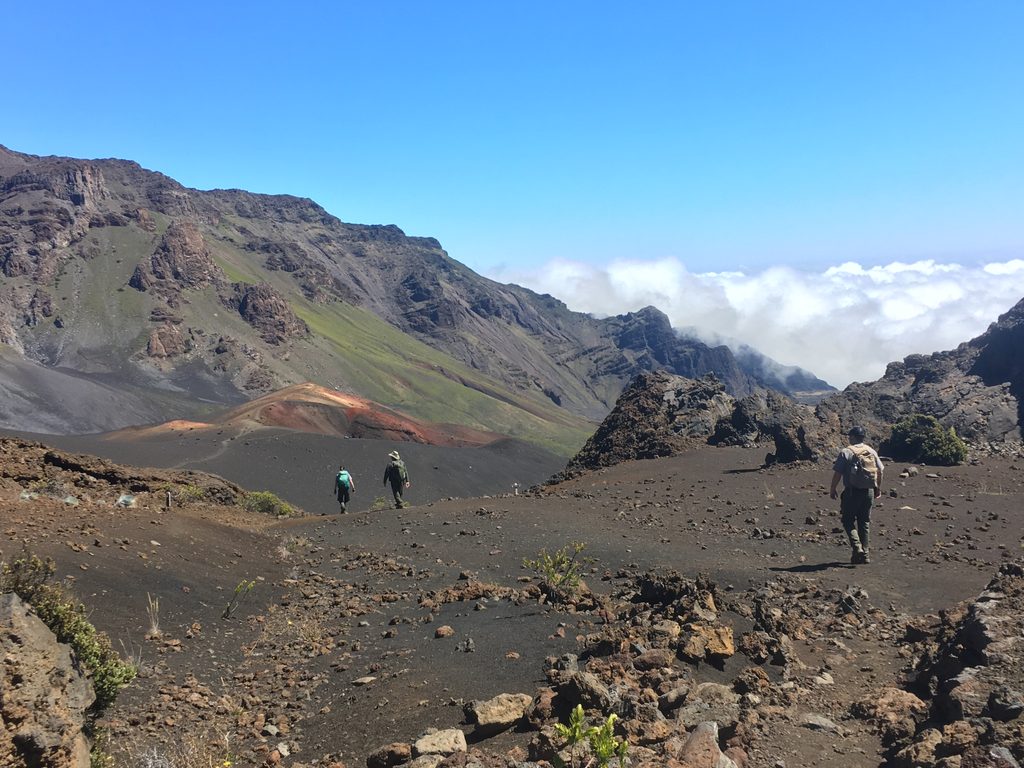
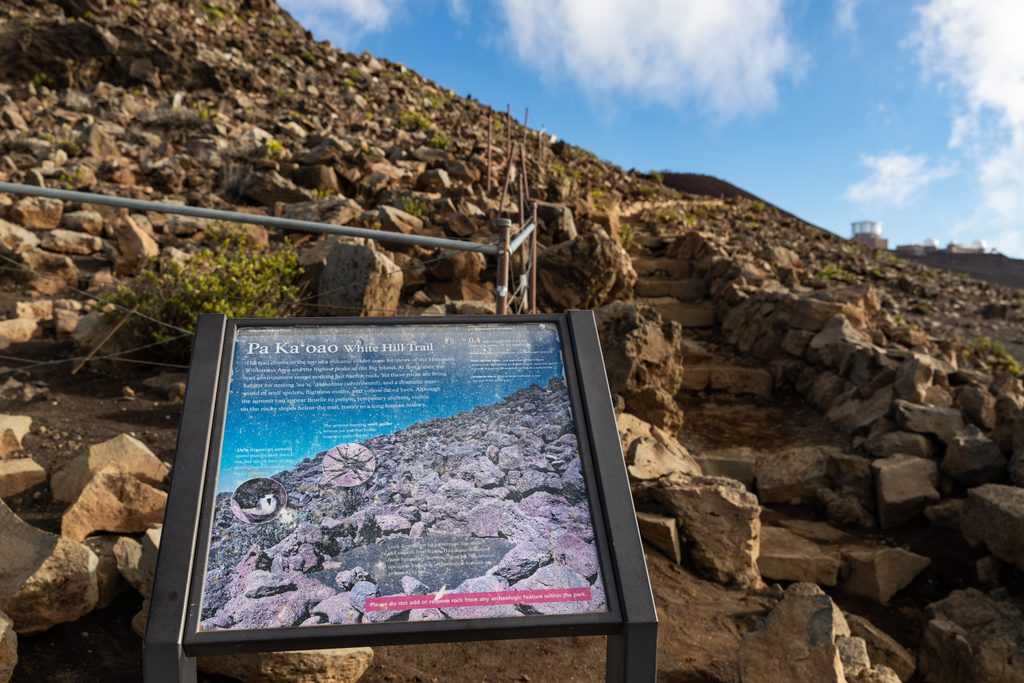
This is the jumping-off point for signature hikes into the crater, including the Sliding Sands (Keoneheʻeheʻe) route and connections toward the Halemauʻu side. Even short rim walks are rewarding if you’re not up for big mileage.
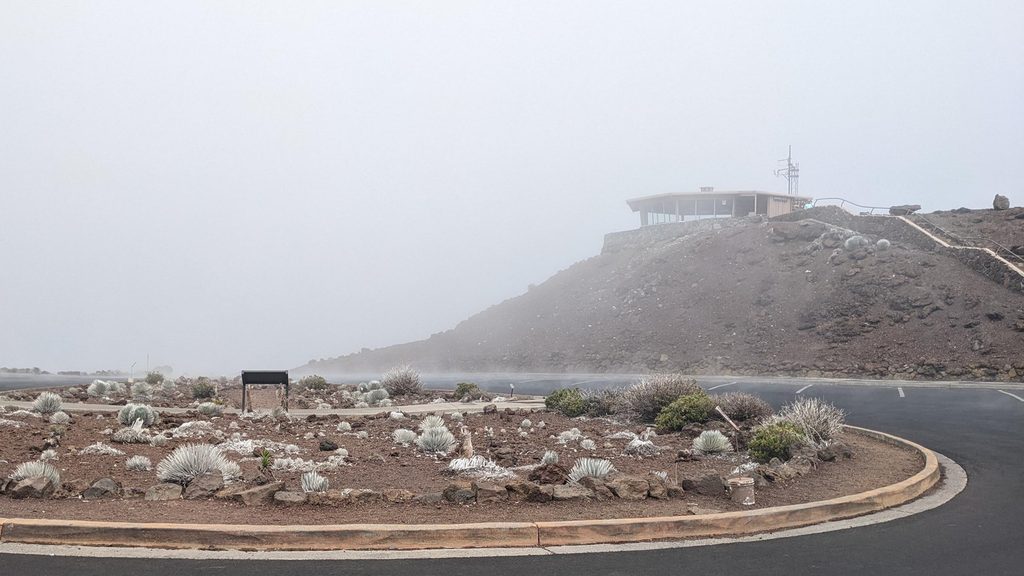
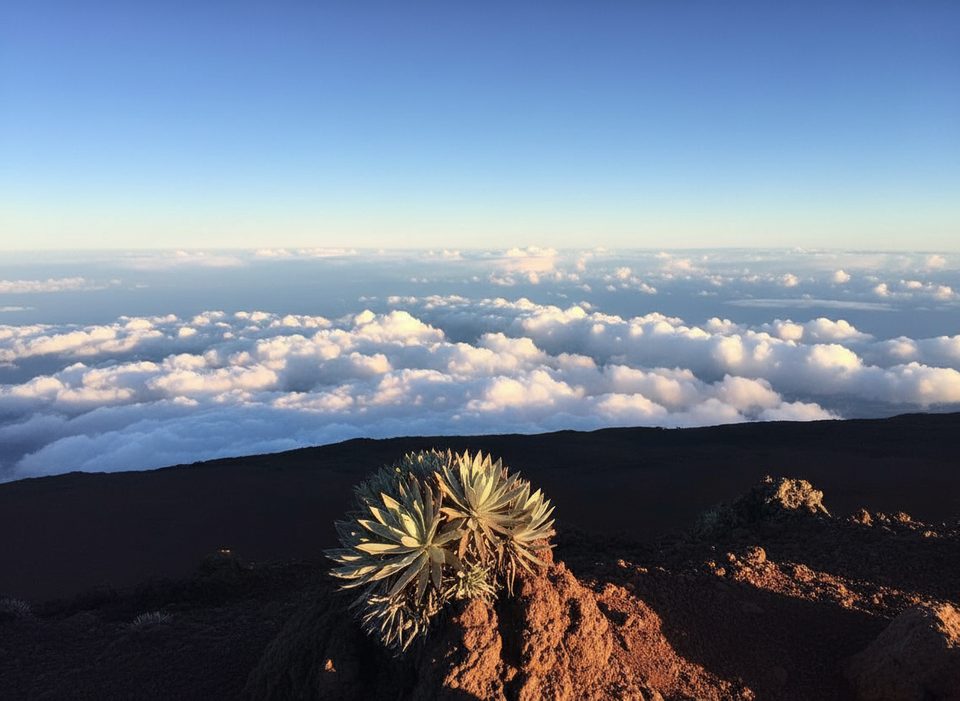
Keep an eye out for the Haleakalā silversword (‘āhinahina), found only on this volcano between roughly 7,000–10,000 feet. Bird sightings at the summit often include ring-necked pheasant and chukar. This is a protected, high-elevation ecosystem—stay on trail and give plants space.
The summit is a light-chaser’s playground. As the sun drops, colors flip fast; bracketing exposures helps with contrast. After dark, the sky can be spectacular—bring warm layers and a tripod if you’re serious about night shots.
You’re on a dormant shield volcano. That “crater” you’re admiring is largely carved by erosion, not a classic caldera. The austere soundscape up here is part of the experience—it’s remarkably quiet when the wind dies.
Place · 0.3 mi away
Place · 0.3 mi away
Place · 0.3 mi away
Place · 0.4 mi away
Easy · 0 mi away
Challenging · 0.3 mi away
Easy · 0.4 mi away
Challenging · 3.3 mi away

Parkwolf Tour Guide
