
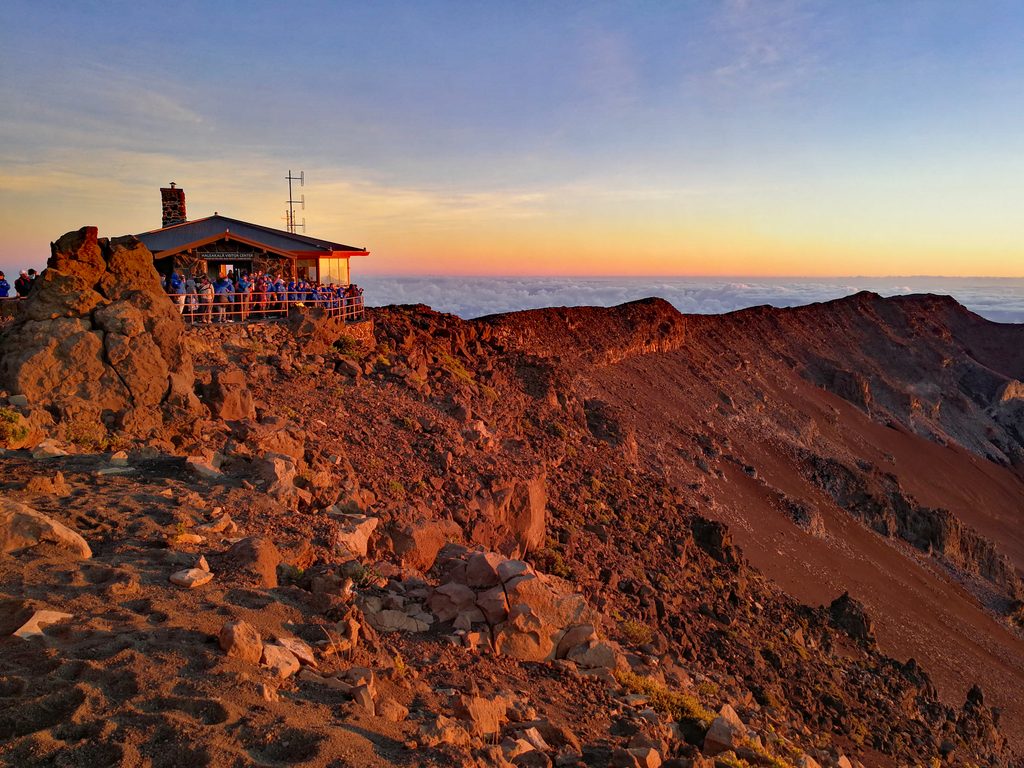
Place · 0.1 mi away
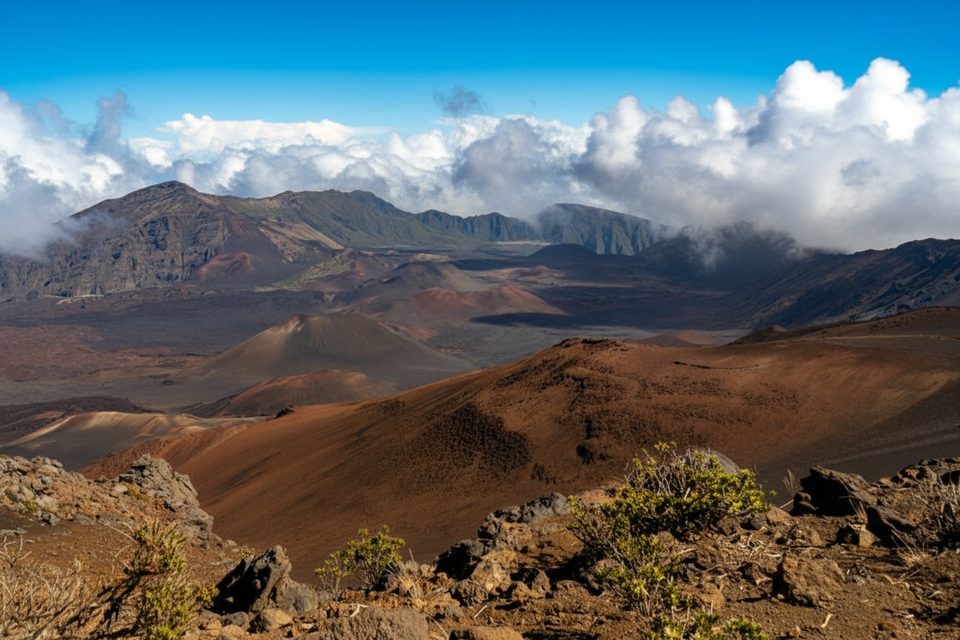
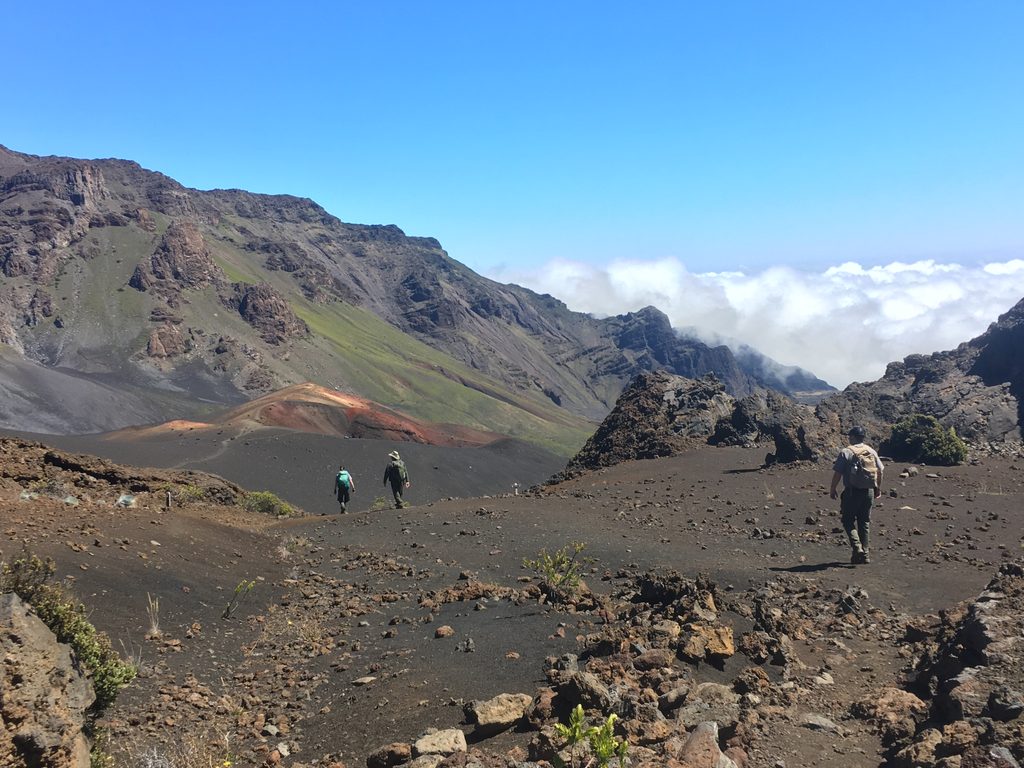
This is the summit-area gateway into the heart of the volcano. From the first steps, the Keoneheʻeheʻe (Sliding Sands) Trail drops off the rim and into a painted basin of cinder cones and ancient lava flows. It’s the classic way to experience the volcano’s interior—otherworldly, wide-open, and unlike anything else on Maui.
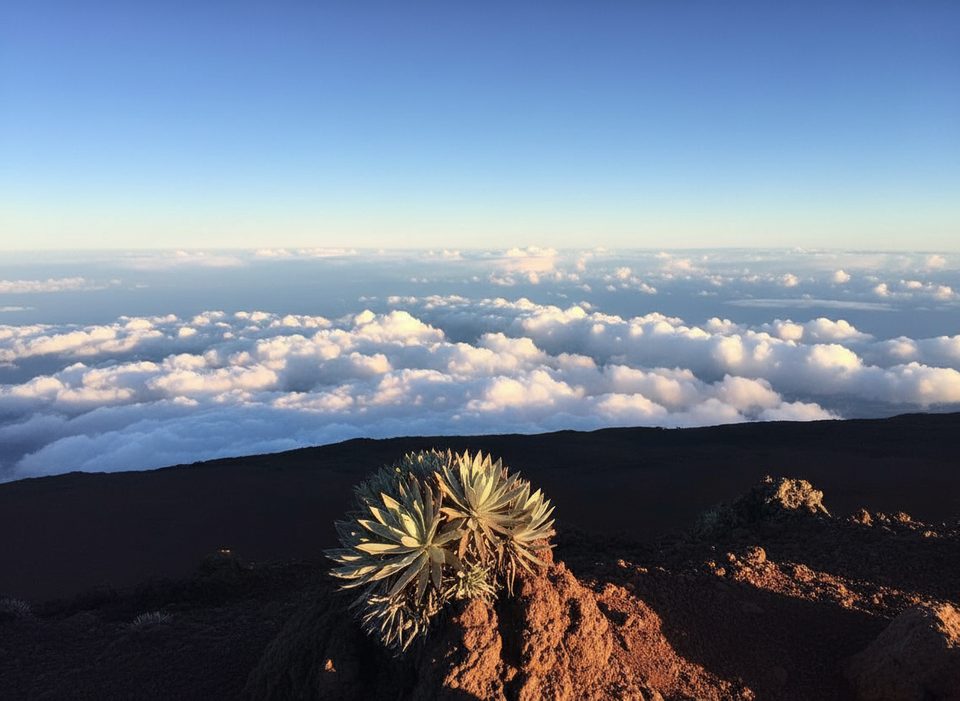
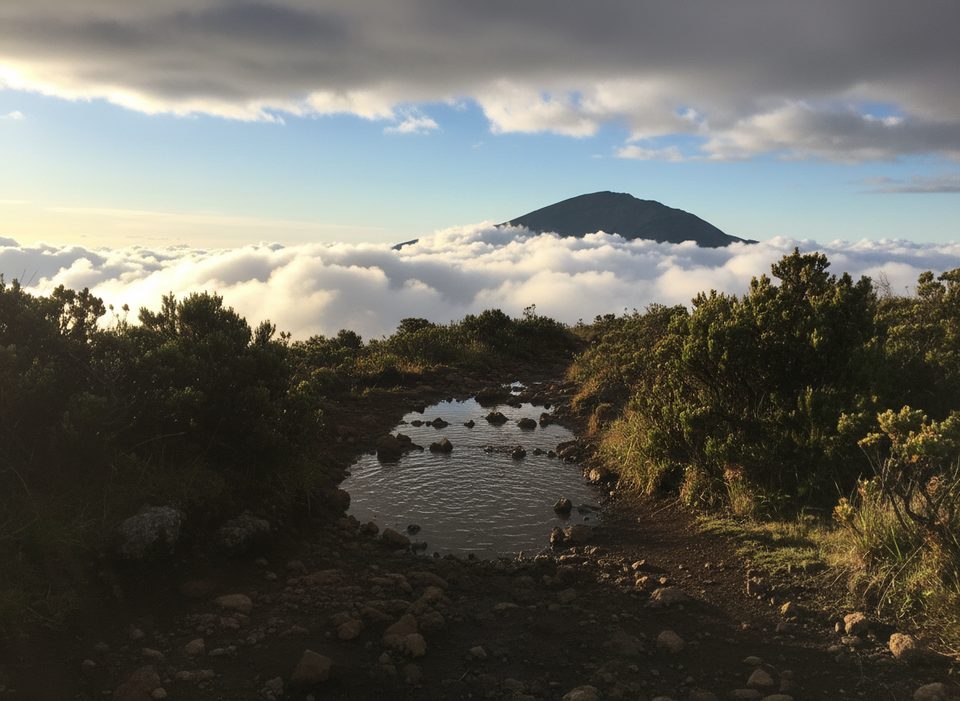
Expect sweeping views over the crater, shifting colors of red, orange, black, and gray ash, and sculpted cones rising from the basin. Keep an eye out for the rare Haleakalā silversword—its silvery rosettes dot the early sections of trail. On clear days you may hike above a sea of clouds; on moody ones, clouds drift through the crater for dramatic scenes.
This trailhead is the most direct drop into the crater. You can sample a short out-and-back for big scenery right away, or commit to longer adventures that continue deep into the basin. Many hikers pair it with the Halemauʻu Trail for a memorable point-to-point through the crater.
The name “sliding sands” is no joke—the footing is loose and sandy both down and up. The altitude (around 9,700–9,800 feet) makes uphill work feel harder, and there’s no shade. Weather changes fast; it can be cold and windy even in summer, yet the sun is intense when it breaks through.
The star here is the Haleakalā silversword—endemic, fragile, and strictly look-don’t-touch. You may also spot native birds, including nēnē and Hawaiian honeycreepers, but wildlife is generally sparse in this harsh alpine zone.
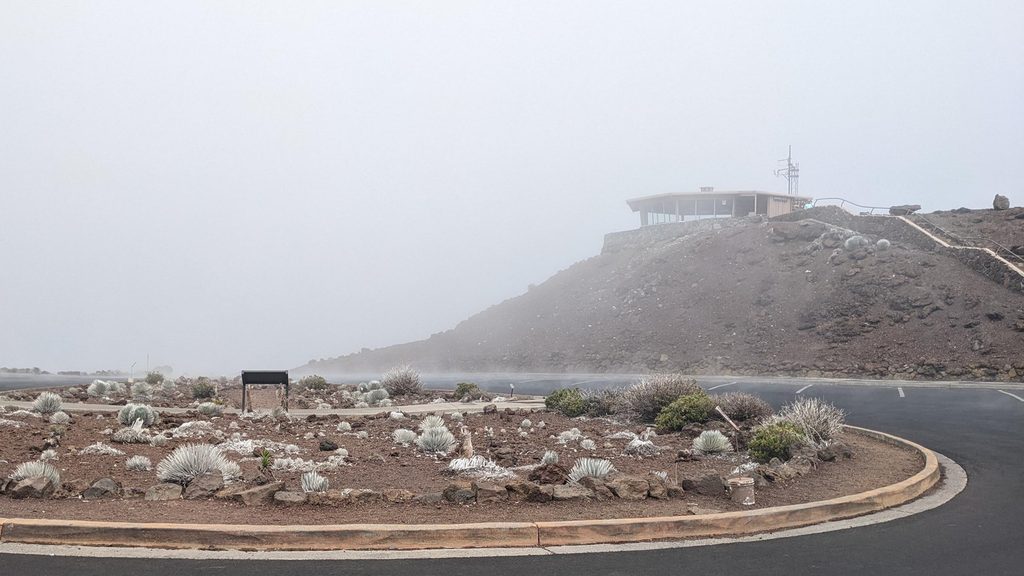
The trailhead sits by the Haleakalā Visitor Center parking area. There are restrooms nearby, but no water, food, or fuel at the summit—bring everything you need. During the sunrise window (roughly 3–7 am), entry requires a reservation; without one, you can enter starting at 7 am.
Morning typically brings clearer skies before afternoon clouds build. If you didn’t score a sunrise reservation, roll in after 7 am and start hiking early for cooler temps and better visibility. Sunset from the trailhead area can be lovely too—just mind your turnaround time so you’re not climbing back in the dark.
Place · 0.1 mi away
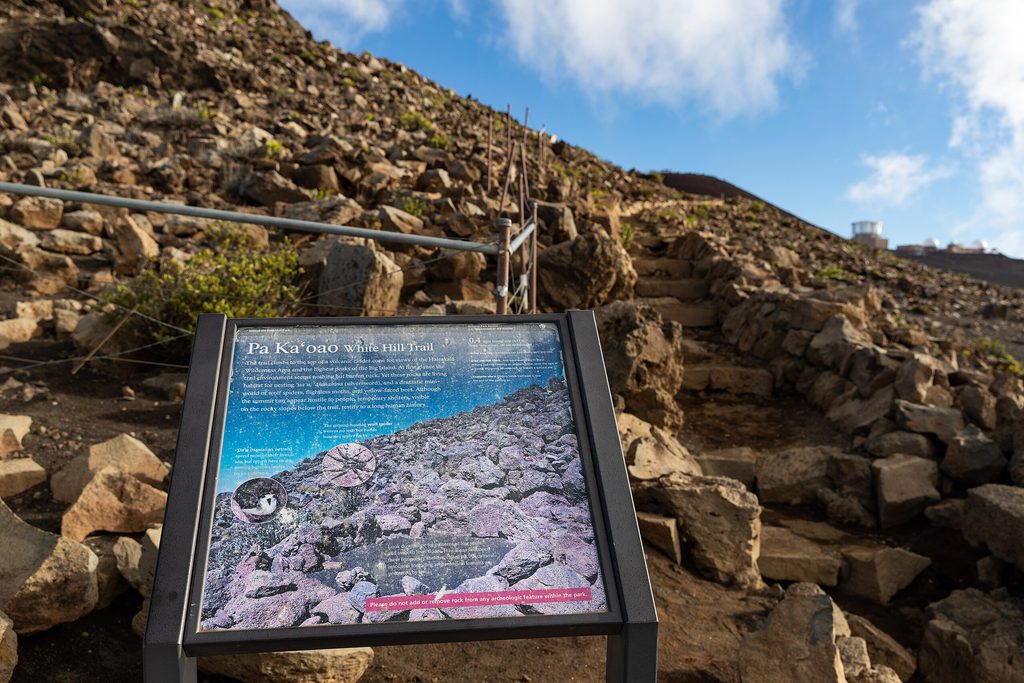
Place · 0.1 mi away
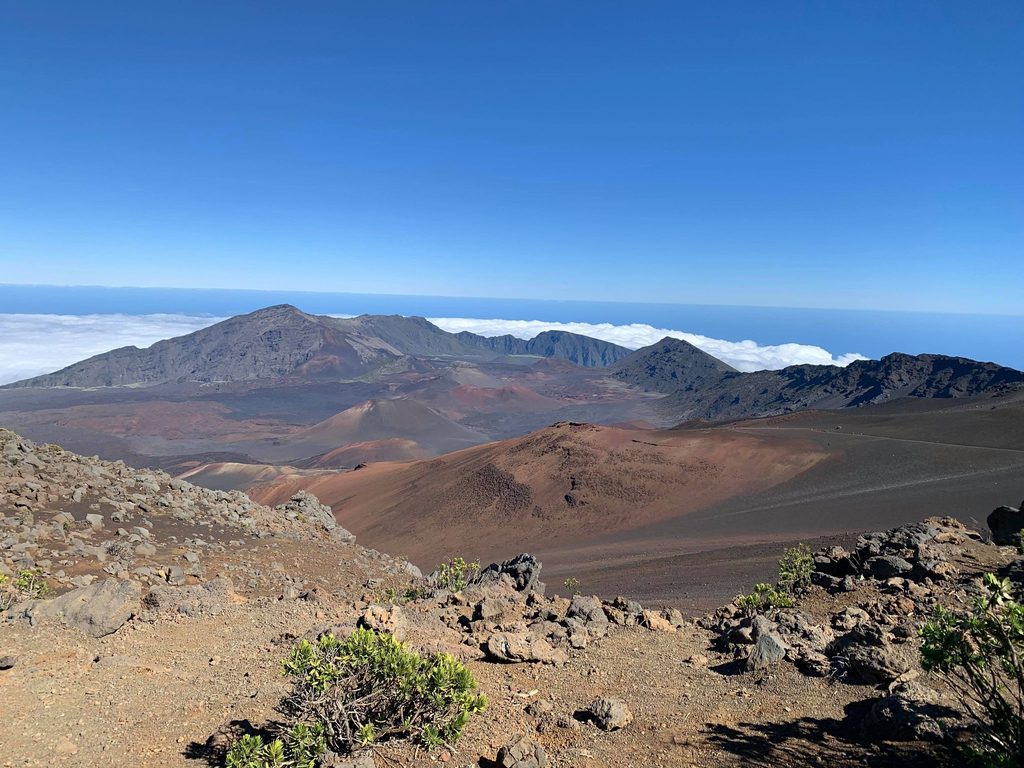
Place · 0.3 mi away
Place · 0.4 mi away
Challenging · 0 mi away
Easy · 0.1 mi away
Easy · 0.3 mi away
Challenging · 3 mi away

Parkwolf Tour Guide
