Parking
Start at the Keoneheʻeheʻe Trailhead in the Haleakalā Visitor Center parking lot, near the road.
#2 of 17 trails in Haleakalā
Haleakalā National Park, HI
Descend into the crater; save some strength for the climb out.
Overview
Map & elevation
Plan your hike

The highest, rockiest slopes around here are a summer buffet for grizzly bears.
Haleakalā Tour Guide
Parkwolf is a GPS audio tour guide for Haleakalā National Park. As you drive, it chimes in with what’s ahead: hidden gems, upcoming stops, history, geology, and wildlife, right through your car’s speakers.
Recorded for this trailhead
Haleakalā Visitor Center“Up ahead is Haleakalā Visitor Center, with a crater view right beside the building. Go to the railing first, especially if time is short; you don't need a hike for this stop.”
Plays as you drive up to this trailhead in the Parkwolf Haleakalā Tour Guide.
More stories near here in the app
“Fantastic app with many points of information… It’s great to just turn on while you’re driving and it gives you an audio tour of the national Park. We love it!!!!”


Trail guide
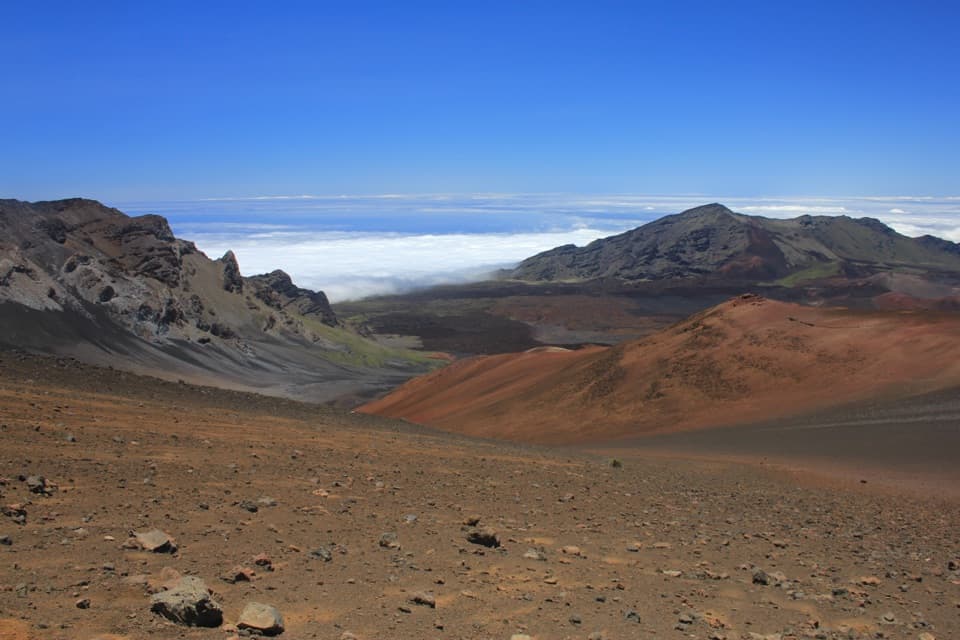
Keoneheʻeheʻe (Sliding Sands) is the steep route from the Haleakalā Visitor Center into the crater. This version goes 3.9 miles down to the crater floor and returns the same way: 7.8 miles round trip. The trailhead sits at about 9,740 feet, and the crater floor is nearly 2,500 feet lower. You have to climb all of that back out at high altitude, so this is a hard, exposed day hike for people comfortable with loose cinder and a long uphill finish. If you mainly want the crater view, the shorter overlook is a much better fit. For the full return, allow about eight hours and leave room for a slower climb out.
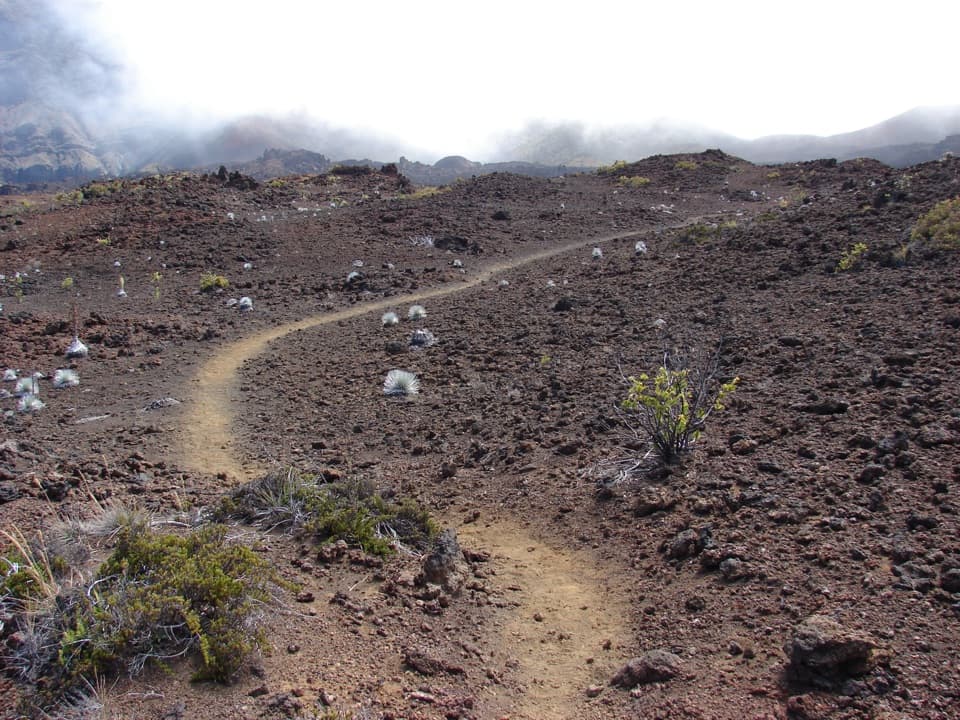
The first quarter-mile is rocky but fairly level. Then the trail steepens onto loose cinder and begins its long descent. The surface shifts underfoot, and the downhill can make the return look easier than it is. It isn't: the climb back is steep for much of the way, and park guidance warns that hiking out can take twice as long as going down. There is little shelter from sun or wind. Save energy for the way back rather than treating the descent as the hard part.
The first overlook is only half a mile round trip, with about 50 feet of elevation change. A larger natural overlook comes about a mile down, before the switchbacks; it is roughly two miles round trip, about 500 feet below the trailhead. That's the better choice if you want a substantial crater view without committing to the crater-floor climb. The official estimate is one to two hours for that shorter walk. Turn around there if the altitude or loose footing is affecting you; the full route does not get easier on the way out.
From the overlook and the route below it, the crater's puʻu (cinder cones) stand out against the broad volcanic slopes. Each cone marks a separate eruption site; the youngest is about 1,000 years old. At the crater floor, the landscape opens into a wide cinder basin rather than a single summit or viewpoint. Farther along the trail, about 5.7 miles from the start, are Pele's Paint Pot and Kawilinau, a volcanic pit 65 feet deep. Those features lie beyond the mapped crater-floor turnaround in this guide, so reaching them means extending the hike and adding miles to the return.
The Haleakalā silversword, or ʻāhinahina, grows in the summit region and is unique to Haleakalā. Its silver rosettes and tall flower stalks can stand out against the dark cinder, but the plants are easily damaged. Stay on the established path and don't step off for a closer look.
The named trail continues beyond the crater floor and forms part of a different 11-mile point-to-point hike that ends at Halemauʻu. That is a full-day crossing with another trailhead and no park shuttle; it needs its own transportation plan. The route mapped here turns around at the crater floor and returns to the Visitor Center, so don't use the crossing's mileage or logistics for this out-and-back.
Begin at the Keoneheʻeheʻe trailhead in the Haleakalā Visitor Center parking lot, near the road. Restrooms and a water fountain are by the center; there is no dependable water on the trail and no food or supplies for sale in the park. Fill up before leaving the lot. No separate reservation is required for the day hike, but overnight cabins and camping need advance reservations. Pets are prohibited on park trails, and groups may not exceed 12 people.
Conditions can change quickly at the summit. Typical temperatures are around 30–65°F, and wind chill can push them below freezing; at the same time, the open crater has strong sun and ultraviolet exposure. The route is high, steep and exposed, with no dependable water after the start. If you develop headache, nausea, dizziness or unusual shortness of breath, turn around rather than pushing farther into the crater.
Wildlife
 446 sightingsHawaiian GooseMost seen around 7 AMSighting map
 28 sightingsHawaiian Short-eared OwlMost seen around 6 AMSighting map
 22 sightingsGreen Sea TurtleMost seen around 11 AMSighting map
 648 sightingsʻIʻiwiMost seen around 8 AMSighting map
 363 sightingsʻApapaneMost seen around 9 AMSighting map
 209 sightingsHawaiʻi ʻAmakihiMost seen around 7 AMSighting map
Sighting maps show where each species has been reported across Haleakalā. Wildlife moves, so no sighting is guaranteed.
Keep exploring
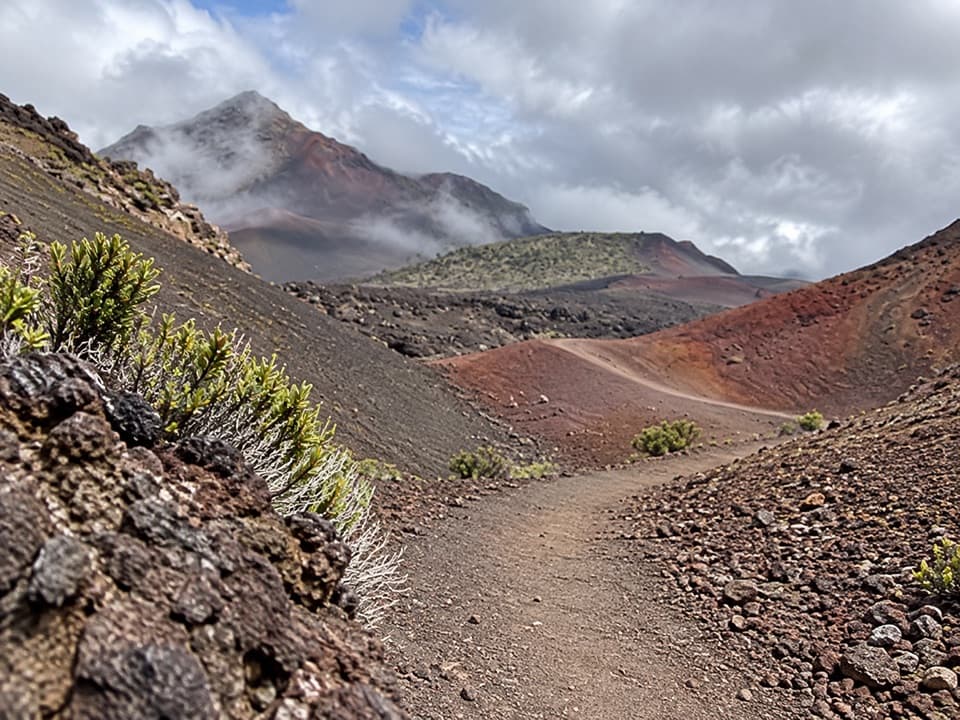 ChallengingHalāliʻi and Puʻunaue Trail12.6 mi · 8.5 hr · At the trailheadCircle two vivid cinder cones, then climb back to the rim.
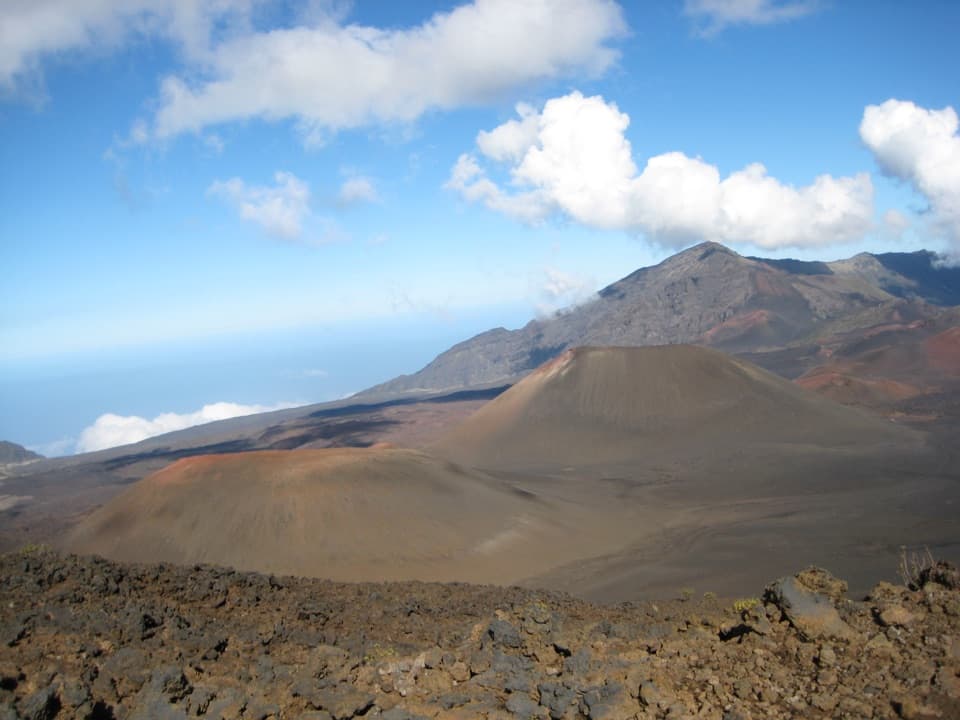 ChallengingKeoneheʻeheʻe to Halemauʻu Trail11 mi · 7 hr · At the trailheadAn 11-mile crater crossing ends with a steep climb out.
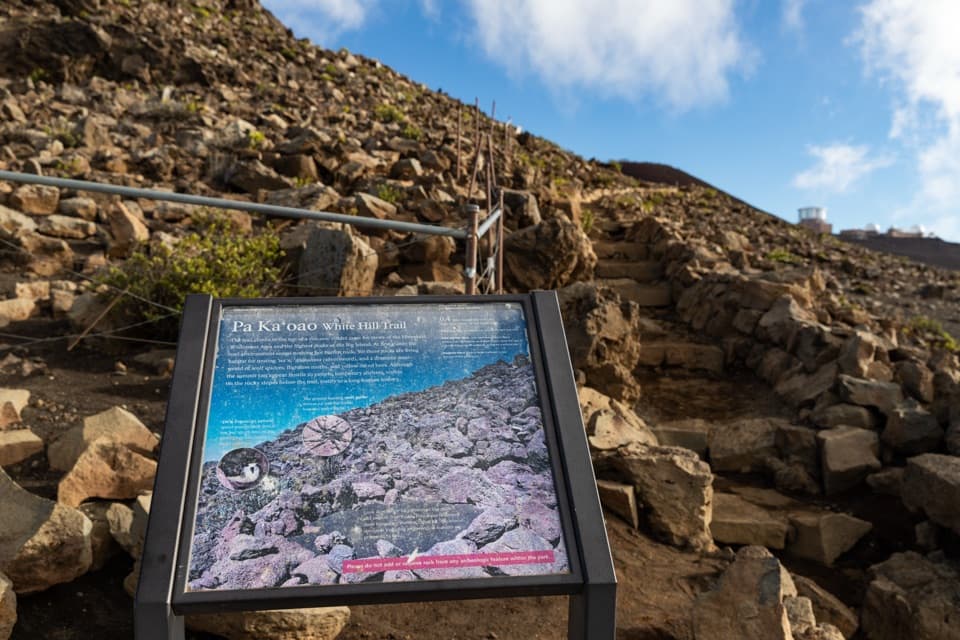 EasyPā Kaʻoao Trail0.4 mi · 36 min · 0.1 mi awayShort climb, crater views, and a hillside of old stone enclosures.
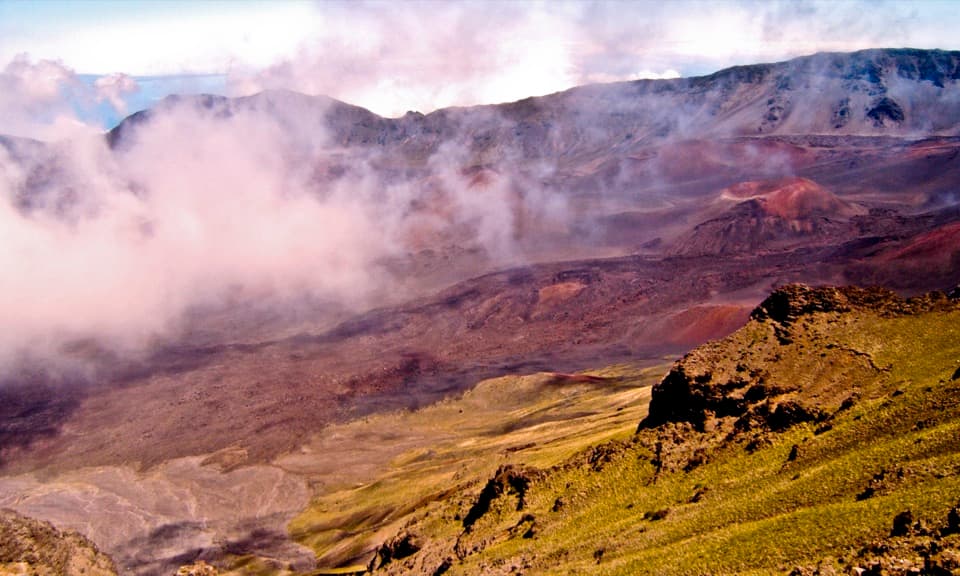 EasyRed Hill Overlook Summit Trail0.2 mi · 15 min · 0.3 mi awayA few minutes reaches Maui's 10,023-foot summit viewpoint.
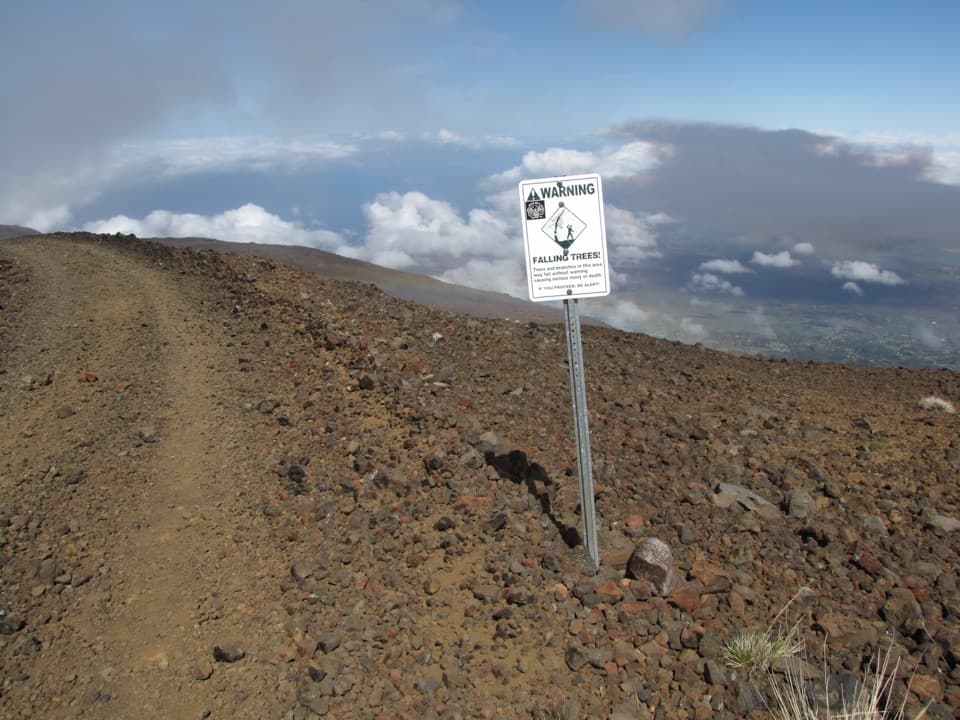 ChallengingSkyline Trail6.7 mi · 4.5 hr · 0.9 mi awayA high-altitude traverse across Haleakalā’s volcanic rift
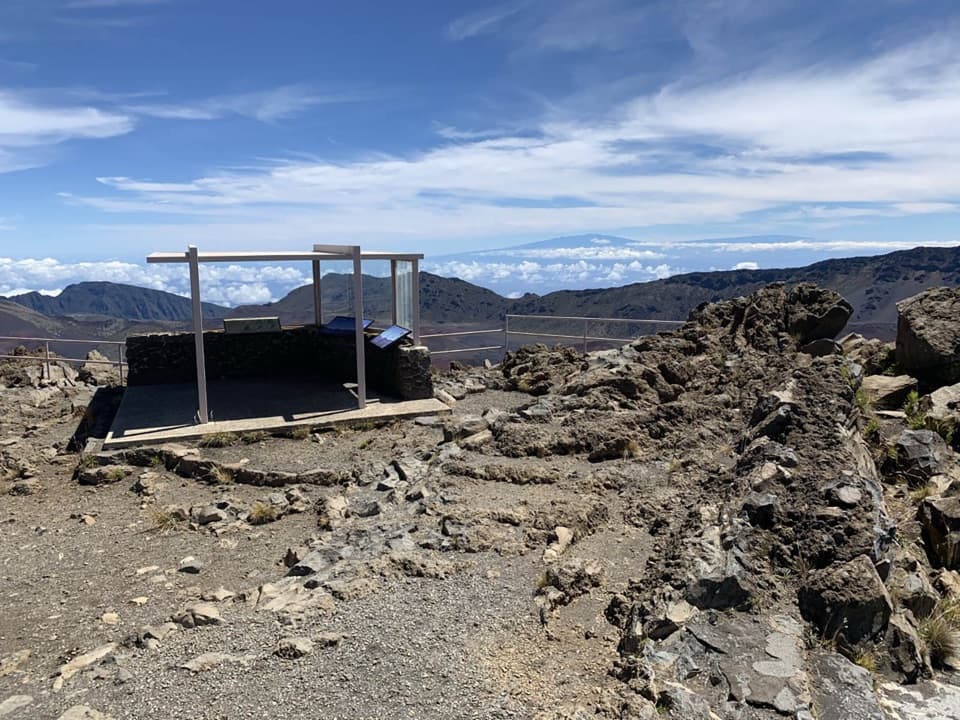 EasyKalahaku Overlook Trail0.1 mi · 30 min · 1.9 mi awayA short crater-rim walk to a historic shelter and huge views.
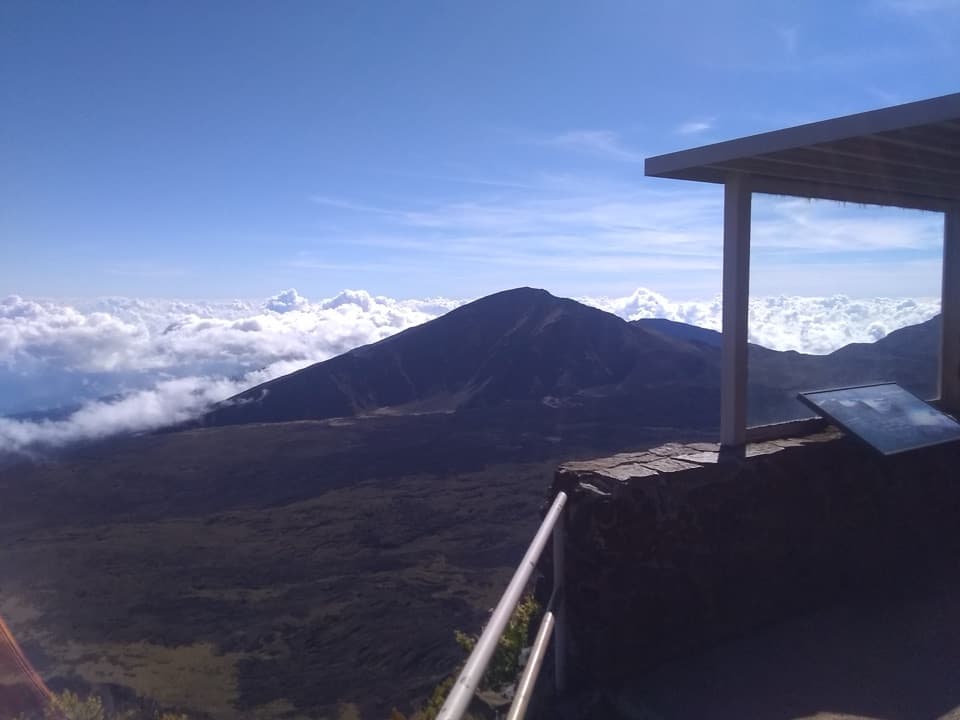 EasyLeleiwi Overlook Trail0.3 mi · 30 min · 2.4 mi awayA short uphill walk to one of Haleakalā’s crater views.
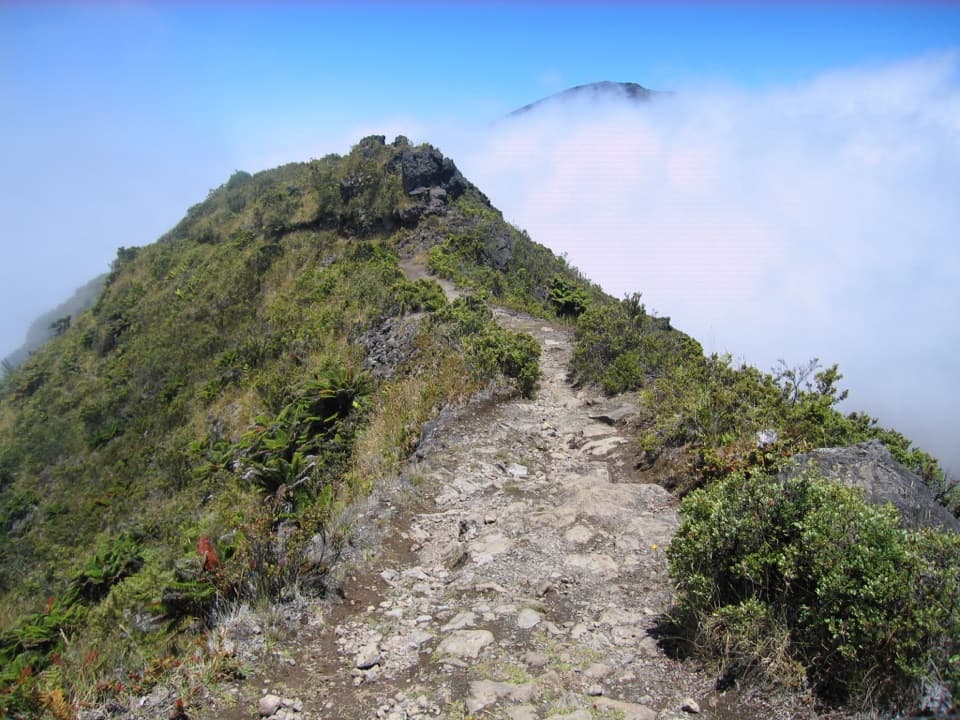 ModerateHalemauʻu Trail2.7 mi · 2.5 hr · 3 mi awayA short trail to a natural bridge at the crater rim.
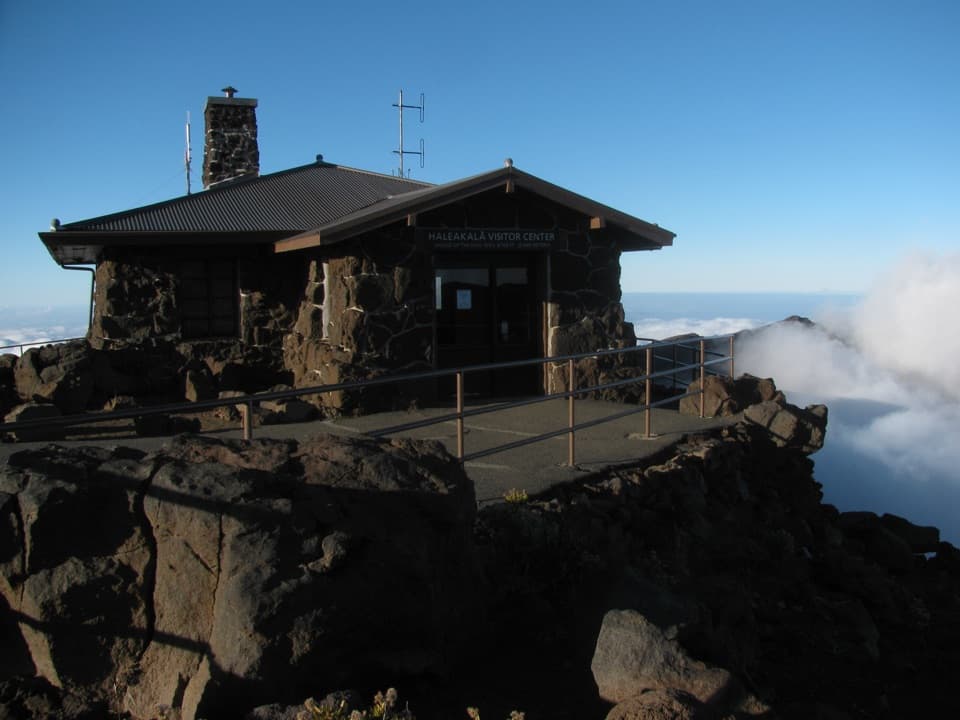 Visitor center · 0.1 mi awayHaleakalā Visitor CenterSee the summit depression from its high, railed edge.
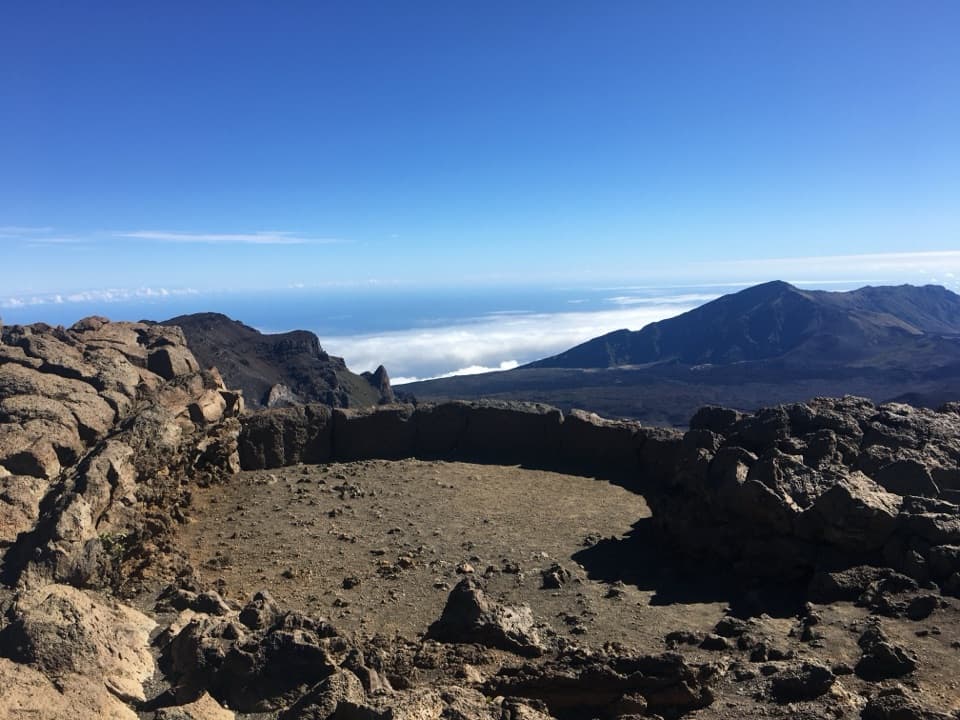 Sight · 0.1 mi awayPā Kaʻoao OverlookA short climb earns a closer look into the summit valley.
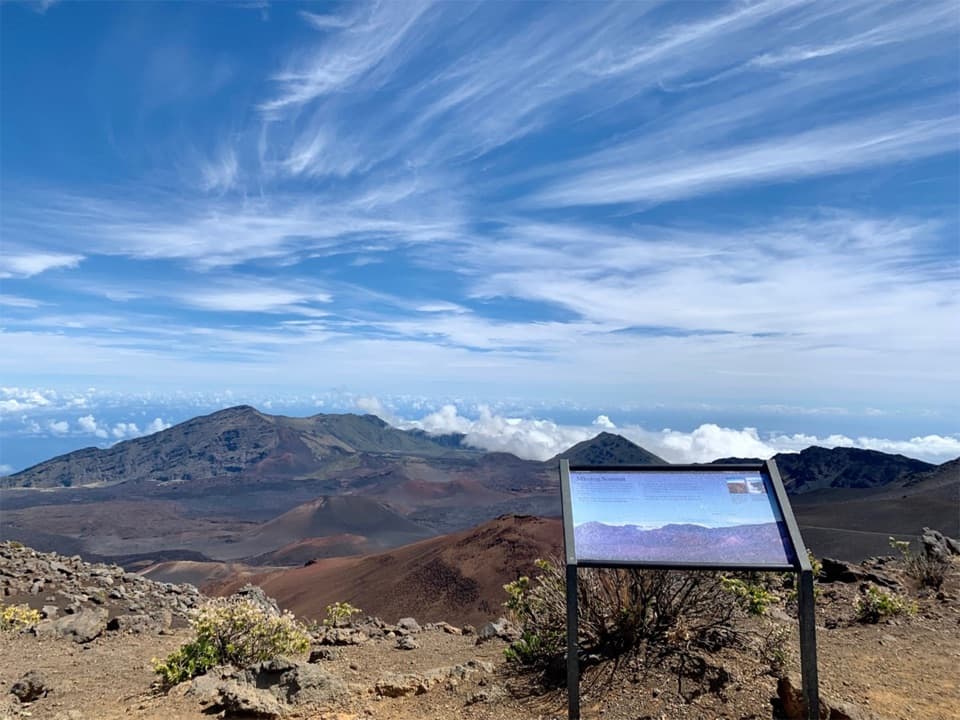 Sight · 0.2 mi awayKeoneheʻeheʻe OverlookA half-mile walk reaches a signed wayside above Haleakalā’s crater.
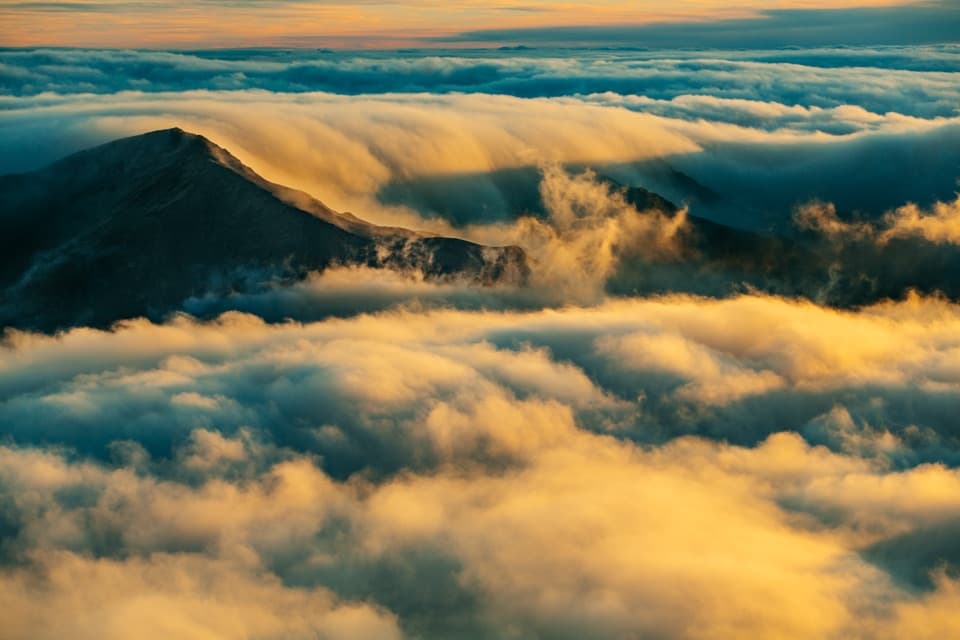 Sight · 0.3 mi awayPuʻuʻulaʻula SummitA drive-up 10,023-foot view, if the clouds cooperate.
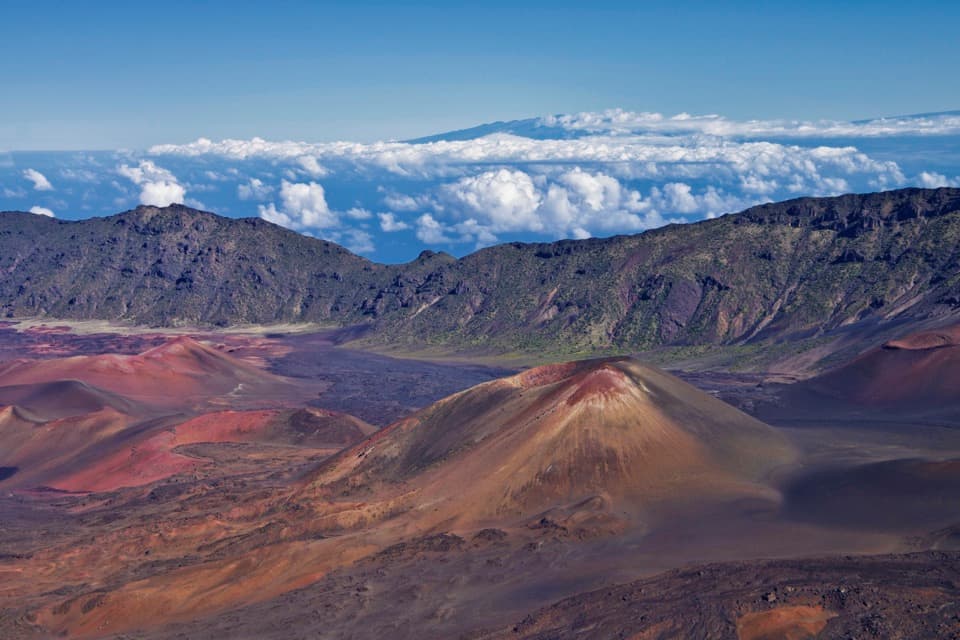 Sight · 1.9 mi awayKalahaku OverlookA short walk to another angle on the crater and its cones.Sight · 2.5 mi awayLeleiwi OverlookA short, rocky climb to the crater’s north-shore gaps.
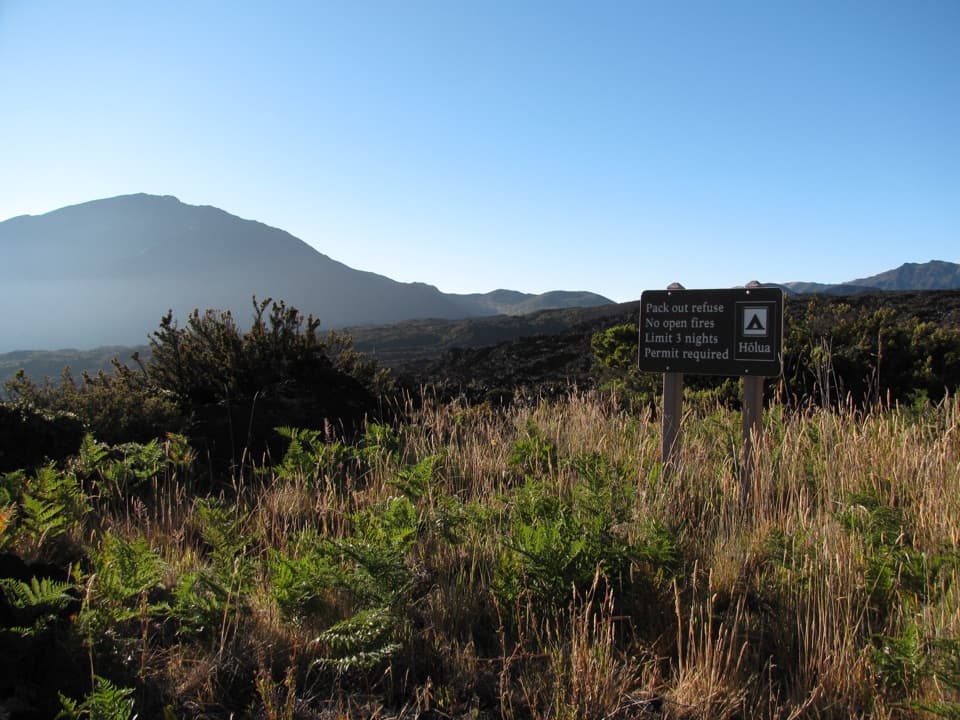 Campground · 2.7 mi awayHōlua Wilderness CampgroundQuiet crater camping, reached by trail; the sandy hike out takes longer.
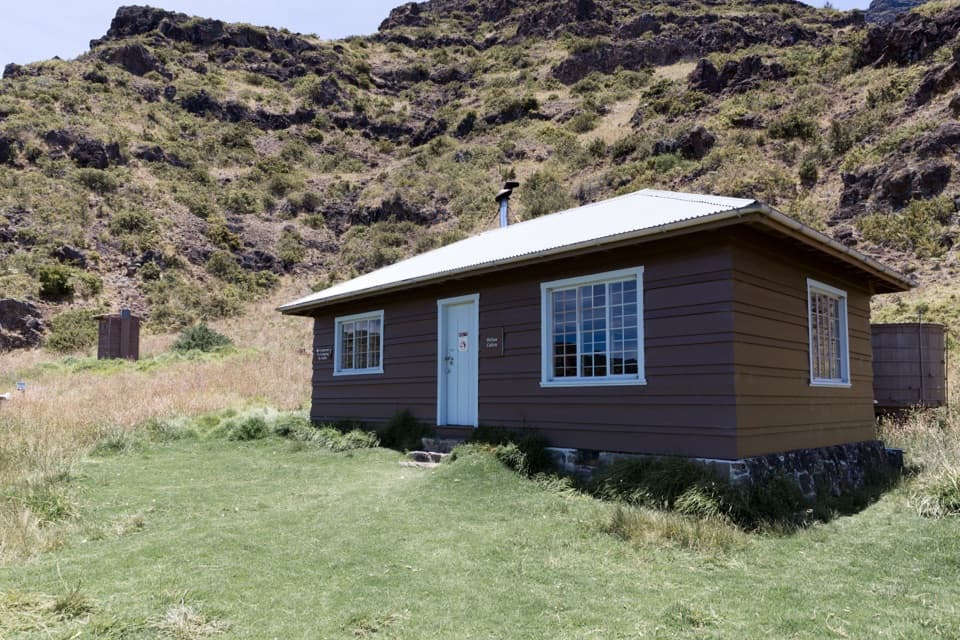 Lodging · 2.8 mi awayHōlua CabinA historic crater cabin for a demanding overnight hike.
Parkwolf’s Haleakalā ranking

The audio tour guide for the drive, plus offline maps, trails, and wildlife heatmaps for when the signal drops.