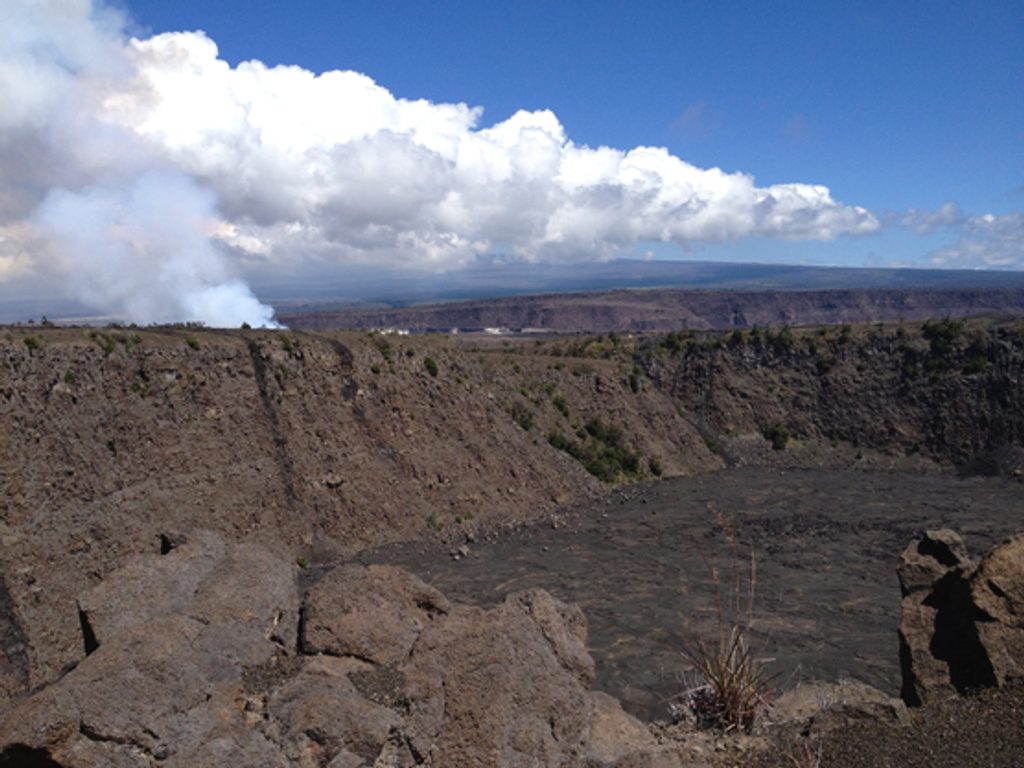
Keanakāko‘i Crater Overlook

Easy walk to a dramatic pit crater with big summit views
Keanakāko‘i Crater Overlook, Hawaiʻi Volcanoes National Park
InsideHawaiʻi Volcanoes National Park

Why go

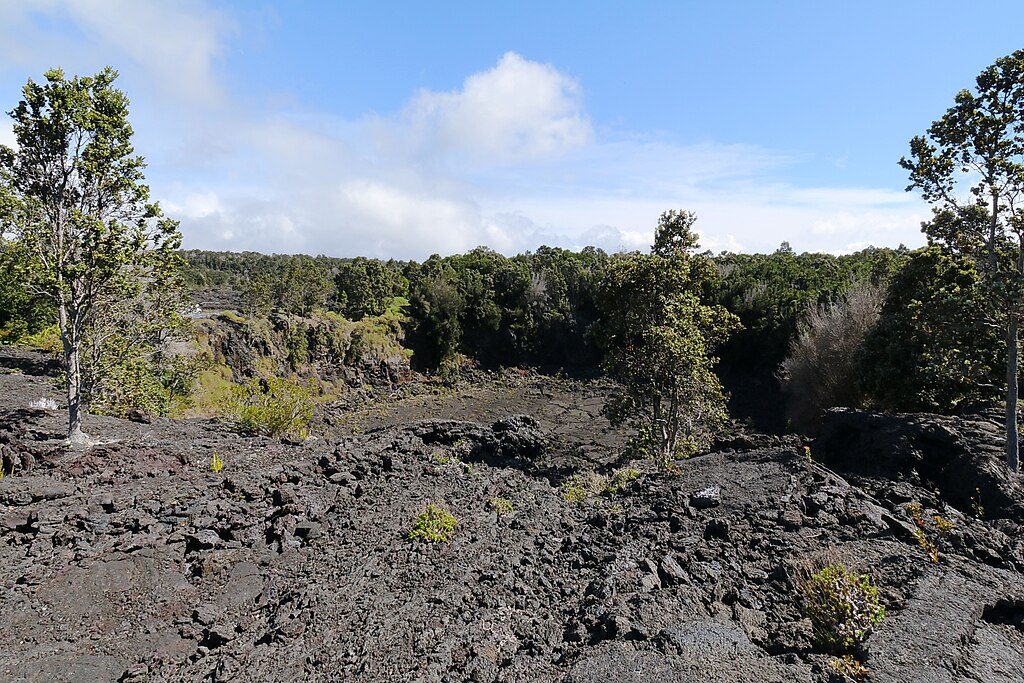
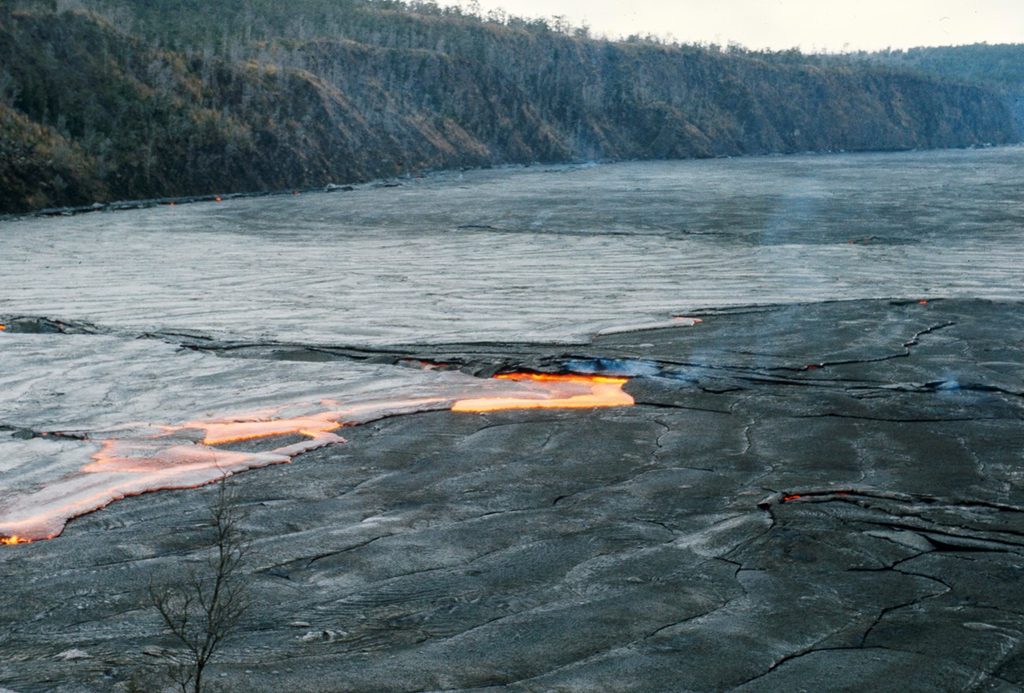
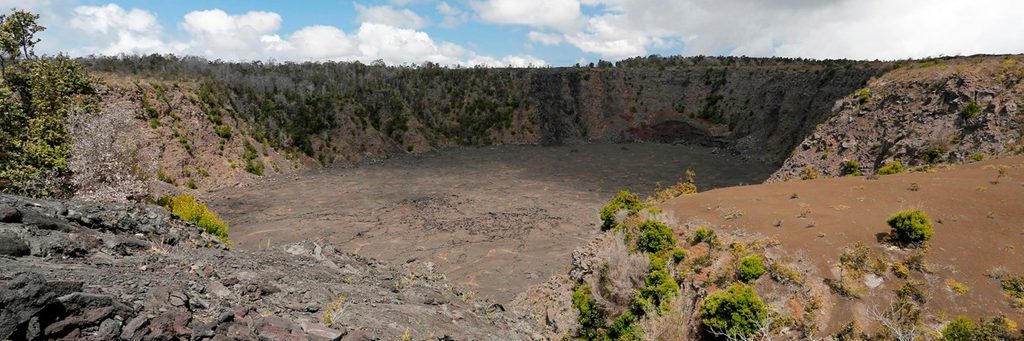
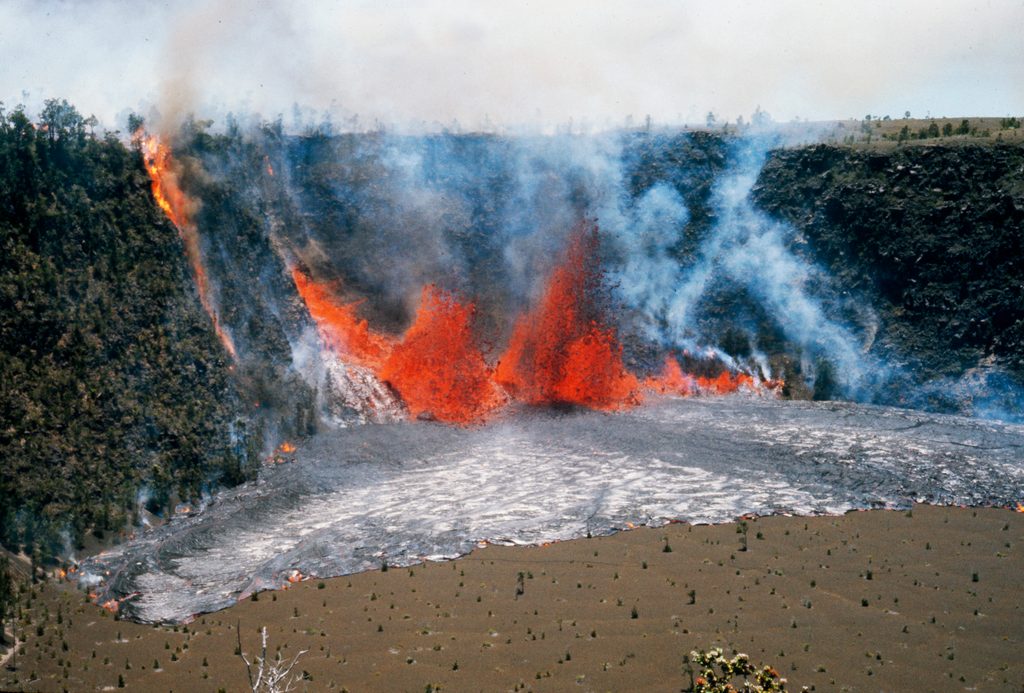
Keanakākoʻi Crater Overlook is a quick win: an easy walk with a huge payoff. You’re peering into a stark pit crater on the rim of Kīlauea, with wide-open views across the summit region. During eruptive periods, this has been one of the best legal, signed spots to glimpse lava activity from a safe distance.

What you’ll see

  • Keanakākoʻi, a sheer-walled pit crater formed during historic summit collapses, with layered lava and ash exposures.
  • Broad summit panoramas; on clear days you can pick out distant volcanoes on the horizon.
  • When the summit is active, glow or fountaining may be visible from here—especially at dusk or after dark.

Getting there

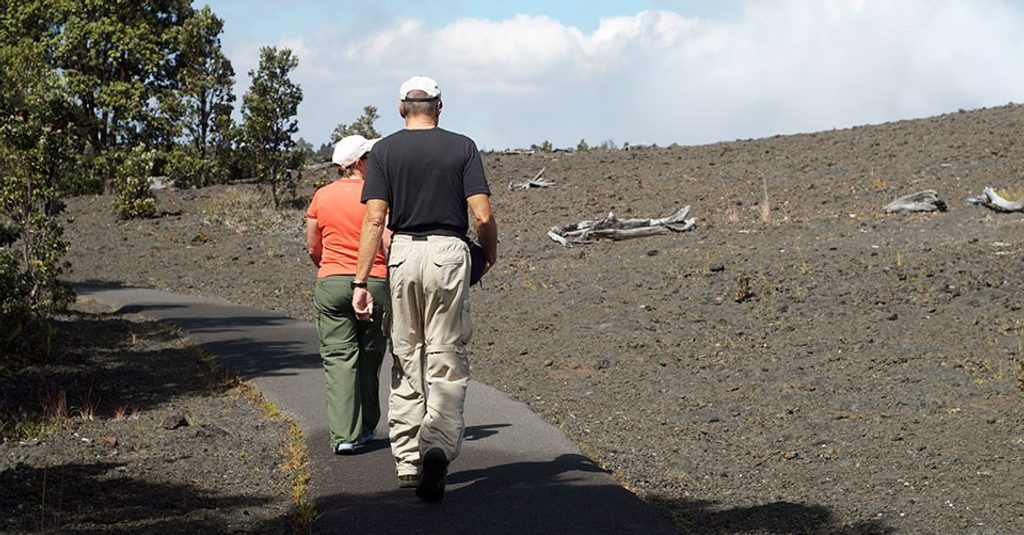
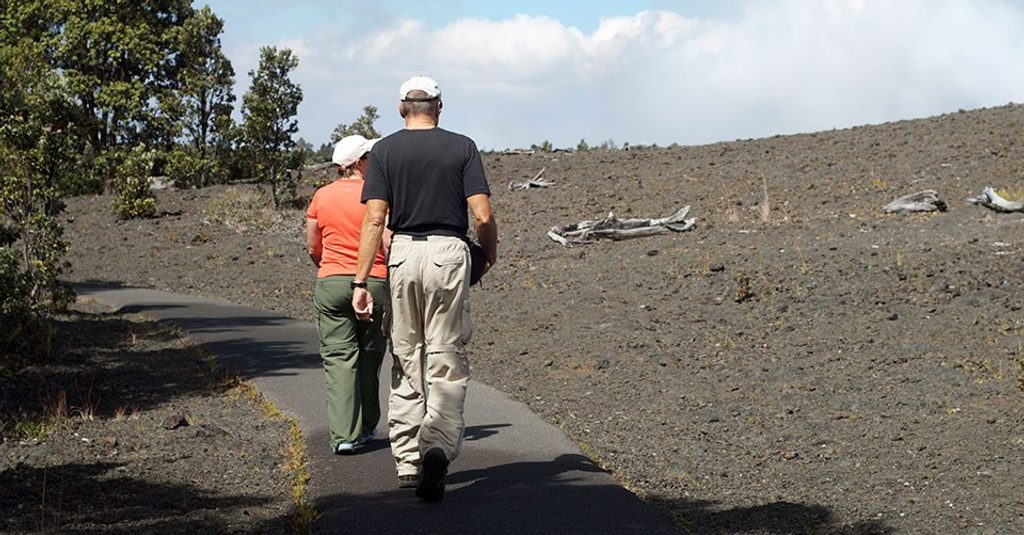
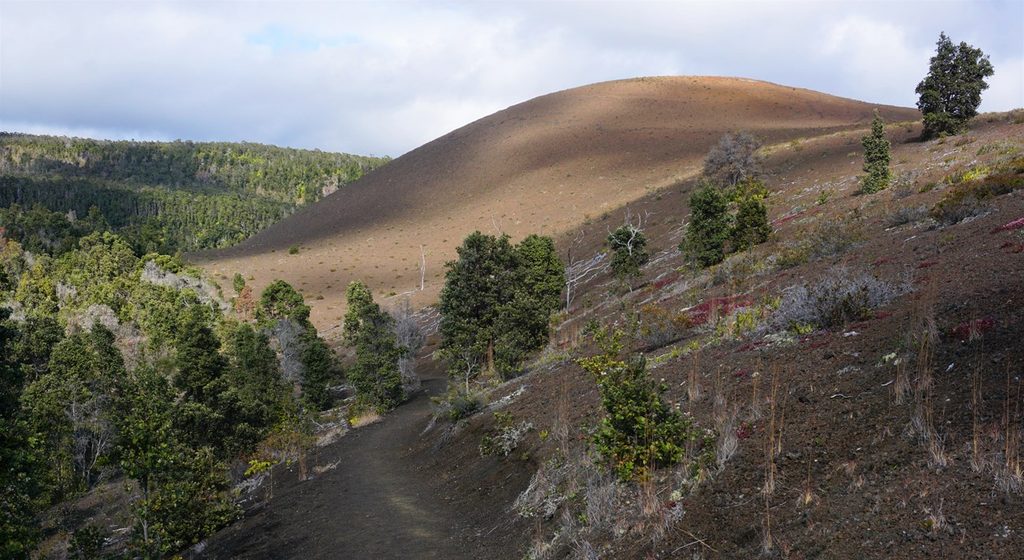
Park at the Devastation Trailhead on Crater Rim Drive. From the lot, follow the signed route along the closed Old Crater Rim Drive—mostly paved—about 1 mile each way. The final approach is a marked dirt path to the rim and the overlook. Plan 1–1.5 hours roundtrip. A restroom is at the Devastation Trailhead; there are no facilities at the overlook.

History and geology

Keanakākoʻi translates to “cave of the adzes,” a nod to traditional stone-adze making in this area; an adze quarry on the crater floor was reportedly buried by an 1877 lava flow. The crater itself sits on Kīlauea’s summit boundary fault and formed during major collapses between the 1500s and 1700s. Interpretive panels at the overlook tie the landscape to these stories.

Wildlife

Nēnē (Hawaiʻi’s native goose) are known to frequent the summit area. Enjoy them from a distance and never feed wildlife.

Make the most of it

  • Bring layers and rain gear: at roughly 3,700 feet, the summit is cooler, windier, and weather can change fast.
  • Pack water and a snack; there’s no water at the overlook.
  • A zoom lens or binoculars helps pick out activity and detail on the crater walls.

Best time to visit

  • Early morning: cooler temps, softer light, and thinner crowds.
  • Late afternoon to dusk: dramatic light; if the summit is active, twilight and night offer the best lava glow.
  • When eruptions are ongoing, expect more people near sunset and after dark—arrive early to settle in.
  • Always check current NPS advisories for closures and eruption updates before you go.

Pros

  • Short, easy 2-mile roundtrip from Devastation Trailhead
  • Big views into a dramatic pit crater; occasional lava viewing during summit activity
  • Informative interpretive signs on geology and cultural history

Cons

  • No guarantee of visible lava
  • No water or restrooms at the overlook itself

Tips

  • Park at Devastation Trailhead and follow the closed Old Crater Rim Drive for ~1 mile.
  • Bring layers and rain gear; the summit is cool, windy, and changeable.
  • Carry water—there’s none at the overlook; use the restroom at the trailhead.
  • Check NPS eruption updates; lava visibility changes frequently.
  • For potential lava glow, aim for dusk or after dark and arrive early to stake a spot.
The Parkwolf tour guide sitting on a phone mounted in a car

Parkwolf Tour Guide

Like a tour guide in your car.

Save the places you found around Hawaiʻi Volcanoes, then let Parkwolf guide the drive between them.Download Parkwolf on the App Store