Mauna Loa Summit

Remote caldera views atop a giant shield volcano
Mauna Loa Summit, Hawaiʻi Volcanoes National Park
InsideHawaiʻi Volcanoes National Park

Overview

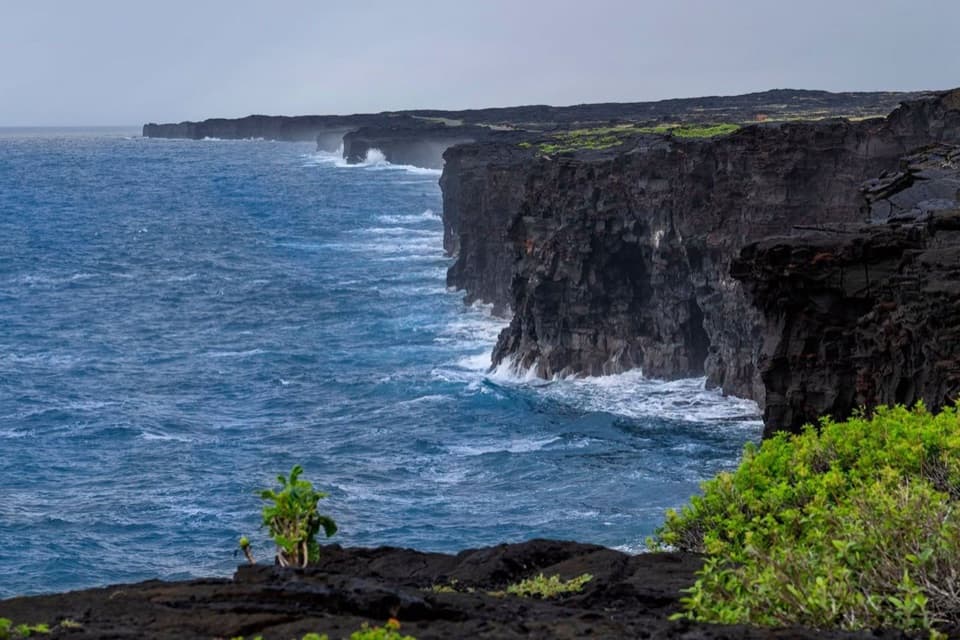
Mauna Loa Summit is the park’s wild crown: a 13,678‑foot perch on the world’s largest active shield volcano. It’s remote, stark, and far less visited than Kīlauea—exactly why it feels so special. The payoff is standing along the rim of Moku‘āweoweo, the summit caldera, with sprawling views that can stretch to Mauna Kea, Hualālai, and the Pacific.

What You’ll See

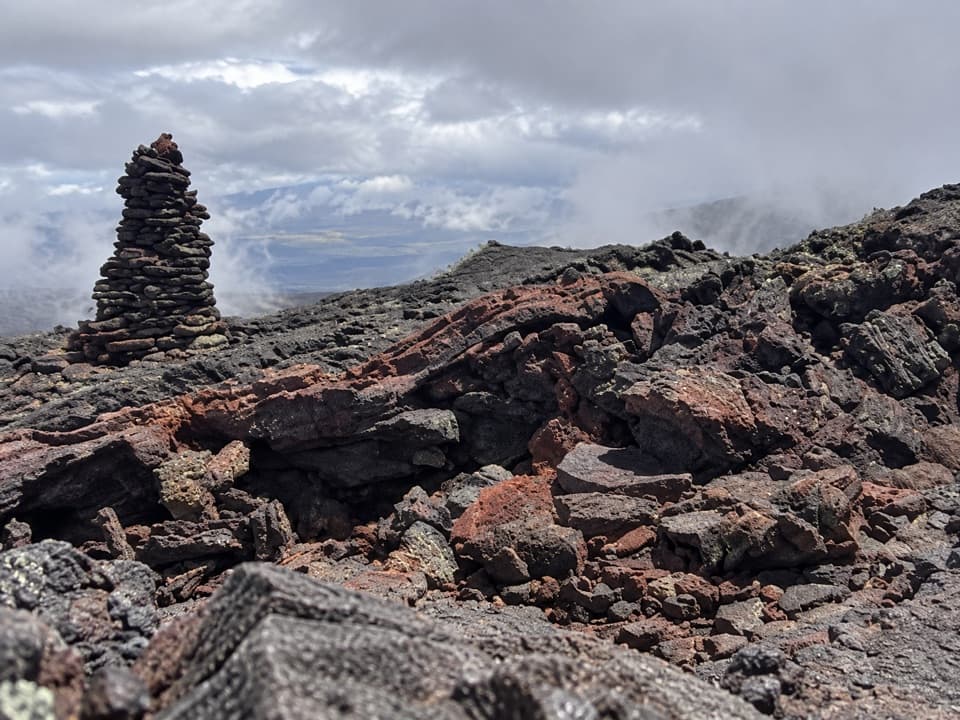
Expect a moonscape of rough basalt, old lava flows, and the dramatic depression of the summit caldera. On clear days the vistas are huge, and at night the sky can be unbelievably crisp and dark. Sunrises and sunsets here are the stuff of trip journals.

Getting There

There’s no drive-up option. Most hikers approach via the Observatory Trail (road is rough but generally passable to passenger cars) and connect to the Summit Trail; at the junction, right heads to the summit and left toward the Mauna Loa Cabin network. Another classic route reaches the area via the ʻĀinapō Trail through Kapāpala Ranch—this one requires gate access and additional permits. However you slice it, this is a long, strenuous, high‑elevation effort (about 13 miles one way from trailhead to the summit).

Facilities and Permits

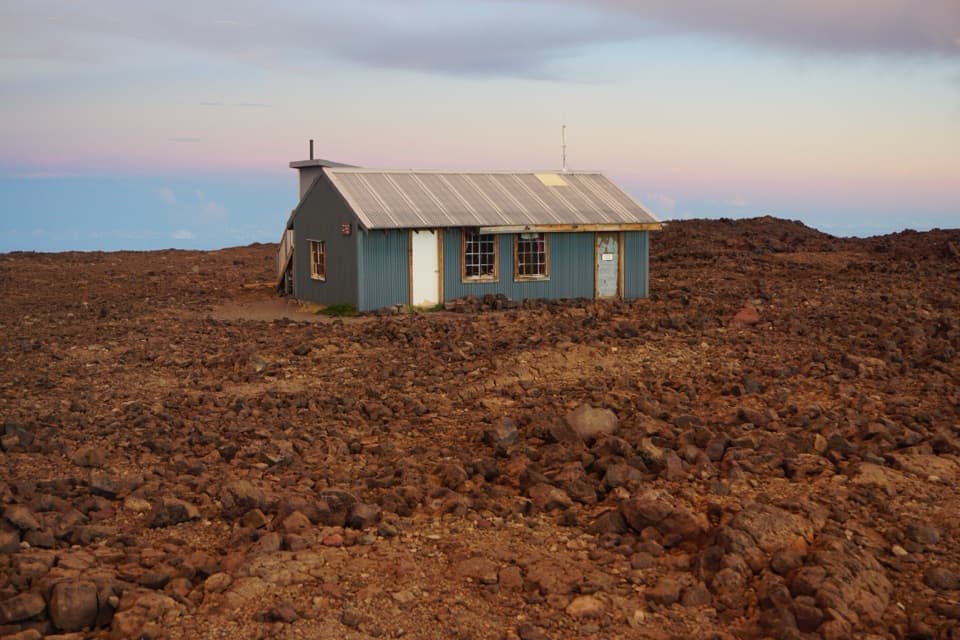
Near the summit, the Mauna Loa Summit Cabin offers a primitive shelter: bunks/mats, a table, and a pit toilet (outhouse). There’s a rain catchment tank for non‑potable water—treat it before drinking. No food, stores, or WiFi. Overnight use of the NPS‑managed cabin requires an advance permit (inexpensive, covers groups up to 12 for up to three nights). The ʻĀinapō/Kapāpala approach requires two permits and gate access—plan ahead.

Difficulty and Conditions

This is a serious backcountry outing. Altitude can hit hard, the surface is rough and rocky, weather shifts quickly (wind, cold, even snow or hail), and navigation in fog can be tricky. Some stoves perform poorly at this elevation; test your setup or bring no‑cook options.

Wildlife

Life is sparse up here. You might spot hardy insects or plants adapted to the lava. At lower elevations along the approach you could encounter native birds like nēnē.

Best Time to Visit

Pick a clear forecast and start pre‑dawn to beat afternoon clouds and give yourself a daylight buffer for the return. Weekdays see fewer hikers (it’s quiet any day compared to other park spots). For photography, sunrise and sunset light the caldera rim beautifully—bring warm layers for the chill.

Tips

  • Acclimatize if you can; the jump to 13,000+ feet is real.
  • Start early and carry robust navigation—fog makes cairns hard to spot.
  • Treat all water from the cabin rain tank; carry extra in case it’s frozen or low.
  • Confirm permits, gate codes, and any trail/eruption alerts before you go.
  • Test your stove/fuel at altitude or pack no‑cook meals; temps can freeze tanks overnight.

Pros

  • Panoramic views over the Moku‘āweoweo caldera
  • Backcountry summit cabin with bunks, rainwater catchment, and pit toilet
  • Exceptional stargazing on clear nights

Cons

  • Long, high‑altitude, strenuous hike with exposure to severe weather
  • No services; water must be treated and permits required for overnights
  • Navigation and access logistics (rough road, gate permits on some routes)

Tips

  • Acclimatize at mid‑elevations before your summit push.
  • Start before dawn to avoid afternoon clouds and build a daylight buffer.
  • Carry a filter and extra water; the cabin tank is non‑potable and can freeze.
  • Secure permits and any Kapāpala gate access well in advance.
  • Bring robust layers and wind protection—conditions can turn wintery any month.
The Parkwolf tour guide sitting on a phone mounted in a car

Parkwolf Tour Guide

Like a tour guide in your car.

Save the places you found around Hawaiʻi Volcanoes, then let Parkwolf guide the drive between them.Download Parkwolf on the App Store