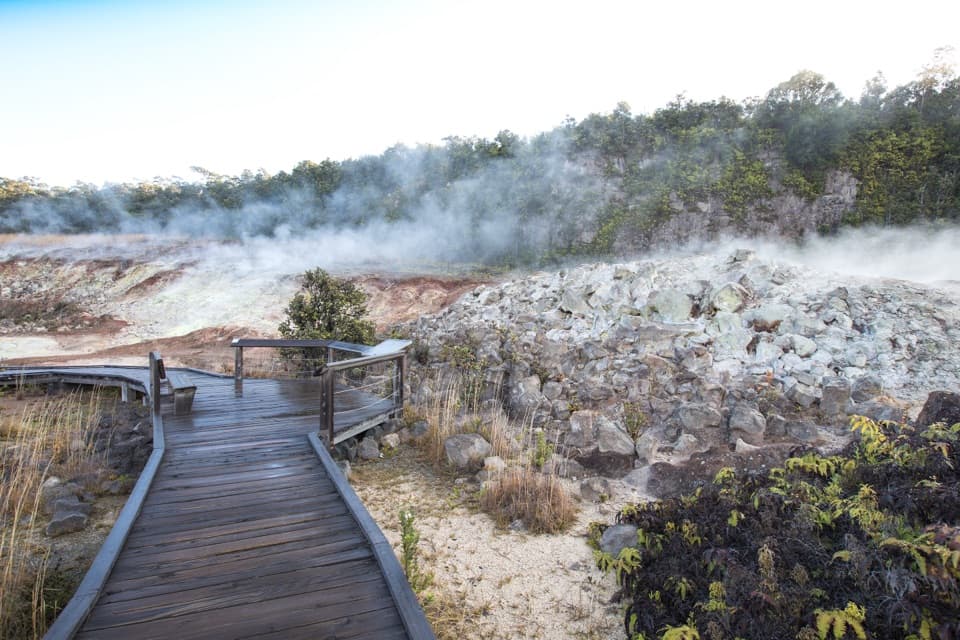
Kīlauea Iki Overlook

Overlook a 1959 lava lake and the Kīlauea Iki Trail

Kīlauea Iki Overlook, Hawaiʻi Volcanoes National Park
Image credit: National Park Service

Pros & cons

PROS

  • Sweeping view of Kīlauea Iki’s lava lake and Puʻu Puaʻi cinder cone
  • Direct access to the classic Kīlauea Iki Trail

CONS

  • Parking is extremely limited and often full
  • No food or water available on site

Overview

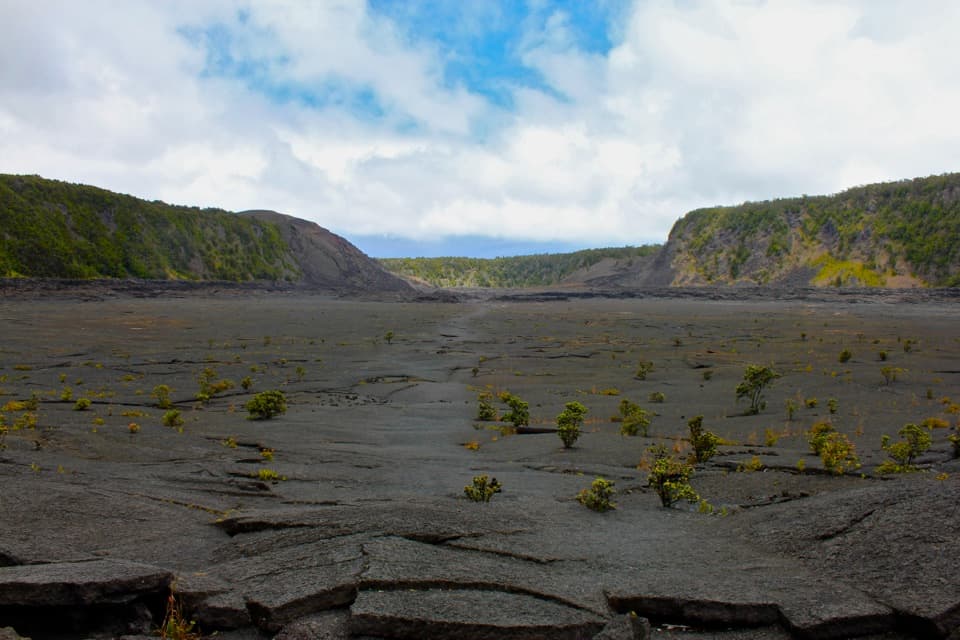
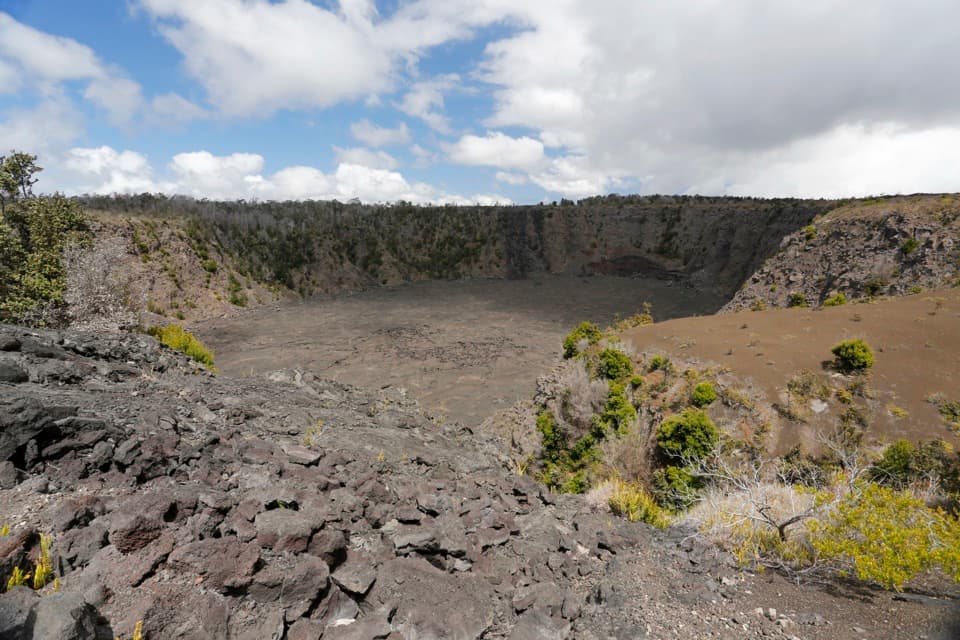
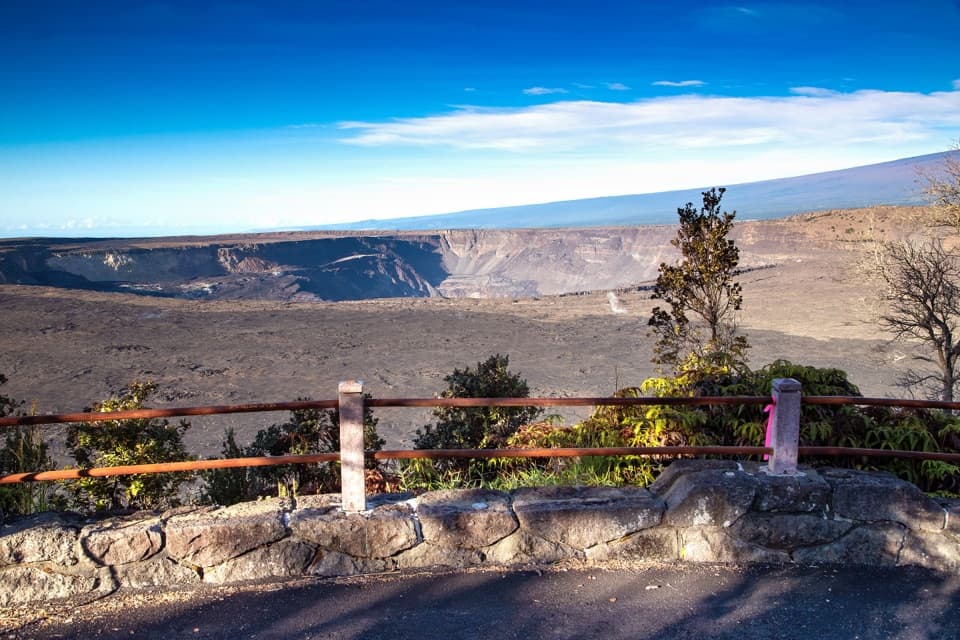
A quick stop with big payoff. From the rim you stare straight into Kīlauea Iki’s stark crater and its 1959 lava lake, with the Puʻu Puaʻi cinder cone rising across the way. It’s dramatic, easy to reach along Crater Rim Drive, and doubles as the starting point for one of the park’s best hikes.

What You’ll See

  • A broad, elevated view into the bowl of Kīlauea Iki, the black crater floor split by cracks and sulfur-streaked textures.
  • The Kīlauea Iki Trail etched across the crater—watching tiny hikers below gives you an instant sense of scale.
  • On clear days, Mauna Loa looming beyond the scene.

Why It’s Special (Geology & History)

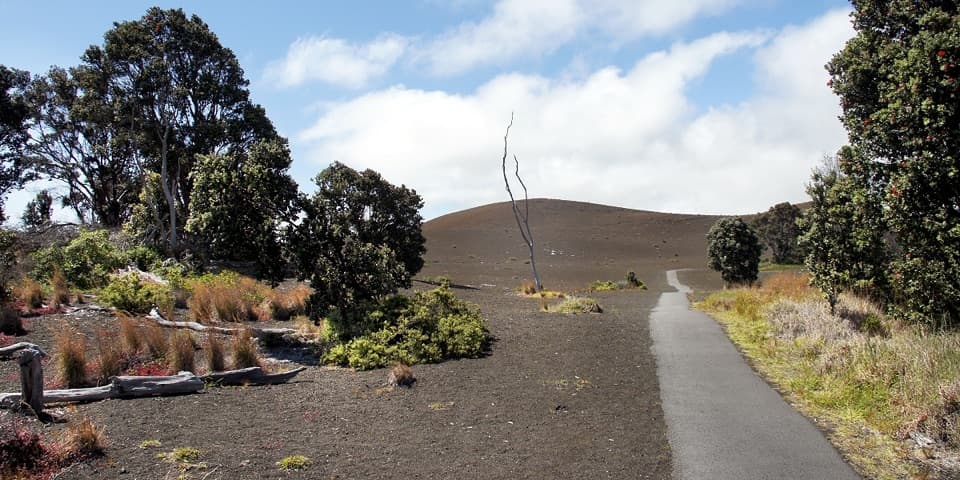
In 1959, Kīlauea Iki held a deep, churning lake of lava—hundreds of feet thick. The fountains from that eruption built Puʻu Puaʻi and left behind the hardened lava lake you see today. Few places let you compare lush rainforest with such a raw volcanic floor in a single glance.

Hiking From Here

If you’ve got time, the Kīlauea Iki loop is a standout: about 3.3 miles, plan 2–3 hours, with roughly 400 feet of steep, rocky descent and climb. It’s not technical, but it’s a real workout coming back up. Sturdy shoes are a must.

Practicalities

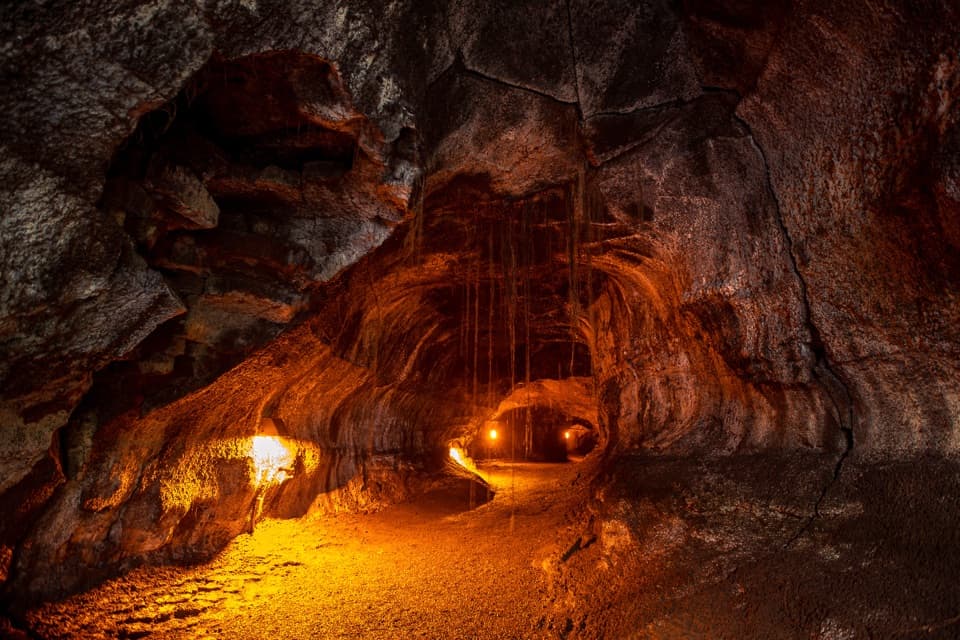
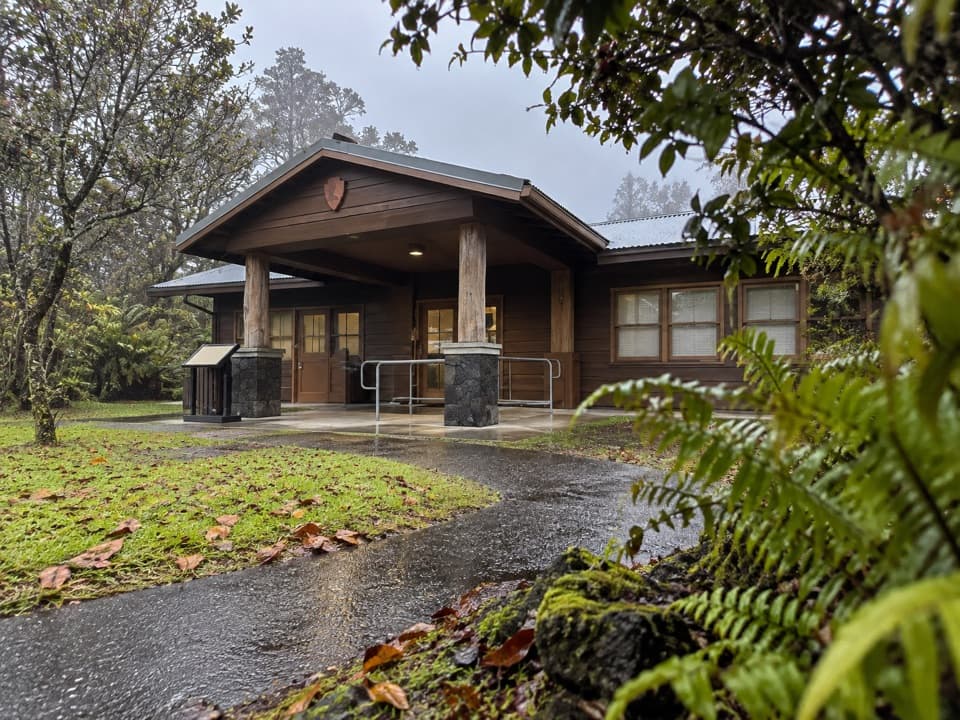
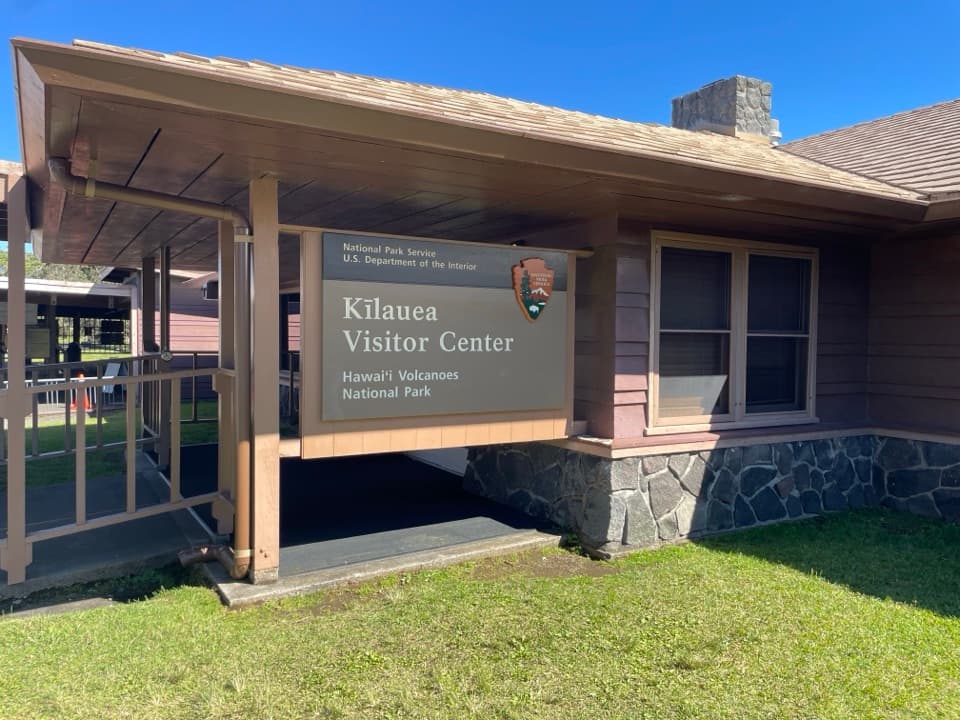
Parking at the overlook is extremely limited and fills fast. There’s a basic vault toilet here, but no potable water and no food—bring what you need. If the lot is full and you’re here to hike, consider starting from Kīlauea Visitor Center, Devastation Trailhead, or the Puʻupuaʻi parking area nearby. Nāhuku (Thurston Lava Tube) is just down the road, making this an easy pairing.

Wildlife

You’re in nēnē country. Keep an eye out for these endangered Hawaiian geese along roadsides and in open areas near the rim—give them space and never feed them.

Best Time to Visit

Early morning is best for softer light, fewer people, and a better shot at clear views. Midday and weekends bring the biggest crowds and the smallest chance of a parking spot. Weather flips quickly up here—sun, wind, rain, even fog—so pack layers and be ready.

Where it is

19.4165, -155.2429
Kīlauea Iki Overlook

Tips for Kīlauea Iki Overlook

  1. 01Arrive early or use Kīlauea Visitor Center, Devastation, or Puʻupuaʻi lots if this one is full.
  2. 02Bring plenty of water and a rain layer—there’s no potable water and weather swings fast.
  3. 03Pair the overlook with nearby Nāhuku (Thurston Lava Tube) on the same drive.
  4. 04If hiking, budget 2–3 hours and be ready for a steep 400‑ft climb out.

Amenities

Near Kīlauea Iki Overlook

All places →All trails →

More about Kīlauea Iki Overlook

PARKWOLF TOUR GUIDE

Like a tour guide in your car.

Save the places you found around Hawaiʻi Volcanoes, then let Parkwolf guide the drive between them.
Download Parkwolf on the App StoreGet Parkwolf on Google Play
The Parkwolf tour guide sitting on a phone mounted in a car
Get the Audio Tour Guide for your drive through Hawaiʻi VolcanoesOpen Parkwolf