Pinhook Bog

Rare floating bog with carnivorous plants and ranger-led tours
Pinhook Bog, Indiana Dunes National Park
InsideIndiana Dunes National Park

Overview

Tucked inland from the lakeshore, Pinhook Bog is the park’s most otherworldly corner—a true, post‑glacial bog and a designated National Natural Landmark. It’s part of the Valparaiso Moraine, formed as ice retreated roughly 10,000 years ago. The centerpiece is a floating mat of sphagnum moss several feet thick, riding atop dark, tannin‑stained water.

What You'll See

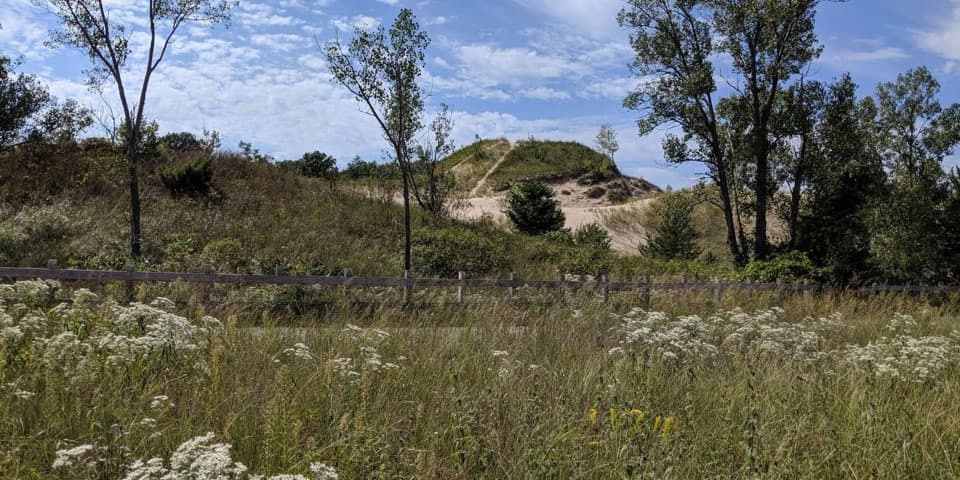
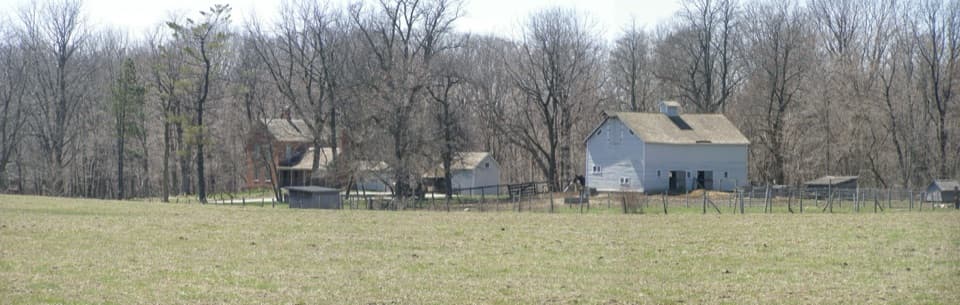
Expect a stark, northern‑feeling landscape: black‑water pools, tamarack and other bog‑edge trees, and the famous sphagnum mat. On ranger tours of the bog boardwalk, you’ll get close to the specialty flora. The surrounding uplands offer a quiet loop through rolling, wooded terrain and small wetlands for a self‑guided wander when tours aren’t running.

Plants and Wildlife

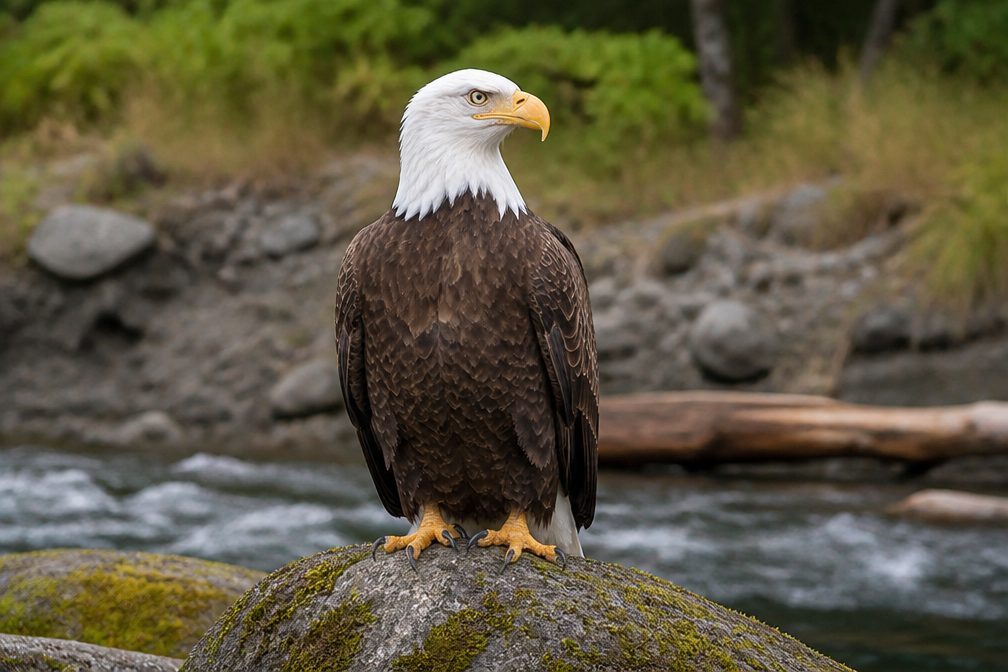
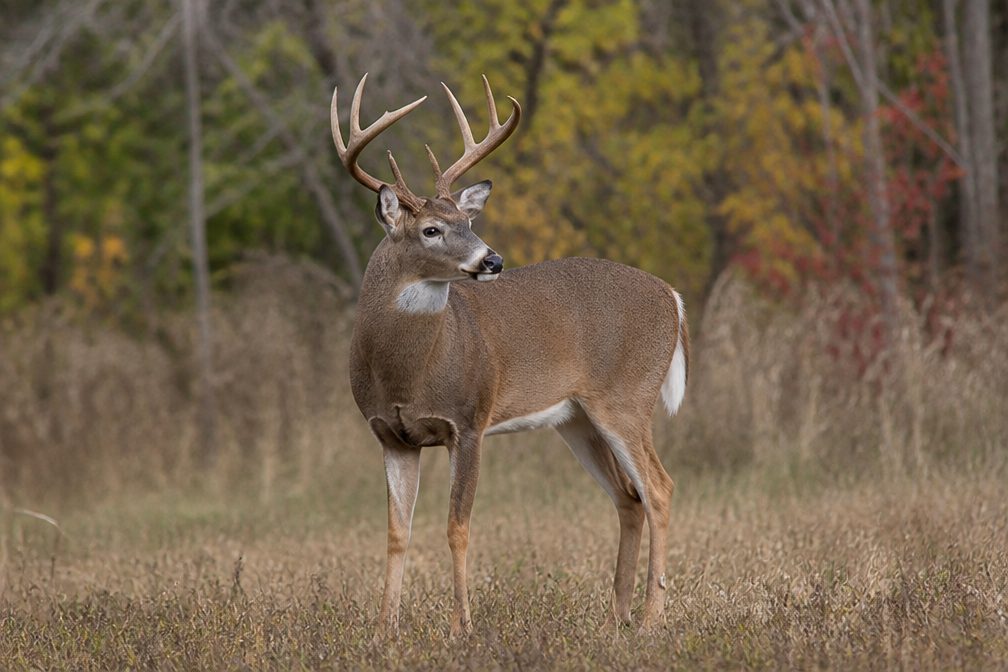
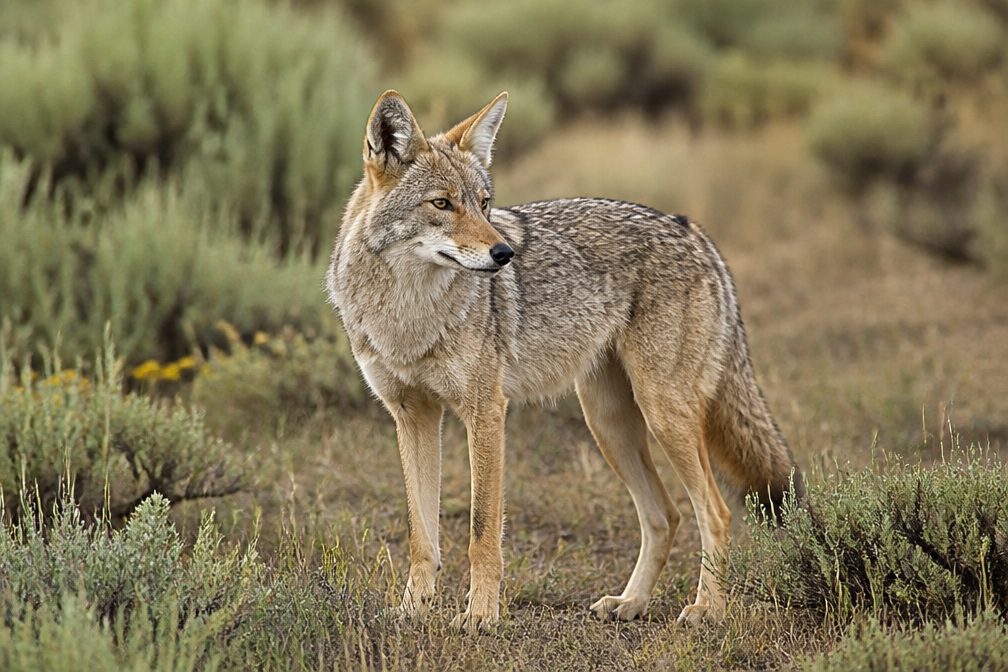
This is one of the best places in the region to spot carnivorous plants—think sundews and pitcher plants—along with orchids like pink lady’s slipper. The acidic, nutrient‑poor conditions create a niche that favors these specialists. Around the unit, watch for amphibians, turtles, and a nice mix of birdlife.

How Visiting Works

The fragile bog itself is protected: access to the floating‑mat boardwalk is by ranger‑led tour only. The upland loop is open for self‑guided hiking. There are no on‑site services or potable water, and amenities are intentionally minimal to safeguard the habitat.

Best Time to Visit

For a quieter experience, aim for early mornings on weekdays. Weekends can see a bump in activity, especially later in the afternoon. Your timing for the bog proper will depend on the ranger‑led tour schedule—plan ahead and arrive a bit early to secure parking and settle in. Soft morning or late‑day light brings out the texture in the moss and the contrast of the dark pools.

Geology in a Nutshell

A stranded block of glacial ice once melted here, forming a lake that slowly filled with plant matter over millennia. Sphagnum took over, acidifying the water and building peat—classic bog succession. The National Park Service actively restores and protects this rare system.

Practicalities and Tips

Expect bugs in warm months and occasional muddy footing after rains. Bring water, snacks, insect repellent, and sturdy, waterproof footwear. Stay on designated trails and the boardwalk—both for your safety and the bog’s.

Pros

  • Rare floating sphagnum bog with carnivorous plants
  • Ranger-led boardwalk access keeps it pristine and educational

Cons

  • Bog boardwalk is only accessible on ranger-led tours
  • Can be buggy and muddy; no potable water or services

Tips

  • Plan ahead for ranger-led bog tours; schedules are limited.
  • Bring insect repellent and wear waterproof footwear for muddy stretches.
  • Carry your own water—there’s no potable water on site.
  • Arrive early on weekends for easier parking and a quieter loop.
  • Stay on the boardwalk and signed trails to protect the floating mat.
The Parkwolf tour guide sitting on a phone mounted in a car

Parkwolf Tour Guide

Like a tour guide in your car.

Save the places you found around Indiana Dunes, then let Parkwolf guide the drive between them.Download Parkwolf on the App Store