Place · 0.4 mi away

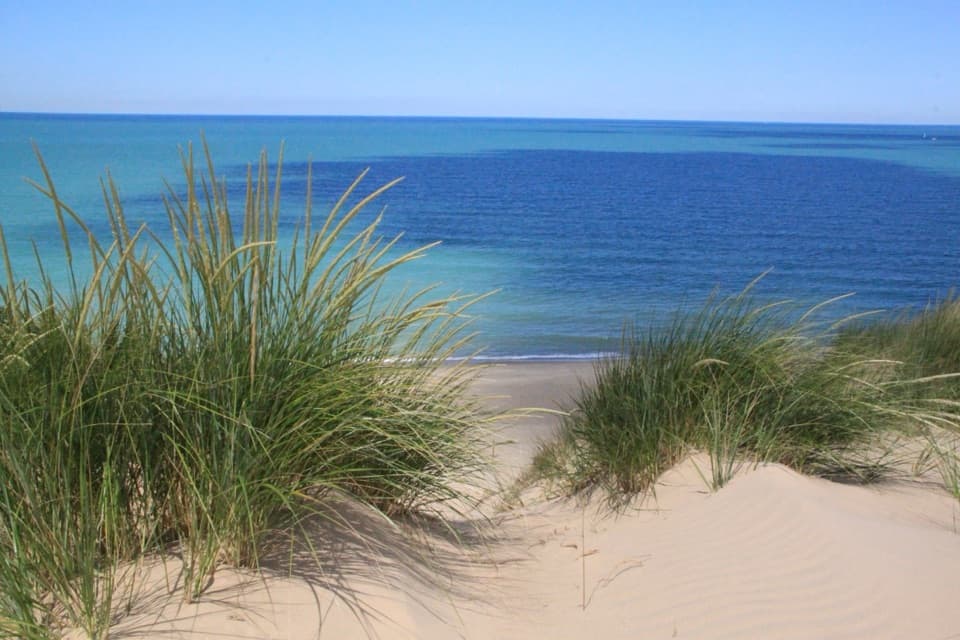
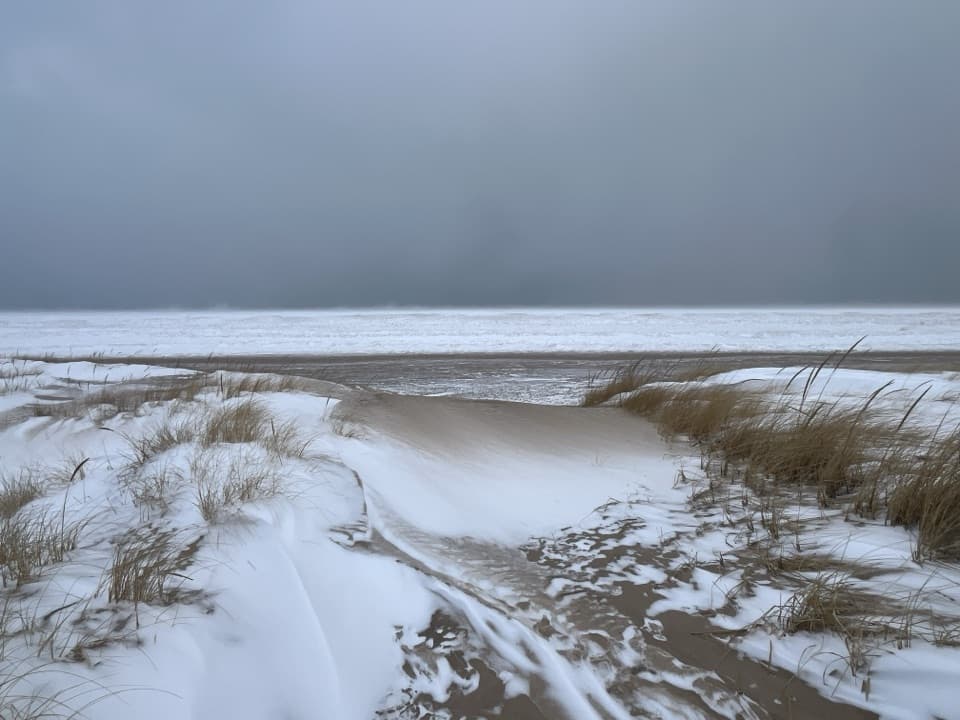
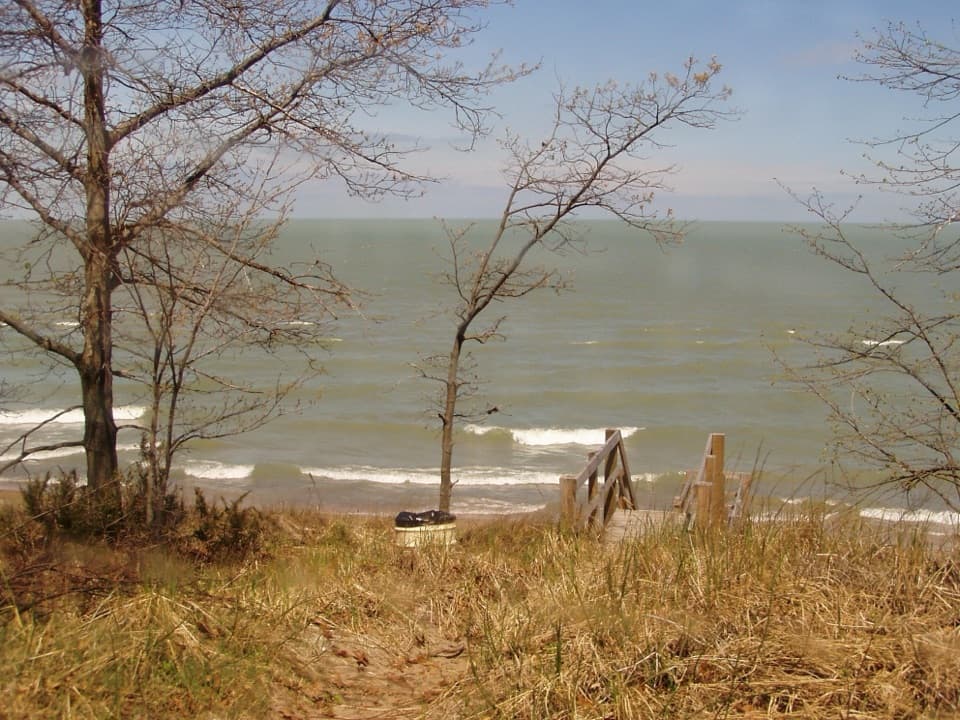
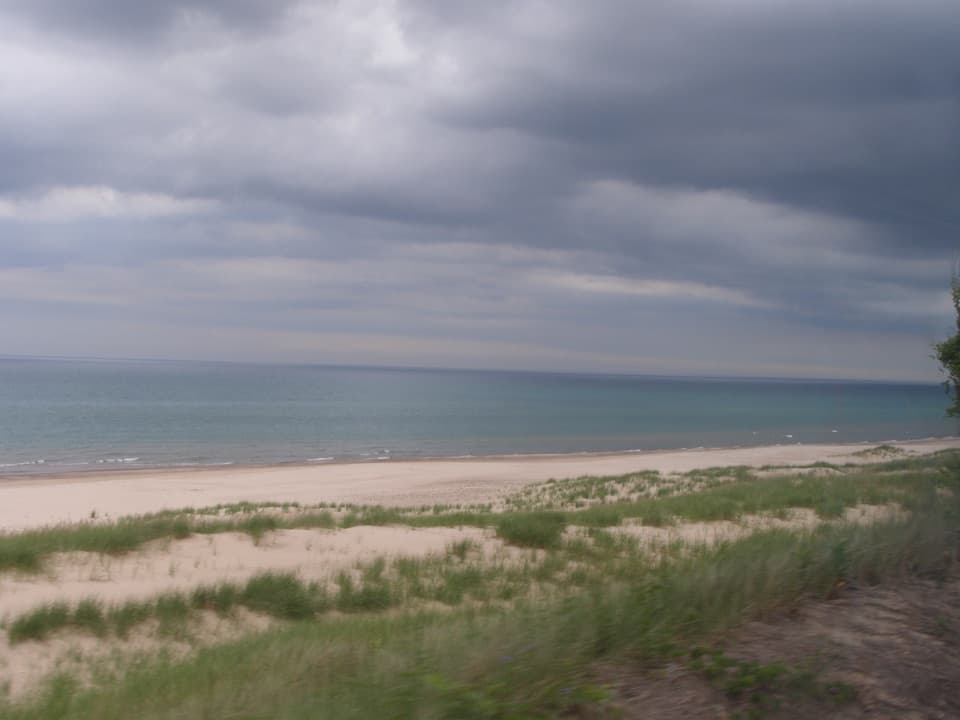
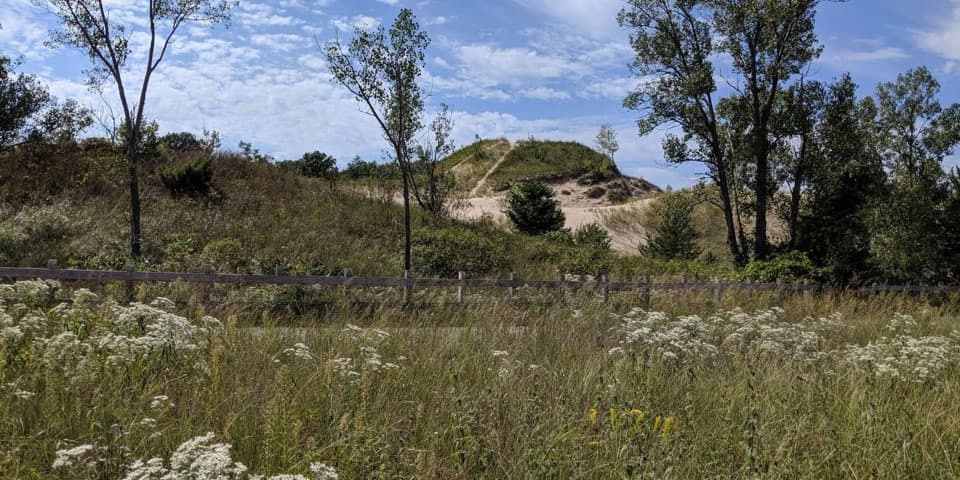
Mount Baldy Beach sits below the park’s most talked‑about “living” dune, a 126‑foot giant that actually moves each year. You don’t climb the dune here anymore—the beach is the star—backed by an ever‑changing wall of sand and fronted by wide‑open Lake Michigan.
Mount Baldy isn’t a static hill; winds push it 5–10 feet per year, swallowing trees and even parts of roads over time. That dynamic geology—and the restoration work to slow it—makes this one of the park’s most dramatic landscapes.
From the Mount Baldy parking area, follow the signed trail through woods and dunes to the lakeshore (roughly three‑quarters of a mile). The last stretch is loose sand and can feel rugged; the return is uphill. On the beach, expect big‑lake horizons and the dune rising right behind you. Facilities—restrooms, drinking water (including a bottle‑filling station), and picnic tables—are at the parking area, not on the sand.
For safety and to protect the dune, free‑roaming climbs are off‑limits. Summit access happens only on ranger‑led hikes that depart from the Mount Baldy lot (these even run in winter). Follow posted signs—routes can shift as the dune moves. Pets are allowed on a leash (6 feet). No fires or glass on the beach, no bikes on the dune or trail, and please don’t collect natural items.
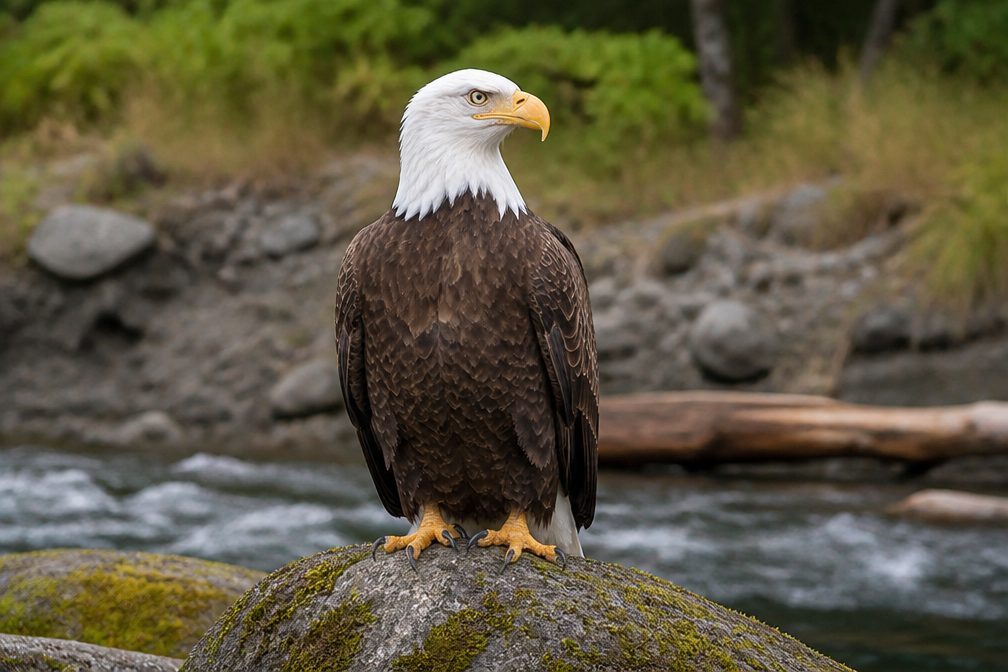
This stretch of shoreline commonly hosts gulls and shorebirds, and you may spot raptors cruising the wind above the dune. Keep a respectful distance from wildlife and nest areas.
Heavy foot traffic once stripped stabilizing marram grass, letting the dune wander faster. The park has rerouted trails, replanted grasses, and, with help from periodic sand nourishment, works to counter erosion accelerated by nearby harbor structures. The result: a wilder, shifting landscape you can watch change over seasons.
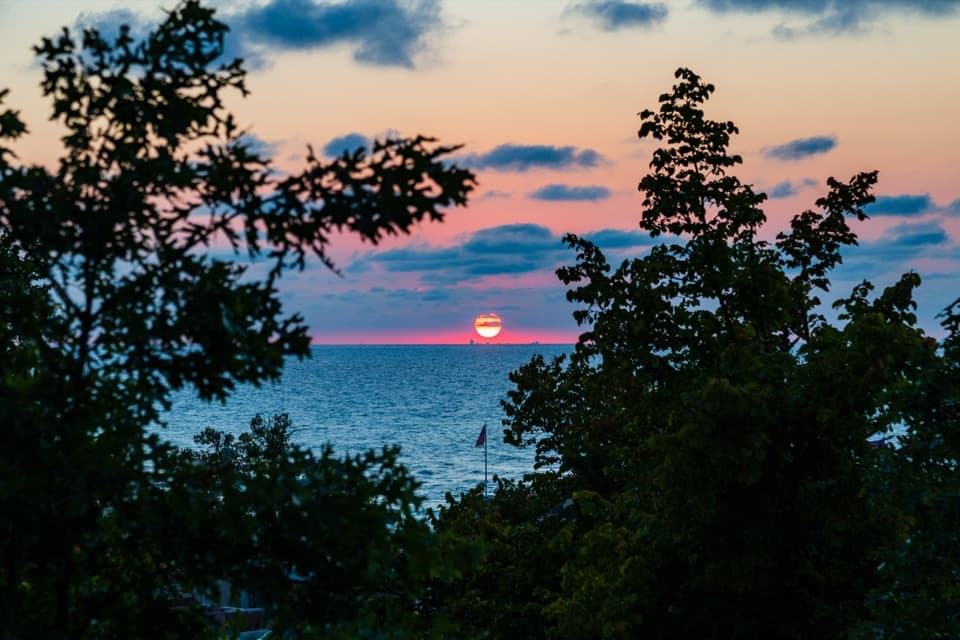
Sunrise is quietly spectacular here, and moonset can be memorable on clear mornings. In summer, arrive early on weekends—parking is modest and the trail is more pleasant before heat builds. For photography, aim for golden hours; midday light can be harsh over the sand and water.