Bailly Homestead in Indiana Dunes National Park

#6 of 19 sights in Indiana Dunes

Sight · Indiana Dunes National Park

Bailly Homestead

A fur-trading homestead tied to Potawatomi removal and regional settlement.

Photo: Wikimedia Commons
Type
Sight
Nearest trail
0.3 mi
Audio stories
8 nearby
  • Trailhead
  • Parking
  • Restrooms
  • Picnic tables

Hear the audio tour

Bailly–Chellberg: Houses with a History

Overview

About Bailly Homestead

Why stop

  • A rare group of log and brick buildings from the fur-trading era
  • A wooded trail links the homestead with the river and prairie

Heads up

  • You reach the buildings on foot, and the trails include stairs.

Map

Where it is

Loading the Indiana Dunes map
Full map
SightBailly Homestead41.62310, -87.09443
Keep this map with you offline in the Parkwolf app

Plan your stop

Before you go

4 active Indiana Dunes alerts

  • ClosureTrail closures and flooding-related access limitsSeveral Indiana Dunes trails are closed or partially inaccessible because of tree damage, riverbank collapse, flooding, and Marquette Greenway construction; stay out of closed sections and use…Official details
  • ClosureBailly/Chellberg Trail stair sections closedPortions of the Bailly/Chellberg Trail with stairs are closed through October 30, 2026, to allow completion of a boardwalk replacement project. Check current park conditions before setting out.Official details
See all 4 alerts
A park ranger sits on a dash-mounted phone, talking, as Parkwolf’s Tour Guide plays “Army Cutworm Moths: A Grizzly Bear Buffet” on Grand Loop Road below Dunraven Pass in Yellowstone
Parkwolf Tour GuideThe highest, rockiest slopes around here are a summer buffet for grizzly bears.

Indiana Dunes Tour Guide

Your drive to Bailly Homestead, narrated.

Parkwolf is a GPS audio tour guide for Indiana Dunes National Park. As you drive, it chimes in with what’s ahead: hidden gems, upcoming stops, history, geology, and wildlife, right through your car’s speakers.

Recorded for this place

Bailly–Chellberg: Houses with a History
0:00 / 0:35
“You're coming up on the Bailly–Chellberg historic area, where a short walk connects a Swedish-American farm and a fur-trading homestead.”

Plays as you drive up to Bailly Homestead in the Parkwolf Indiana Dunes Tour Guide.

More stories near here in the app

  • Before a Dragonfly Takes Flight
  • The Beaver Leaves Clues
  • A Heron's Hidden Reach
  • Greenbelt: The South Route to the Beach
  • 51 audio storiesacross Indiana Dunes’s roads, triggered by GPS as you drive
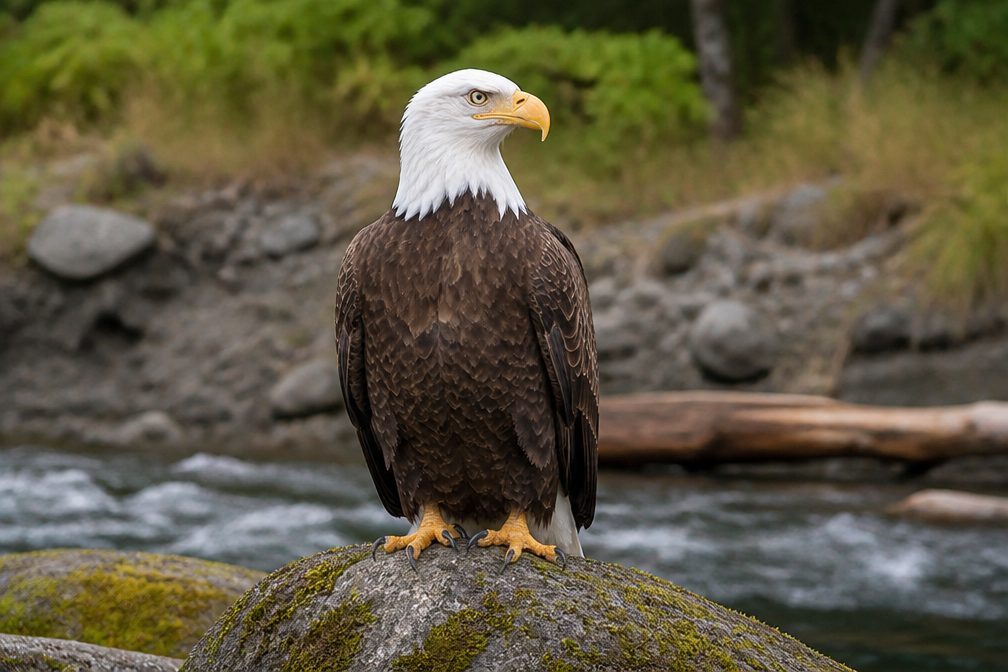
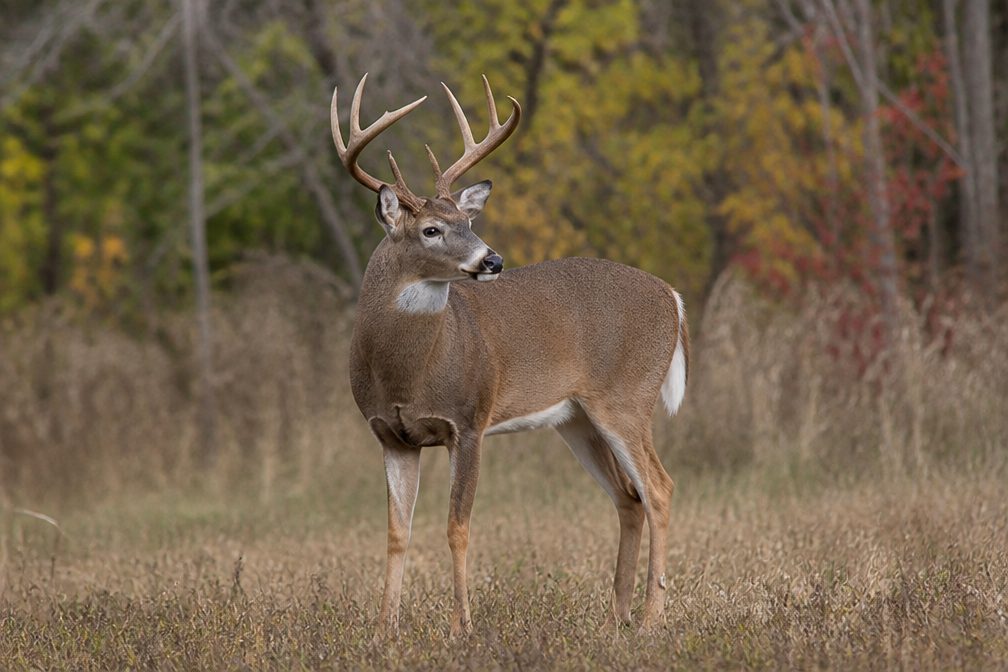
  • Wildlife heatmapsfor Bald Eagle, Sandhill Crane, White-tailed Deer, and 13 more
  • Works offlinemaps, 34 trails, 30 places, and audio download before you lose signal
  • CarPlay readysimple controls built for the drive
★★★★★
“Fantastic app with many points of information… It’s great to just turn on while you’re driving and it gives you an audio tour of the national Park. We love it!!!!”
JMJamesApp Store review
Download Parkwolf on the App StoreGet Parkwolf on Google Play

4.7 from 8,600+ ratings

Guide

More about Bailly Homestead

A fur-trading place with layersBailly Homestead is a National Historic Landmark: a group of log, weatherboard and brick…

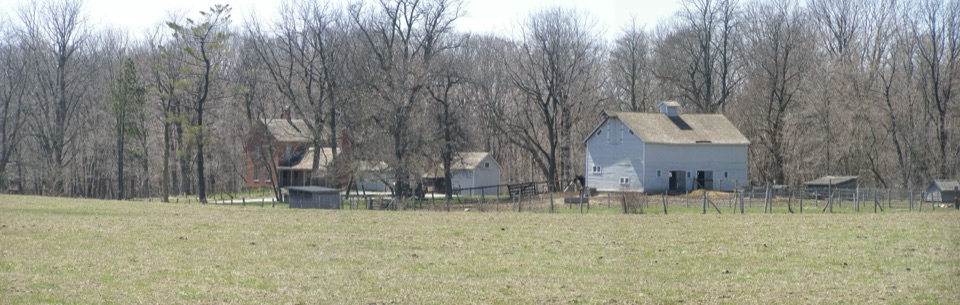
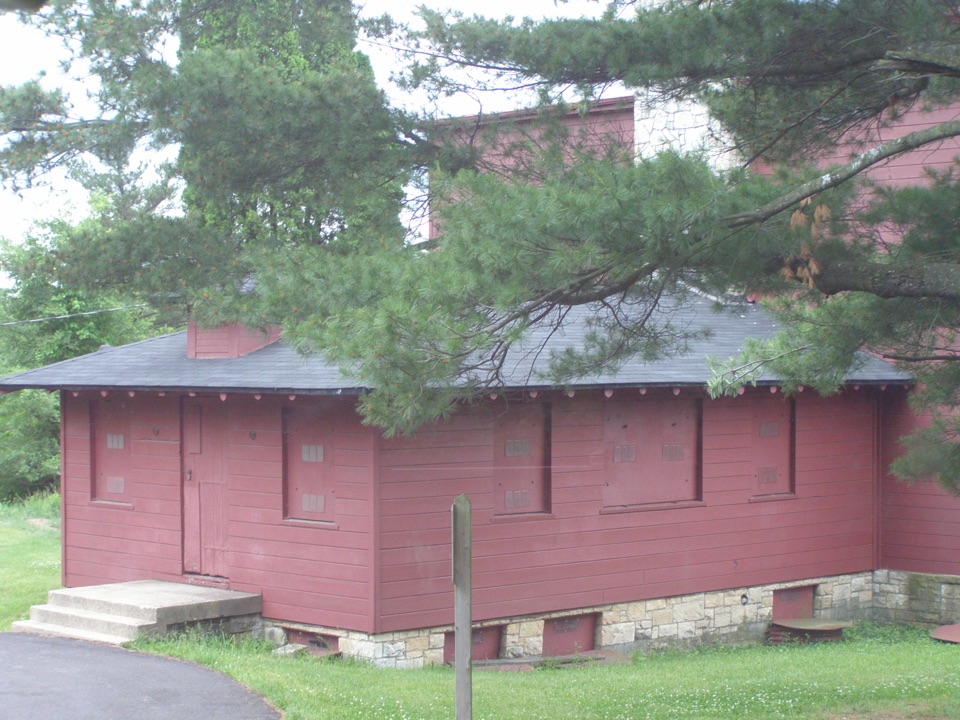
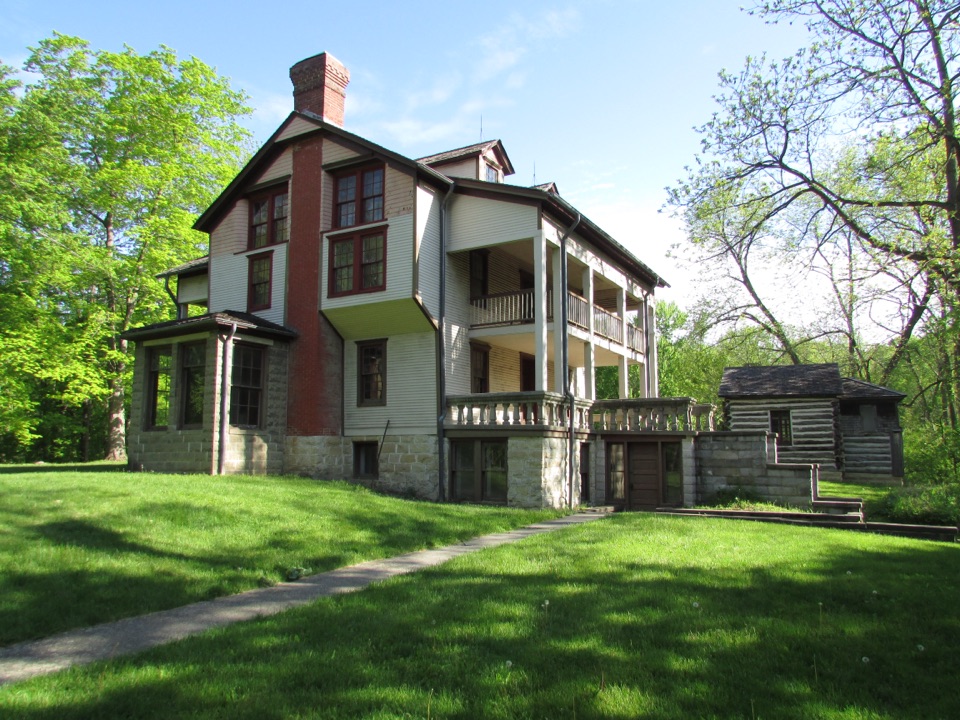
Bailly Homestead is a National Historic Landmark: a group of log, weatherboard and brick buildings in a wooded corner of Indiana Dunes. It preserves the story of an early fur-trading post and pioneer household, but it isn't a drive-up house museum. You'll reach the buildings on foot from the shared Bailly-Chellberg lot. Come for the architecture and history, and plan to see the buildings from the grounds; regular interior hours aren't listed.

Plan for a walkThe Bailly and Chellberg sites are joined by a trail network, with a 1.

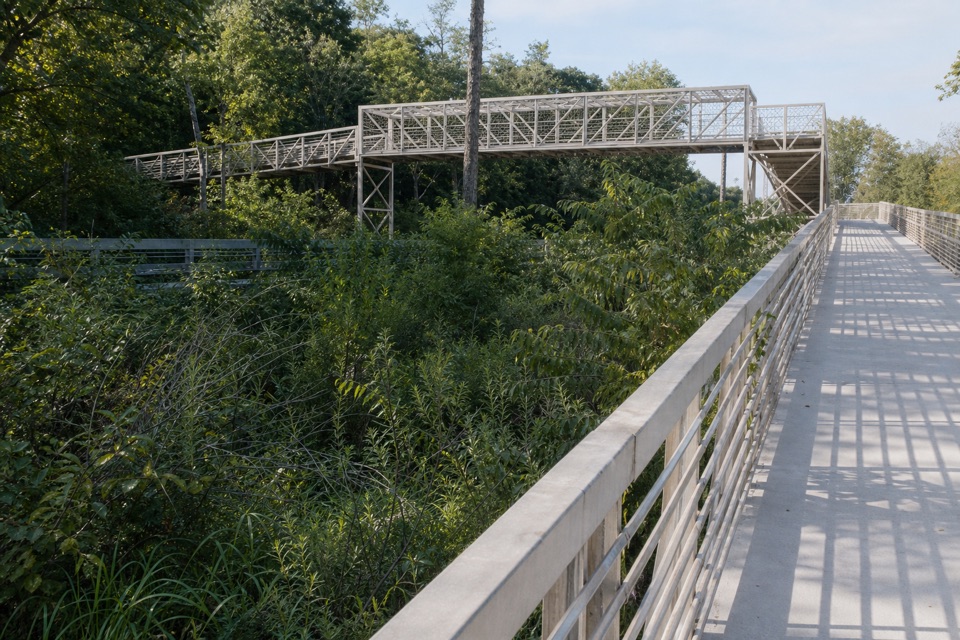
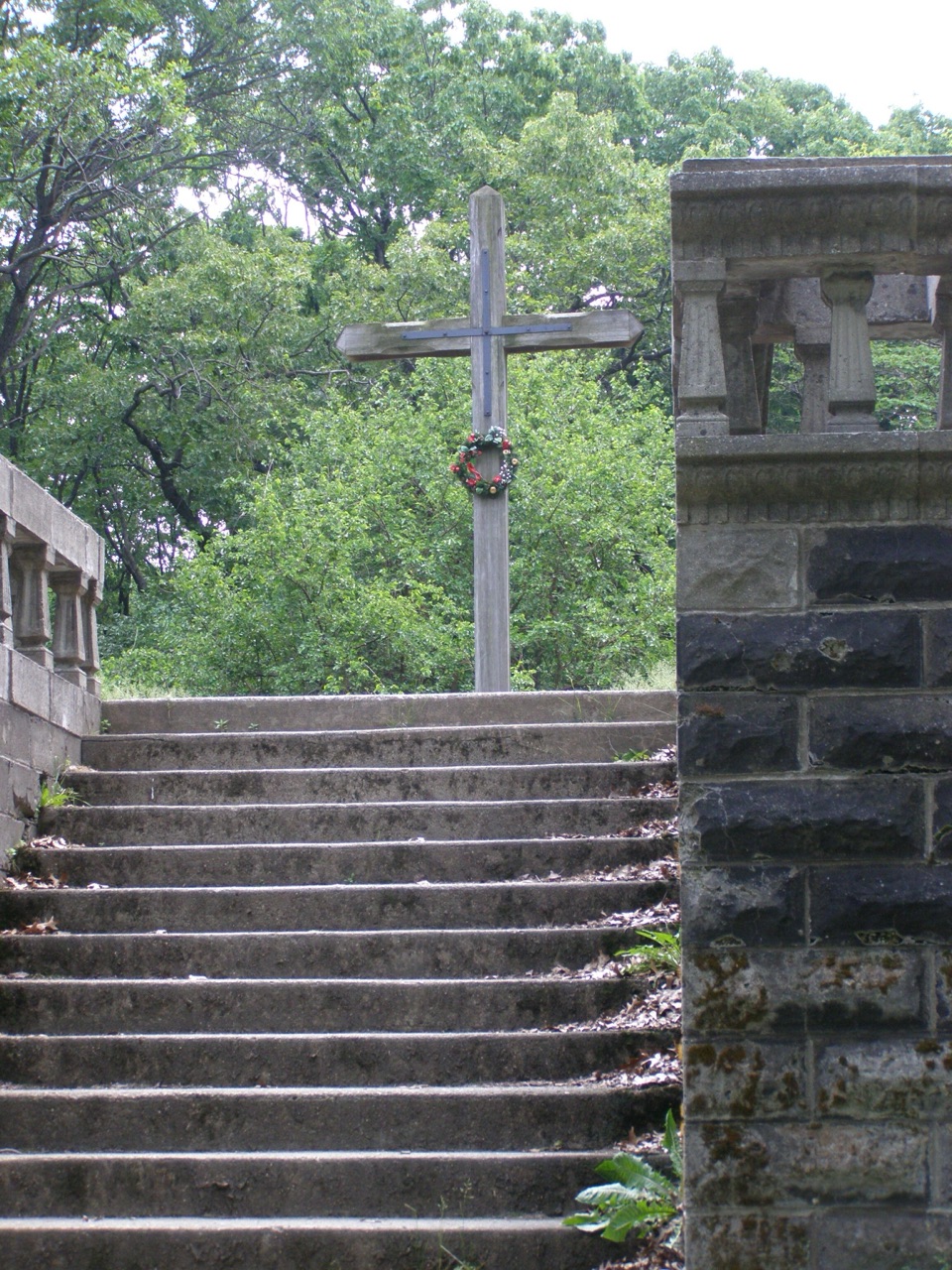
The Bailly and Chellberg sites are joined by a trail network, with a 1.1-mile inner loop and a 3.4-mile outer loop. The longer route descends toward the Little Calumet River, crosses a boardwalk and bridge, passes Mnoké Prairie, then returns by the homestead. Expect packed-soil and wood-chip paths, several sets of stairs, and stretches that can be wet or muddy.

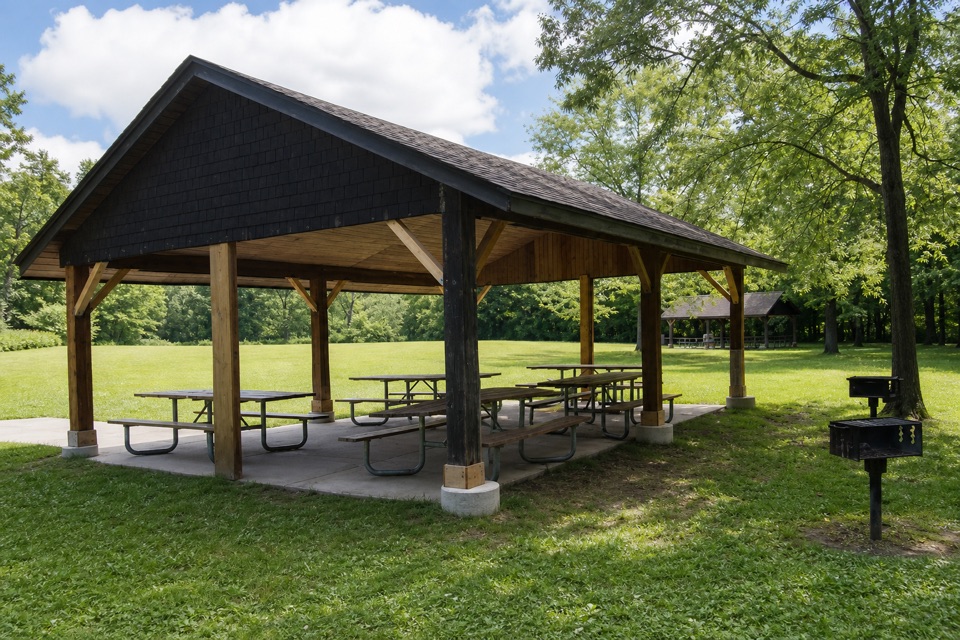
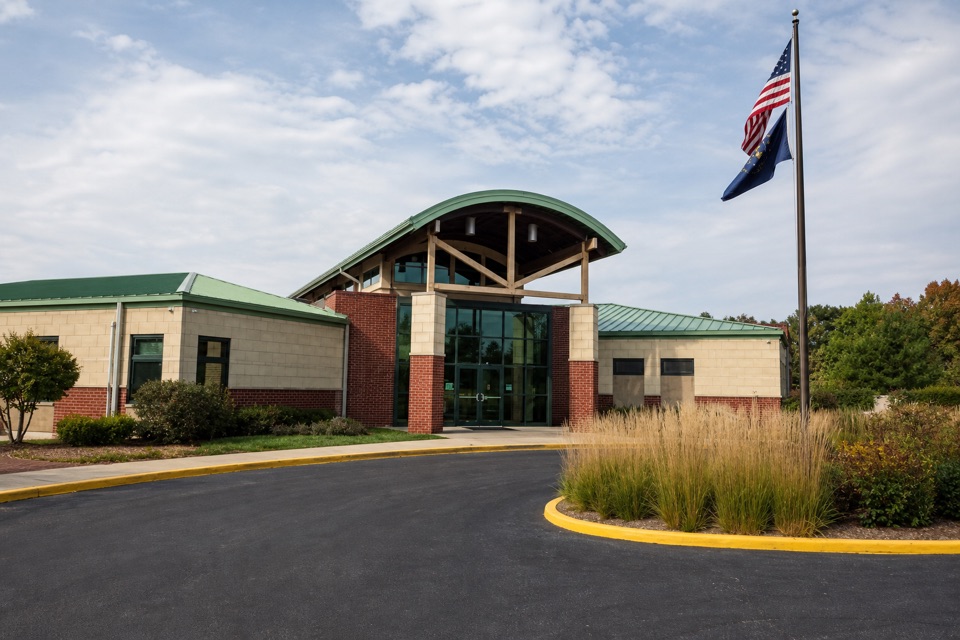
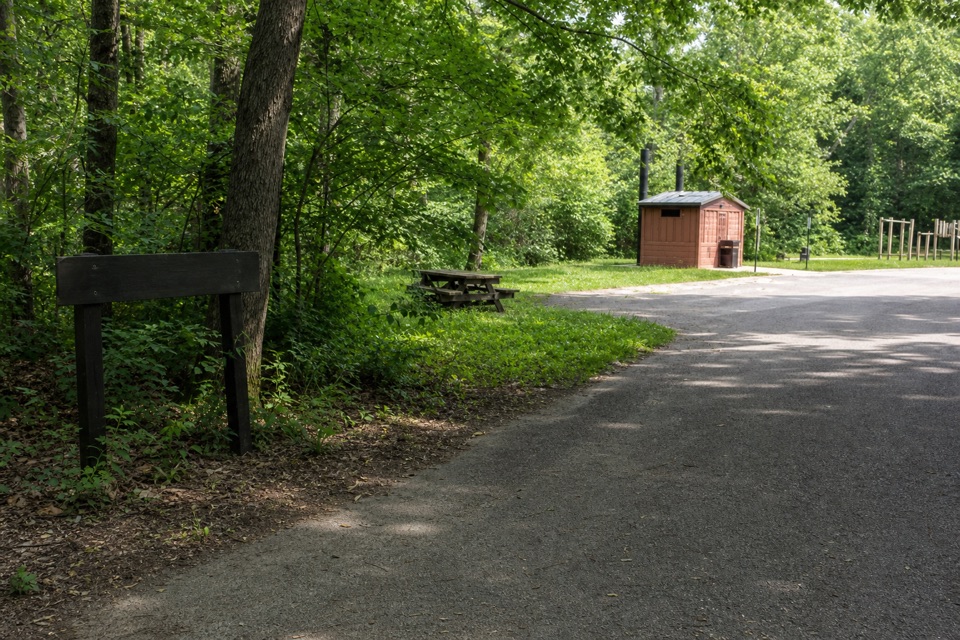
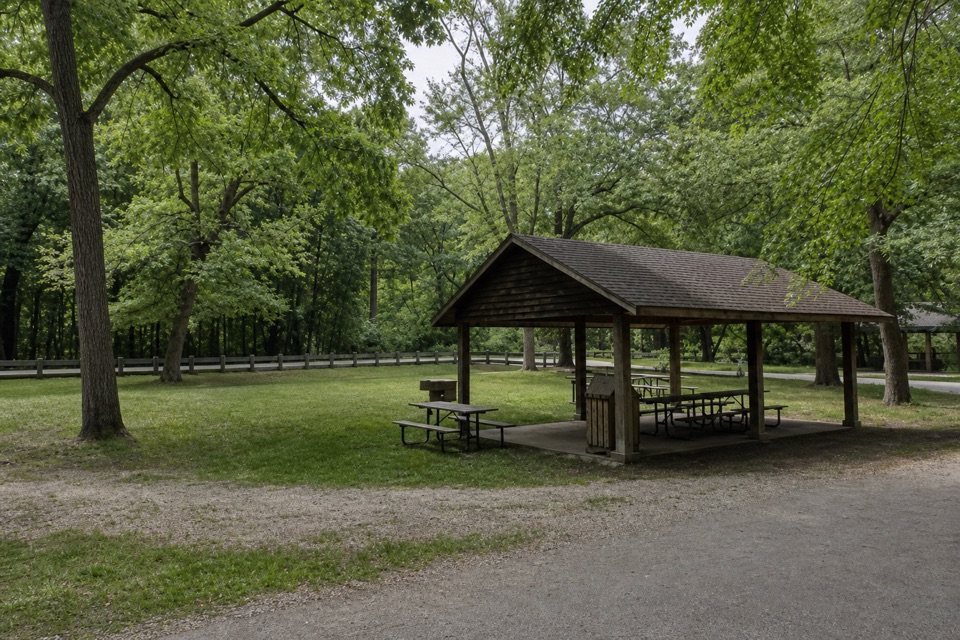
The shared lot has paved parking, year-round restrooms, drinking water and three covered picnic shelters; one shelter and the restrooms are wheelchair accessible. The trails themselves aren't wheelchair accessible, and a park entrance pass is required. The picnic shelters are at the lot, not beside the historic buildings.

A trading crossroadsJoseph Bailly and Marie Le Fevre de la Vigne Bailly arrived around 1824 and established a…

Joseph Bailly and Marie Le Fevre de la Vigne Bailly arrived around 1824 and established a trading post near the Little Calumet River and two major Indigenous travel routes. Bailly was a French-Canadian trader whose work shifted as the fur trade declined; he also operated an inn and dealt in land.

His relationships with Indigenous communities shaped his influence, including treaty negotiations as U.S. settlement spread. Potawatomi people were forcibly removed in 1838 in the episode remembered as the Trail of Death. Bailly's place in that history belongs alongside the trading-post story, not underneath it.

The main house changed with the familyThe main house began as a hewn-log building in 1834–35, then received weatherboard siding and…

The main house began as a hewn-log building in 1834–35, then received weatherboard siding and late Victorian and Eastlake details around 1896–1904. A red-brick wall beneath its porch reportedly had to be rebuilt three times before Frances Howe accepted it. From the lawn, frame the house with the small log outbuilding beside it to show how much the complex changed over time.

Look closer at the smaller buildingsThe brick house, built around 1875, served as a kitchen and studio for Rose Bailly Howe.

The brick house, built around 1875, served as a kitchen and studio for Rose Bailly Howe. It was detached from the main house and moved to its current spot in 1904. The Chapel started as a two-story building in the 1820s or 1830s; the Baillys are said to have died there. It was later made one story and shifted several yards, with an apse replacing its exterior fireplace.

The small storehouse dates to before 1835 and is said to have held supplies for Potawatomi visitors traveling toward the Kankakee River in winter. It later became a chicken house. Another two-story log building nearby was assembled around 1900 from salvaged logs of older structures.

The story continued after BaillyAfter Joseph died, the estate passed to Francis Howe in 1843.

After Joseph died, the estate passed to Francis Howe in 1843. Howe sold timber for railroad construction. Later, Joel Wicker recruited Swedish immigrants to work at a sawmill and settle nearby, adding another chapter to the area's cultural history.

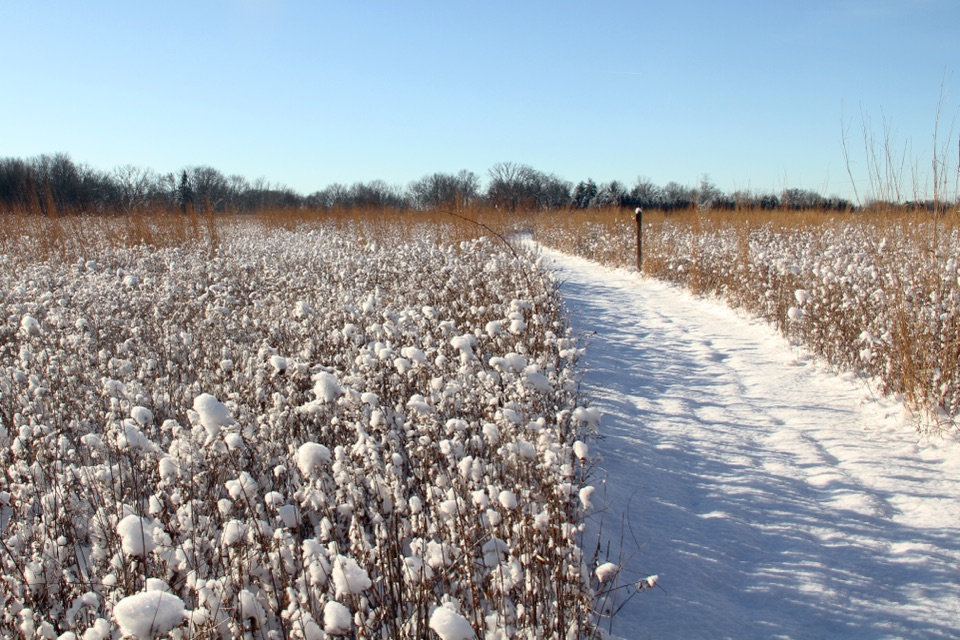
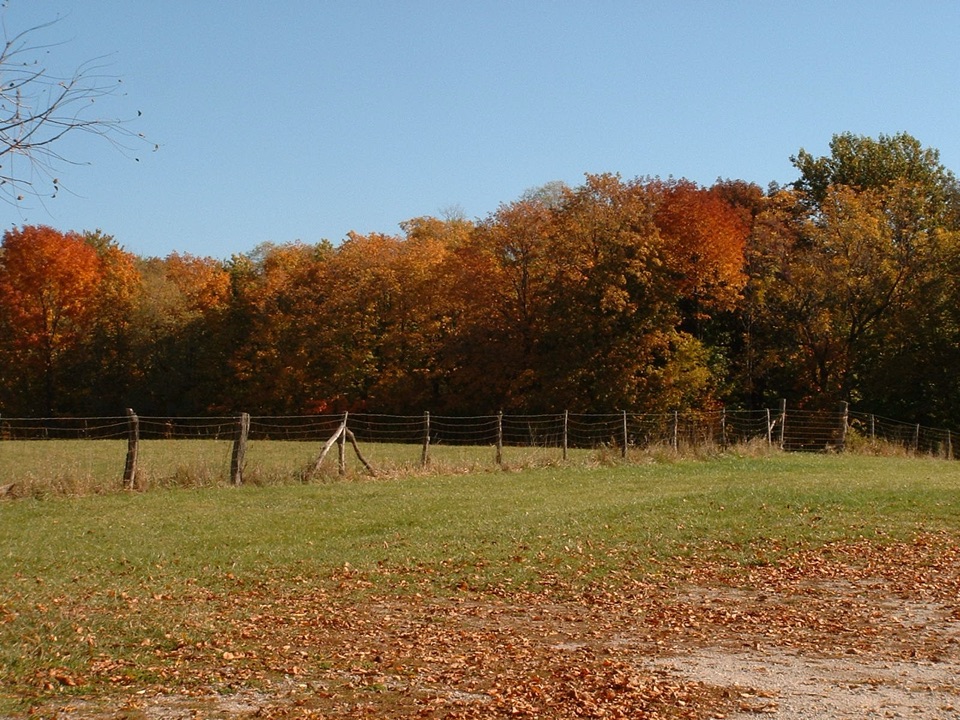
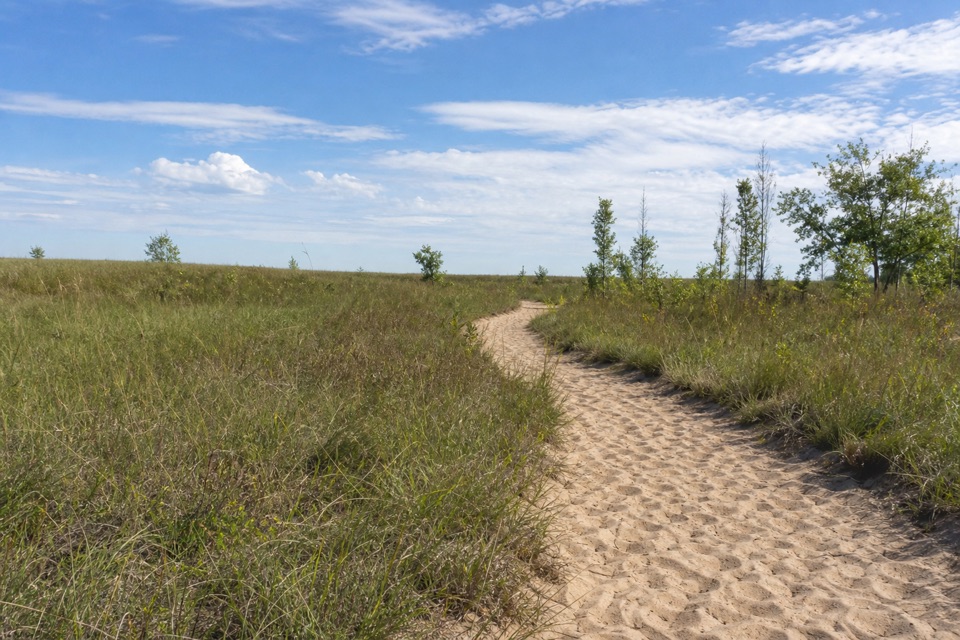
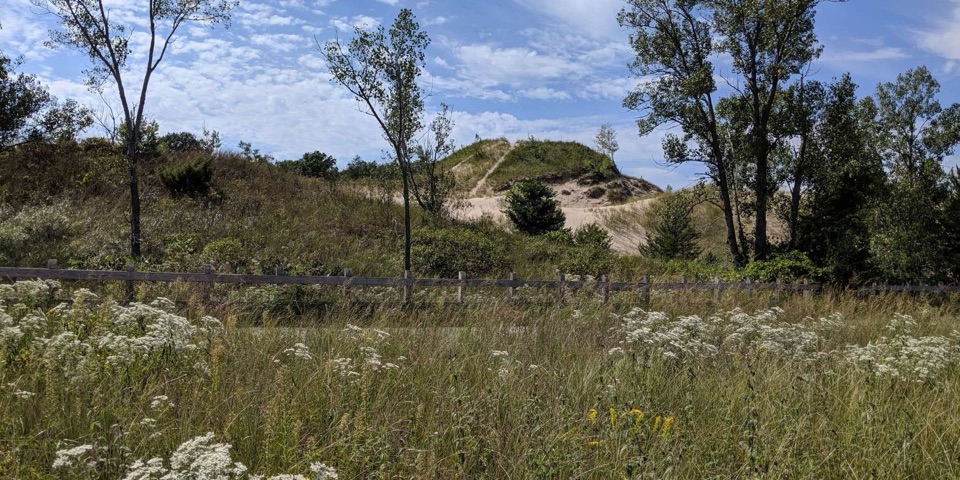
Follow the trails beyond the housesThe walk links the buildings with mature woods, the Little Calumet River and restored prairie.

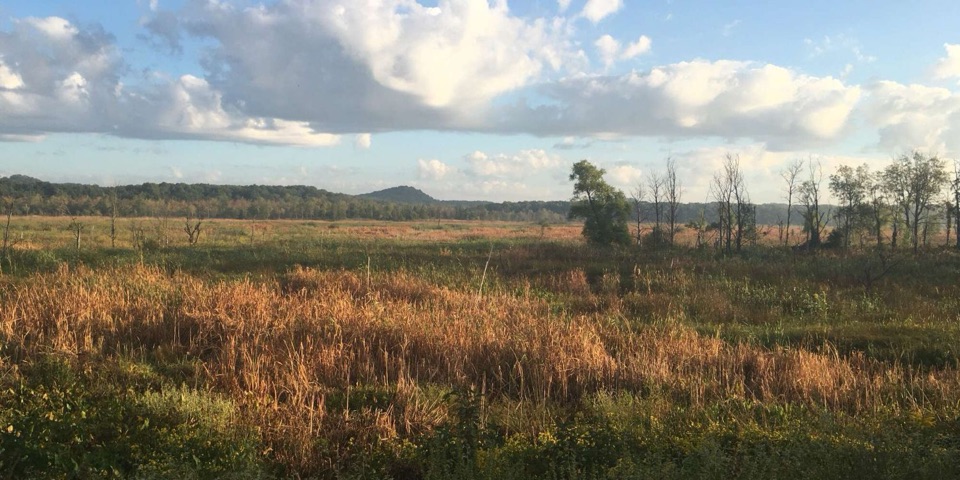
The walk links the buildings with mature woods, the Little Calumet River and restored prairie. The river crossing and open prairie make the longer route a different experience from a quick look at the houses, and the connected trail system reflects how people have been drawn to this landscape for thousands of years.

Wildlife

Wildlife in Indiana Dunes

All Indiana Dunes wildlife maps

Sighting maps show where each species has been reported across Indiana Dunes. Wildlife moves, so no sighting is guaranteed.

Keep exploring

Near Bailly Homestead

See it all on the map

Trails nearby

More stops nearby

Parkwolf’s Indiana Dunes ranking

Top sights in Indiana Dunes

All 30 places
  1. 1West BeachBeach
  2. 2Mount Baldy BeachBeach
  3. 3Portage Lakefront and RiverwalkBeach
  4. 4Century of Progress HomesSight
  5. 5Chellberg FarmSight
  6. 7Indiana Dunes State Park BeachBeach

Take Parkwolf to Indiana Dunes.

The audio tour guide for the drive, plus offline maps, trails, and wildlife heatmaps for when the signal drops.

4.7 from 8,600+ ratings

Download Parkwolf on the App StoreGet Parkwolf on Google Play