Parking
Start at the paved Pinhook Bog Trailhead Parking Lot, 957 N. Wozniak Road. A park pass is required. Two picnic tables and a seasonal portable toilet are at the lot; no drinking water is available.

Indiana Dunes National Park, IN
A rolling woodland lollipop with a bog view near its southern end
Overview
Map & elevation
Plan your hike

The highest, rockiest slopes around here are a summer buffet for grizzly bears.
Indiana Dunes Tour Guide
Parkwolf is a GPS audio tour guide for Indiana Dunes National Park. As you drive, it chimes in with what’s ahead: hidden gems, upcoming stops, history, geology, and wildlife, right through your car’s speakers.
See the Indiana Dunes audio tourRecorded for this trailhead
Pinhook Bog: A Floating Plant World“You're approaching Pinhook Bog, where floating moss mats support insect-eating pitcher plants and sundews.”
Plays as you drive up to this trailhead in the Parkwolf Indiana Dunes Tour Guide.
More stories near here in the app
“Fantastic app with many points of information… It’s great to just turn on while you’re driving and it gives you an audio tour of the national Park. We love it!!!!”


Trail guide
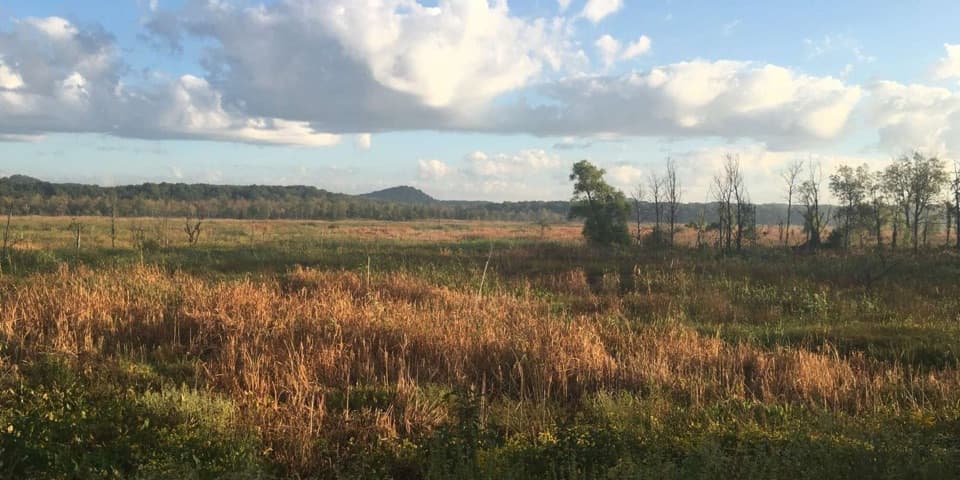
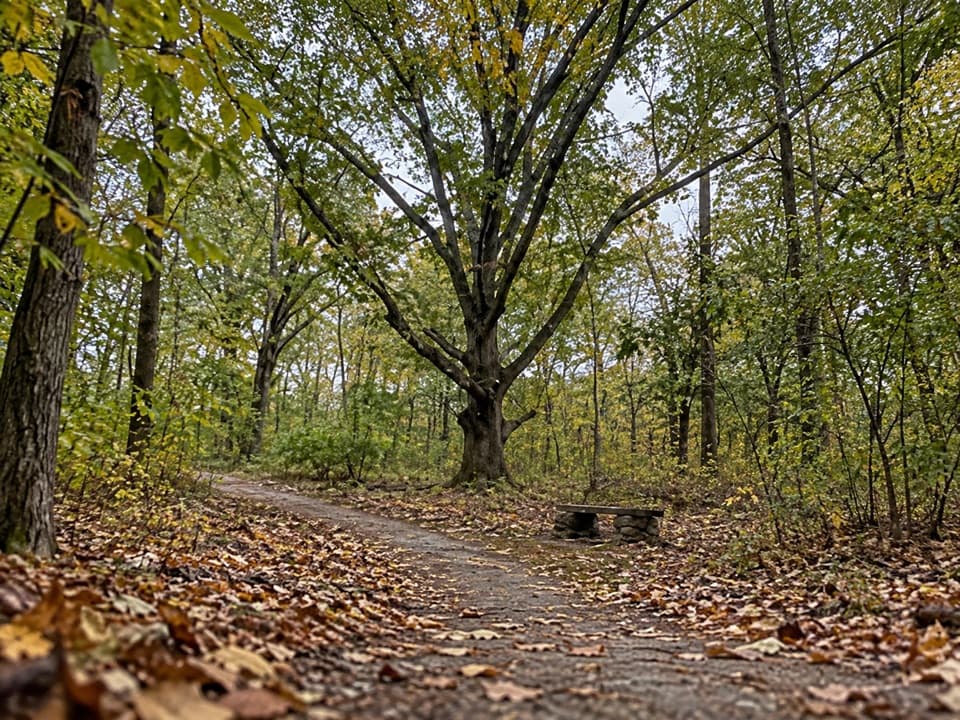
Pinhook Bog Upland Trail is a moderate 2.1-mile lollipop loop through mature beech and maple woods. Allow about 1.5 hours. That is the full walk from the parking lot, around the loop and back along the shared approach. The ground rises and dips over a glacial moraine, and the main payoff is a view of the bog near the loop’s southern end. Come for a compact woodland hike with a surprisingly rich landscape story.
From the trailhead, head east to the loop junction. The park recommends turning left and following the loop clockwise. The packed-dirt path rolls over small hills rather than climbing one big slope; the published gain is 97 feet. It can be very wet and muddy, so expect slower footing after rain. When you return to the junction, turn left again to retrace the short approach to the lot.
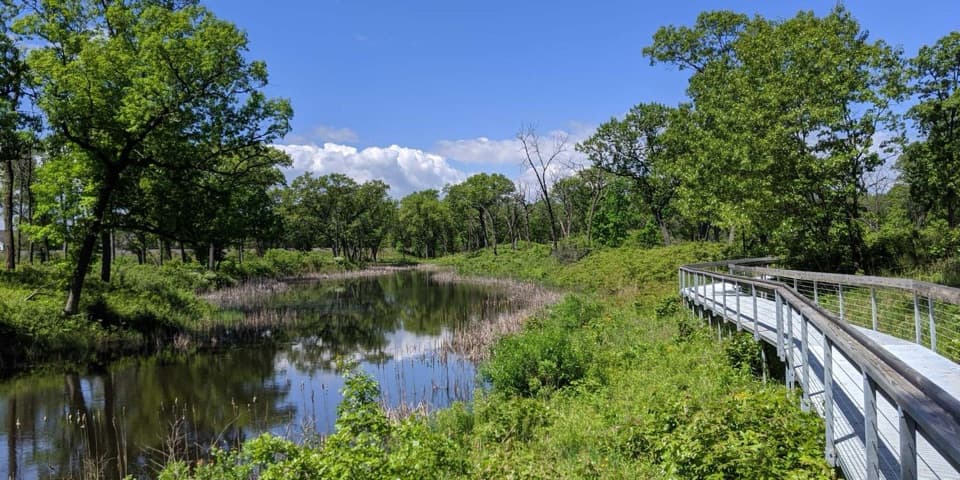
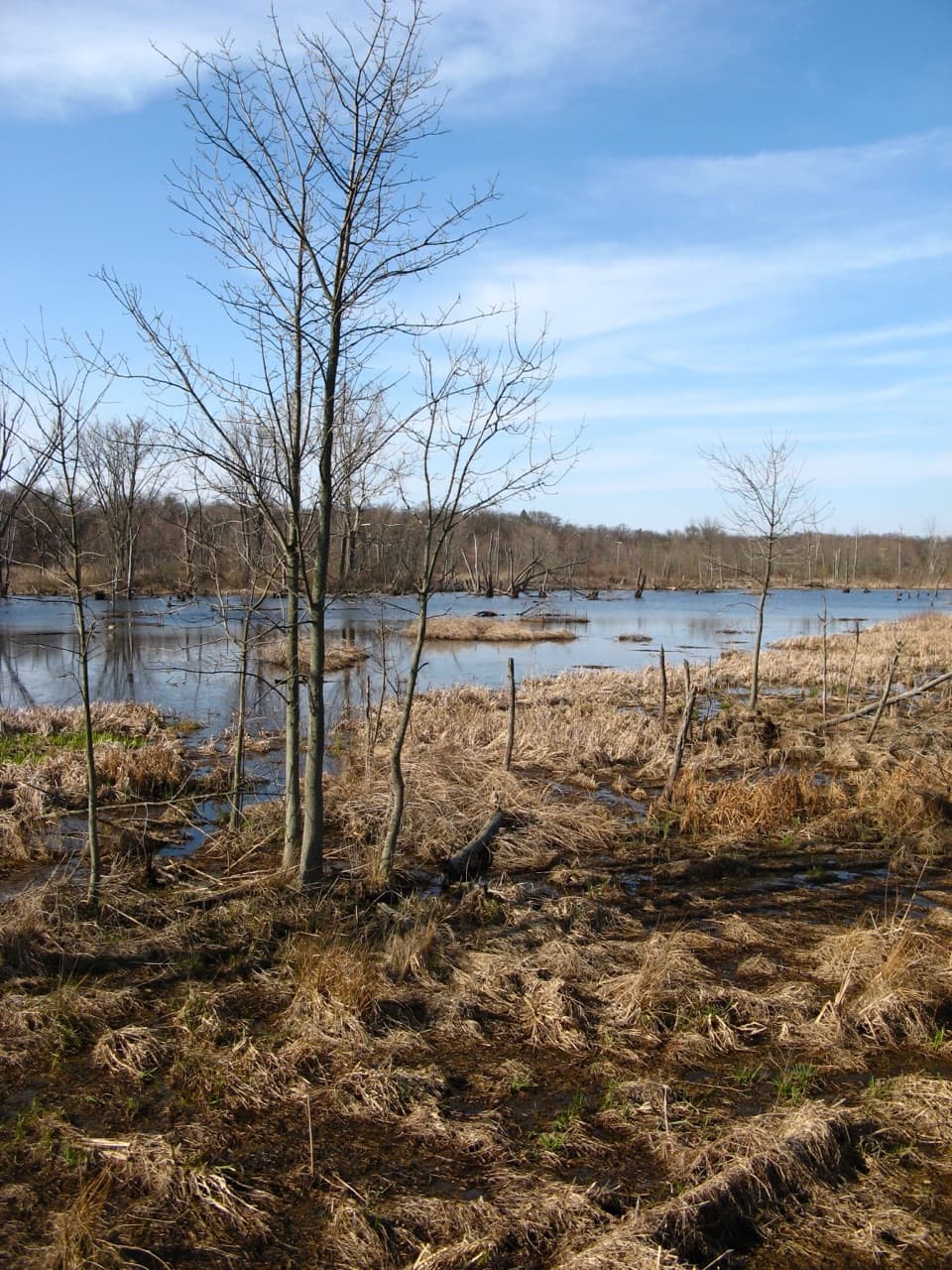
Near the loop’s south end, look across the bog from the upland side. The restricted Bog Trail is a different route, not an extension of this loop: it reaches the bog’s floating boardwalk and is available only during ranger-led summer weekend open houses. Pets aren’t permitted on that route.
The upland forest grows on a moraine formed about 15,000 years ago. A large block of melting glacier ice left a depression that became Pinhook’s kettle lake. Cut off from groundwater, the water gradually turned acidic, creating the conditions that make a bog different from the woods around it.
Sphagnum moss formed floating mats in the acidic water. Those mats support pitcher plants and sundews, along with pink lady’s-slipper orchids and ferns. Blueberry and holly shrubs followed; tamarack and red maple gradually grew in. Pinhook Bog is listed as a National Natural Landmark.
A park pass is required. Dogs are allowed on the Upland Trail on a leash no longer than six feet. The paved lot has two picnic tables and a seasonal portable toilet, but no drinking water. Ticks occur year-round, and poison ivy can grow along the trail edge; the trail and picnic tables aren’t wheelchair accessible.
Wildlife
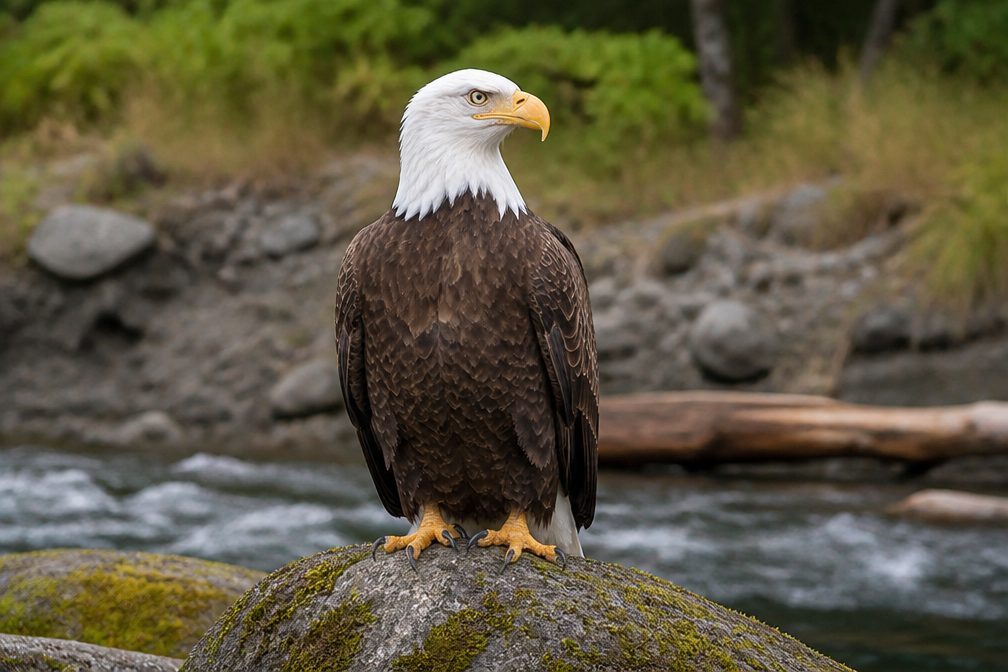 85 sightingsBald EagleMost seen around 8 AMSighting map
 48 sightingsSandhill CraneMost seen around 6 PMSighting map
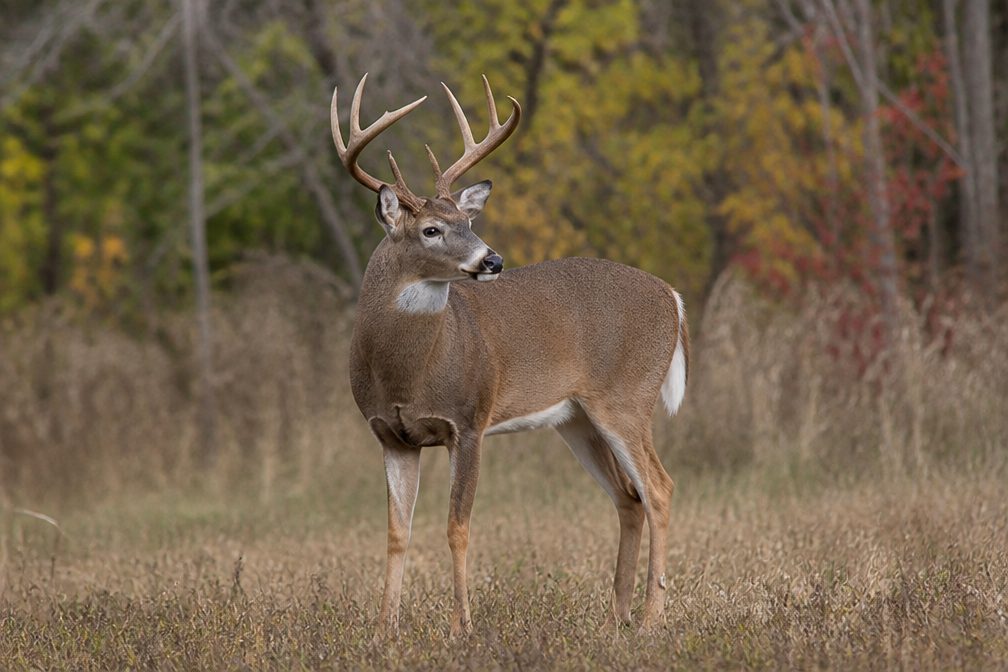 114 sightingsWhite-tailed DeerMost seen around 6 PMSighting map
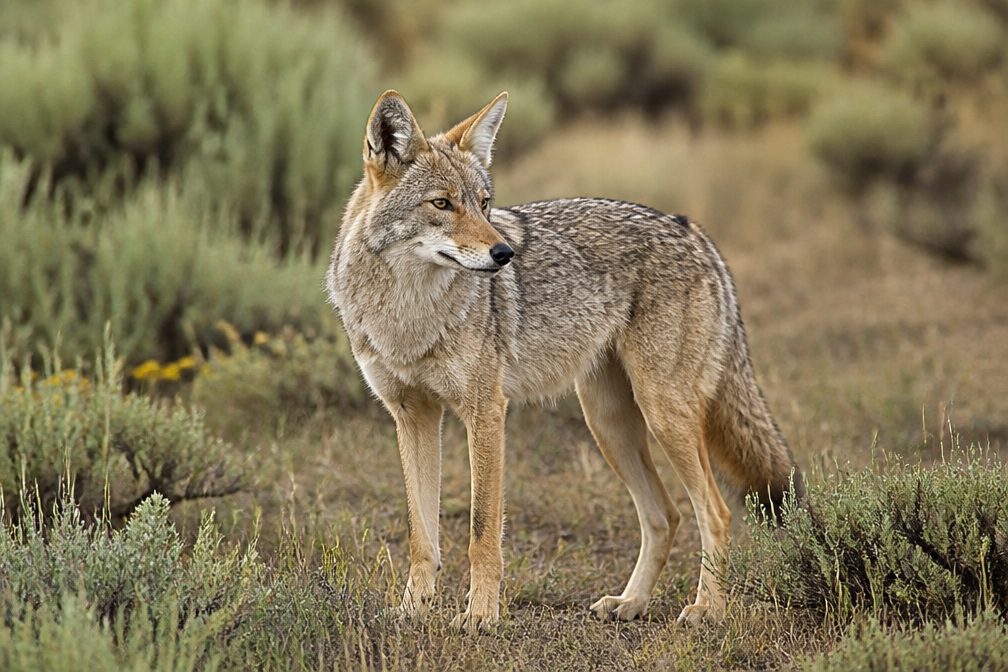 23 sightingsCoyoteMost seen around 8 PMSighting map
 49 sightingsBeaverMost seen around 8 PMSighting map
 13 sightingsBarred OwlMost seen around 6 AMSighting map
Sighting maps show where each species has been reported across Indiana Dunes. Wildlife moves, so no sighting is guaranteed.
Keep exploring
 EasyPinhook Bog Trail0.9 mi · 1 hr · At the trailheadStep onto a floating boardwalk in a quaking kettle bog.
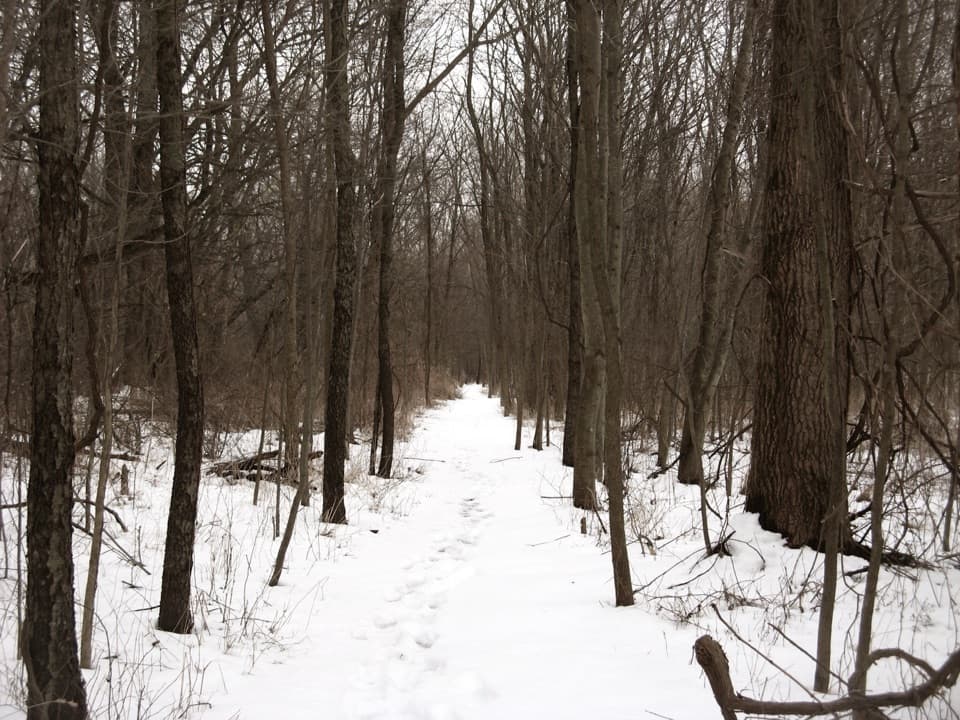 EasyHeron Rookery Trail3.3 mi · 1.8 hr · 5.3 mi awayBest in spring, when woodland flowers brighten the river trail.
 ModerateMount Baldy Beach Trail0.8 mi · 1 hr · 7.2 mi awayA short walk ends in a steep scramble down to Lake Michigan.
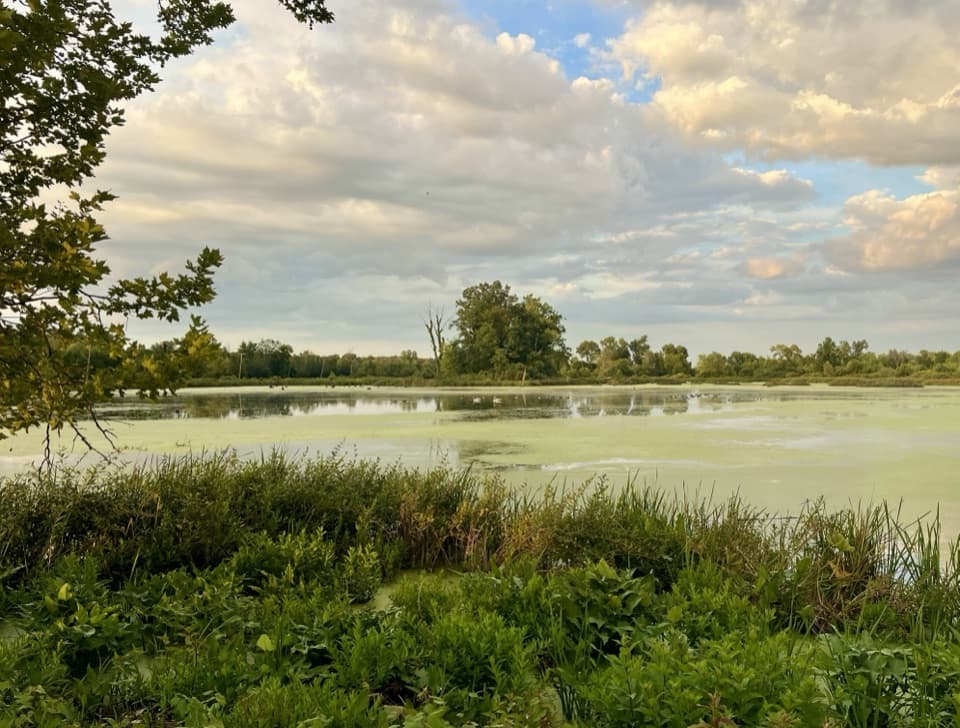 EasyGreat Marsh Trail1.3 mi · 1 hr · 8 mi awayA flat marsh loop with an observation deck for birding.
 EasyGreat Marsh Accessible Trail0.2 mi · 15 min · 8.1 mi awayA short paved route to the marsh's bird-viewing deck.
 EasyCalumet Dunes Trail0.6 mi · 20 min · 8.7 mi awayA quick paved loop on Lake Michigan's old shoreline
 EasyDunewood Trace Campground Trail4.4 mi · 2.5 hr · 8.7 mi awayAn easy, sandy out-and-back to Dunewood Campground.
 ModerateGlenwood Dunes Extension Trail5.7 mi · 3 hr · 8.7 mi awayA flat, sandy extension with a longer walk from the main lot.
 Sight · At the trailheadPinhook BogSee the floating bog up close only on ranger-led summer weekends.
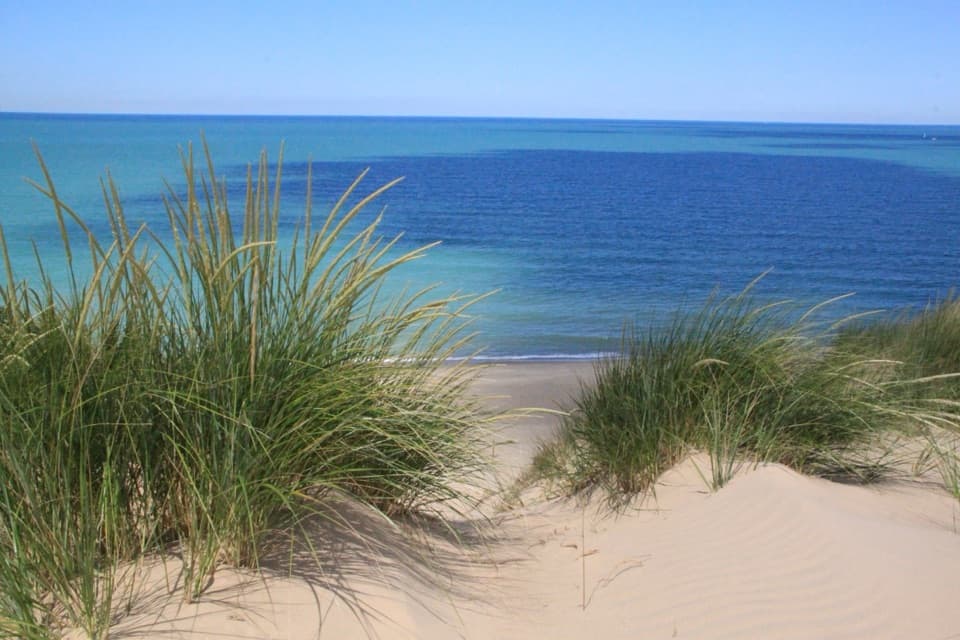 Beach · 7.2 mi awayMount Baldy BeachDune views from the lot; a sandy walk to the lake.
 Beach · 7.5 mi awayCentral Avenue BeachSummer bank swallows shuttle over this sandy Lake Michigan beach.
 Campground · 7.5 mi awayCentral Avenue Walk-in CampgroundFive quiet sites near Lake Michigan, reached by a steep gear carry.
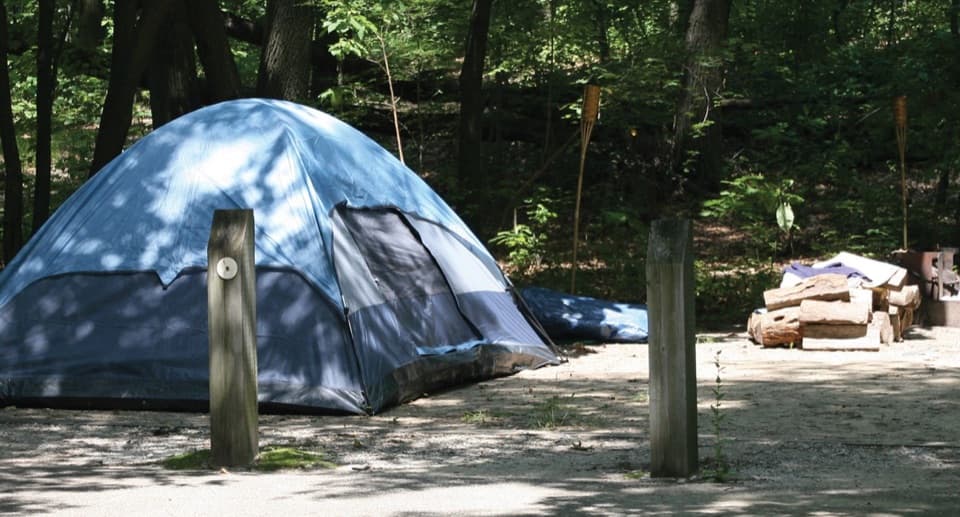 Campground · 7.7 mi awayDunewood CampgroundA wooded base, with lake beaches a short drive away.
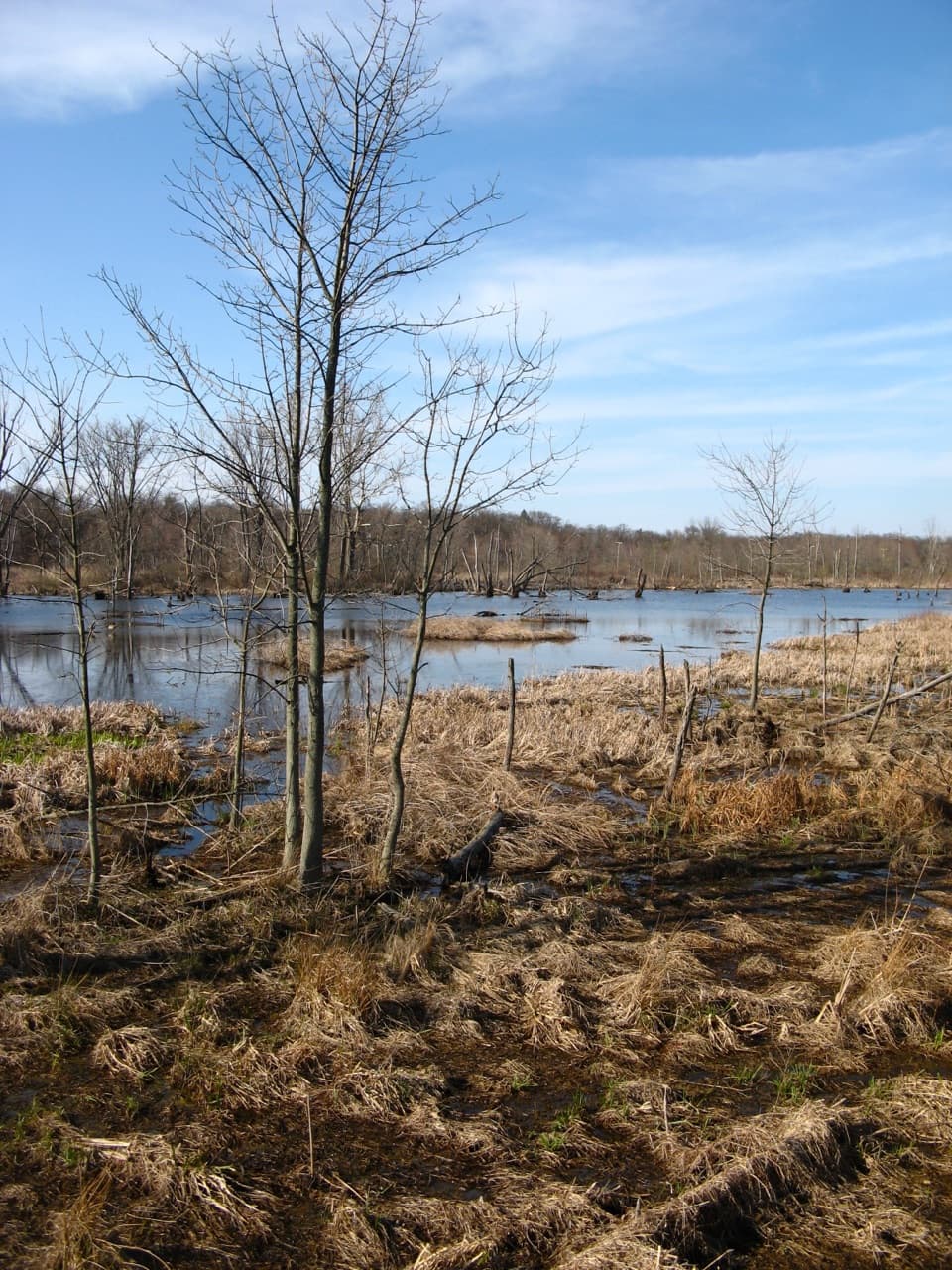 Sight · 8.1 mi awayGreat Marsh Observation DeckA short accessible walk to the Great Marsh
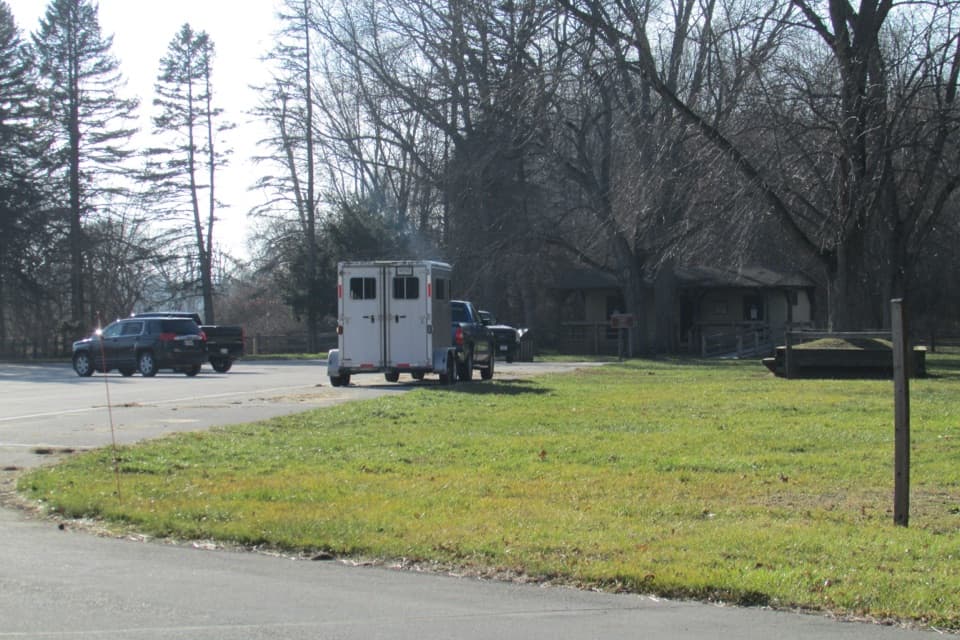 Picnic area · 8.7 mi awayGlenwood Dunes Picnic AreaA first-come shelter beside a web of dune trails.
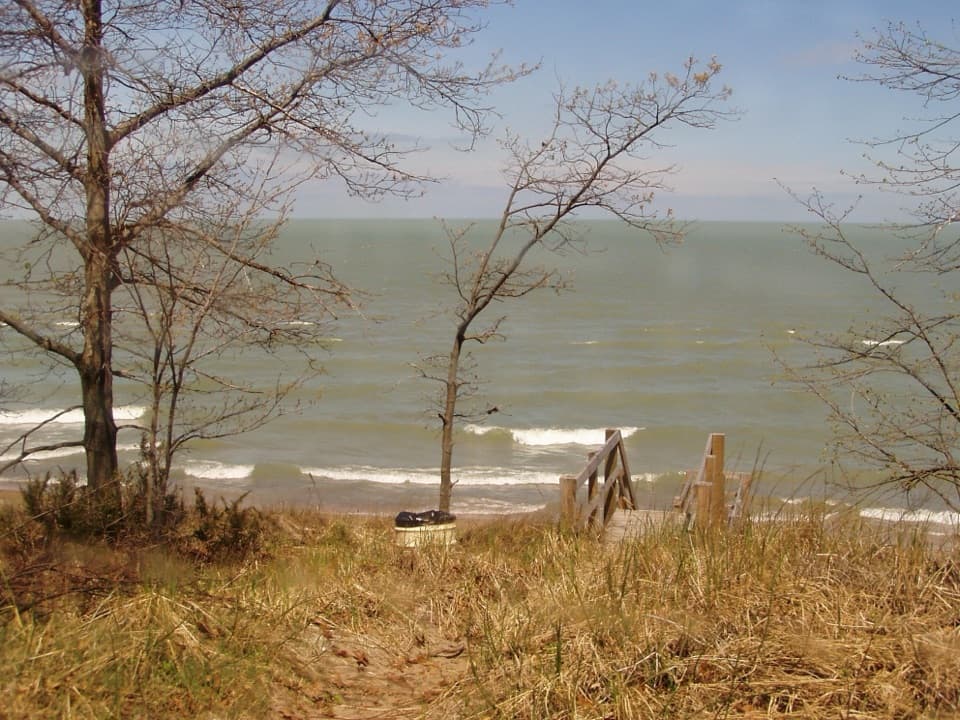 Beach · 8.8 mi awayLake View BeachPicnic above the lake, with stairs down to the sand.
Parkwolf’s Indiana Dunes ranking

The audio tour guide for the drive, plus offline maps, trails, and wildlife heatmaps for when the signal drops.