Amethyst Lakes

Remote alpine lakes mirrored by the Ramparts in Tonquin Valley
Amethyst Lakes, Jasper National Park
InsideJasper National Park

Why go

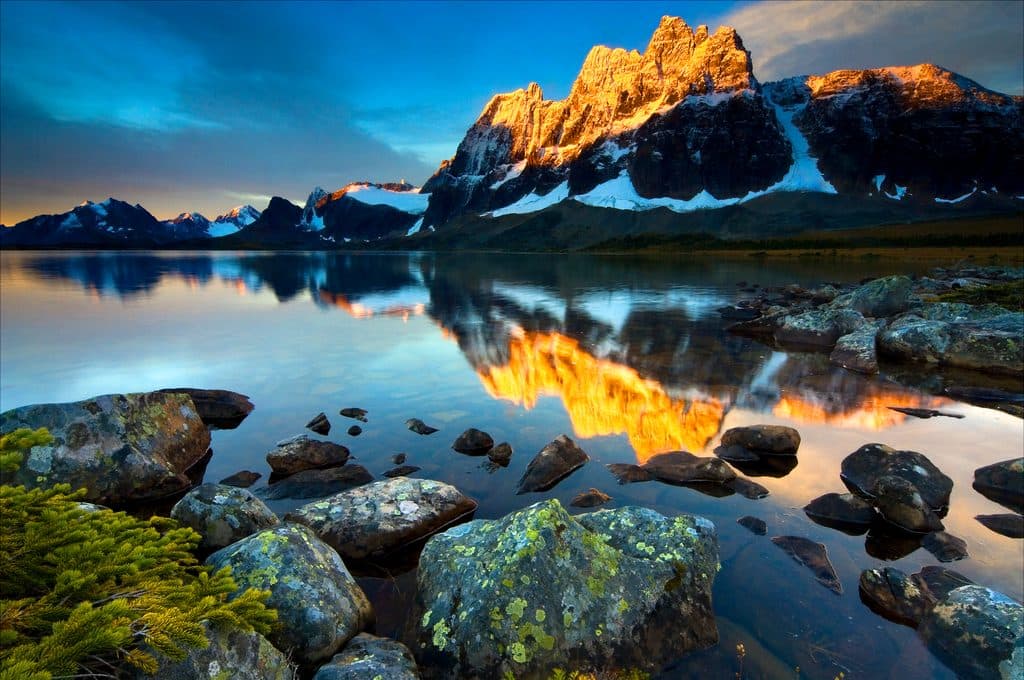
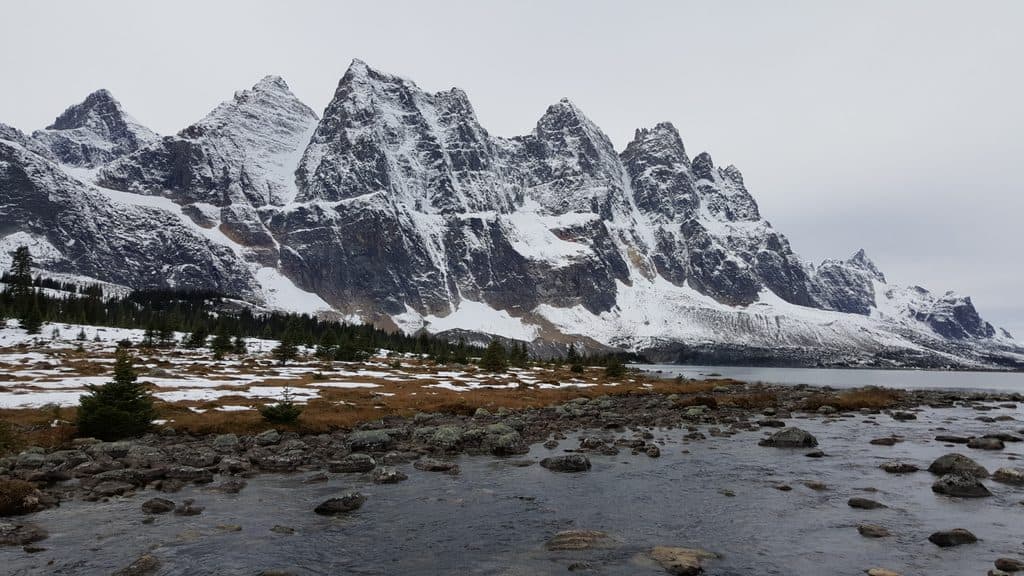
Amethyst Lakes sit beneath the jagged wall of the Ramparts—a fortress of peaks that drop straight to the water. On a calm morning, the reflections are unreal. It’s remote, wild, and easily one of the most dramatic alpine scenes in the Rockies if you’re willing to earn it.

Getting there

You’ll reach the lakes via the Tonquin Valley trail system from either the Portal Creek or Astoria River trailheads. Expect roughly 20–23 km one way to the lakeshore, which is why most visitors plan a multi‑day backpack rather than a day push.

What you’ll see

  • The Ramparts rising abruptly above turquoise water
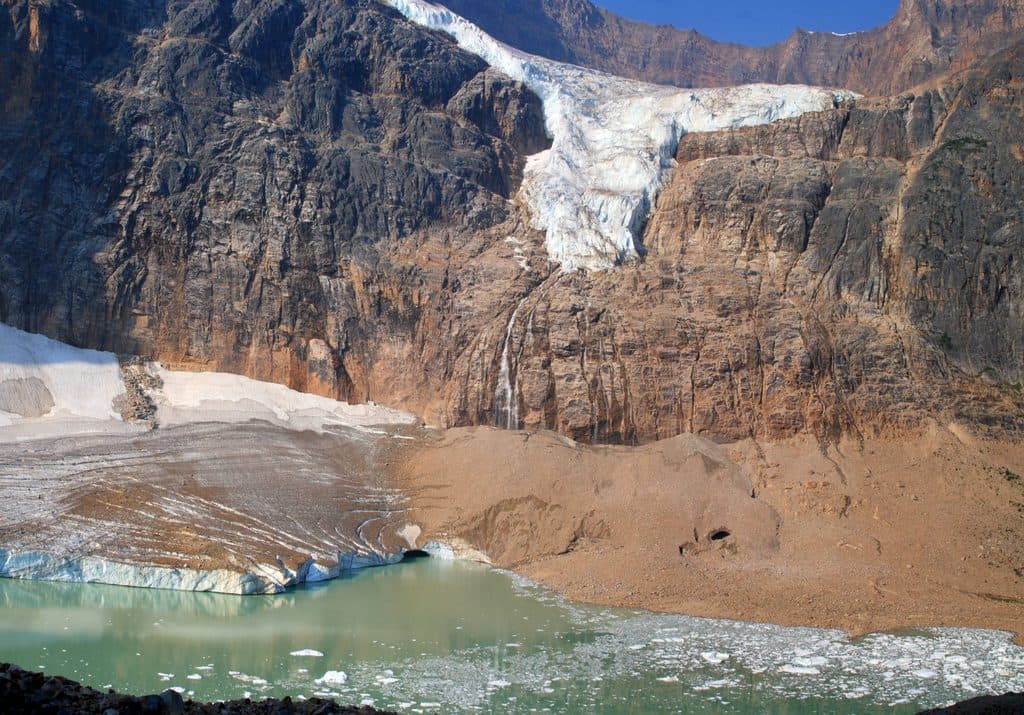
  • Broad lakeshores and open alpine terrain with glacial features
  • Wildflower meadows in season, especially around Maccarib Pass

Wildlife

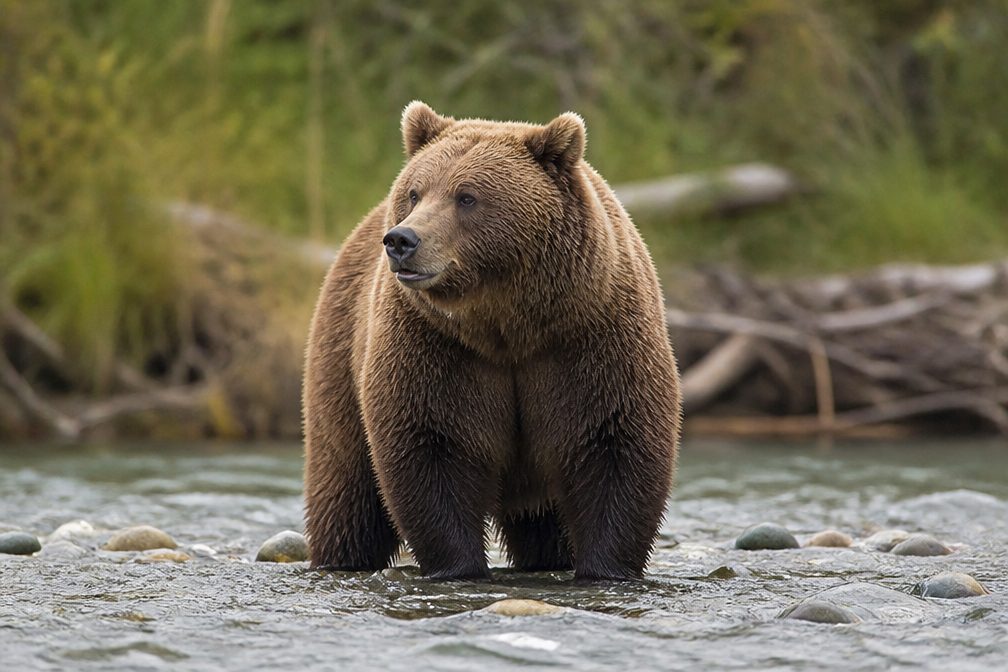
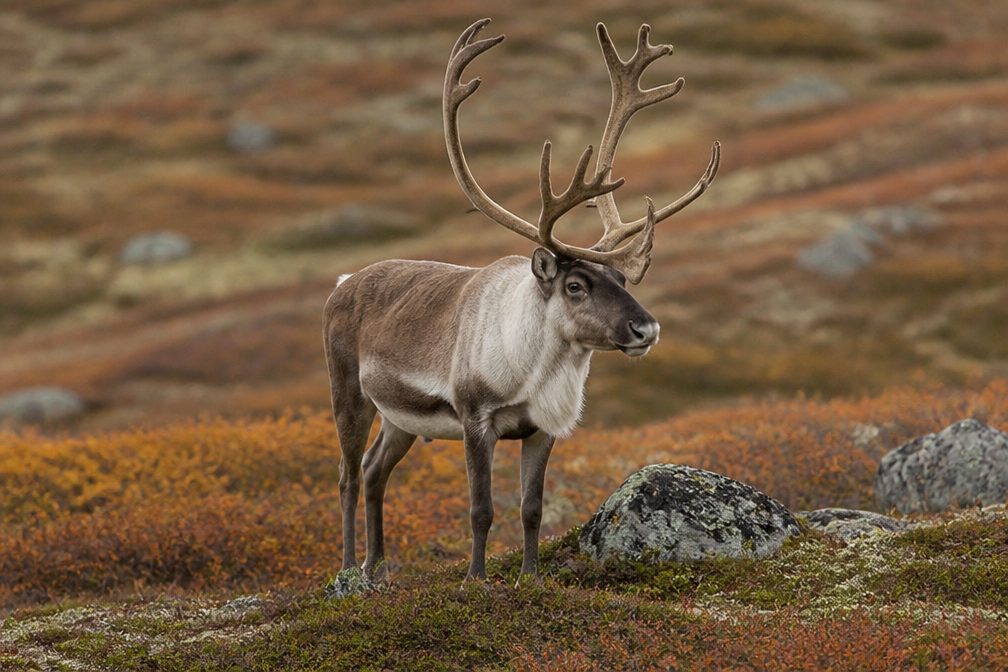
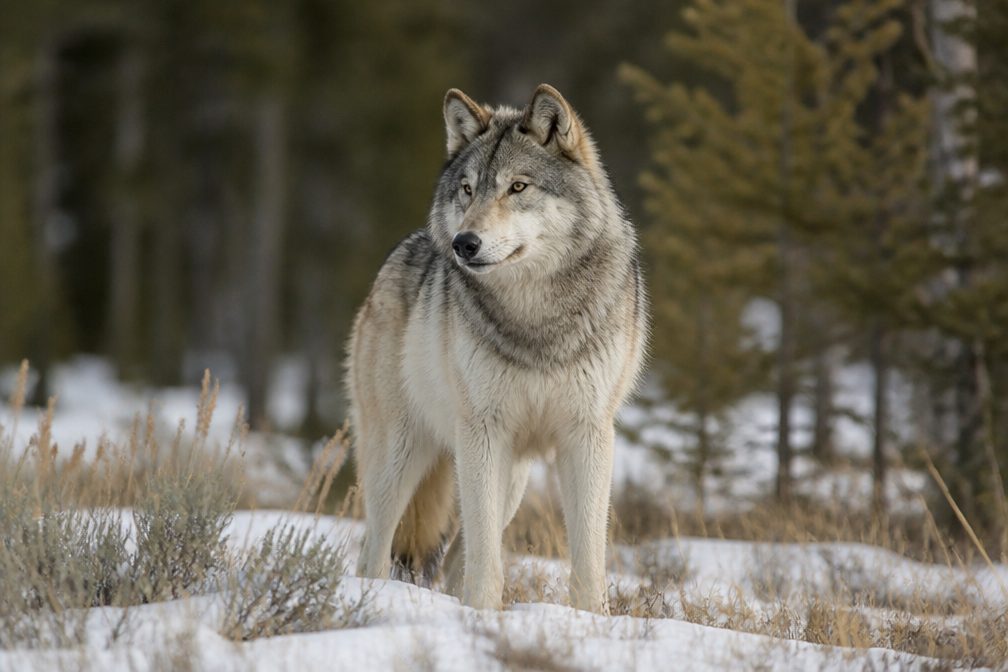
This is prime habitat. The endangered Tonquin Valley woodland caribou herd ranges here, and grizzly bears use the area as well. Other possibilities include elk, marmots, pikas, and alpine birds. Predator sightings (including the occasional cougar report) are possible—travel smart.

Camping and logistics

A designated Amethyst Campground sits on the east shore with tent pads, food storage, and a pit toilet. There are no services—no stores, restaurants, Wi‑Fi, or cell coverage. Draw and treat water from the lake or streams. Overnight trips require a backcountry permit, and you’ll need a fishing license if you plan to cast a line.

Conditions to expect

This is true wilderness. Trails can be very muddy after rain and in shoulder seasons; bugs can be fierce in mid‑summer. Weather turns quickly—rain, cold, even snow can hit outside the warmest weeks. Bear safety is non‑negotiable: carry spray, make noise, and store food properly.

Photography notes

Sunrise and calm dawns are the money window for Ramparts reflections, and the best light can be fleeting. Wind picks up through the day, so plan your big shots early or at dusk when it often settles again.

Best time to visit

  • Season: Late July to early September is the sweet spot; expect fewer bugs later in the season.
  • Crowds: Low by front‑country standards—remoteness keeps numbers down.
  • Lighting: Aim for sunrise or sunset for color and mirror‑still water; midday is harsh and windy.
  • Days of week: Weekdays see even fewer people, but the difference is minor compared to the effort required to get here.


Pros

  • Iconic Ramparts backdrop with mirror-like reflections at dawn
  • True backcountry solitude with designated lakeside campground

Cons

  • Long approach hike (about 20–23 km one way)
  • Mosquitoes and muddy trails are common in summer

Tips

  • Plan this as a multi‑day backpack; 20–23 km one way is no joke.
  • Reserve your backcountry campsites early; permits are required for overnights.
  • Bring serious bug protection for July–August and expect mud after rain.
  • Dawn is your best chance for glassy reflections and calm wind.
  • Carry bear spray and use provided food storage at camp.
The Parkwolf tour guide sitting on a phone mounted in a car

Parkwolf Tour Guide

Like a tour guide in your car.

Save the places you found around Jasper, then let Parkwolf guide the drive between them.Download Parkwolf on the App Store