Tonquin Valley

Backcountry valley of jagged Ramparts, mirror lakes, and caribou
Tonquin Valley, Jasper National Park
InsideJasper National Park

Overview

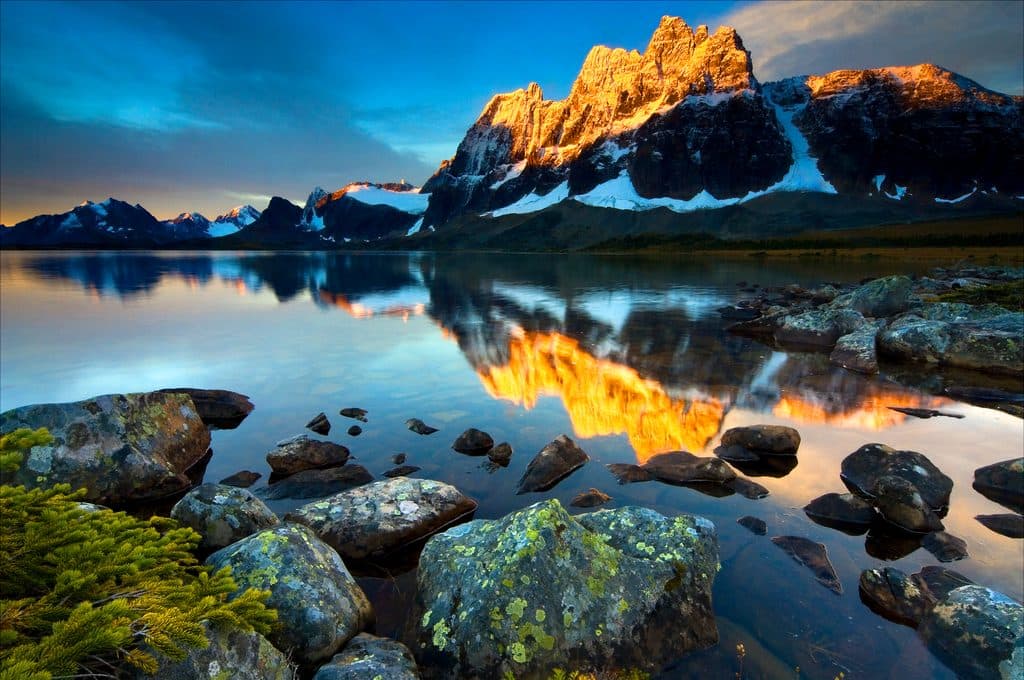
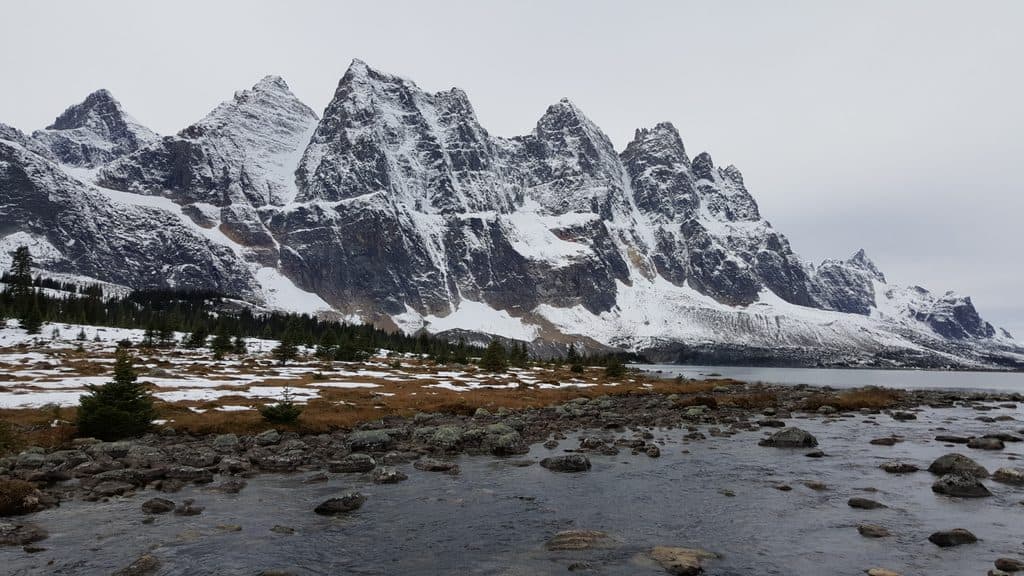
Tonquin Valley is Jasper’s classic backcountry showpiece: a broad, lake‑dotted valley crowned by the jagged wall of the Ramparts and the mirror‑calm Amethyst Lakes. It feels wild and remote, with big‑mountain views right from camp and a real chance of spotting charismatic wildlife.

Why it’s special

The skyline here is dominated by a dramatic Precambrian quartzite wall that rises roughly a thousand meters above the valley floor. When the light hits Amethyst Lakes, you get those knockout reflections the area is famous for. It also sits within a designated dark‑sky preserve, so on clear nights the stars feel impossibly bright.

The experience

Most hikers tackle a 43–44 km point‑to‑point (or horseshoe) over 2–4 days, linking Portal Creek and Astoria trailheads. Expect wildflower meadows, glacial streams, wetlands, and constant mountain‑and‑lake scenery. Popular side trips branch to Moat Lake, Tonquin Pass, and nearby peaks and basins if you’ve got extra gas in the tank.

Wildlife

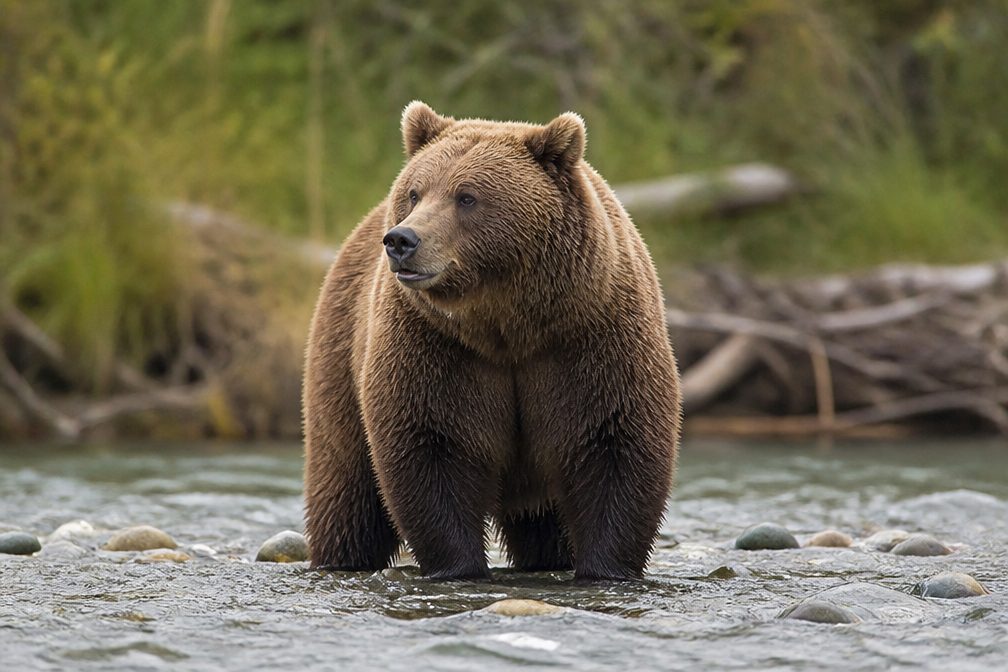
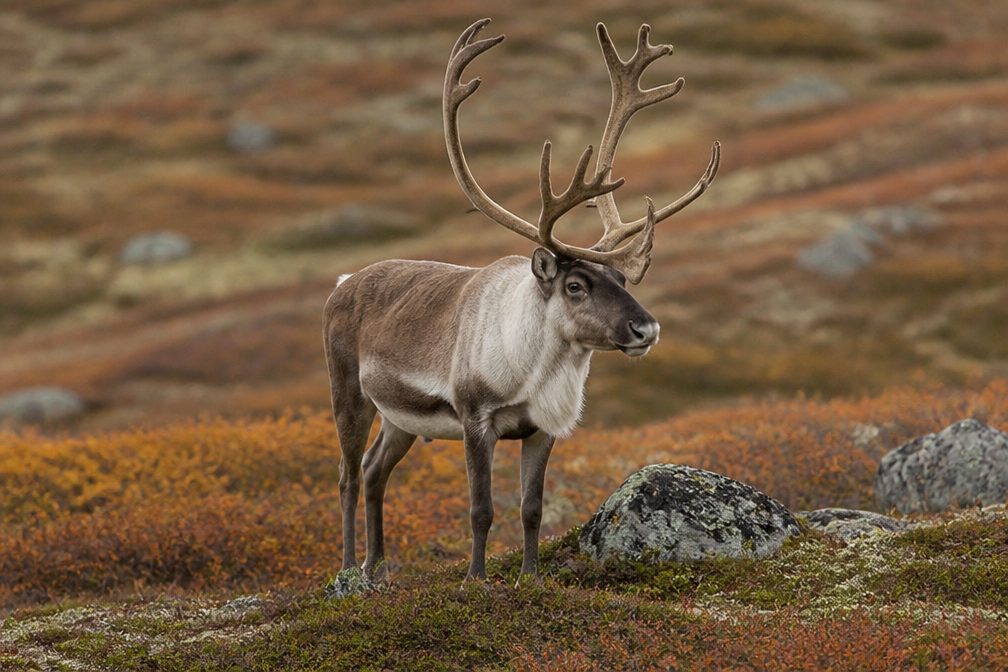
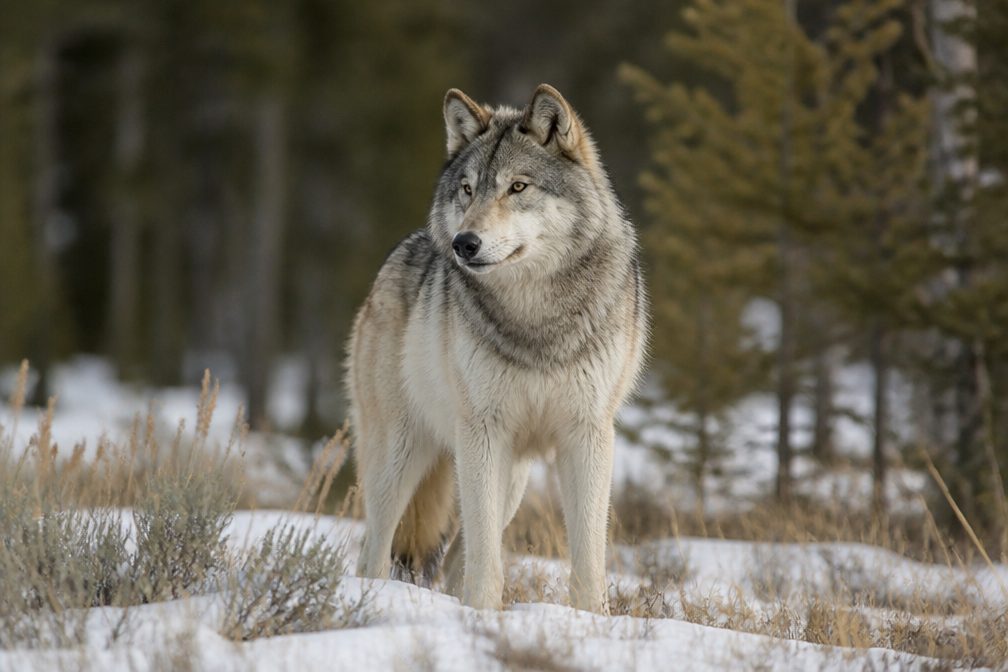
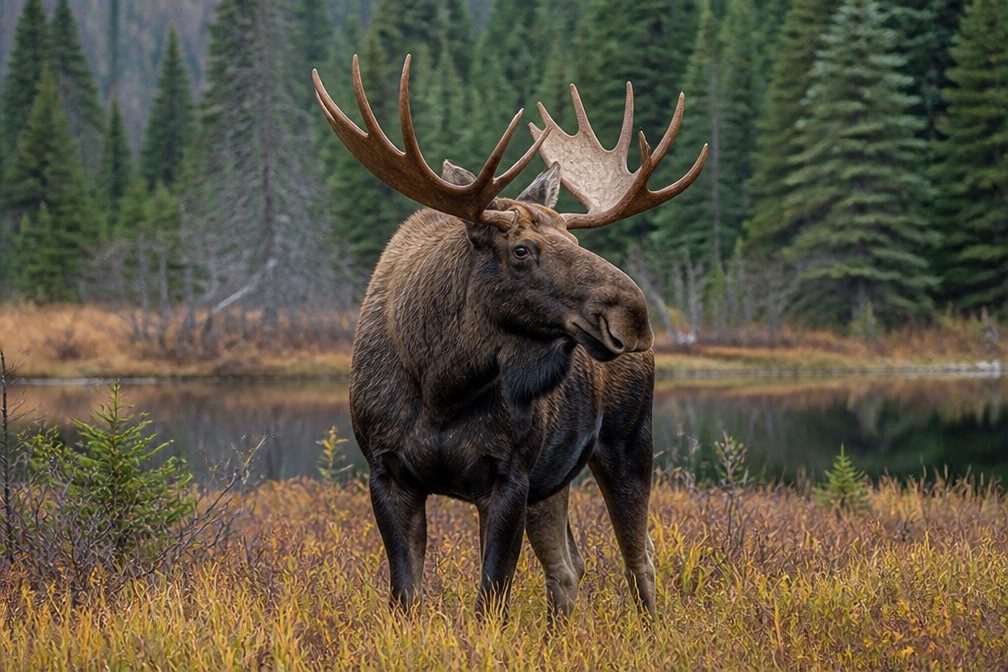
This is sensitive caribou habitat (the Tonquin herd), and grizzly and black bears roam the area. Moose, wolves, and diverse birdlife are also reported. To protect caribou, dogs aren’t permitted, and seasonal closures run from November to May 15.

Logistics and amenities

Access is via the Portal Creek or Astoria trailheads; both have small parking lots and form the ends of the common thru route. In the valley you’ll find designated backcountry campgrounds (e.g., Amethyst, Maccarib, Clitheroe) with pit toilets, bear lockers, and picnic tables. Water comes from nearby creeks and lakes—treat it. There are no stores, restaurants, or services in the valley. Two wilderness lodges are located near Amethyst Lakes; confirm current operating status before planning around them.

Conditions and challenges

Trail conditions vary. Expect mud (a lot of it after rain or early season), buggy stretches in July–August, and glacial stream crossings. This is true backcountry: navigation is straightforward on main trails but you need solid backcountry judgment and bear awareness.

Best time to visit

Late June through September is the main season, with mid‑August to mid‑September often offering firmer trails and fewer bugs. Start early for cooler hiking and calmer lake reflections. Weekdays see fewer people, and dusk/dawn deliver the best photography light on the Ramparts—and the best stargazing after dark.


Planning notes

Backcountry permits are required and should be booked well in advance. Many hikers stage a vehicle shuttle between trailheads or arrange a pickup to avoid a road walk. Pack bear spray, bug protection, waterproof boots and gaiters, and layers for volatile mountain weather. For current rules, closures, and campground details, check Parks Canada before you go.

Pros

  • Jaw‑dropping Ramparts above turquoise Amethyst Lakes
  • Premier multi‑day backpacking with designated backcountry camps
  • Exceptional dark‑sky stargazing

Cons

  • Infamous mud and mosquitoes in mid‑summer
  • Long, committing route with logistics and permits
  • Seasonal closures for caribou; no dogs allowed

Tips

  • Hike it as a thru route between Astoria and Portal Creek; arrange a shuttle.
  • Aim for mid‑Aug to mid‑Sept for fewer bugs and firmer trails.
  • Book backcountry permits early—prime camps fill quickly.
  • Pack bear spray, waterproof boots, and gaiters; mud is common.
  • Treat all water from lakes and creeks; there are no taps or services.
The Parkwolf tour guide sitting on a phone mounted in a car

Parkwolf Tour Guide

Like a tour guide in your car.

Save the places you found around Jasper, then let Parkwolf guide the drive between them.Download Parkwolf on the App Store