Medicine Lake

Disappearing alpine lake with big views and frequent wildlife
Medicine Lake, Jasper National Park
InsideJasper National Park

Why it’s special

Medicine Lake is Jasper’s disappearing act. Fed by the Maligne River, the lake fills in summer, then drains away in fall and winter through sinkholes into a vast underground karst system—water later resurfaces down-valley at Maligne Canyon. It’s a rare, textbook example of a “losing stream” on a grand scale.

What you’ll see by season

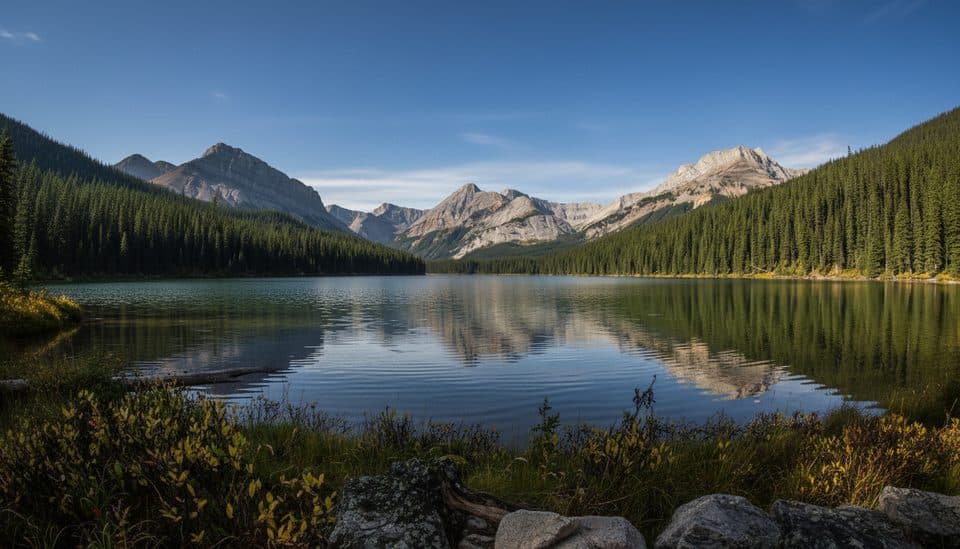
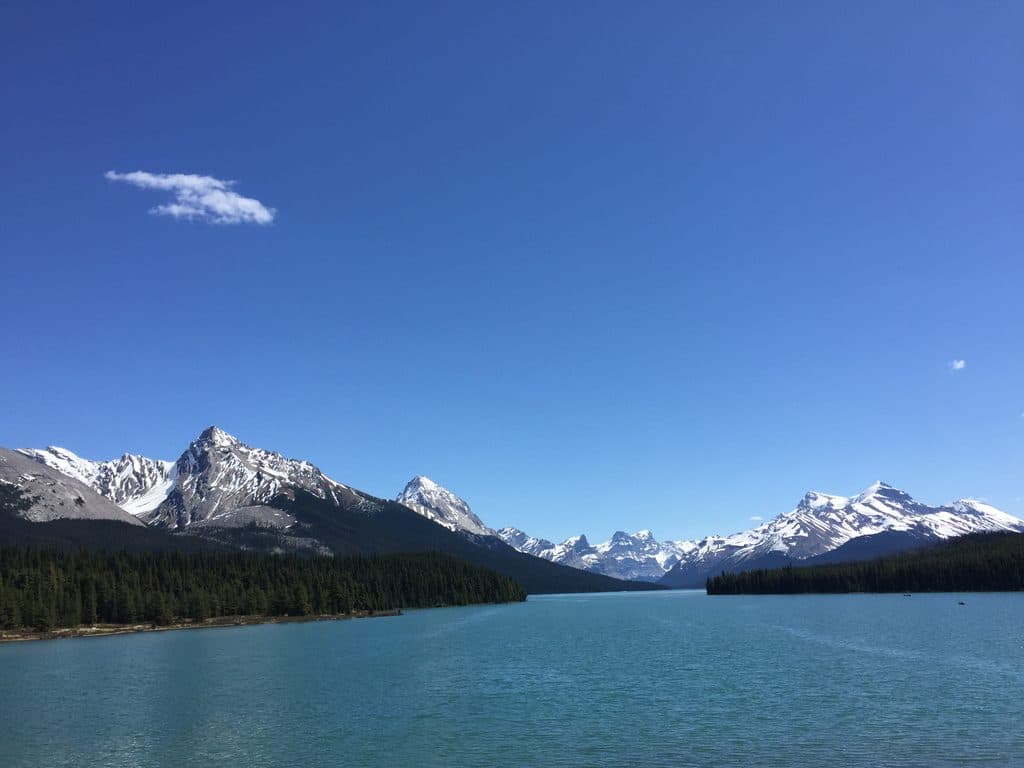
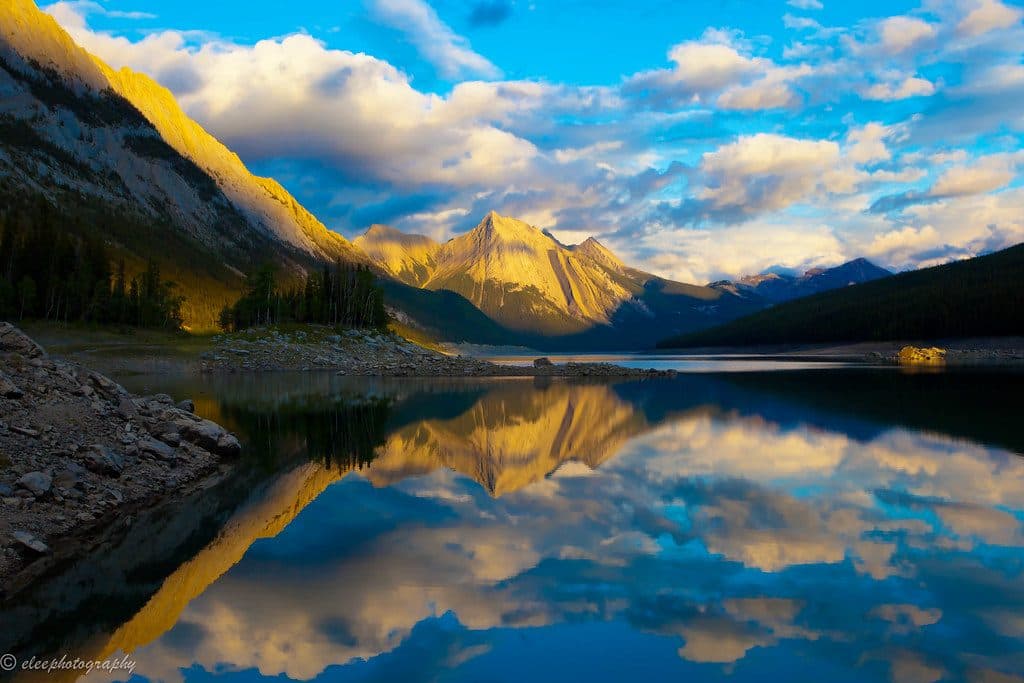
  • Summer: A blue‑green lake ringed by peaks, mirror reflections on calm days, and easy roadside viewpoints for photos.
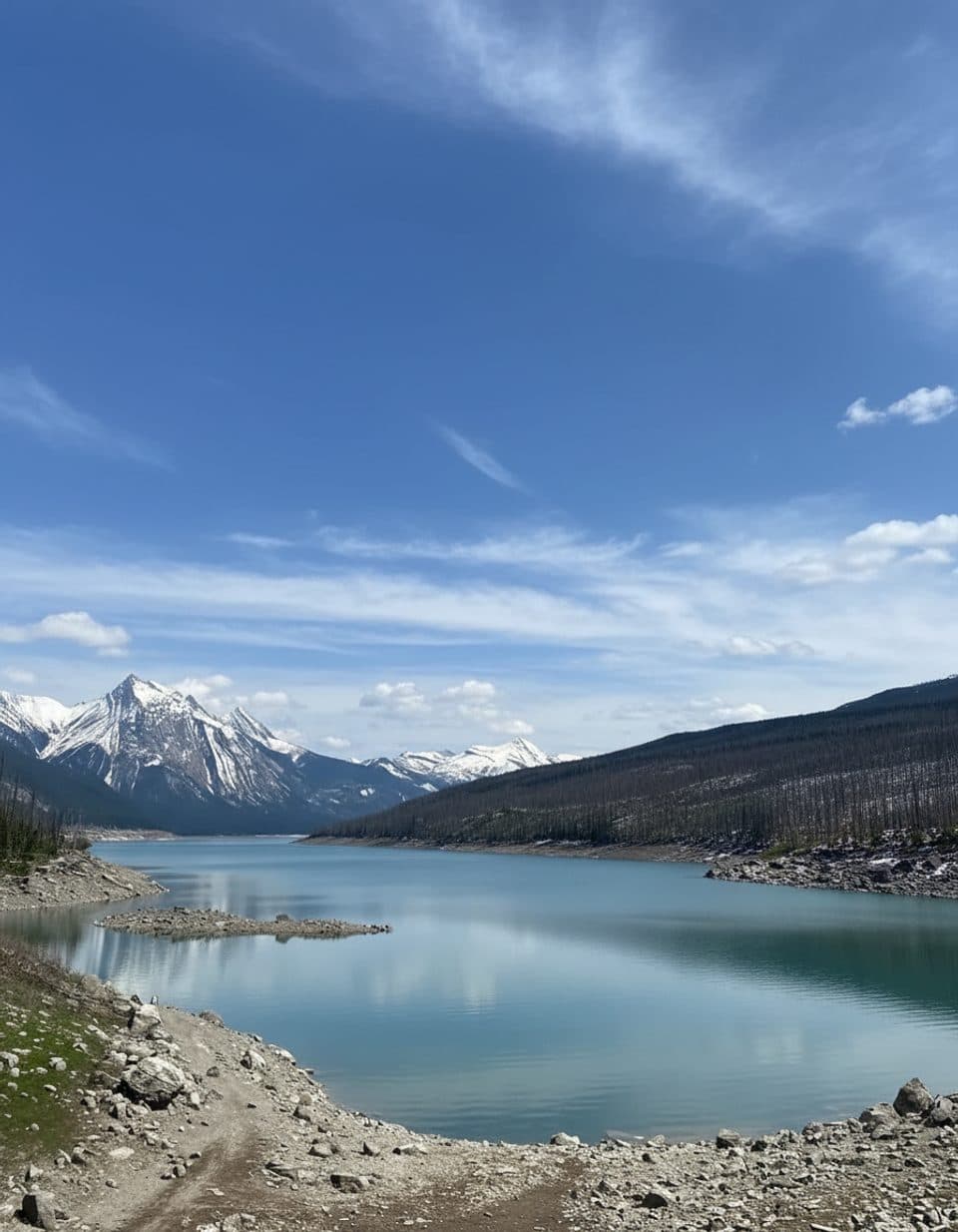
  • Fall/Winter: Water levels drop dramatically, revealing mudflats and channels; in winter it may be snow-covered or frozen, with a stark, quiet beauty.


Wildlife

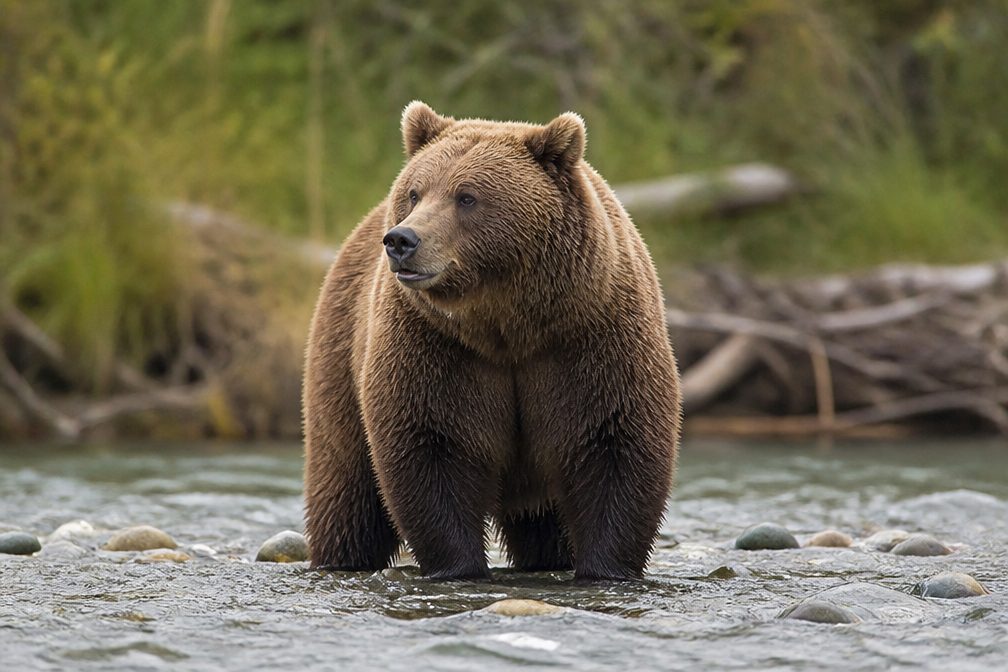
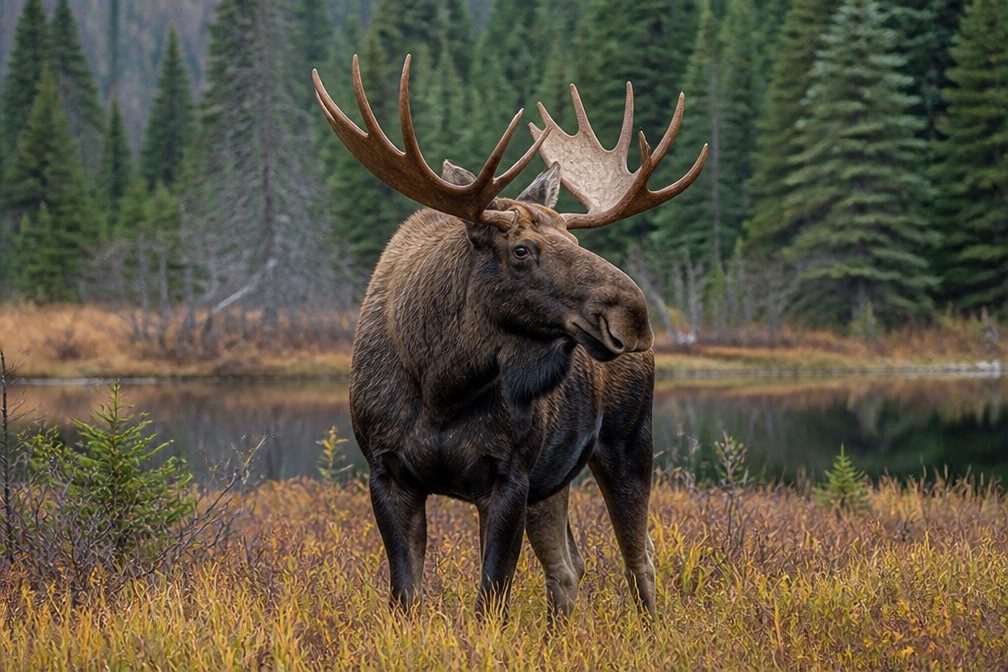
This valley is a reliable wildlife corridor. Keep your eyes peeled for bighorn sheep, elk, moose, and black bears along the shore and roadside. Bald eagles nest in the area; occasional closures can protect nesting sites—respect any posted notices.

Getting there & on-site setup

Located along Maligne Lake Road about 20–25 km southeast of the town of Jasper, Medicine Lake is an easy pull-over stop. You’ll find roadside parking areas and viewpoints with interpretive panels explaining the geology. Don’t expect services here—no food, store, or washrooms at the lake itself; plan your pit stops at Maligne Canyon or Maligne Lake.

Geology in a nutshell

Medicine Lake isn’t a typical lake—it’s a temporary reservoir atop a perforated limestone floor. As inflow wanes each year, water drains into underground caves and sinkholes, making the shoreline shape-shift with the seasons.

Is it worth it?

Yes—especially if you’re already driving Maligne Lake Road. It’s less busy than Maligne Lake, the scenery is superb, and the geology story is one-of-a-kind. Just calibrate expectations if you visit in late season when the “lake” looks more like a river on a wide, muddy bed.

Best time to visit

  • Timing: Early morning or late afternoon for soft light and reflections; weekdays are quieter in peak summer.
  • Season: Summer for full-water views and wildlife activity; late fall/winter to witness the disappearing act and enjoy solitude.

Pros

  • Fascinating disappearing-lake phenomenon with clear interpretive signs
  • Easy roadside pullouts with big valley views

Cons

  • Seasonal water lows can leave muddy flats and underwhelm some visitors
  • Very limited on-site amenities (no food or washrooms reported)

Tips

  • Build this into a Maligne Lake Road day; stop at multiple pullouts for changing angles.
  • Bring binoculars for bighorn sheep and bald eagles; scan slopes and snags.
  • Expect very different scenes by season—full waters in summer, mudflats by fall.
  • Carry water and snacks; there are no services at the lake itself.
  • Check for temporary closures related to eagle nesting before you go.
The Parkwolf tour guide sitting on a phone mounted in a car

Parkwolf Tour Guide

Like a tour guide in your car.

Save the places you found around Jasper, then let Parkwolf guide the drive between them.Download Parkwolf on the App Store