
Place
Challenging
This is Jasper’s rough-and-rewarding backcountry classic through the Fiddle River Valley—most often hiked point‑to‑point between Miette Hot Springs and Whitehorse Creek. Plan on about 23.5 miles one way (37.8 km), typically over 2–4 days, with steady climbing to Utopia Pass, a steep drop to the river, and a final push to scenic Fiddle Pass. It’s not a loop—set up a shuttle.
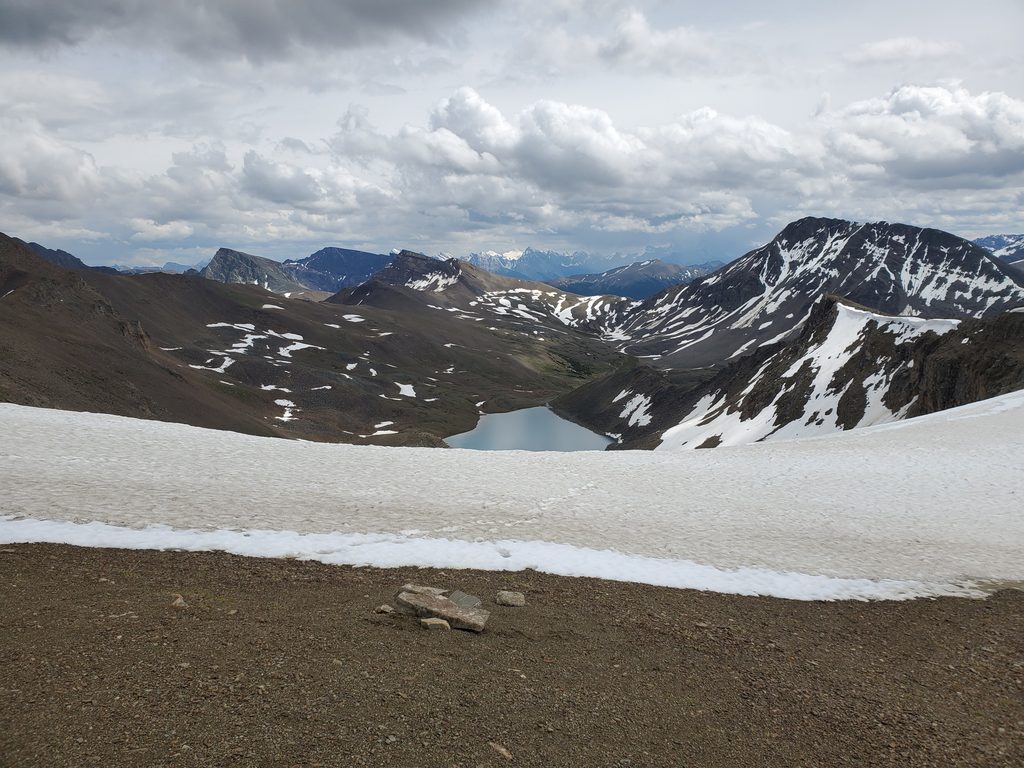
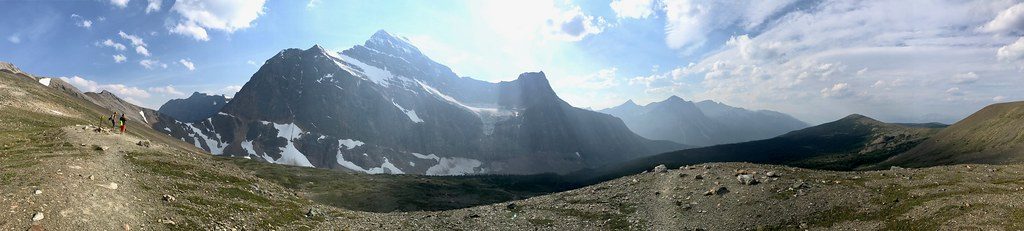
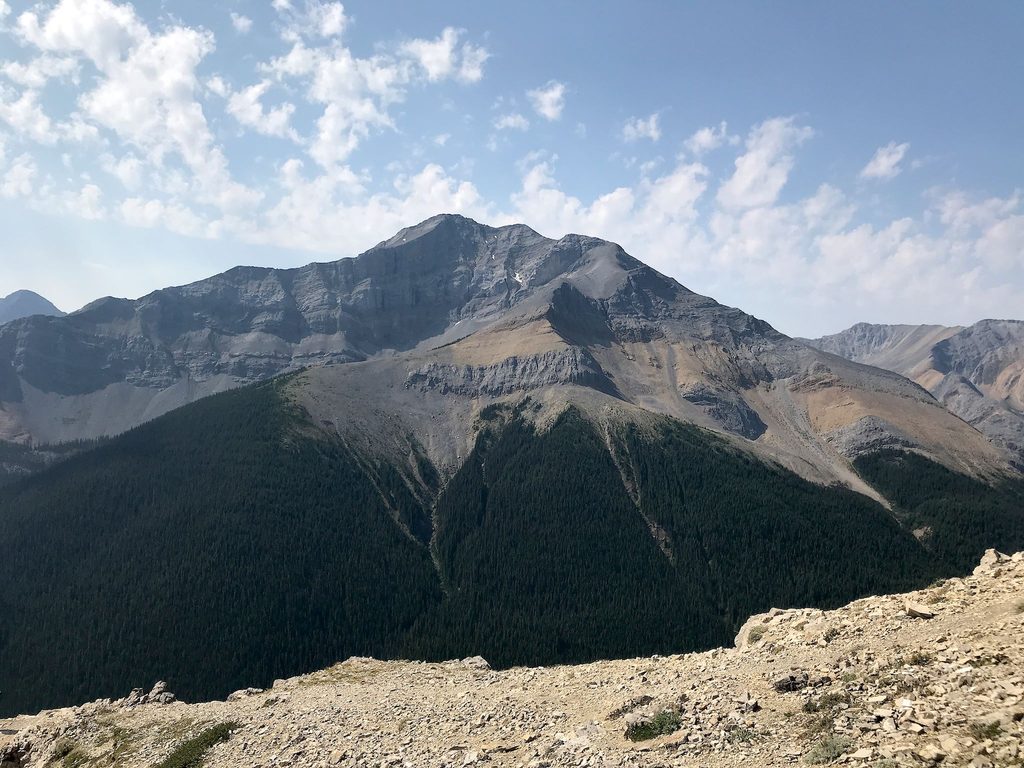
The start from Miette is deceptive: a mellow paved path and boardwalk past the historic old aquacourt at the Source of the Springs quickly gives way to true wilderness singletrack. Expect sections that are overgrown, muddy, and chewed up by landslides and erosion, with vague tread and limited signage between Slide Creek and Whitehorse. After the forested crest of Utopia Pass, the descent to the Fiddle River is steep and the character turns rugged—multiple unbridged fords are part of the deal. Fiddle Pass itself delivers big, open views across the valley and surrounding peaks (including the rubble slopes of Mount Gregg).
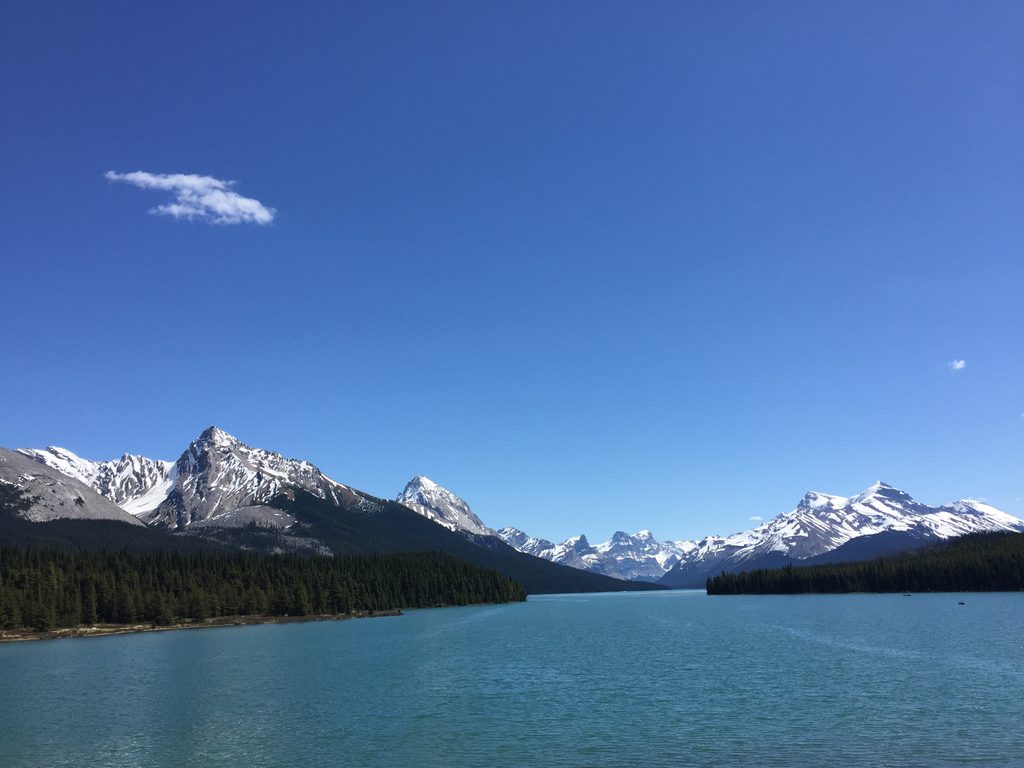
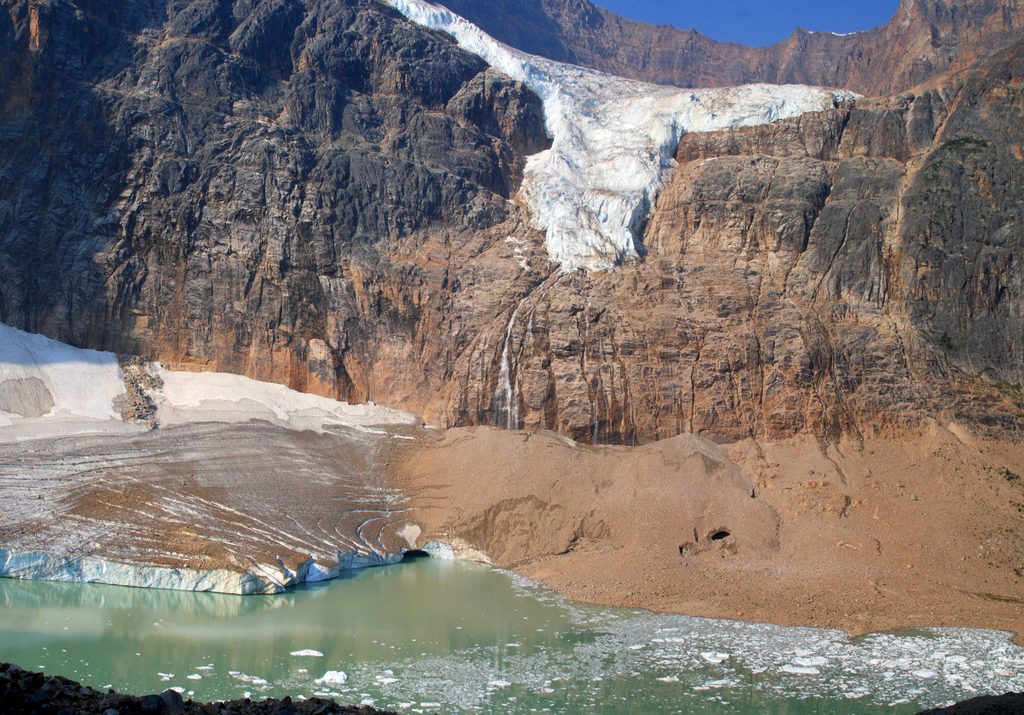
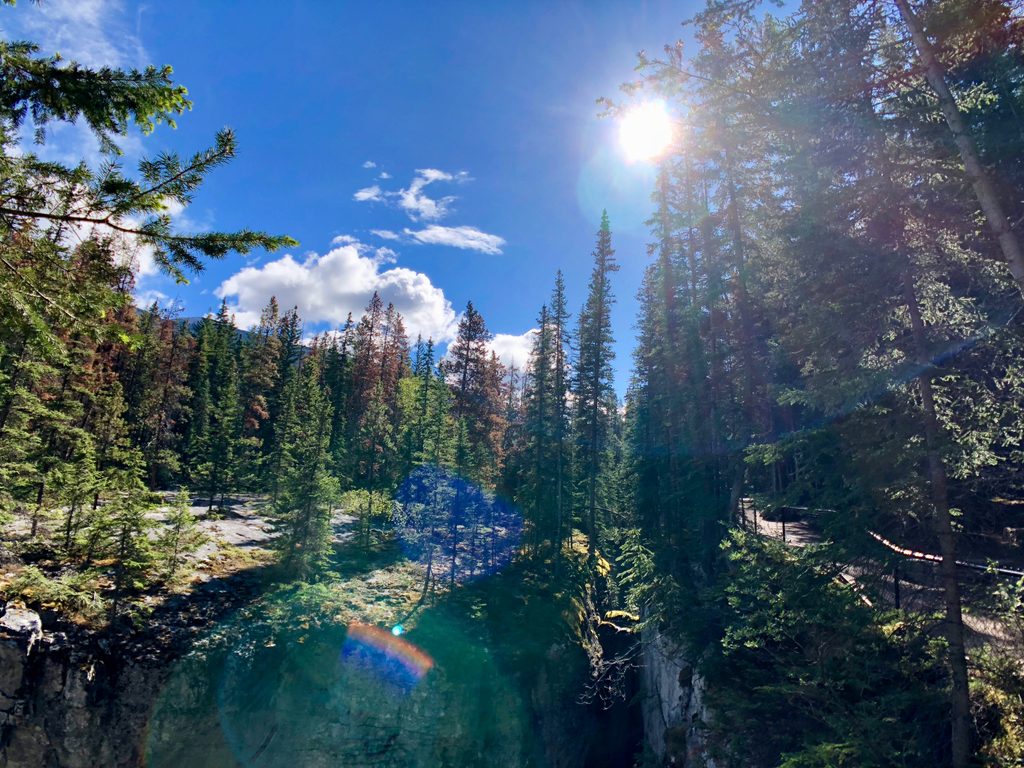
Scenery runs the full Rockies gamut: dense forest to subalpine meadows, wildflowers in season, and wide valley vistas from the passes. This is prime wildlife habitat—bears and bighorn sheep are possible—so travel smart, make noise, and lock down food storage. The valley is glacially carved, and you’ll see ongoing natural change from landslides and river erosion. The route begins beside a signature geologic feature too: the hot springs at Miette.
Best time to hike: Mid‑summer to early fall. Late August through September is the sweet spot when water levels drop and the trail dries out. Early season brings higher, colder fords and more mud; expect bugs earlier in summer and fast‑changing weather up high.
Tips and logistics: Bring a map, compass, and GPS—navigation can be tricky in brushy, damaged sections. Trekking poles help with the fords; assume wet feet. Camps are spaced along the route (e.g., Utopia, Slide Creek, Whitehorse). Backcountry camping in Jasper requires a permit; rules differ once you’re outside the park near Whitehorse Creek. If you finish on the Miette side, the hot springs soak is a very real and very deserved reward. Traffic is lighter than Jasper’s marquee trails—great for solitude, not great for beginners.
Access notes: This corridor is for hiking and horses; no bikes.
Park at Miette Hot Springs (Source of the Springs trailhead) or at Whitehorse Creek Campground; arrange a shuttle between ends.
Expect unbridged river crossings, steep climbs/descents, landslide and deadfall damage, poor signage, and active bear habitat. Early season high water can make fords unsafe.
Place
Place
Place
Place
Challenging
Moderate
Moderate
Challenging

Parkwolf Tour Guide
