
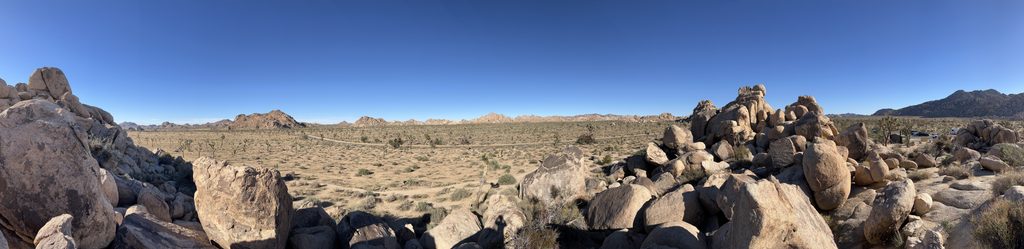
Place · 2.6 mi away
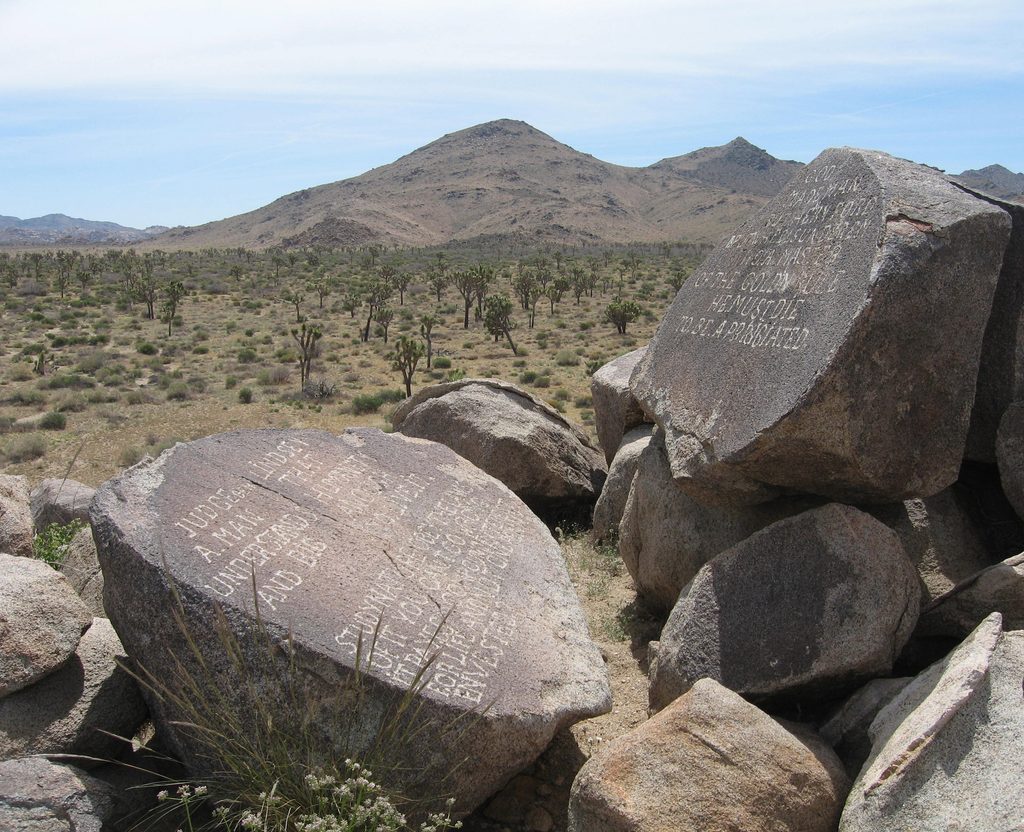
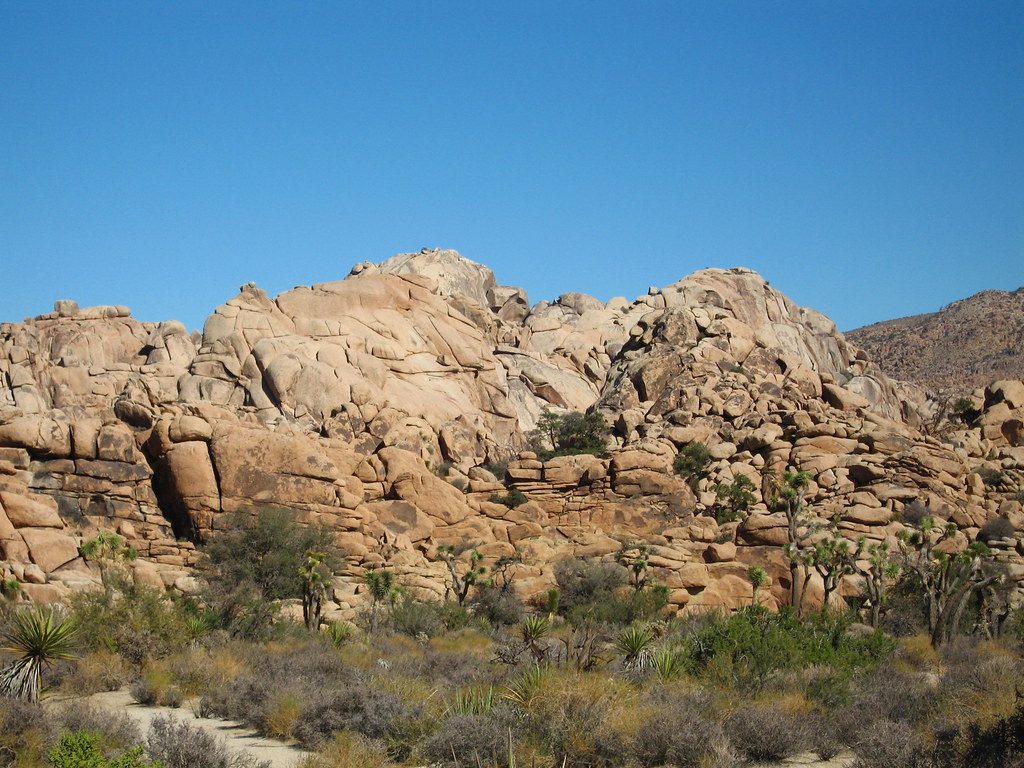
A niche backcountry objective, Samuelson's Rocks is a small cluster of desert boulders etched with short, cryptic sayings from the 1920s. There’s no sign, no official trail—just you, the open desert, and hand-chiseled philosophy that feels like a time capsule of early homesteader life.
The site sits west of the Quail Springs Day-Use Area, south of Park Boulevard near the mouth of Johnny Lang Canyon. There is no established trail or marker at the destination. A common approach starts from Quail Springs: head WNW on the rutted Quail Springs Trail, then leave it for cross-country travel in sandy washes. Expect roughly 5 miles round trip via this route, or around 3 miles round trip using a more direct approach from informal pullouts. Route-finding is the crux—download an offline track/map and stay oriented, as it’s easy to drift toward Johnny Lang Canyon on a faint path.
John Samuelson, a Swedish immigrant who arrived in the area in 1926, spent off-hours carving his thoughts—ranging from philosophical musings to pointed political commentary—into these flat-faced granite boulders. The site remains unofficial and unmarked, which has helped preserve its raw character and sense of discovery.
Travel lightly on durable surfaces—washes are best—to protect fragile desert soils. Respect the historic carvings; come to read them, not to add to them. There are no services here: no restrooms, water, or shade, and no cell reception. Bring ample water, sun protection, and solid navigation tools.
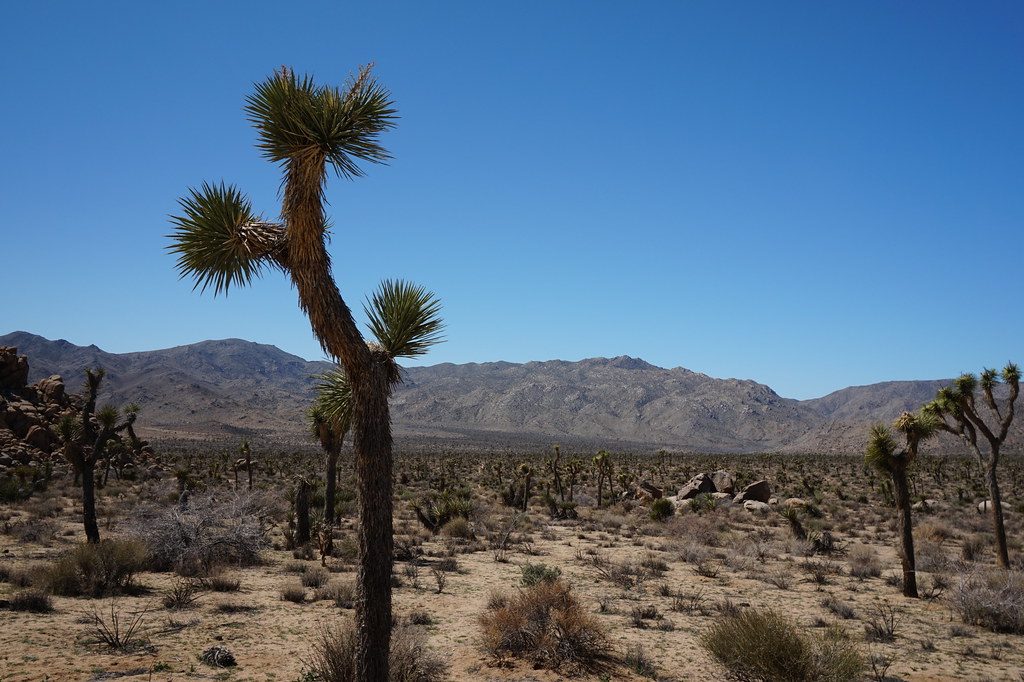
On the way, you’re in classic desert habitat—watch for lizards, jackrabbits, ground squirrels, occasional coyotes, and birds like cactus wrens, roadrunners, and hawks. Mind the cholla; those spines mean business.
Go early or late in the day for cooler temps, soft light on the carvings, and an even quieter feel. With no crowds or official hours, weekdays aren’t much different than weekends—weather and heat matter far more.
Place · 2.6 mi away
Place · 2.8 mi away
Place · 3.4 mi away
Place · 3.8 mi away
Moderate · 2.3 mi away
Moderate · 3 mi away
Moderate · 3.3 mi away
Moderate · 3.3 mi away

Parkwolf Tour Guide
