
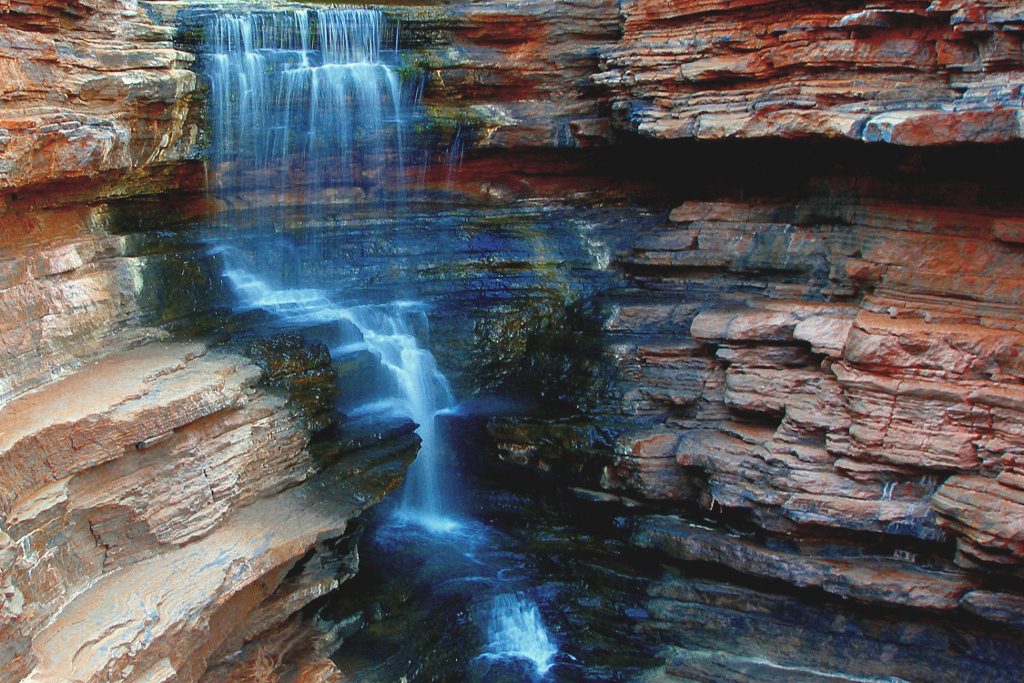
Place · 0 mi away
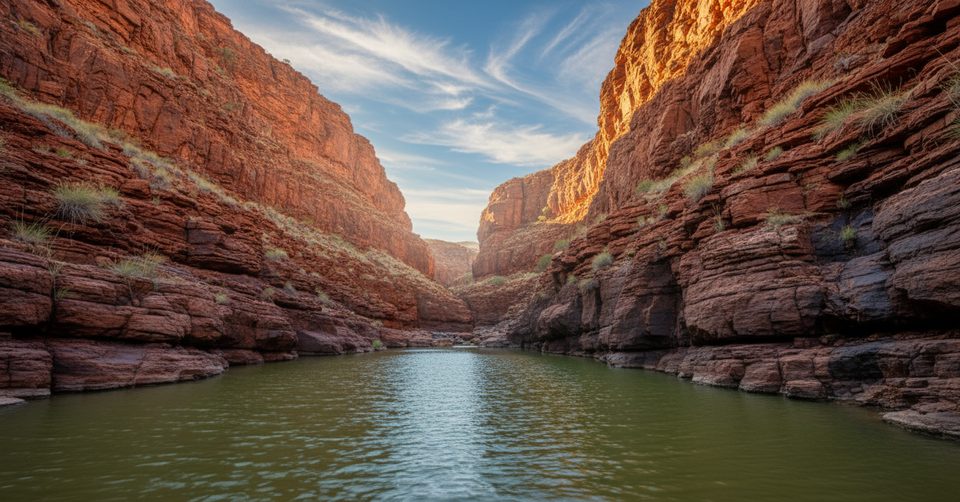
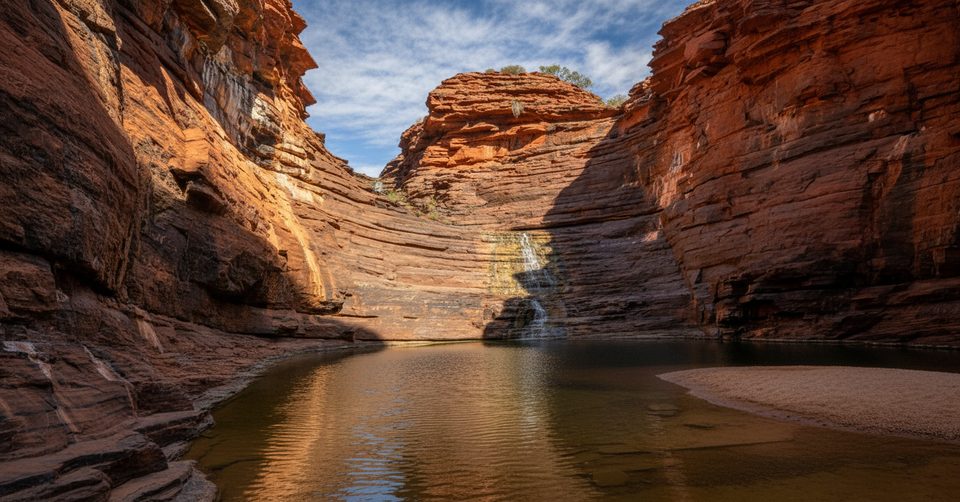
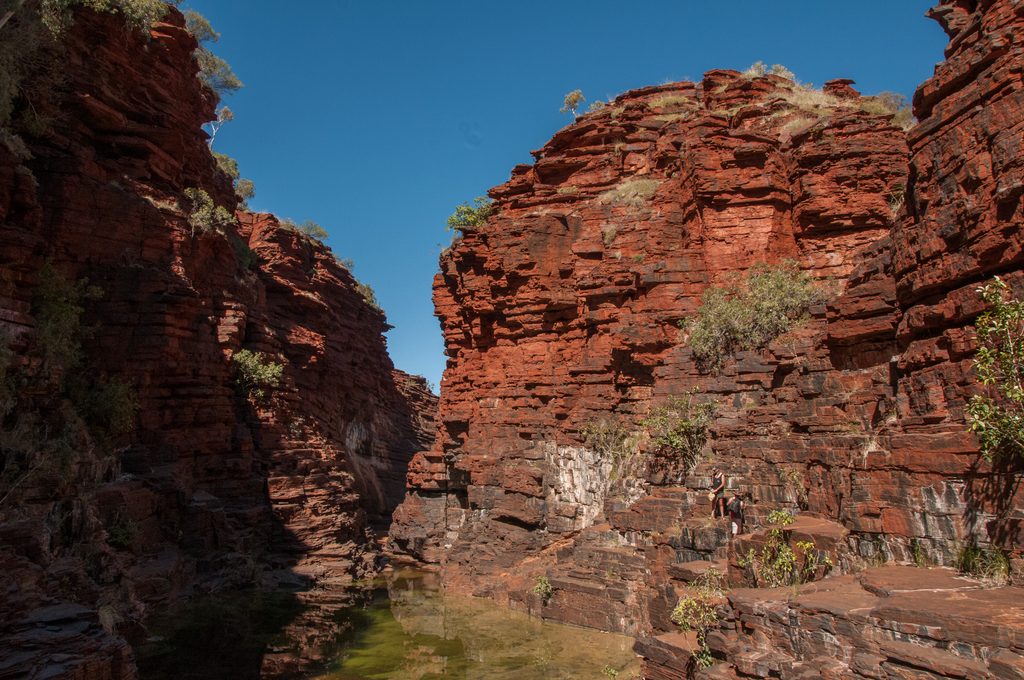
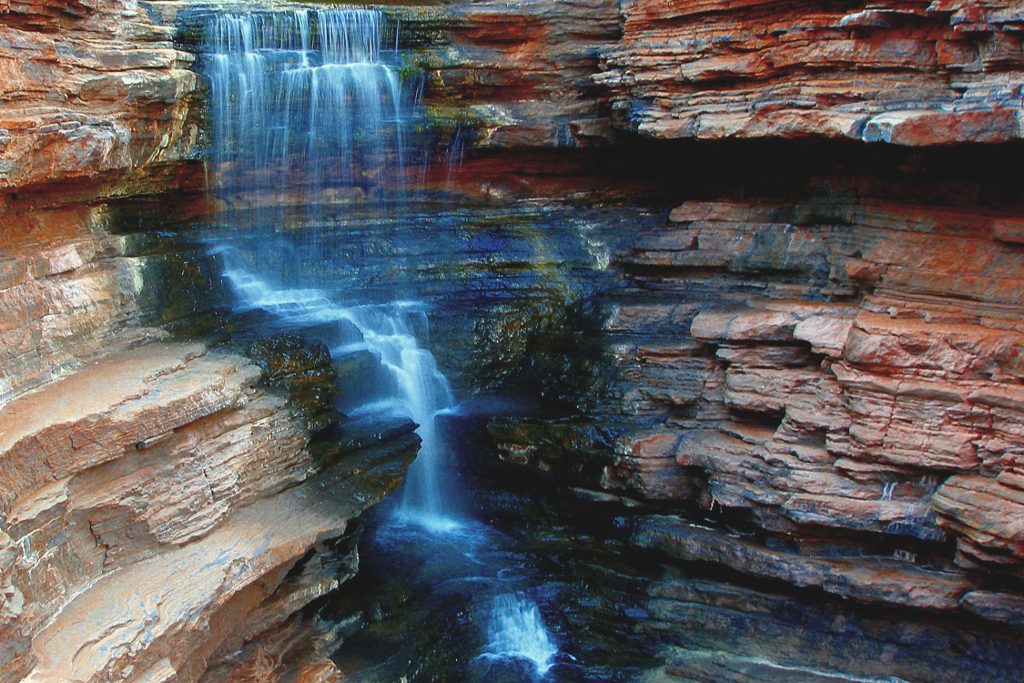
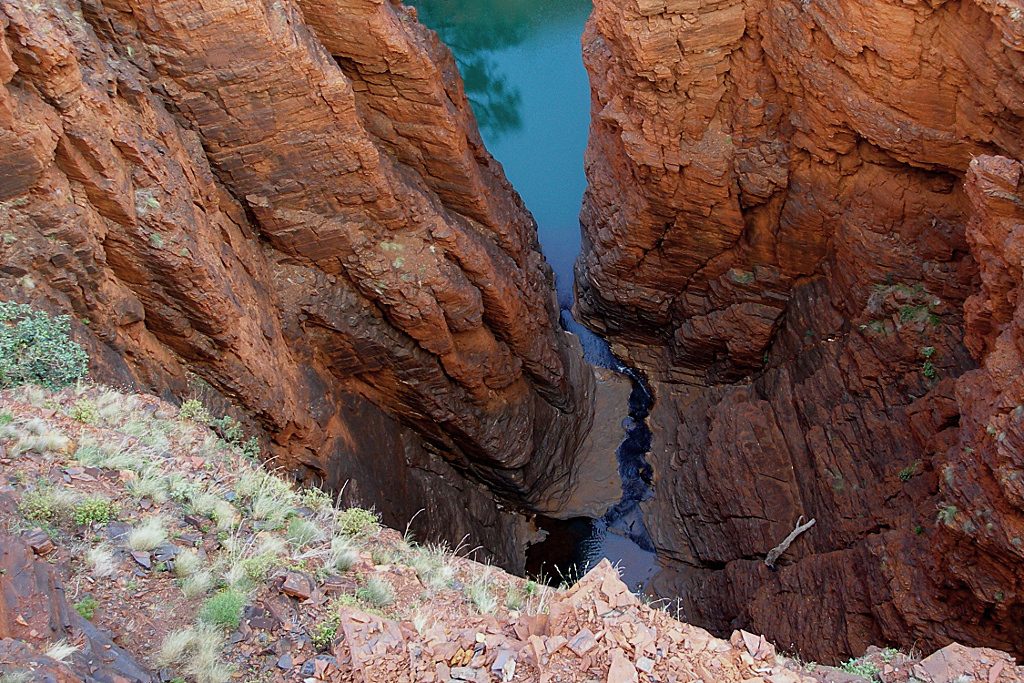
Joffre Gorge—known to Traditional Owners as Jijingunha—is a striking natural amphitheater where sheer, red banded‑iron walls curl around a deep, cold pool. After rain, a seasonal waterfall tumbles into the bowl and the acoustics amplify every splash and shout. Even without flow, the place feels grand and intimate at once.
The pool is cold and clear. Many visitors swim a narrowing corridor to a small “island” and deeper amphitheater beyond—memorable, but chilly. A small floatie or pool noodle makes the long, cold swim much easier, and a waterproof phone case helps if you want mid‑swim photos.
Rocks can be slick, especially near the water; move deliberately and avoid cliff edges. The water can be very cold—ease in and never jump or dive. Do not enter any Karijini gorge during rain or if rain is forecast due to flash‑flood risk. Ladders and ledges require sure footing.
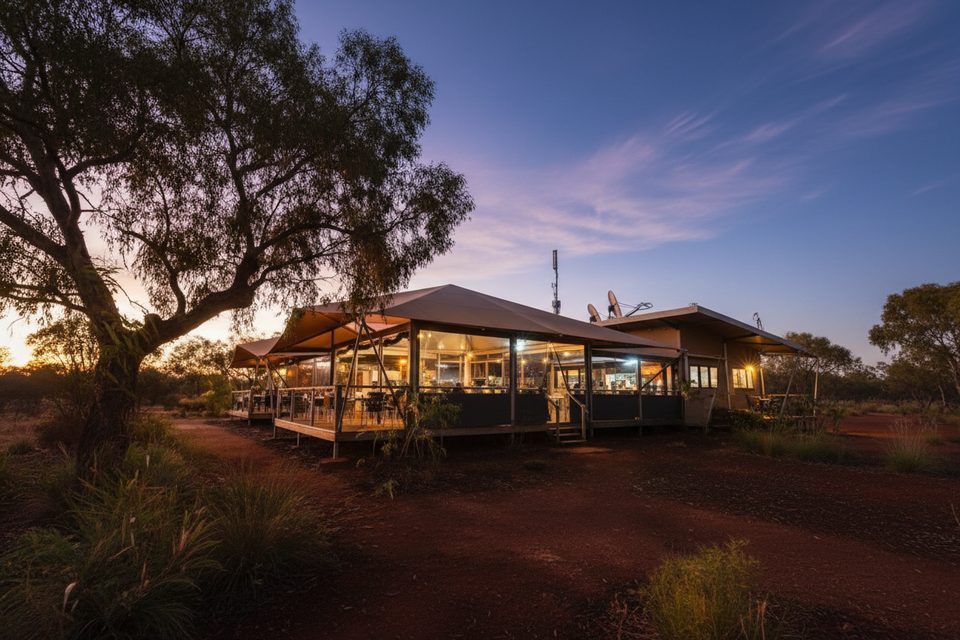
There’s parking and a day‑use area with picnic tables/shelters at the car park, but no toilets or drinking water here. Use facilities before you head over (nearby day‑use areas, the Visitor Centre, or Karijini Eco Retreat for guests). Pack out all rubbish.
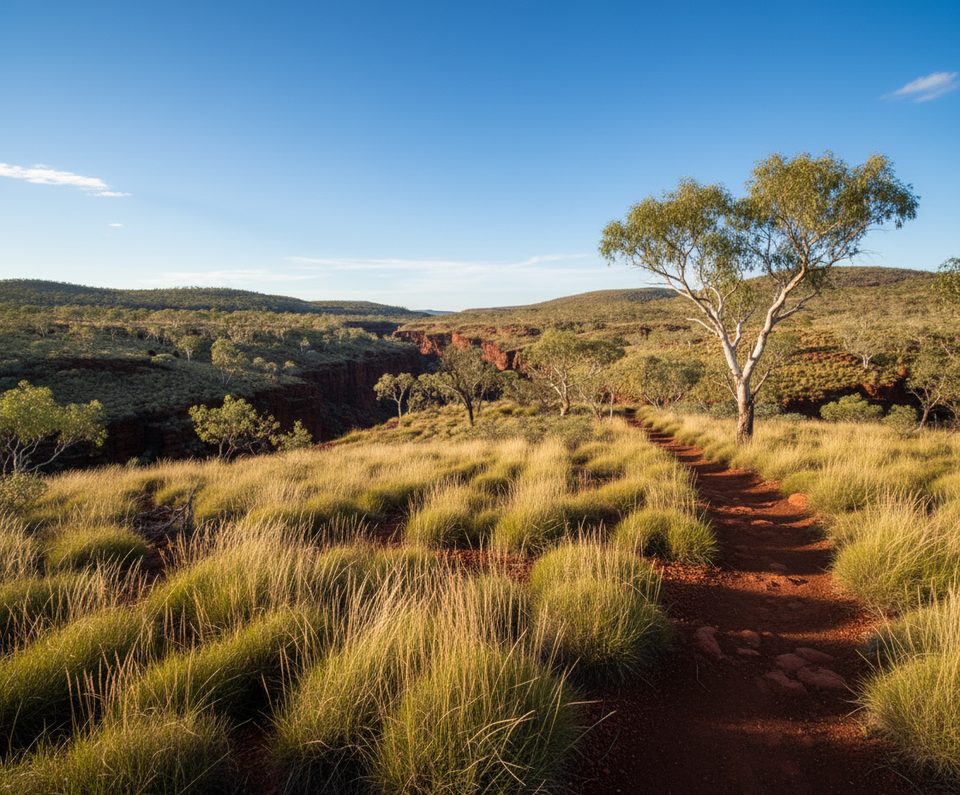
For cooler hiking conditions, aim for the dry, milder months roughly April–September. If you’re chasing the waterfall, your best odds are after wet‑season rains (typically November–April), noting that heavy rain can close gorges. It’s open around the clock, but light is loveliest early or late; crowds tend to swell around late morning to early afternoon, especially on weekends—go before 10 am or after 3 pm for more space.
You’re walking among some of Earth’s oldest rocks—banded iron formations sculpted by relentless erosion. Down in the gorge, keep an eye out for rock wallabies at dusk and birdlife working the watercourse; the curved walls often bounce sound in surprising ways.
Place · 0 mi away
Place · 0 mi away
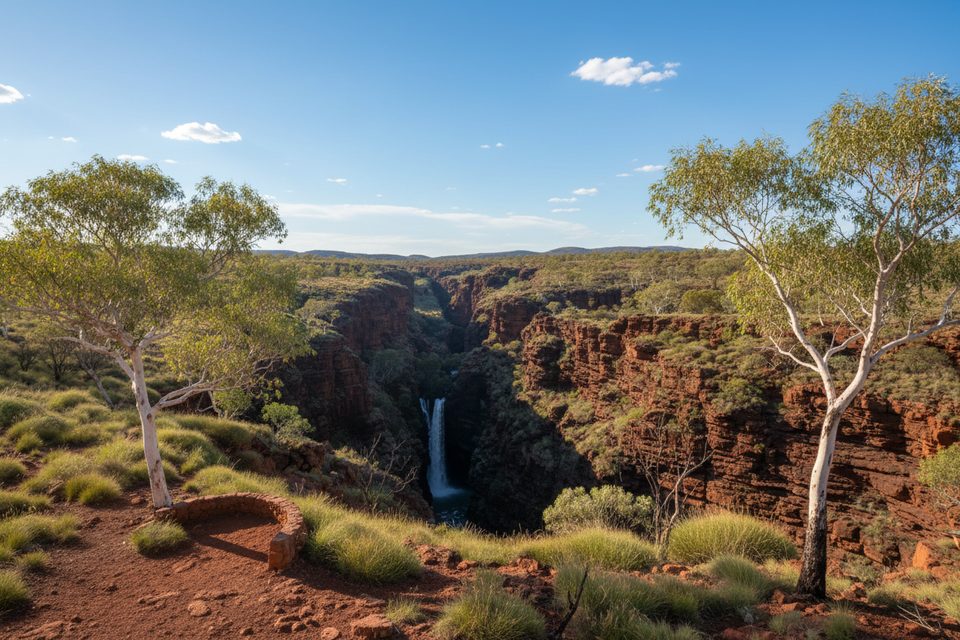
Place · 0.1 mi away
Place · 0.4 mi away
Challenging · 0 mi away
Easy · 0 mi away
Challenging · 2.3 mi away
Easy · 2.6 mi away

Parkwolf Tour Guide
