
Place · 0.1 mi away
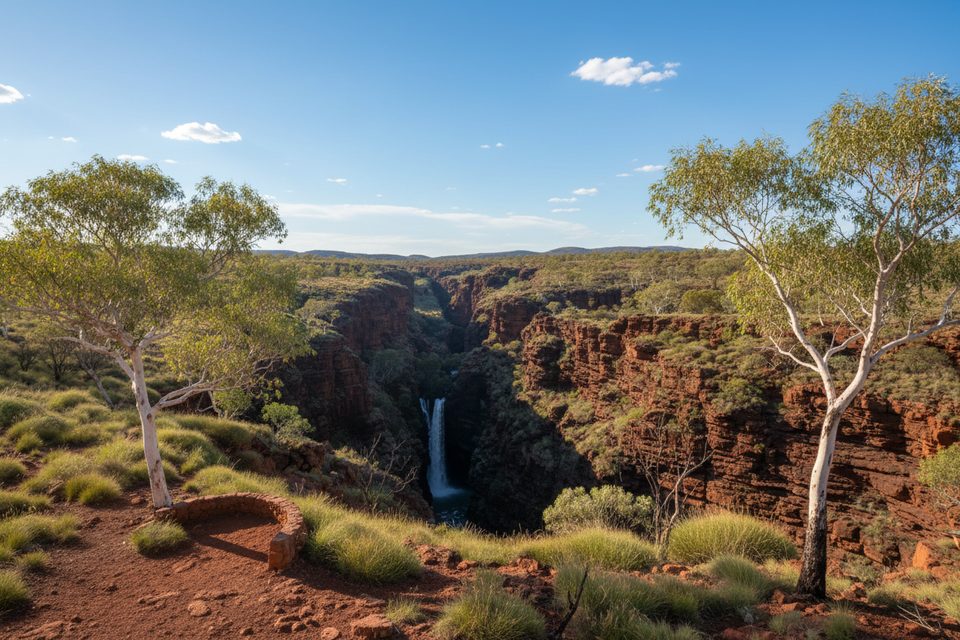
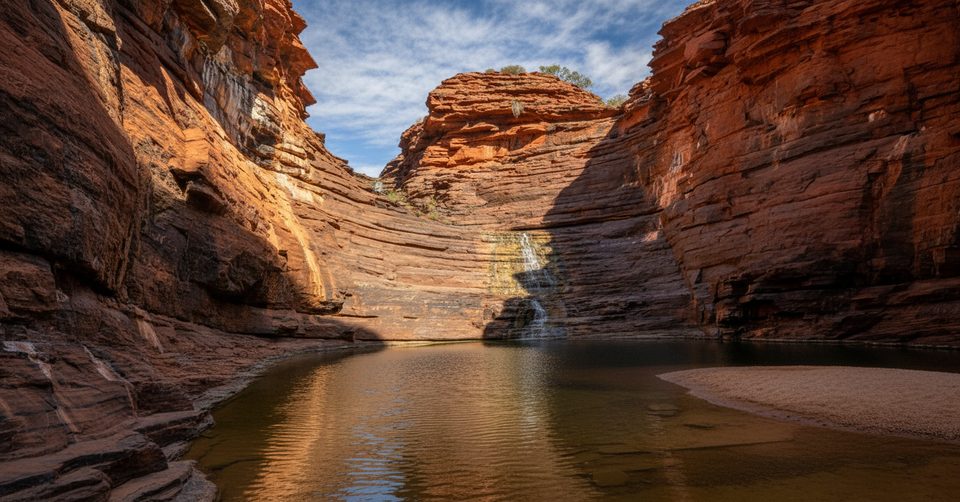
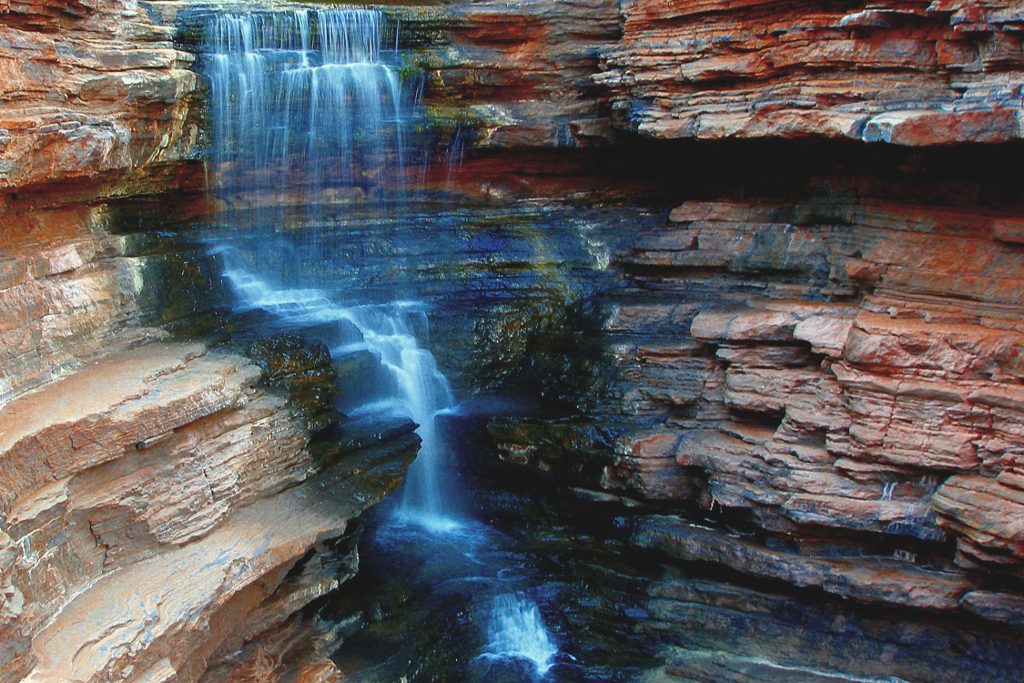
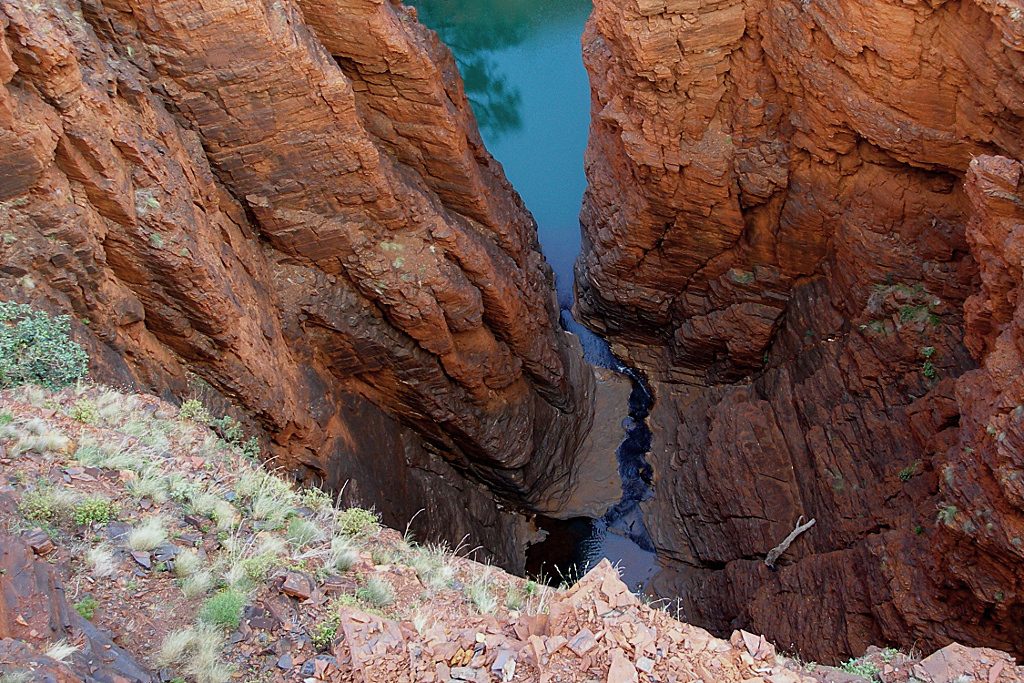
Joffre Lookout delivers a dramatic, straight‑down view into Joffre Gorge’s natural amphitheatre and the plunge pool beneath Joffre Falls. The flow changes with the seasons, but the sculpted, banded walls and the deep, dark pool make this rim‑top stop memorable even when the falls are light.
A short walk leads to a metal deck that projects over the rim, giving you a front‑row look at the curved cascade and the circular bowl of the gorge. The rock here is vividly layered in reds and bronzes, and the geometry of the amphitheatre is the star—photographers love the top‑down perspective.
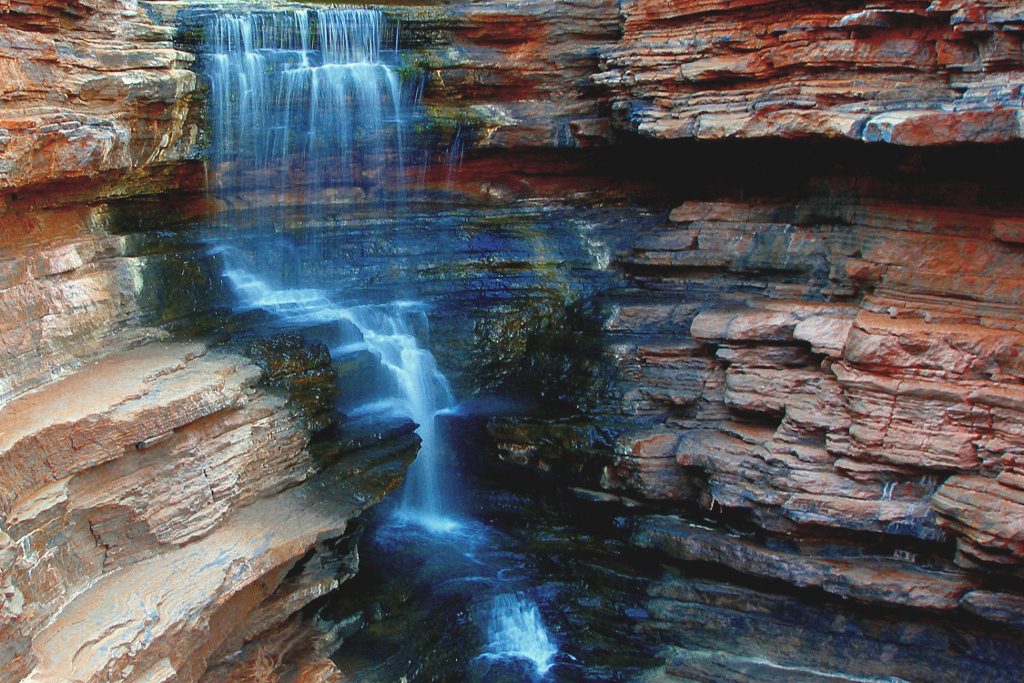
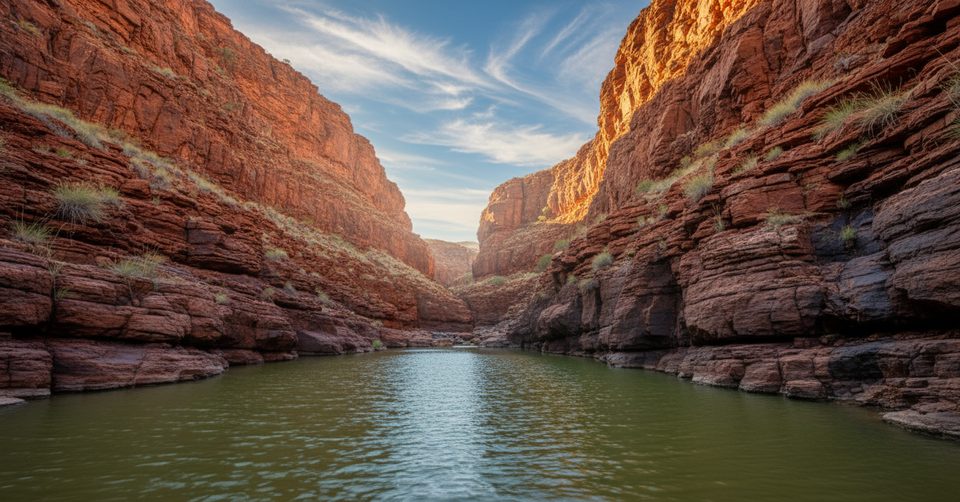
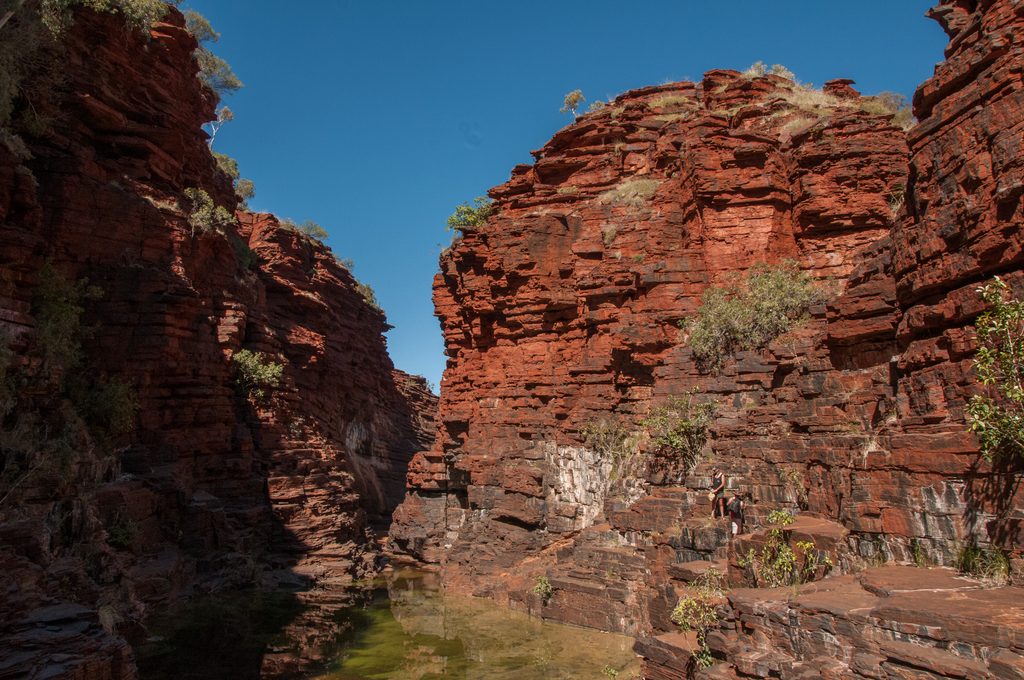
Karijini’s gorge walls are ancient, iron‑rich banded iron formations—horizontal layers laid down in primordial seas roughly 2.8–2.2 billion years ago. Many geologists connect these rocks to the Great Oxidation Event. Over time, uplift and relentless erosion carved the steep, narrow chasms and waterfalls you’re overlooking today.
This is a living cultural landscape for Traditional Owners. One Pilbara story tells of Barrimirndi, the Warlu (giant sea serpent), whose travels shaped gorges and waterholes across the region—context that adds meaning to the water‑scarred rock below.
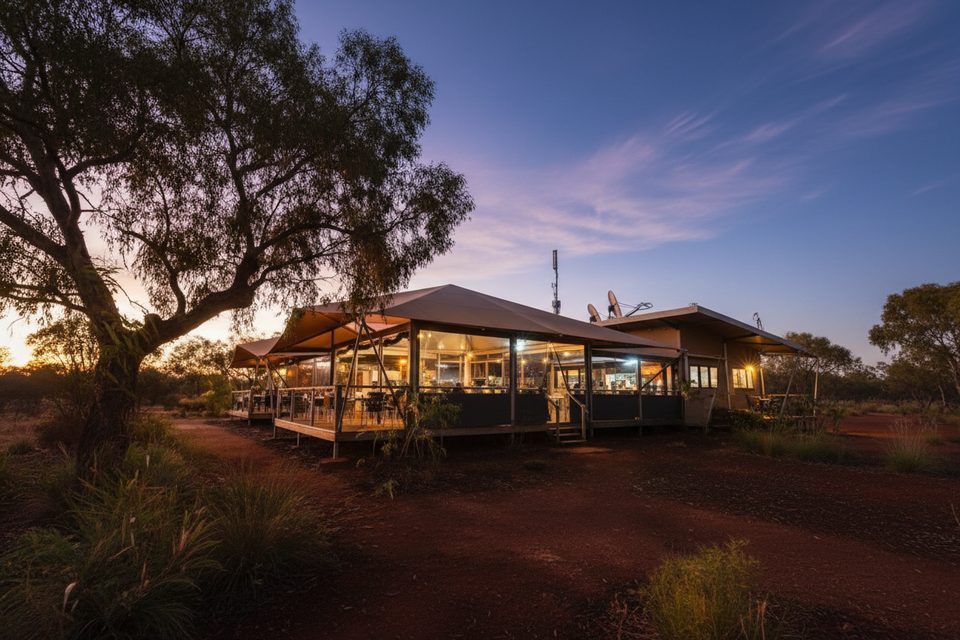
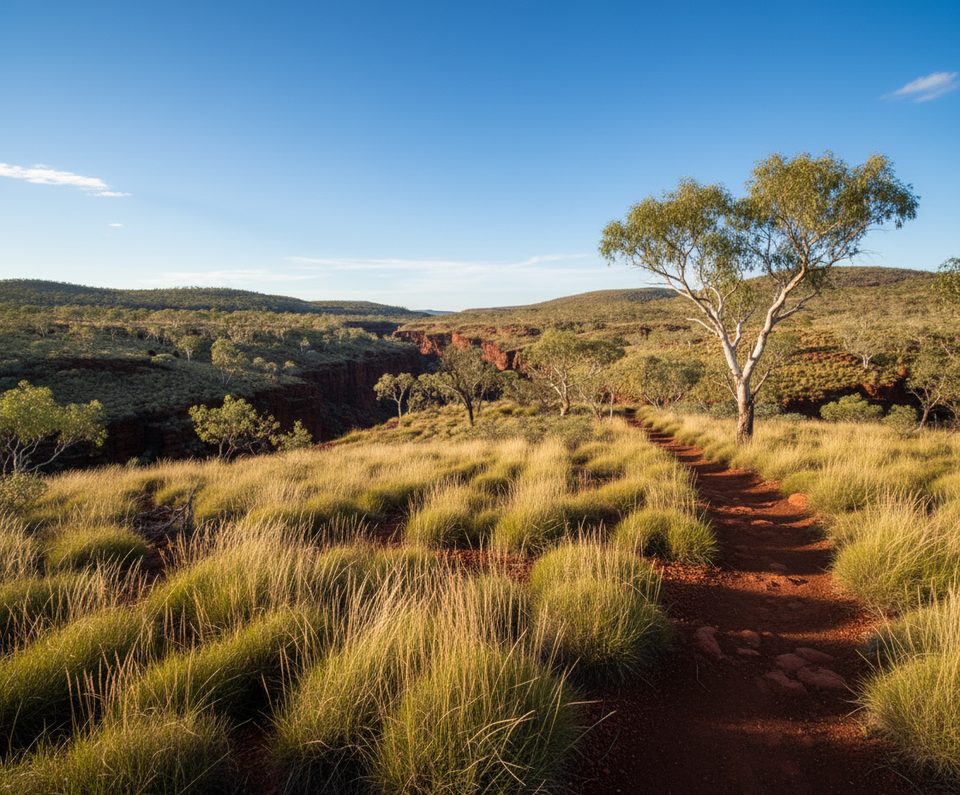
There’s a dedicated car park with a short track to the lookout. You can also reach it via an easy bushwalk from Karijini Eco Retreat. Expect some unsealed/gravel driving in the area. Plan as though there are no toilets at the lookout itself; bring your own water.
From the same area, the Joffre Falls walk trail descends into the gorge (about 1.3–1.5 km, allow ~2 hours return). It includes Class 4–5 sections, scrambling, and ladders/metal stairs. The pool is swimmable, but the water can be very cold and flash floods are a risk if rain threatens. Always stay behind barriers on the rim.
For comfort and softer light, aim for early morning or late afternoon—the rim is exposed and midday heat is punishing. The park’s sweet spot is May–October, with shoulder months May/June and September/October bringing the best combo of pleasant temps and fewer school‑holiday crowds. The falls are most impressive after rain.
Bring a wide‑angle lens to capture the full bowl of the gorge from the deck, and a polarizer to tame glare on the dark water. Step back from the crowd at the deck’s edge to frame people against the vast amphitheatre for scale.
Place · 0.1 mi away
Place · 0.1 mi away
Place · 0.1 mi away
Place · 0.5 mi away
Challenging · 0.1 mi away
Easy · 0.1 mi away
Challenging · 2.3 mi away
Easy · 2.6 mi away

Parkwolf Tour Guide
