Savannah Campground (Karijini Eco Retreat)

Bush campground with hot showers, camp kitchens and a handy restaurant
Savannah Campground (Karijini Eco Retreat), Karijini National Park
InsideKarijini National Park

Overview

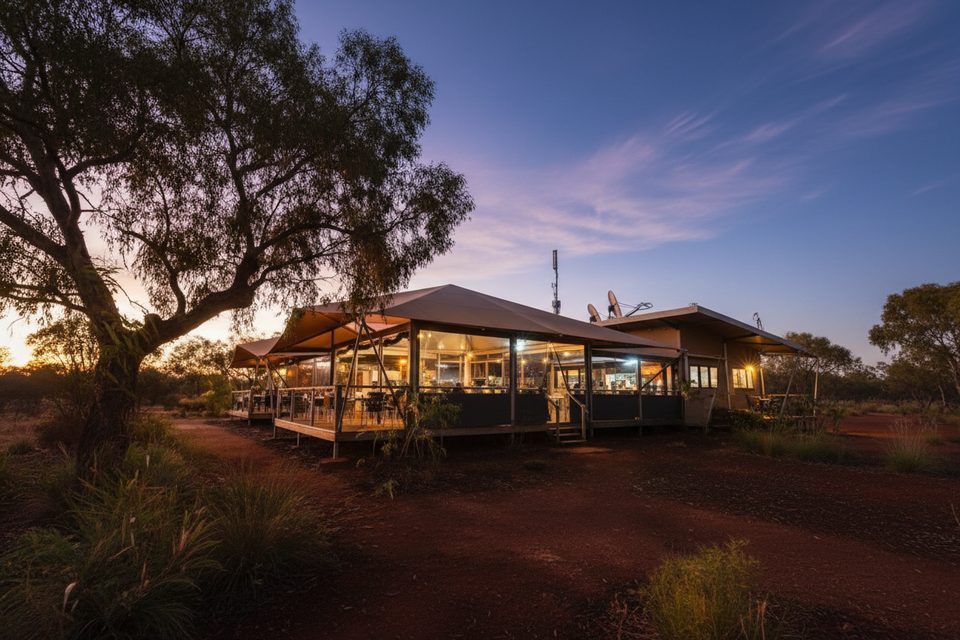
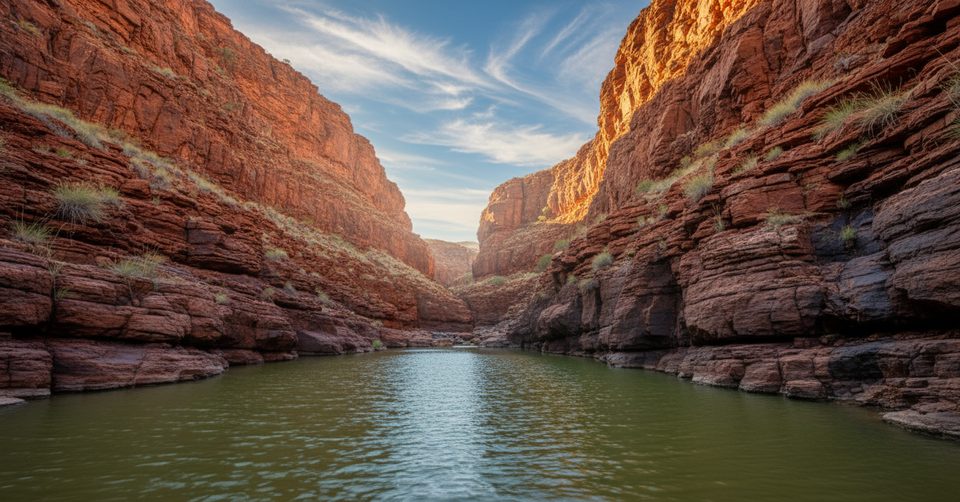
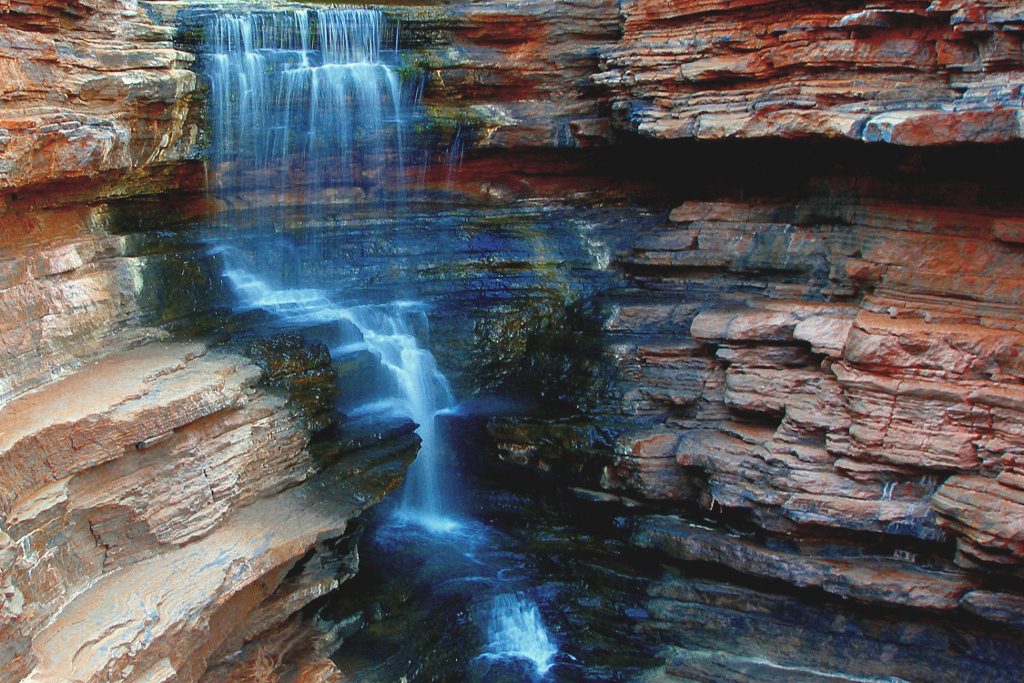
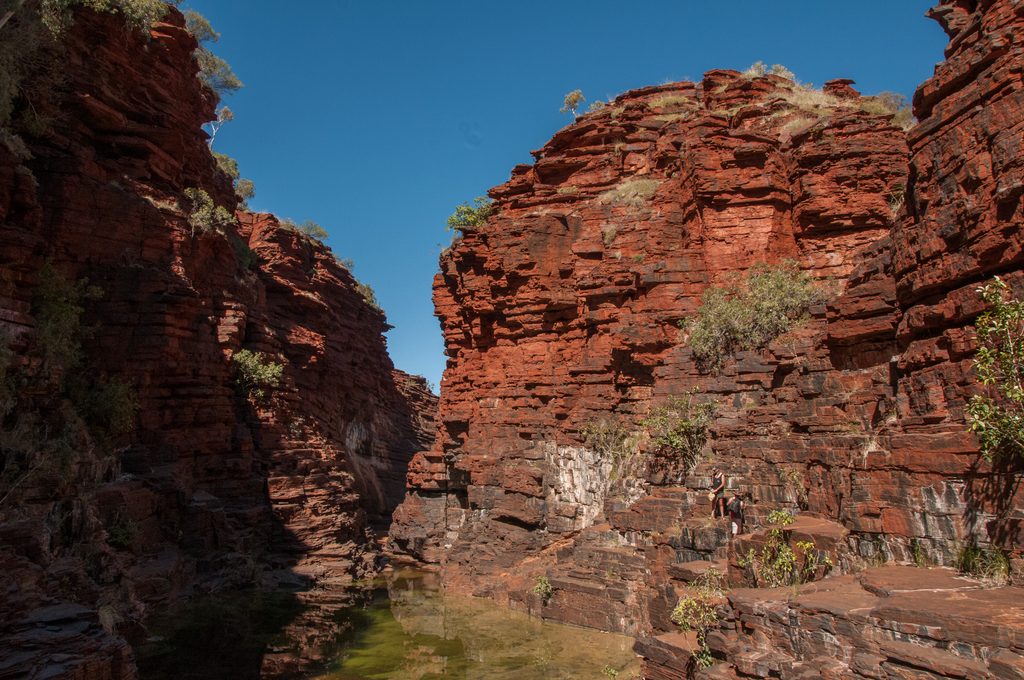
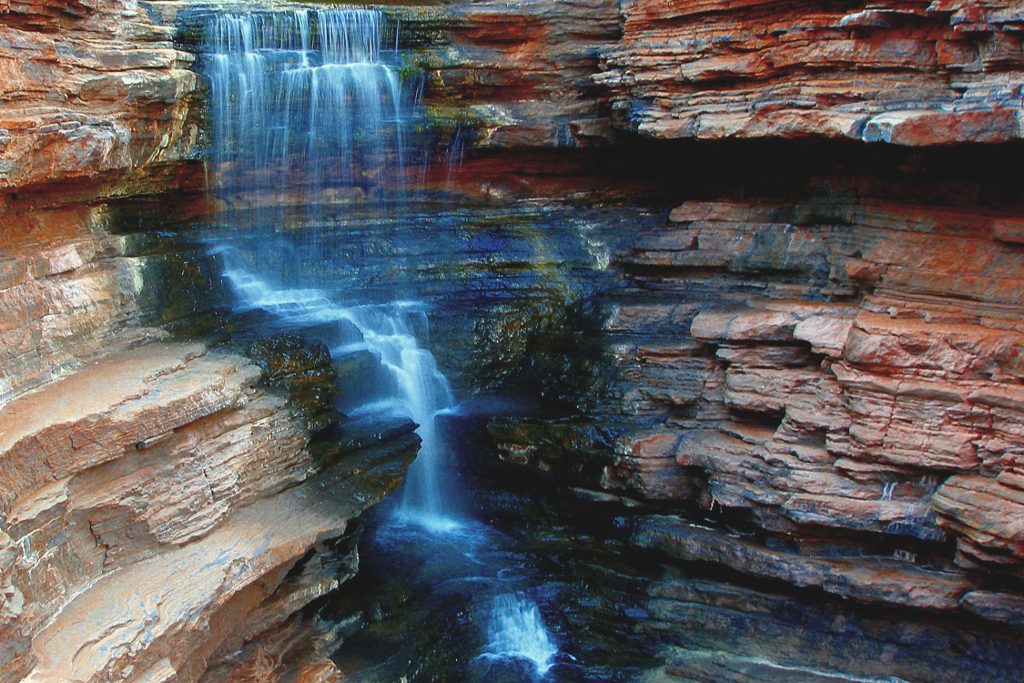
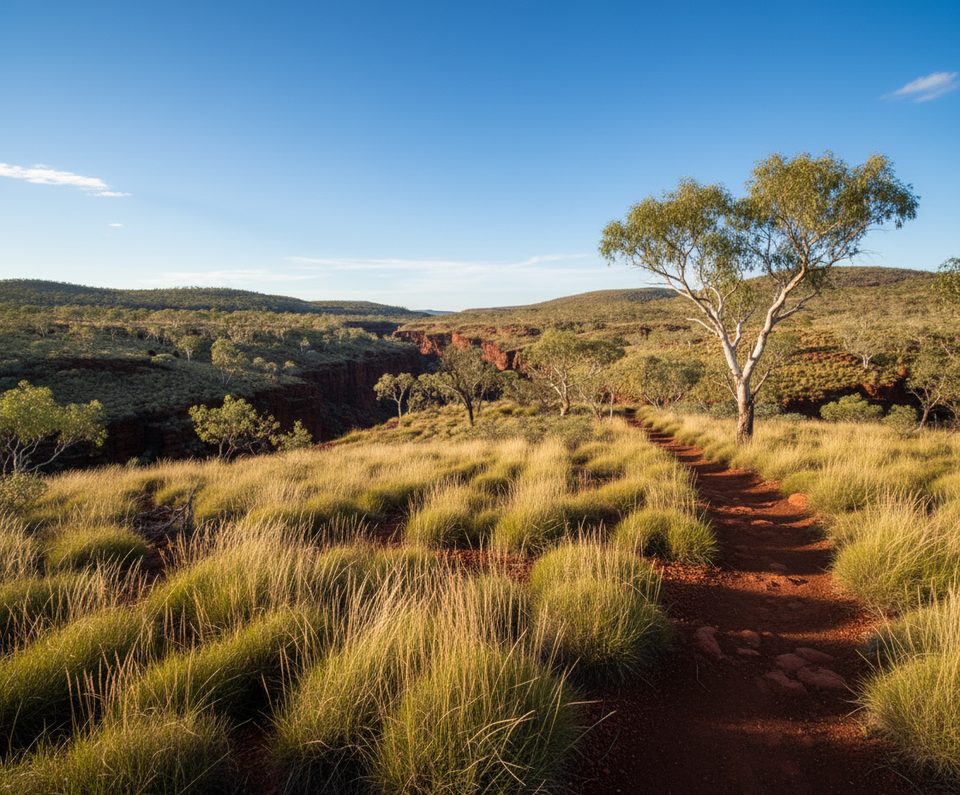
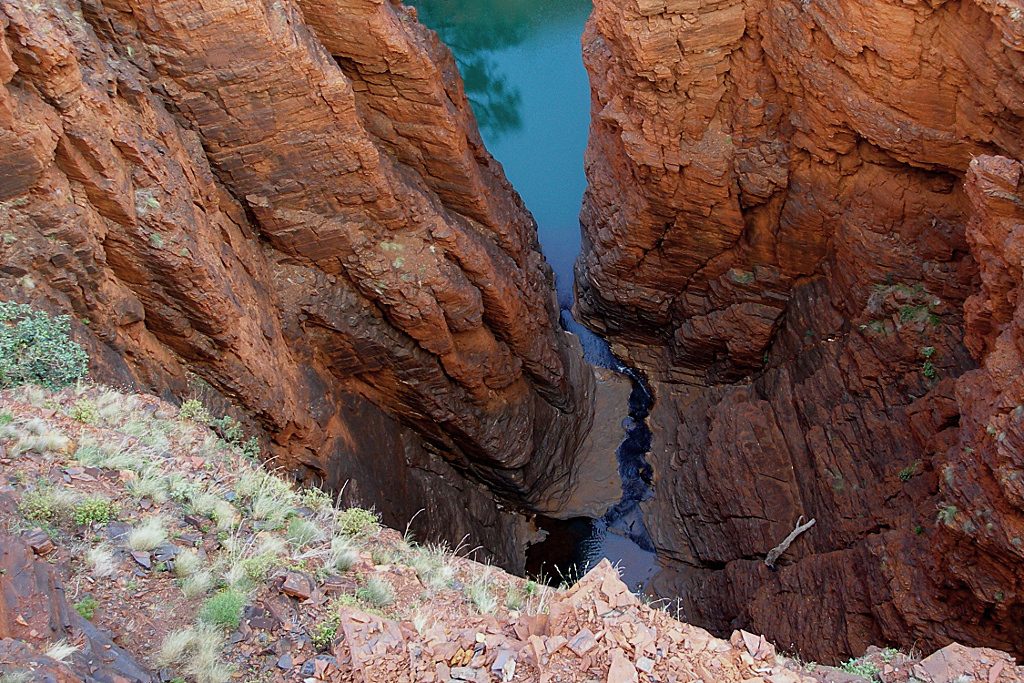
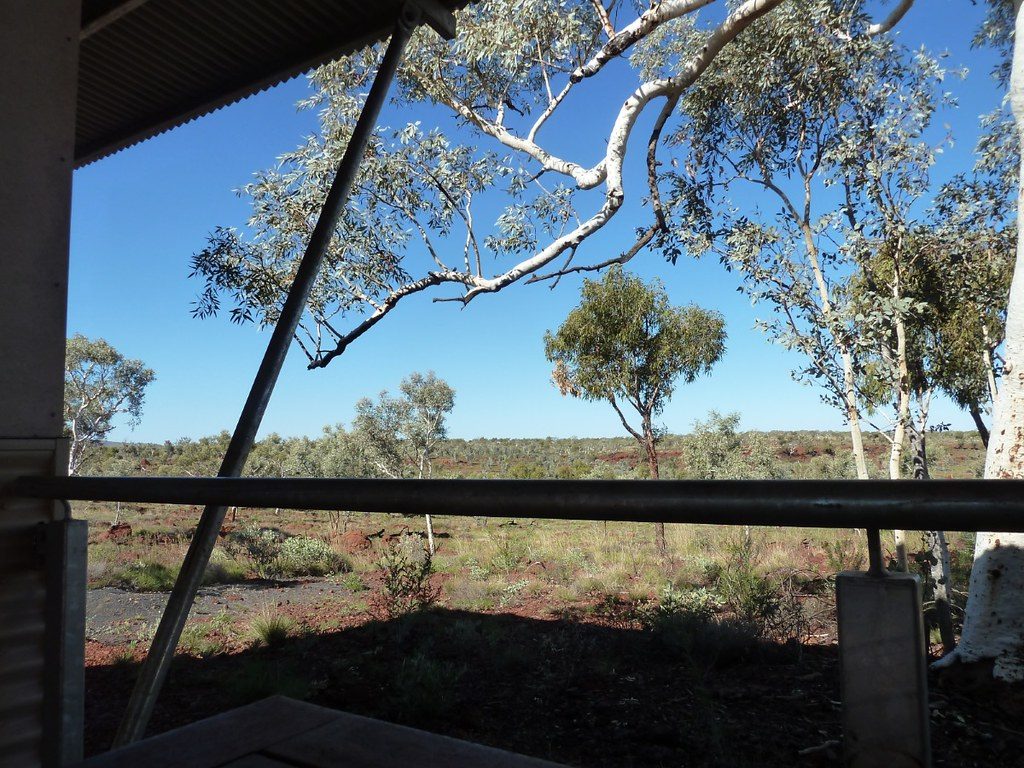
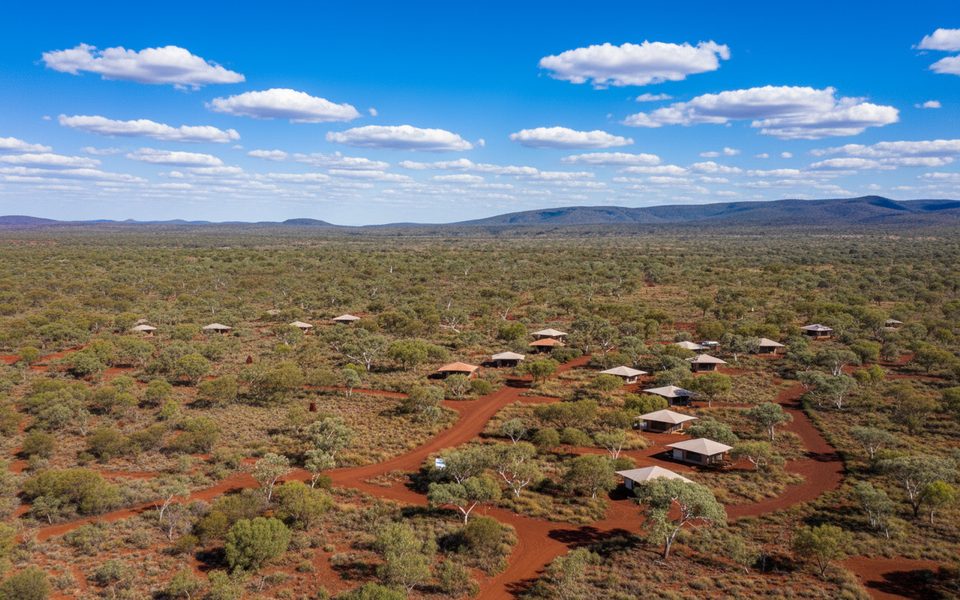
Savannah Campground is the Eco Retreat’s unpowered camping area in the heart of Karijini. It’s a clean, spacious setup with good privacy and a true bush feel—close to marquee gorges like Joffre and Weano—so you can hike early, eat well, and sleep under a ridiculous night sky.

Campsites & Facilities

  • 64 unpowered sites for tents, campervans and caravans. One vehicle per site (plus tent/trailer/caravan), up to six people; kids 12 and under stay free with an adult.
  • Generators are allowed in the camping loops from 2–4 pm only.
  • Shared amenity blocks have flushing toilets and solar hot‑water showers; hot water depends on sunshine.
  • Undercover bush kitchens include gas BBQs, sinks, food‑prep benches and seating—bring your own cookware, crockery and cutlery.
  • Potable tap water is available on site, but there are no water hookups or grey‑water disposal; please conserve water.
  • Kiosk for cold drinks, ice creams, snacks, ice and souvenirs. The fully licensed restaurant/bar serves breakfast, lunch (including picnic/packed options) and dinner; reservations are wise during busy periods. There’s also reception with maps/tour info and a public payphone.
  • Telstra and Optus usually have limited signal at the retreat (patchy elsewhere, none in gorges).

Eco Ethos & Rules

This is an Advanced Ecotourism‑certified operation running primarily on solar with strict leave‑no‑trace principles. There are no bins anywhere in the park—take all rubbish with you. No open fires. Dogs aren’t permitted in the national park. A WA Parks pass is required for entry.

Location & Access

Reaching the retreat involves an unsealed road—well‑formed but often corrugated with sharp stones. 2WD can make it if you drive slowly; some tracks to gorges may be 4WD‑only depending on conditions, so check with the visitor centre before heading out.

Wildlife & Bush Reality

Expect the outback: dingoes may wander through (don’t feed them), and snakes, insects and spiders live here. Stick to paths—spinifex is sharp. On clear, low‑moon nights the stargazing is superb, and wildflowers typically pop June–September.

Best Time to Visit

April–September is the sweet spot: dry, cooler days (roughly 20–30°C) and crisp nights—ideal for dawn hikes and sunset gorge time. From December–March it’s brutally hot (often 40°C+), and it’s cyclone season; if you’re camping then, plan hikes at first light and retreat to shade midday.

Bottom Line

If you want a remote bush camp with real amenities—showers, proper camp kitchens, and a surprisingly good restaurant—this is the park’s most comfortable base. Just embrace the off‑grid trade‑offs: no power at sites and you’re responsible for your waste.

Pros

  • Bush kitchens with free gas BBQs and prep areas
  • On‑site restaurant/bar and kiosk for meals and basics

Cons

  • All sites are unpowered; generators only 2–4 pm
  • No bins or dump points—pack out all rubbish

Tips

  • Reserve your campsite and dinner online—time slots fill quickly in peak season.
  • Bring your own cookware, utensils and crockery for the bush kitchens.
  • Plan to pack out all rubbish; there are no bins or dump points in the park.
  • Note generator hours are strictly 2–4 pm in the camping loops.
  • Fuel and stock up in Tom Price, Newman or Auski before entering the park.
The Parkwolf tour guide sitting on a phone mounted in a car

Parkwolf Tour Guide

Like a tour guide in your car.

Save the places you found around Karijini, then let Parkwolf guide the drive between them.Download Parkwolf on the App Store