
Place · 0 mi away
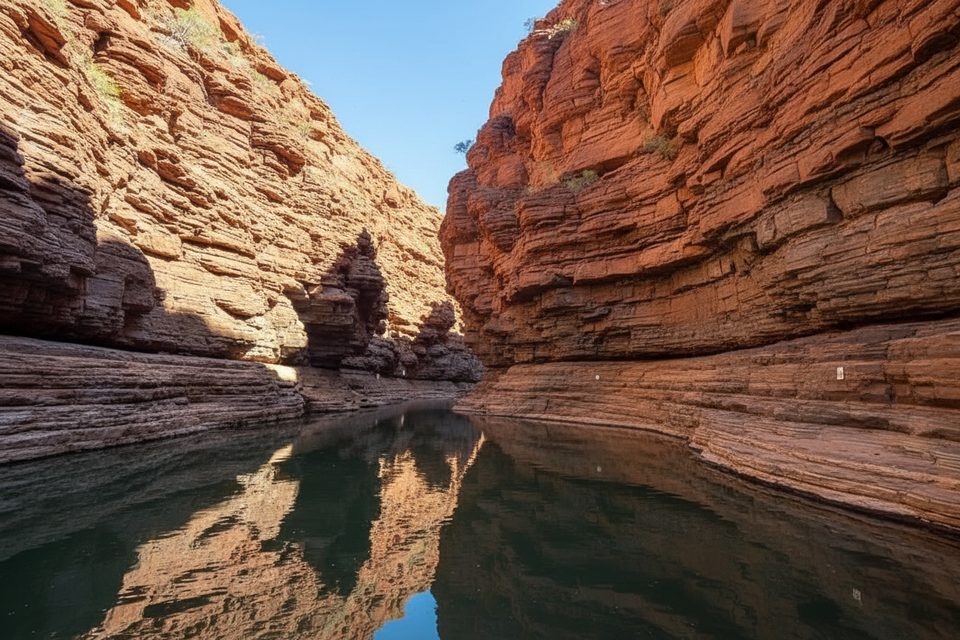
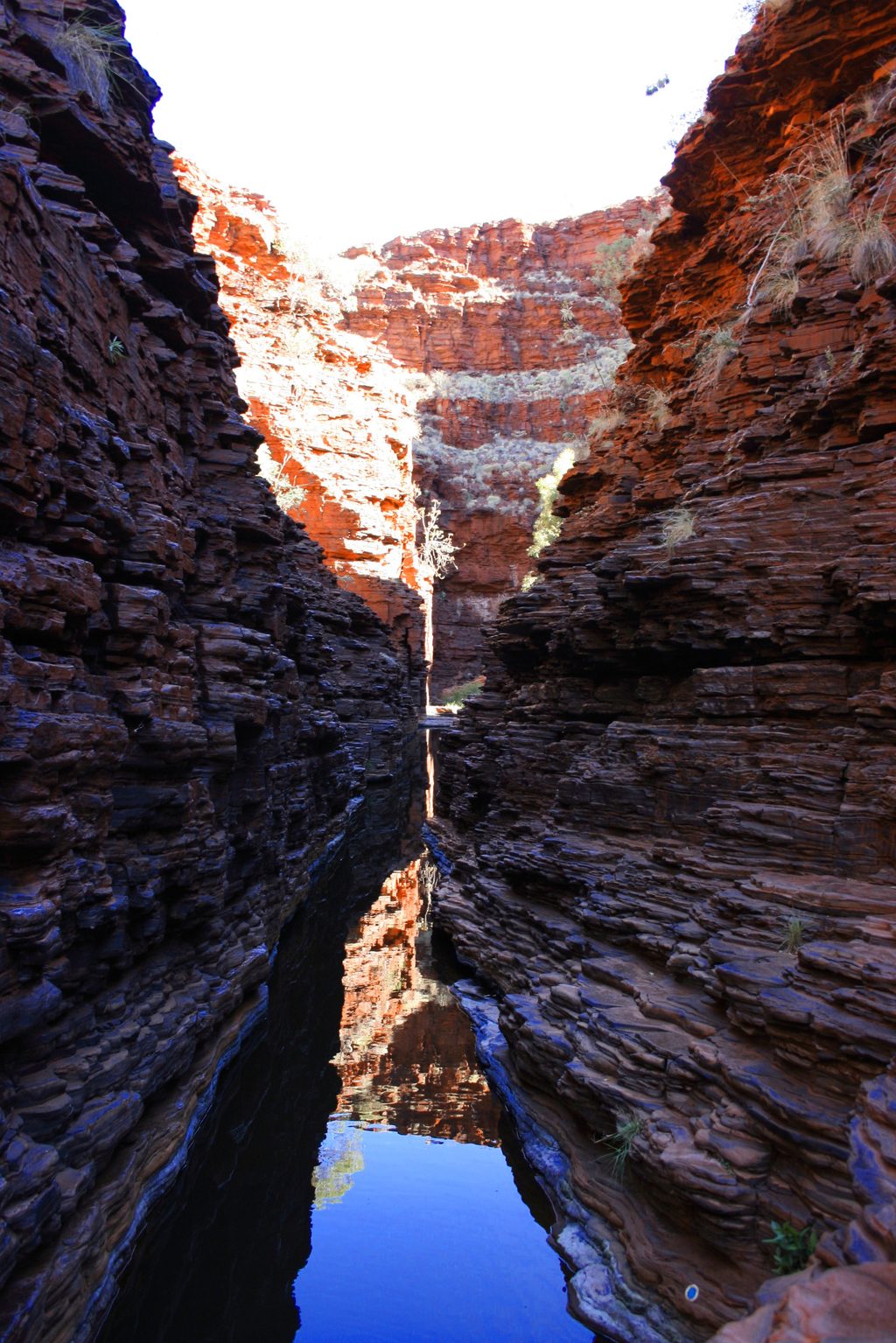
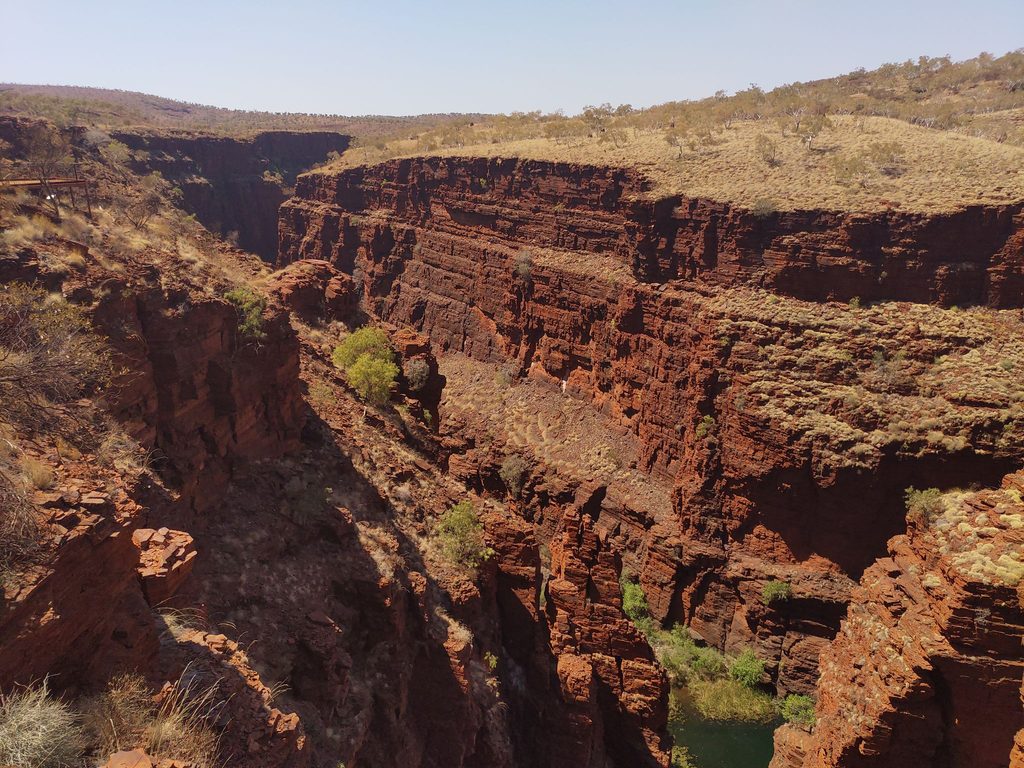
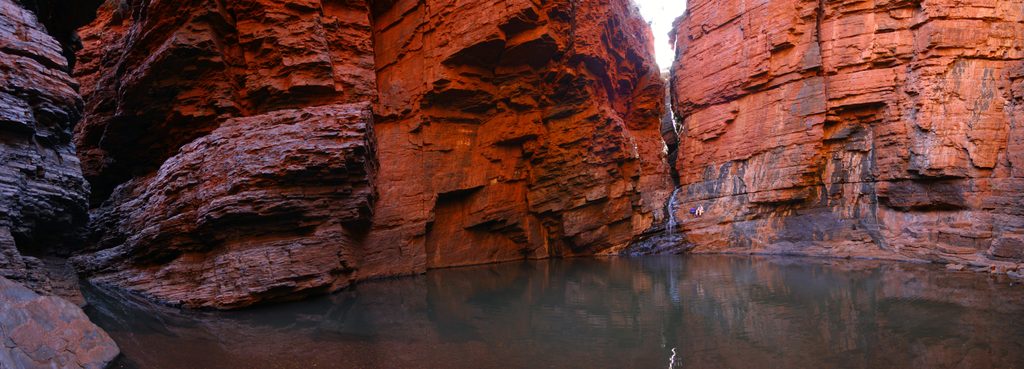
The Amphitheatre is the first wow-moment inside Hancock Gorge—a natural, bowl‑shaped chamber you reach soon after descending the ladder. It’s a dramatic, echoey space framed by ancient, banded rock that sets the tone for the gorge’s more technical sections ahead.
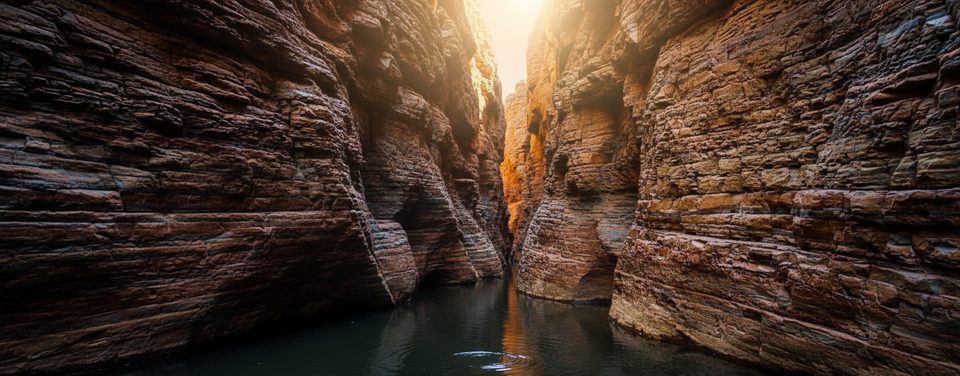
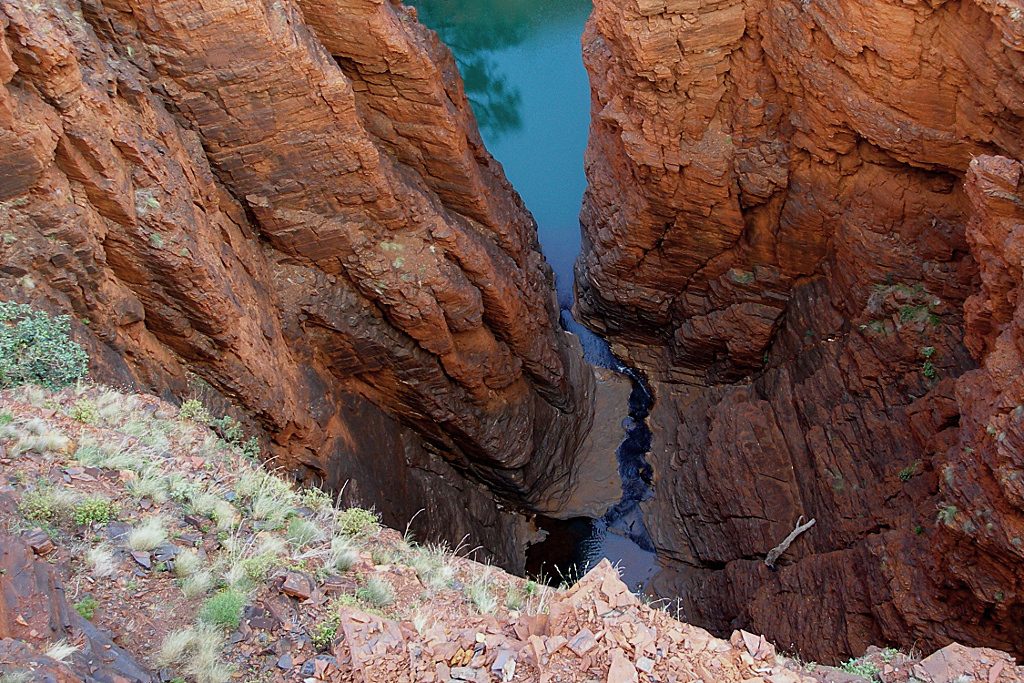
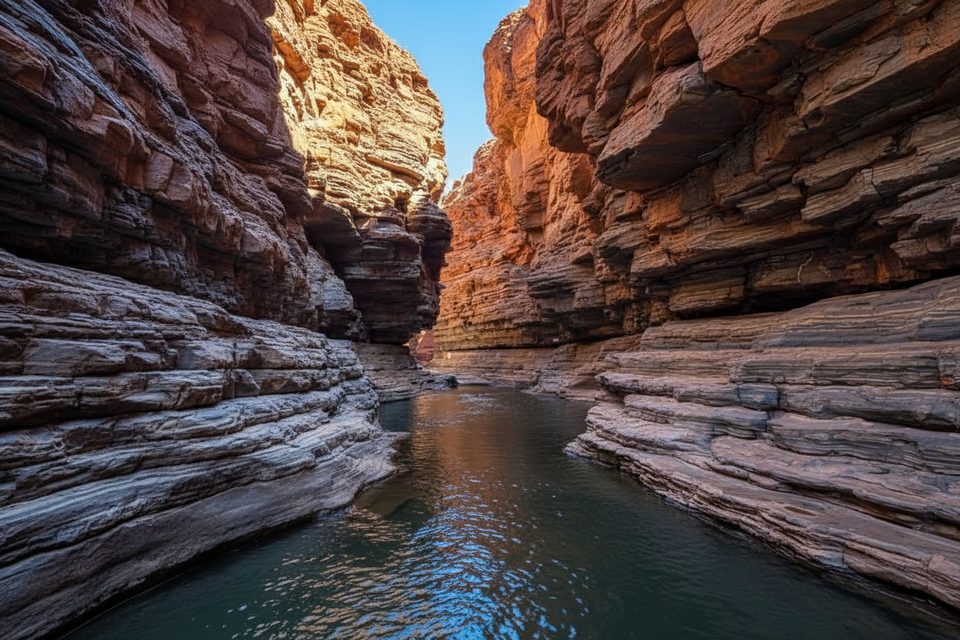
Expect towering red‑orange walls with bronze and purple tones and slick, polished ledges carved over billions of years. In flow, the gorge carries clear water that collects in photogenic pools; when conditions are right, the contrast of blue‑green water against the red rock is a showstopper.
This is a Class 5 adventure: narrow ledges, boulder hopping, and water‑contact sections are the norm. From the Amphitheatre, the route continues to the famous Spider Walk and Kermits Pool, where swimming is allowed when conditions are safe. Surfaces can be very slippery—grippy footwear that can get wet is essential, and you should expect cold water.
Start at the Weano day‑use carpark for Hancock Gorge. Recent upgrades have sealed the key access roads to the Hancock/Weano area, so standard 2WDs can reach the main trailheads; note that some park roads to other gorges remain unsealed and can be corrugated. The carpark has toilets, picnic tables, and shelters; there are no facilities once you enter the gorge.
Never enter the gorge during rain or if rain is forecast—flash floods are a real hazard. The water can be extremely cold, and hypothermia is possible; test before committing, and don’t jump or dive. If you’re not confident with scrambling or moving in swift water, consider going with an experienced guide. Always bring ample drinking water; there are no reliable sources in the gorge.
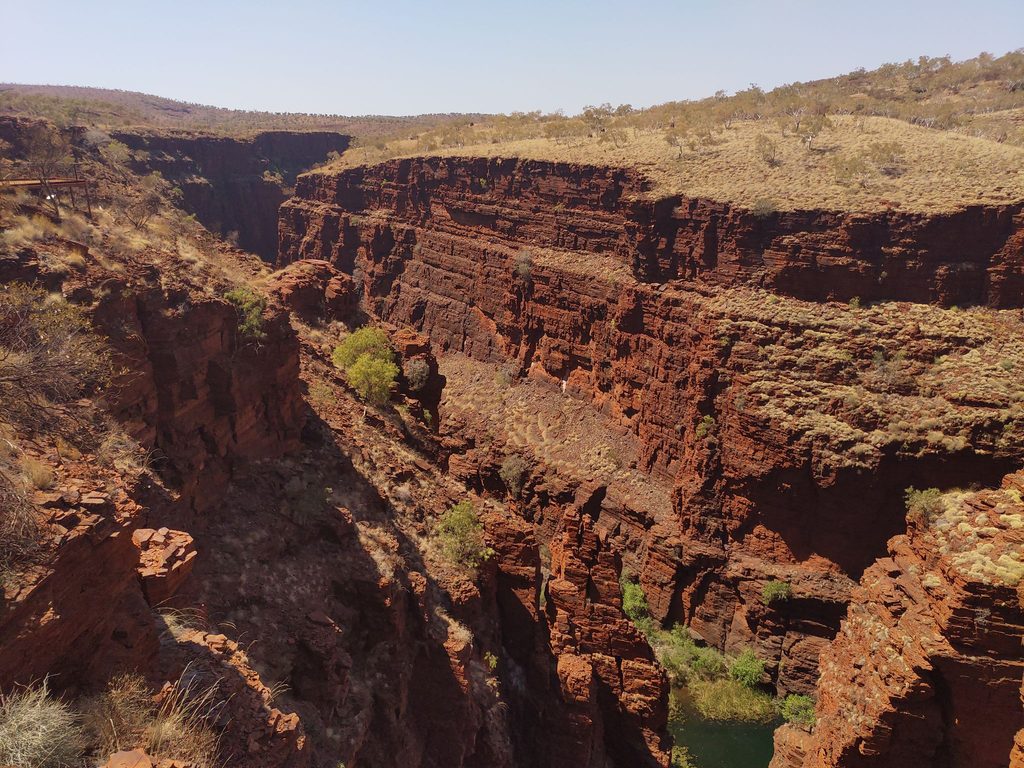
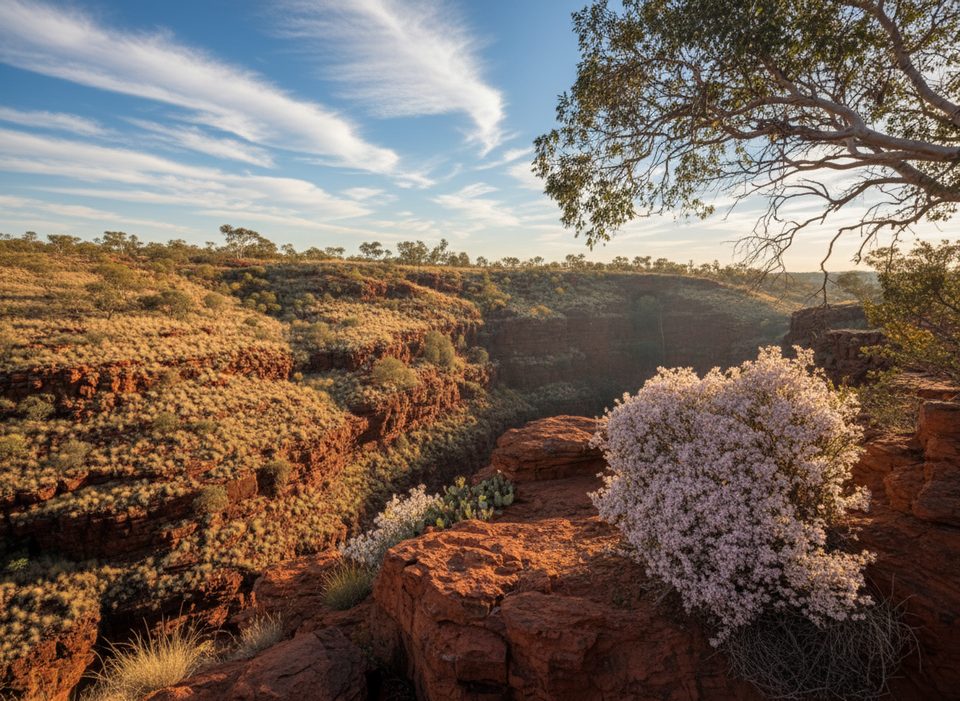
You’re walking through rocks more than two billion years old—some of the oldest exposed on Earth. The gorges carry deep cultural significance for the Banyjima, Kurrama, and Innawonga peoples, whose connection to this country stretches back tens of thousands of years.
No crocodiles here. You may encounter goannas, skinks, and pythons around the gorge country; give all wildlife space and watch where you place hands and feet on warm days.
April–May and September–October bring warm, mostly dry days that are ideal for gorge walking, with April–May often offering the best post‑wet‑season water levels. June–August delivers pleasant hiking temperatures but very cold nights. Start early to beat heat and crowds, and avoid afternoons in hotter months. The visitor centre typically closes from early December through February, and gorge access can close during rain.
Place · 0 mi away
Place · 0 mi away
Place · 0.2 mi away
Place · 0.2 mi away
Easy · 0.2 mi away
Challenging · 0.2 mi away
Easy · 0.2 mi away
Challenging · 0.2 mi away

Parkwolf Tour Guide
