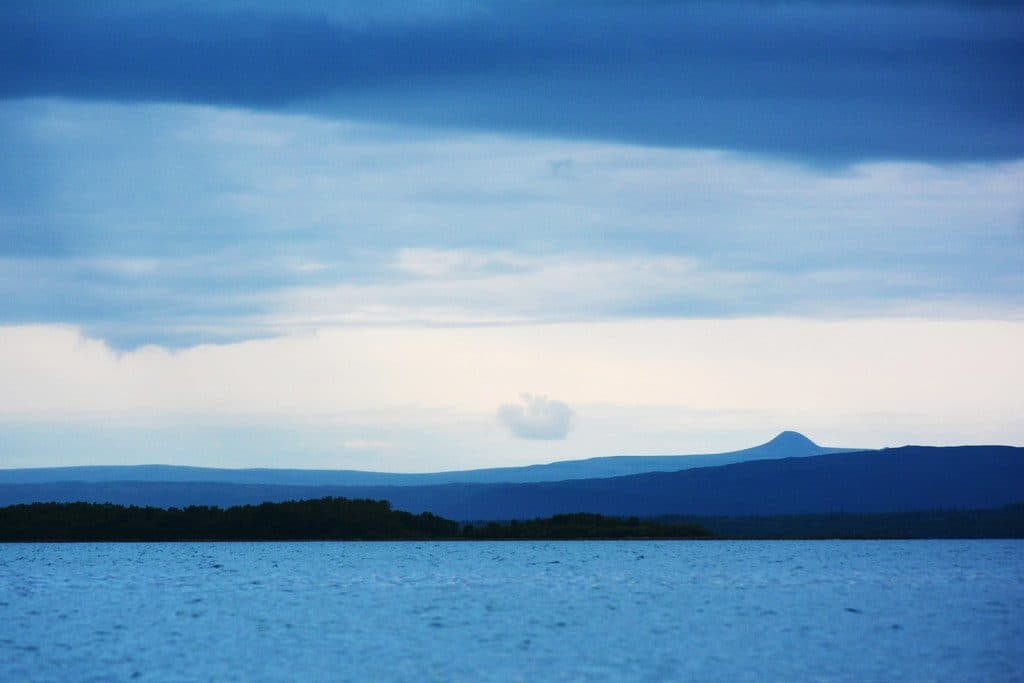
Fourpeaked Mountain

Remote, glaciated volcano best seen by flightseeing, not hiking
Fourpeaked Mountain, Katmai National Park
InsideKatmai National Park

Overview

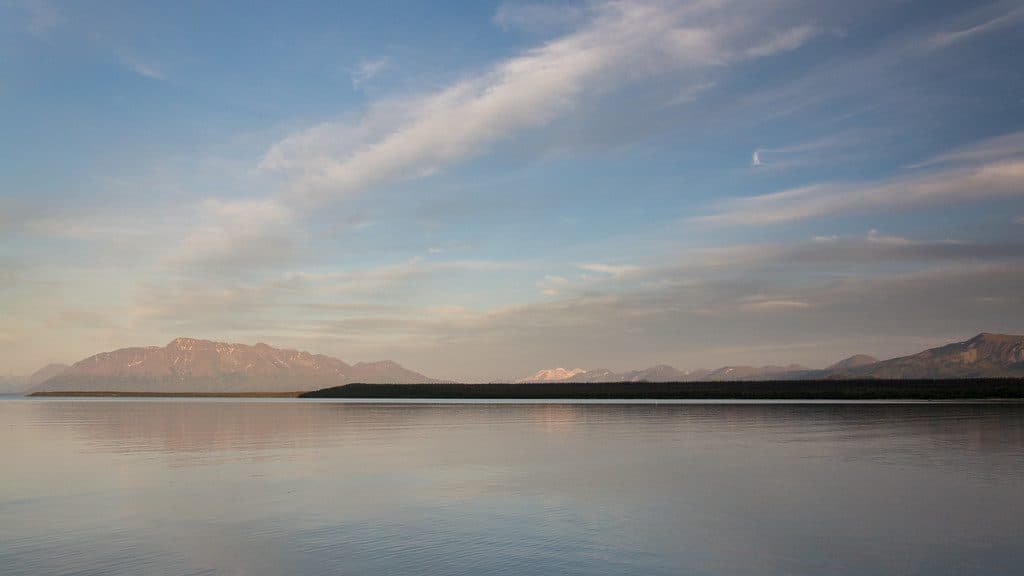
Fourpeaked Mountain (also called Fourpeaked Volcano) is one of Katmai’s Aleutian Range volcanoes, notable for reawakening in 2006 after roughly 10,000 years of dormancy. It sits in deep wilderness, heavily glaciated and far from the park’s few developed areas. If you’re chasing raw, restless geology, this is the real deal.

Access and What to Expect

There are no roads to this part of Katmai and no maintained trails leading to Fourpeaked. Outside of Brooks Camp, facilities and signed routes essentially don’t exist. The practical way to see Fourpeaked is by flightseeing with an authorized air taxi, typically operating from King Salmon, Homer, Kodiak, or Brooks Camp—strictly weather permitting. On the ground, expect true wilderness conditions with no restrooms, no trailheads, and no signage.

Why Go

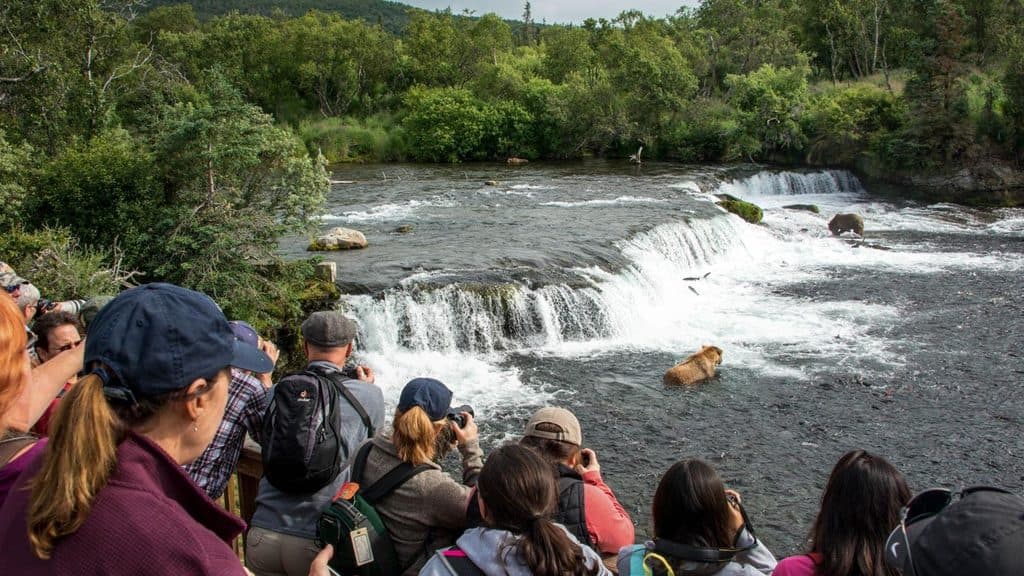
Fourpeaked delivers the drama of an active volcanic belt: vast ice, stark ridgelines, and the sense that the earth here is very much alive. It’s not a mainstream stop like the bear platforms at Brooks; it’s for travelers who value remote, geologic grandeur over creature comforts and crowds.

Wildlife

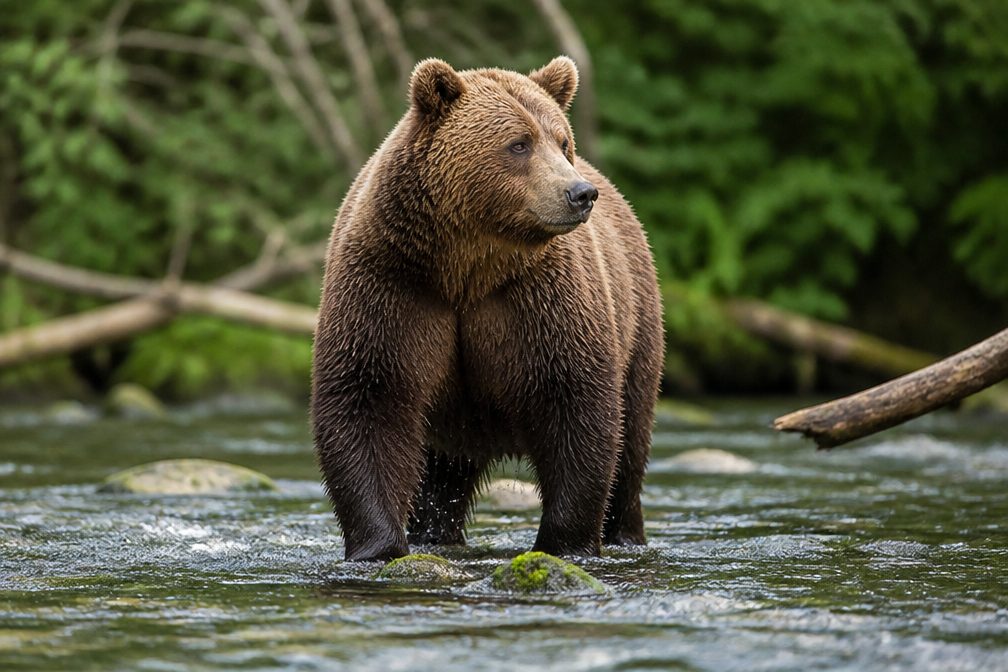
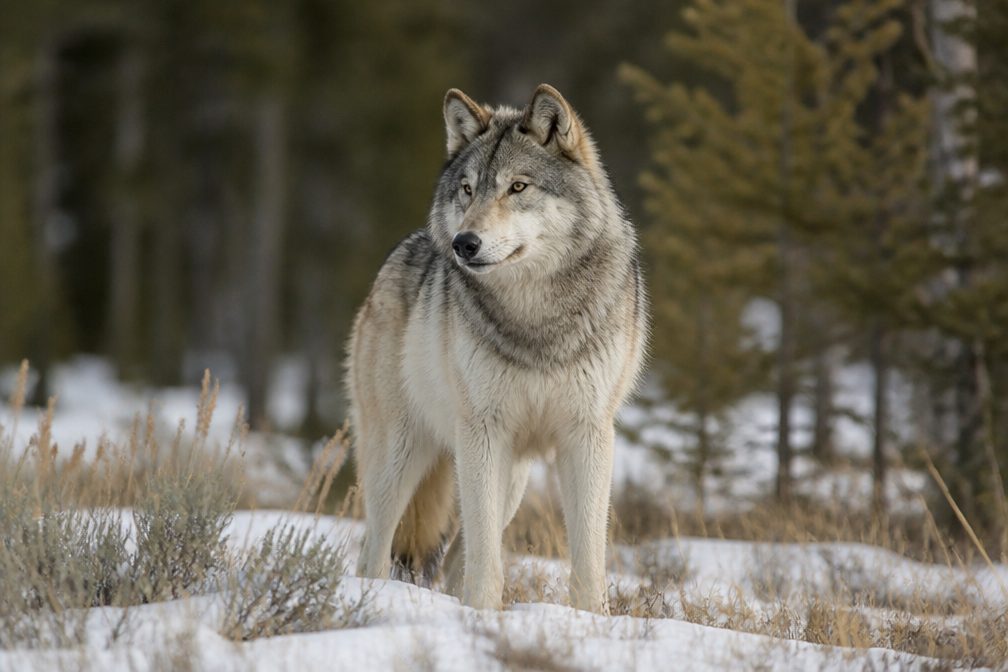
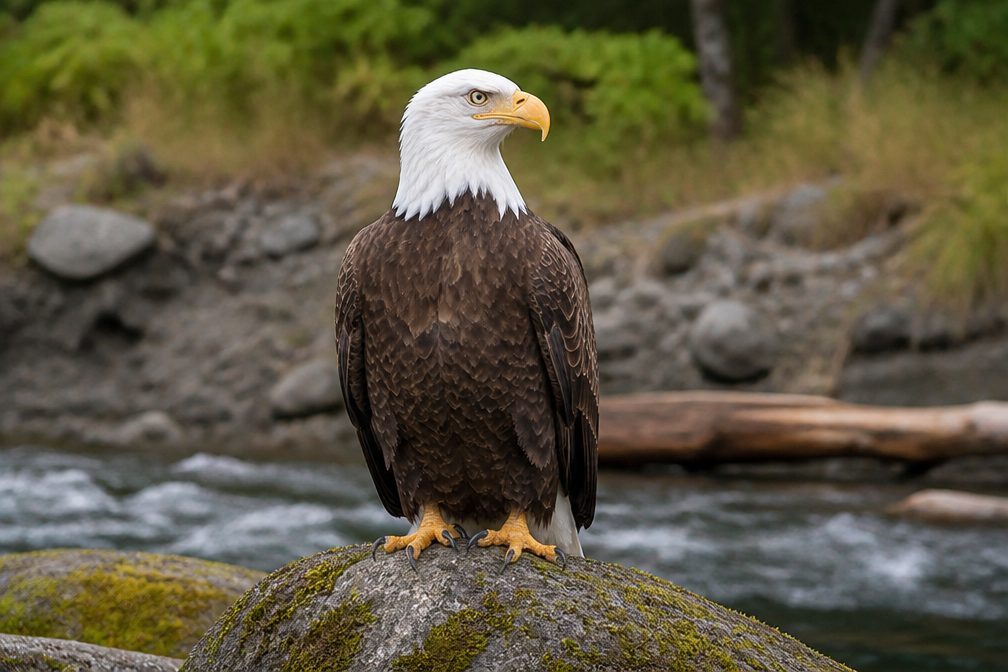
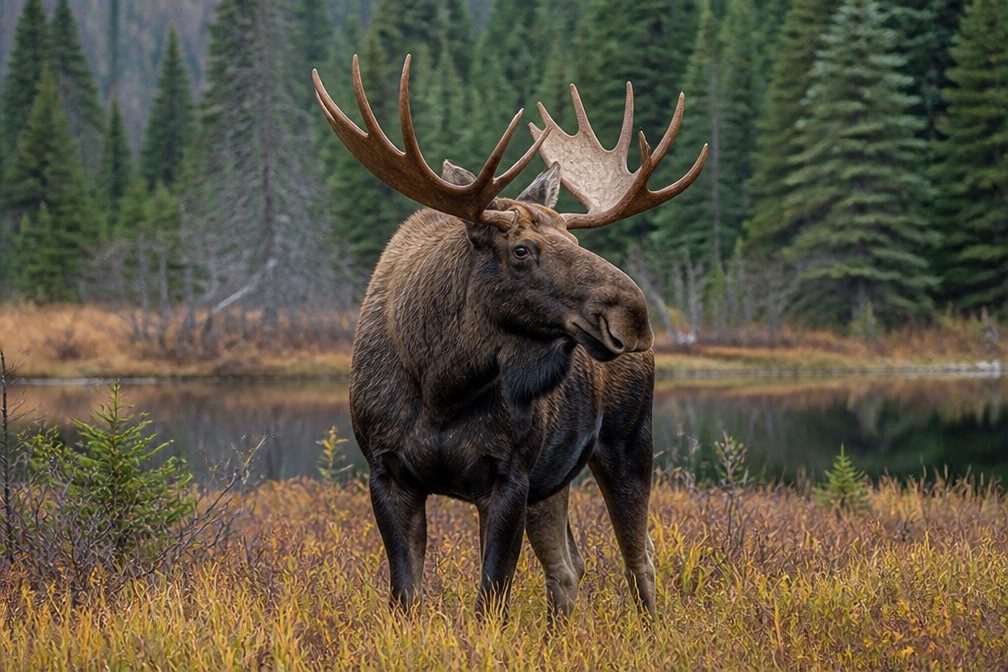
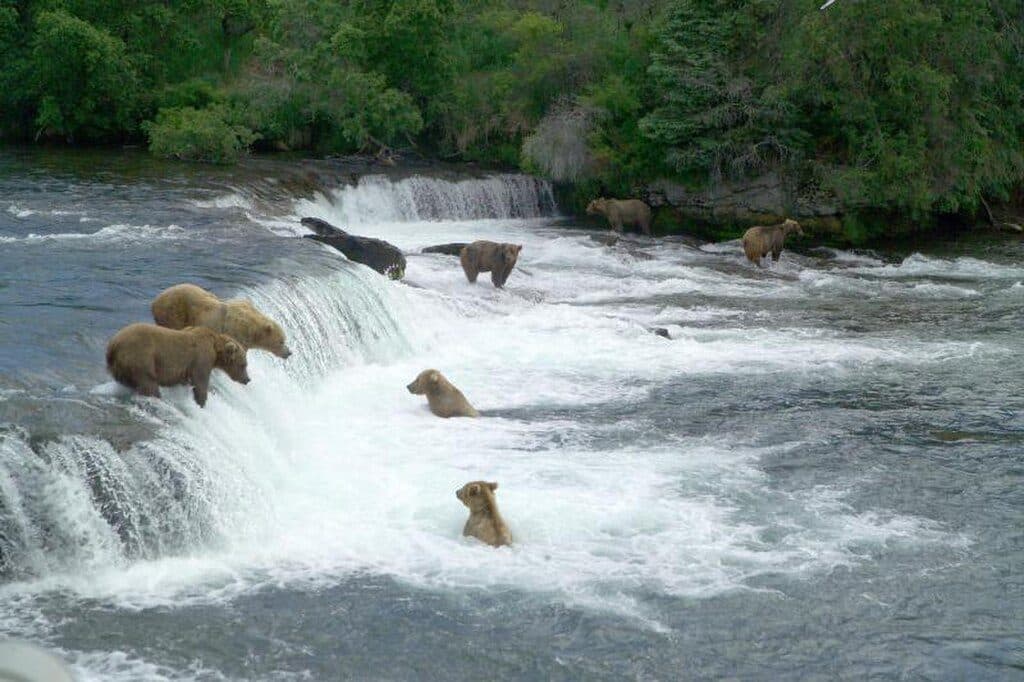
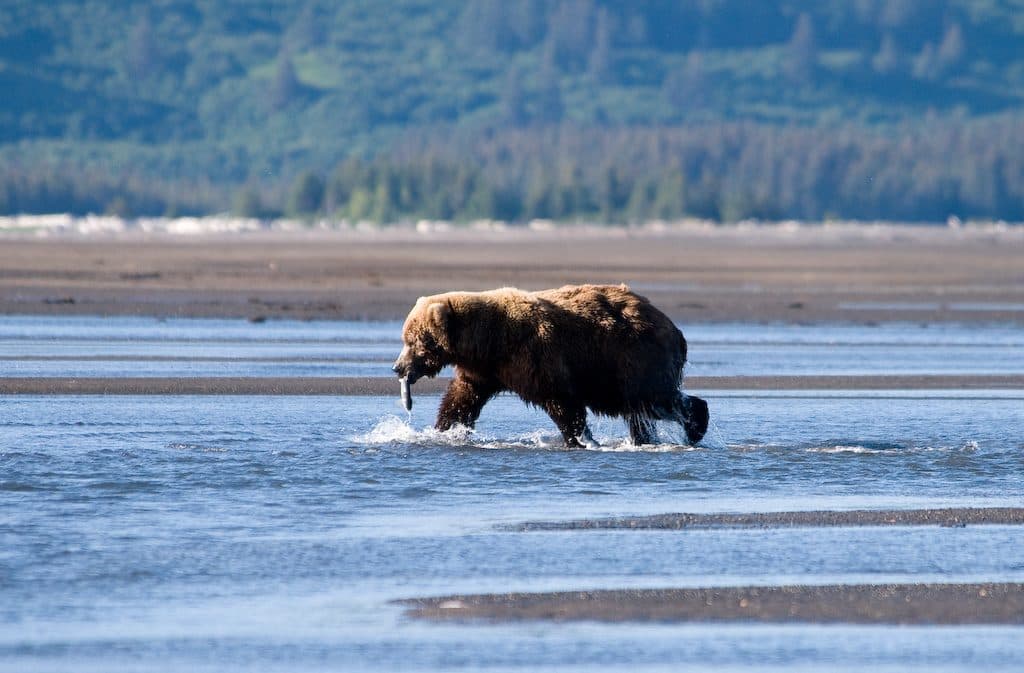
The broader Fourpeaked/coastal Katmai region supports brown bears (especially with salmon runs), moose, caribou, wolves, and rich marine life including sea otters and Steller sea lions, plus seabirds and eagles. If you’re moving along shorelines or travel corridors, assume bears may be using the same routes and plan accordingly.

Safety and Planning

Expect no cell service, volatile coastal weather, and challenging, glaciated terrain. If you intend to set foot near Fourpeaked, plan an aircraft-supported expedition with experienced operators; overland approaches are exceptionally strenuous and hazardous. Review bear safety, be fully self-reliant outside Brooks Camp, and be mindful of private land inholdings along potential approaches.

Best Time to Visit

There are no hours or crowd patterns here—your window is whenever weather cooperates. Summer offers the most practical logistics because commercial floatplanes run regularly to Brooks Camp from June through September, making it easier to base there and charter flightseeing to the volcanic range. Work closely with pilots for clear-weather windows and backup plans.

Pros

  • Remote, active volcano with dramatic glaciated scenery
  • Best experienced by flightseeing charters from King Salmon, Homer, or Kodiak

Cons

  • No trails or amenities; on-the-ground access is extremely difficult
  • Highly weather-dependent; flights can be delayed or canceled

Tips

  • Arrange flightseeing with an authorized operator from King Salmon, Homer, Kodiak, or Brooks Camp and build in weather buffers.
  • Do not expect any facilities on-site; carry everything you need and plan for no cell service.
  • If attempting a landing or ground visit, use an aircraft-supported expedition and prepare for glacier and volcano hazards.
  • Review bear safety practices and be alert on beaches and travel corridors that bears frequent.
  • Check park info for private land inholdings along potential approaches and obtain permissions if needed.
The Parkwolf tour guide sitting on a phone mounted in a car

Parkwolf Tour Guide

Like a tour guide in your car.

Save the places you found around Katmai, then let Parkwolf guide the drive between them.Download Parkwolf on the App Store