Place · 0 mi away

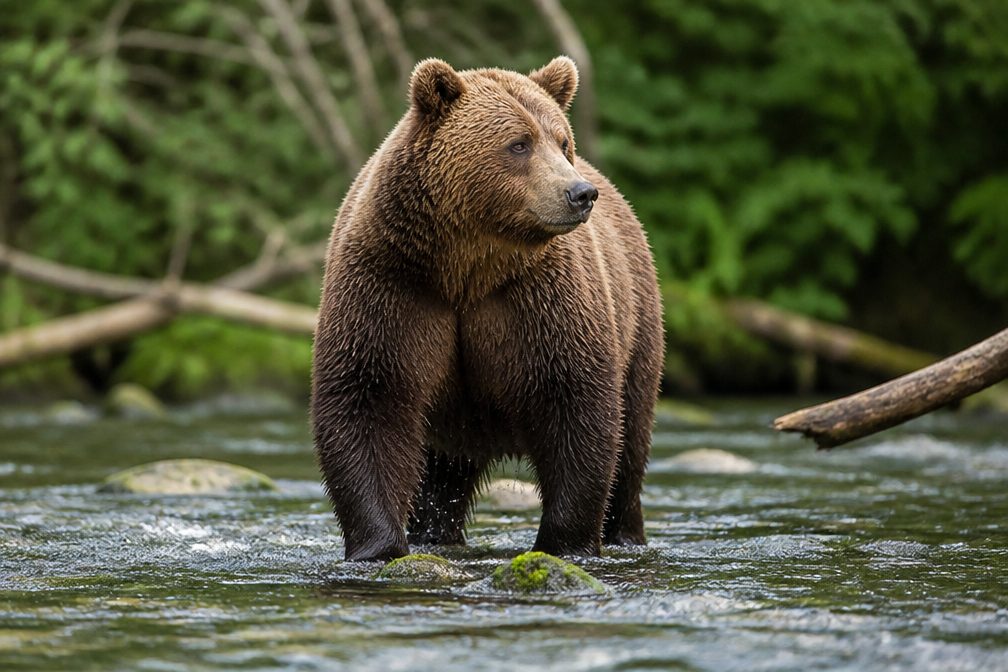
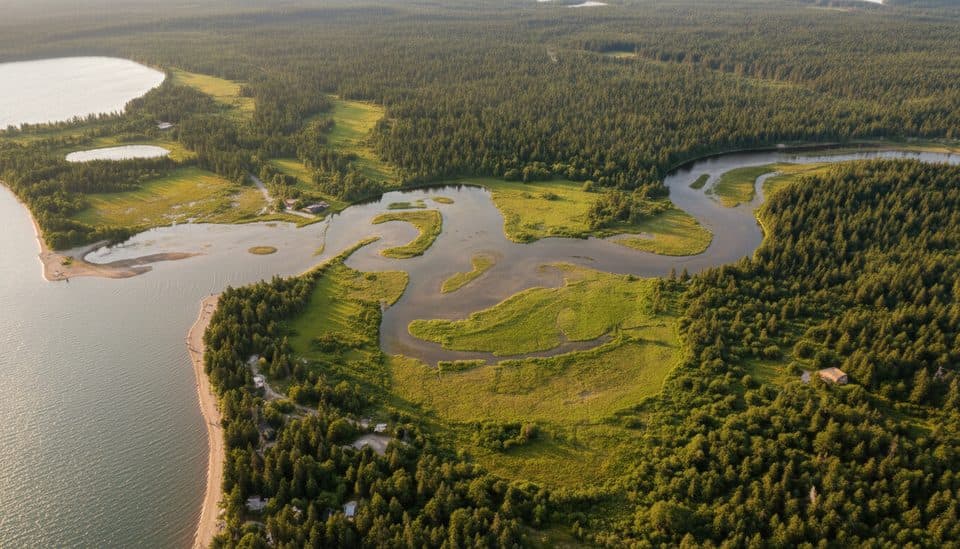
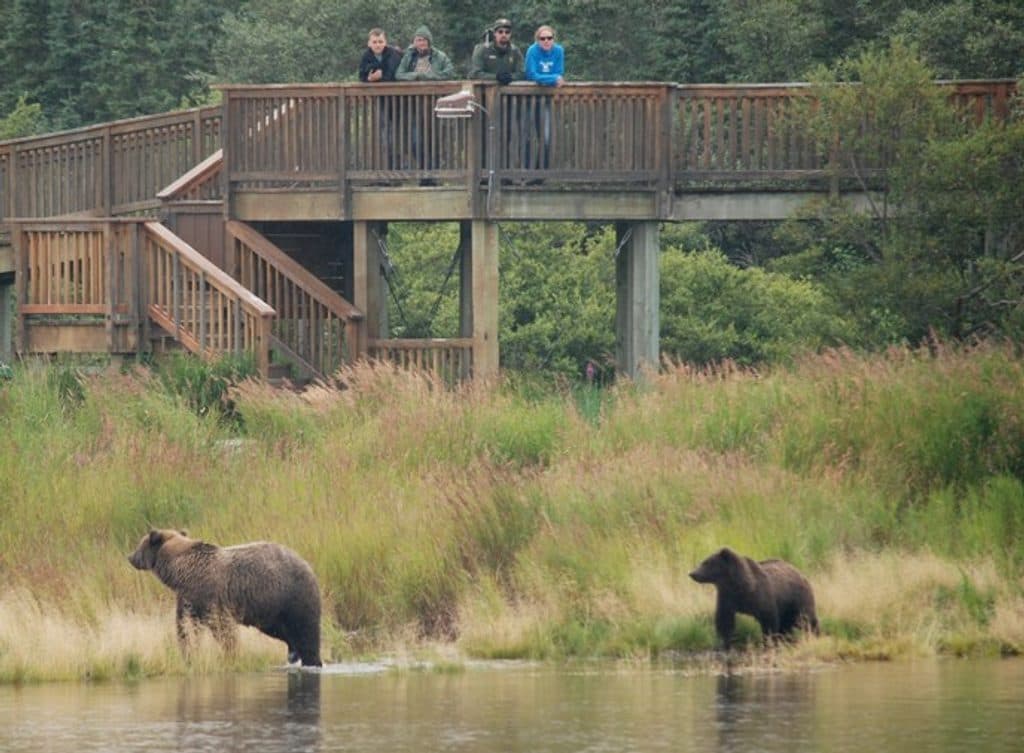
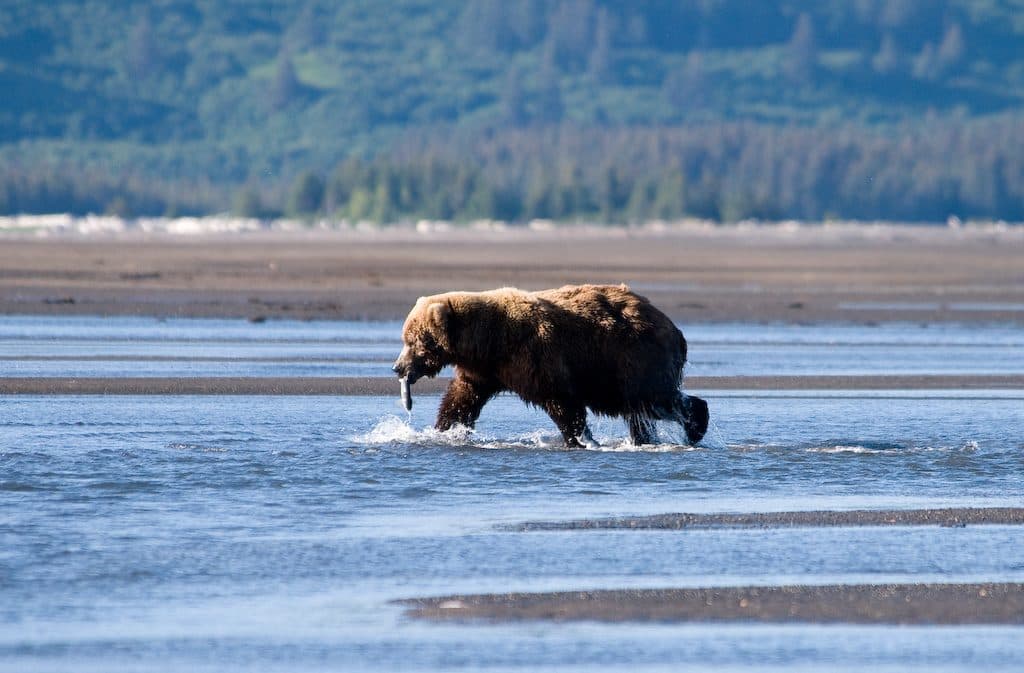
Brooks Camp is the park’s busy little hub where true Alaska backcountry meets just‑enough comforts. People come for two reasons: bears and the Valley of Ten Thousand Smokes. Expect changing weather, muddy trails, and bears literally everywhere—managed thoughtfully by rangers and elevated boardwalks.
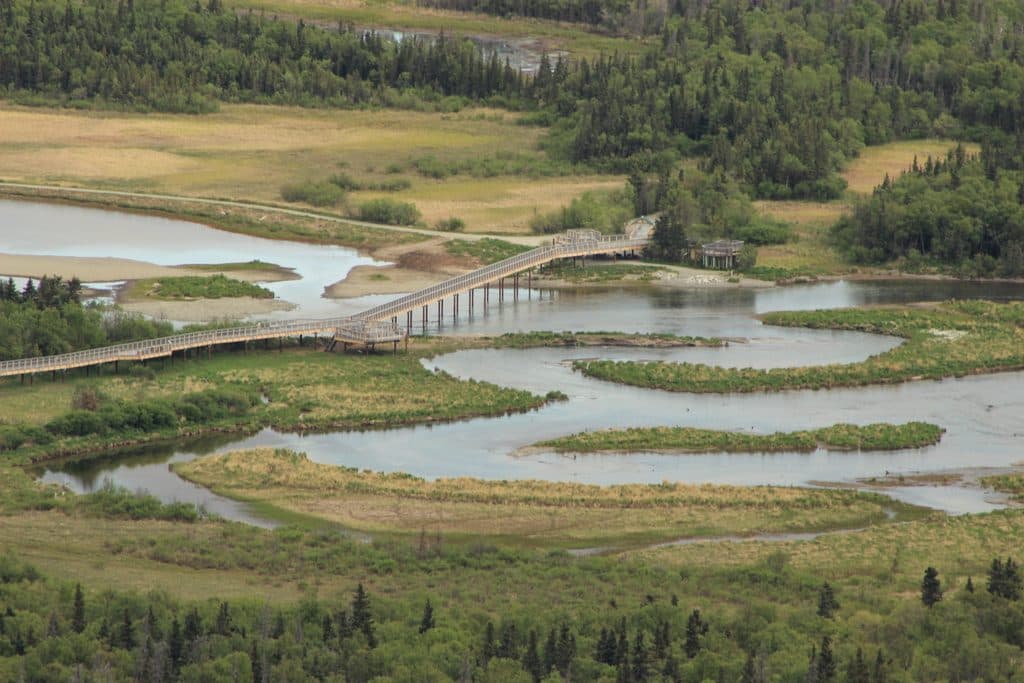
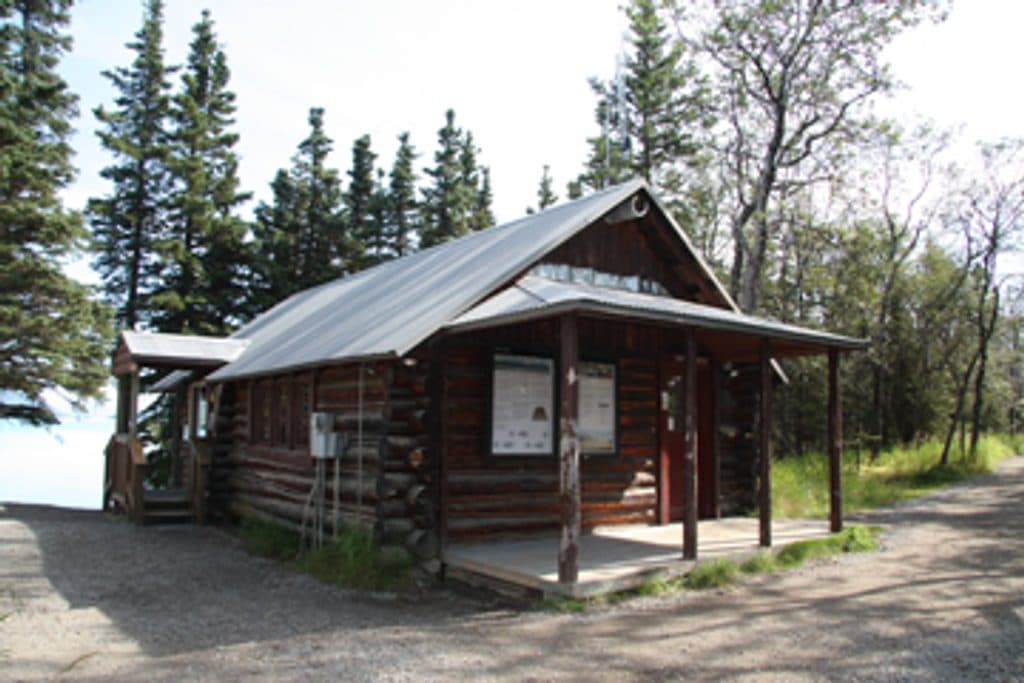
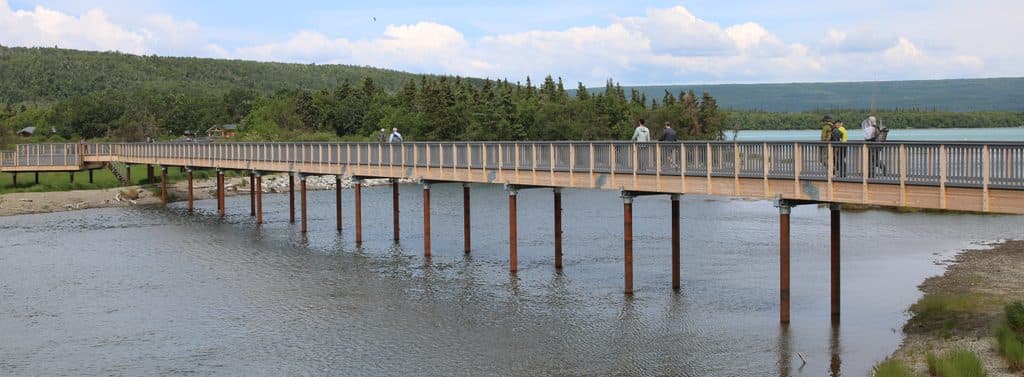
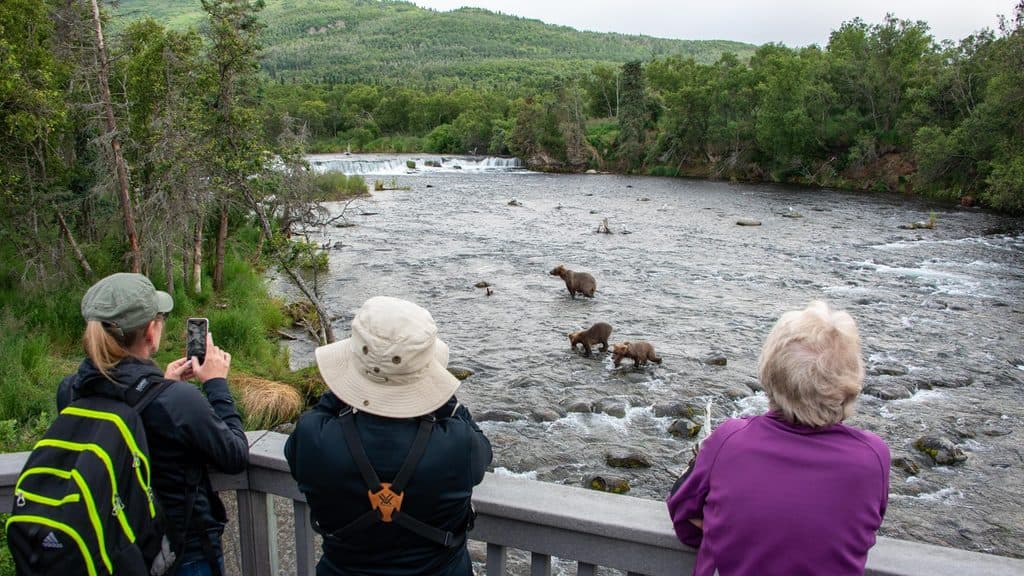
You’ll check in at the Visitor Center for a mandatory bear orientation. It’s not just a formality—rangers cover how to move around camp, yield to bears, and handle “bear jams” that can halt crossings at the Brooks River bridge.
There’s no road access. Most visitors fly by small floatplane (often via King Salmon) or come by water taxi. Weather can delay or cancel flights, so day trips are the most vulnerable. If your plans are tight, build buffer time.
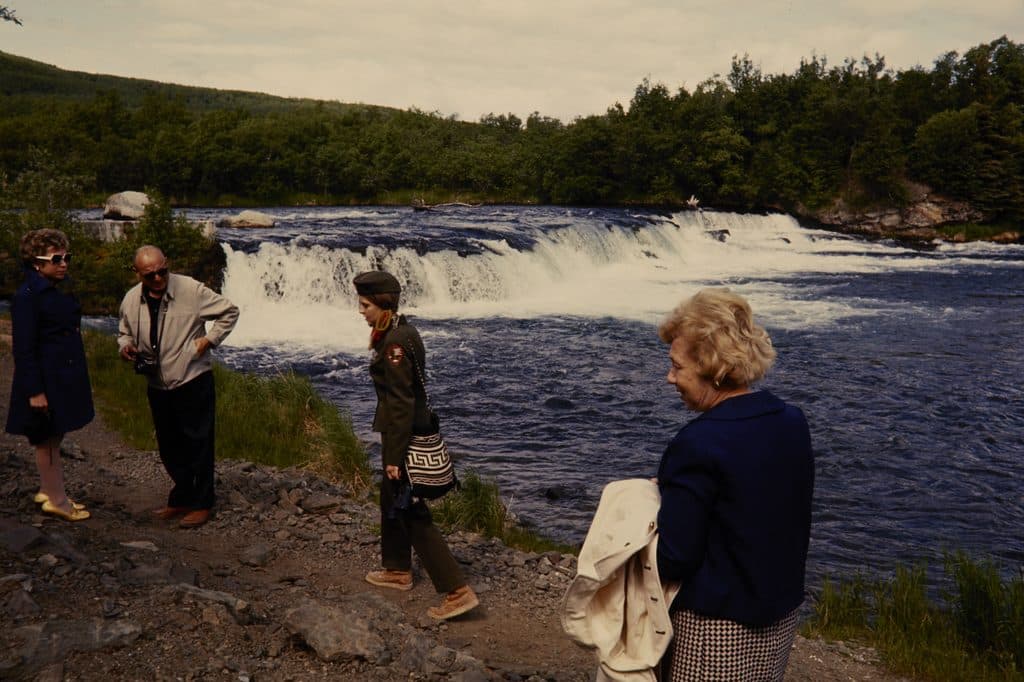
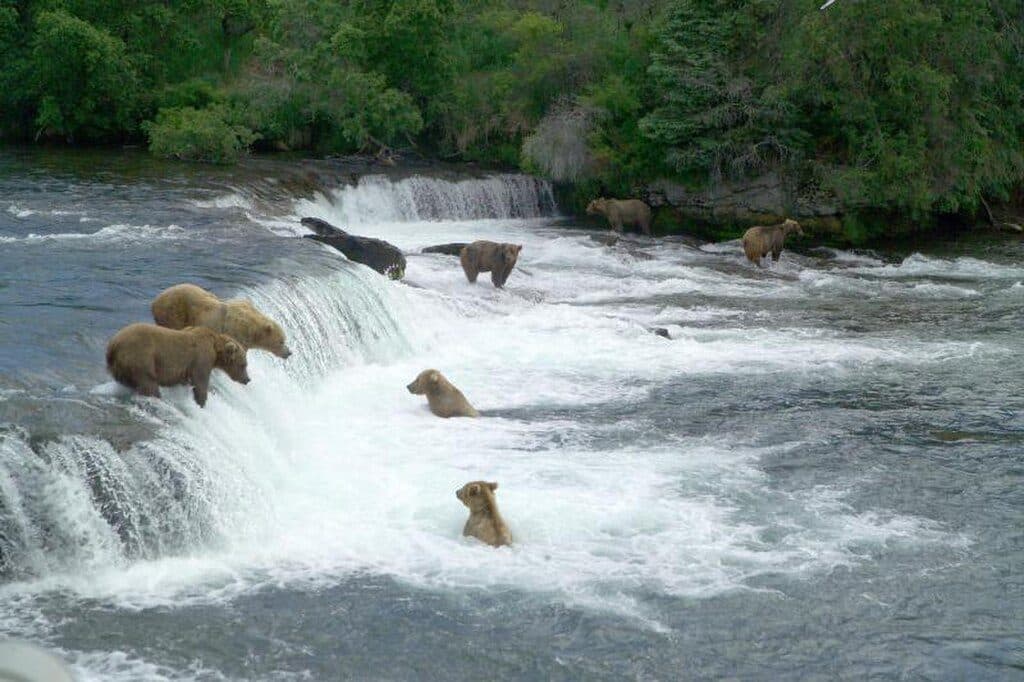
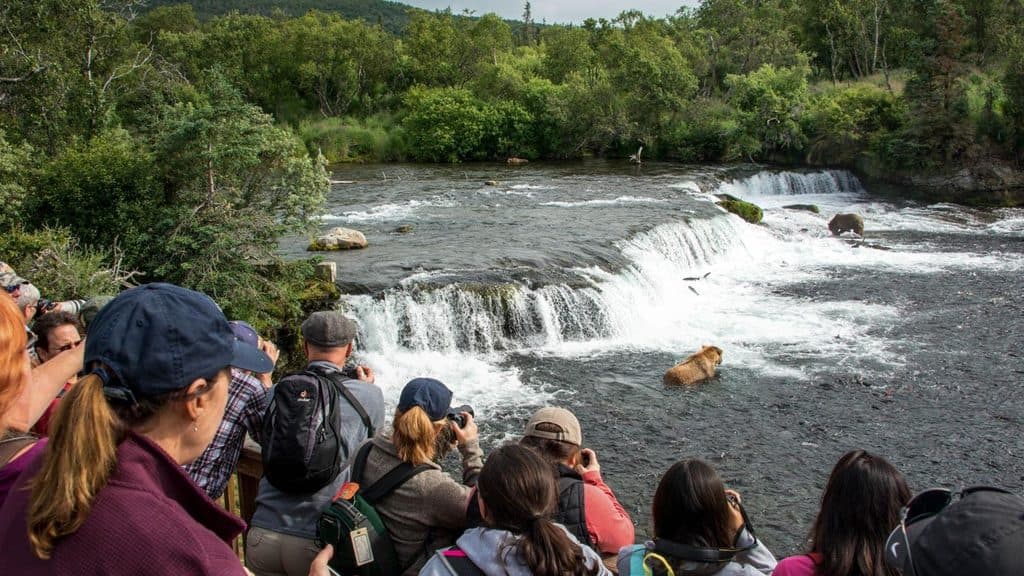
It’s roughly a mile from camp to Brooks Falls, and you can see bears anywhere along the walk. Rangers manage two main viewing areas: Riffles (great behavior viewing, no time limit) and the Falls platform (iconic shots, timed queues during peak). Waits vary—shorter in bad weather and late in the day.
Prime bear season runs late June through late July when salmon stack up at the falls, and again from late August into September for the last big feed. Expect to pause often for bear right‑of‑way and to factor in extra time for the bridge.
From June 15 to October 31, a permit is required to enter the Brooks River Corridor (the river and within 50 yards of its banks between Lake Brooks inlet and the elevated bridge/boardwalk). Each permit is good for 7 days and covers up to six people. Boardwalks, platforms, roads, and graveled trails are excluded. If you want riverbank vantage points beyond the platforms, secure this permit or go with a permitted guide—and follow all bear‑yield rules.
In season (roughly June 1–September 17), the NPS operates a Visitor Center, ranger station, campground, and daily ranger programs. Brooks Lodge (separate concessioner) provides lodging and meals through about September 17; it’s very competitive to book.
Campers get real infrastructure: an electrified bear‑resistant fence around the campground; three covered cooking shelters with picnic tables and nearby fire rings; separate food and gear caches; fuel lockers; potable water (typically June 1–Sept 17); and two vault toilets. There are no assigned sites (60‑person capacity). Showers and charging are by the lodge (expect limited outlets and bring a battery pack). Don’t count on cell or internet.
A small trading post sells limited supplies (including camp fuel when available) and basic snacks, plus rents items like kayaks, canoes, and fishing gear. Stock varies, hours are limited, and fuel availability isn’t guaranteed—bring what you truly need.

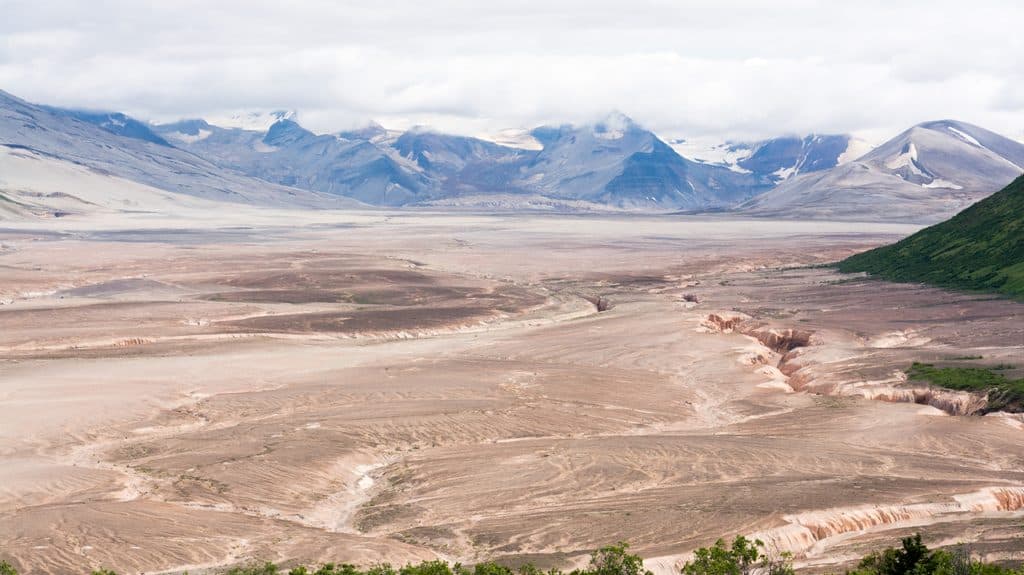
Daily bus tours depart from Brooks Camp in season to the ash‑filled moonscape created by the 1912 Novarupta eruption. Exhibits at the Robert F. Griggs Visitor Center explain the history, and tours often include a hike to the valley floor. If you have two or more days, it’s a standout contrast to the river’s wildlife action.
Bring bombproof rain gear, warm layers, and mosquito protection. Pack efficiently due to strict small‑plane weight limits. Plan to cache all food and odorous items, and be ready to pause for bear traffic. Build buffer days on either end of your trip—Brooks rewards flexibility.