Naknek Lake

Big, wild lake with bears, floatplanes, and serious winds
Naknek Lake, Katmai National Park
InsideKatmai National Park

Overview

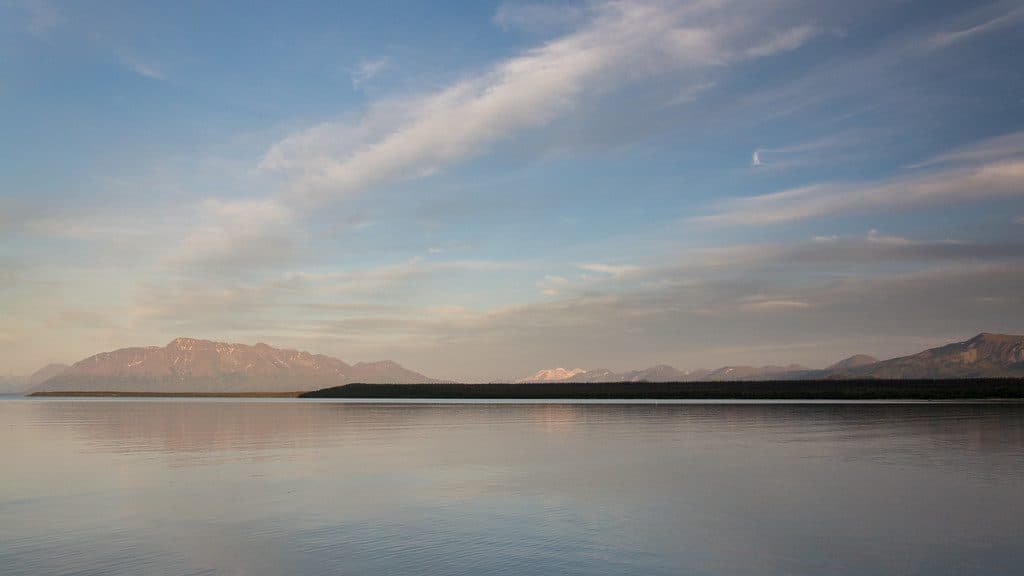
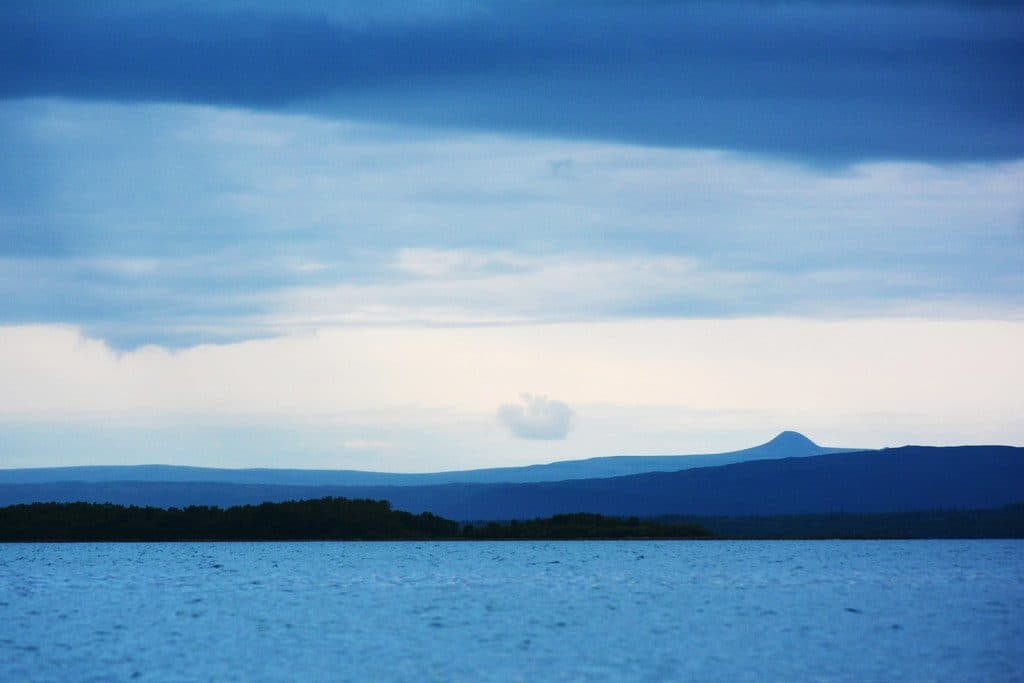
Naknek Lake is the park’s big water—glacier-carved, moraine-dammed, and the largest lake in the area. It’s the heart of the Brooks Camp experience, where floatplanes skim in, bears patrol the beaches, and the lake’s mood can flip from glassy calm to whitecaps in an hour. Water levels swing seasonally (often peaking late summer into early fall), and in places you may even spot floating pumice from the Novarupta eruption—yes, rocks that bob.

What You’ll See

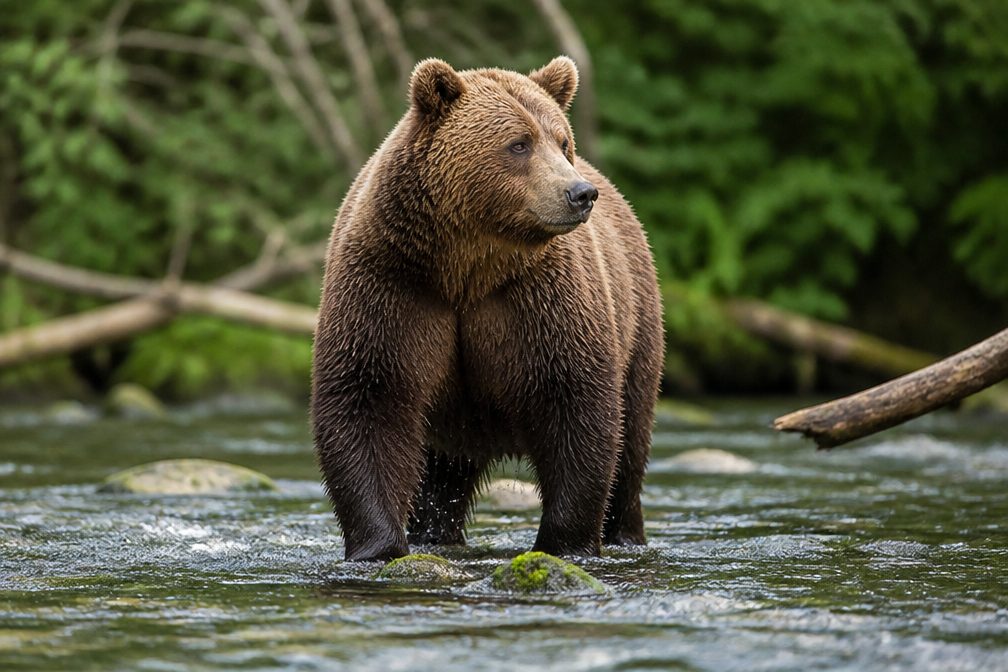
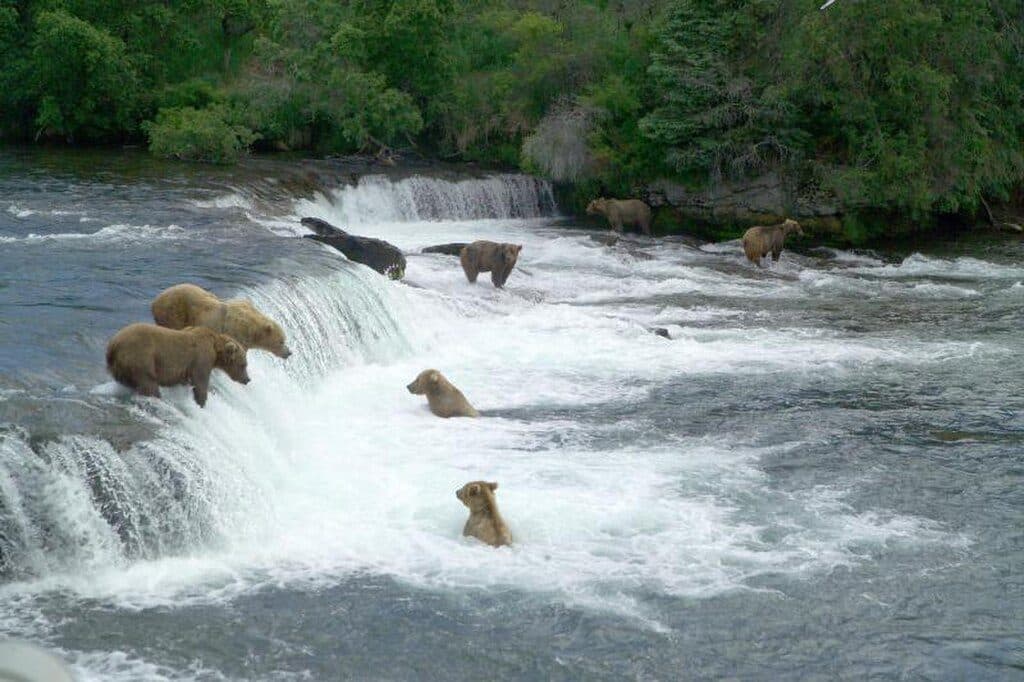
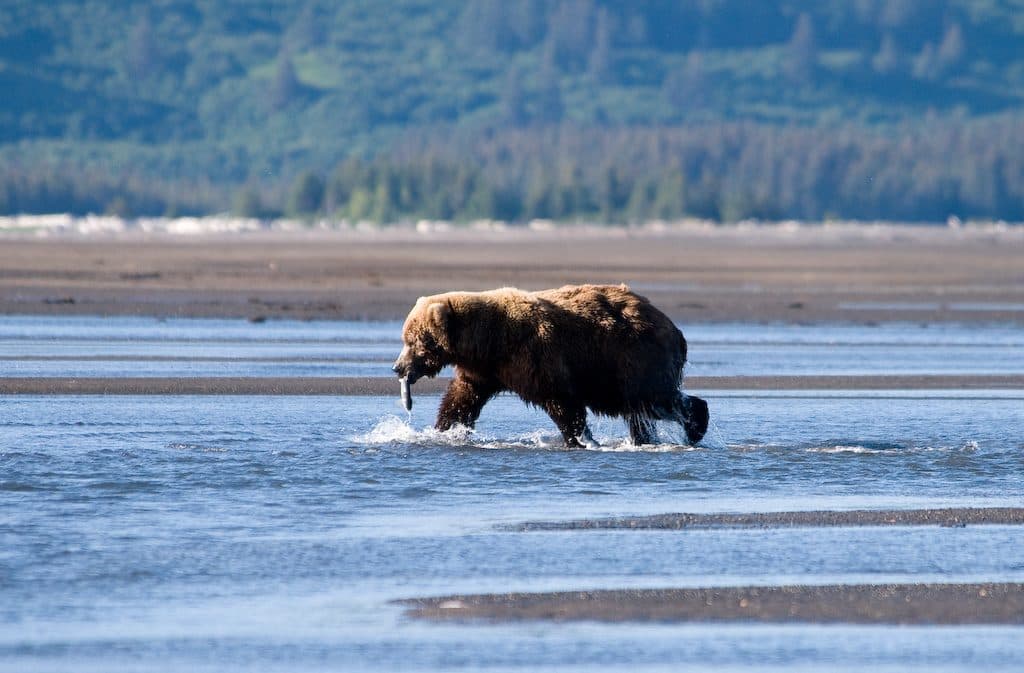
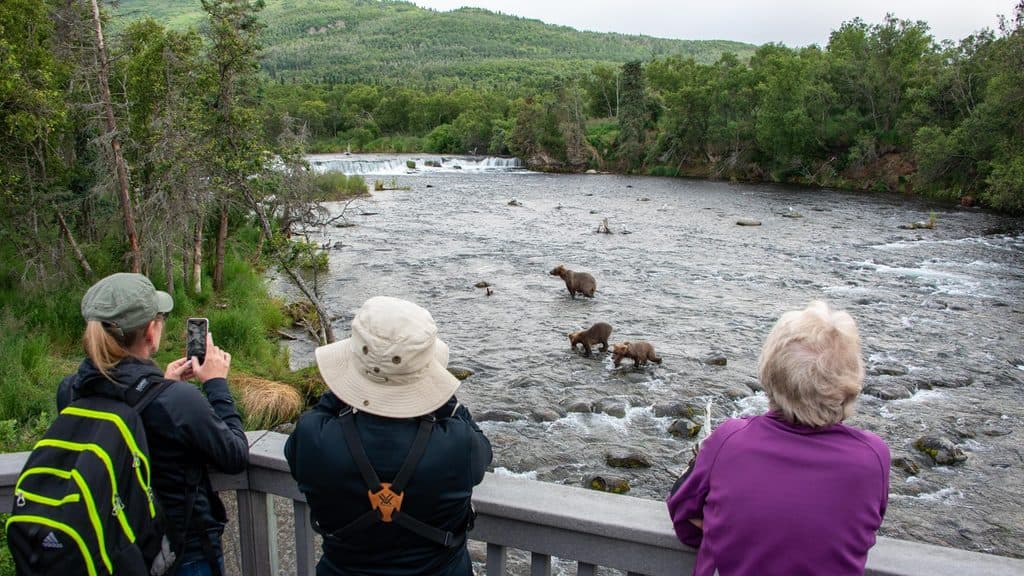
Expect sweeping, wild horizons and a living salmon-bear drama along the shore and near the Brooks River. Bears are commonly seen cruising the beaches and even swimming. The Iliuk Arm can glow turquoise from glacial silt, while river mouths draw fish—and, naturally, bears.

Paddling & Boating

This is serious, cold, wind-prone water. Sudden willawa winds can whip up big, dangerous waves and strand trips for days. If you paddle, start early when it’s typically calmer, hug the shoreline, and avoid long open crossings. Popular multi-day routes (like out to the Bay of Islands or into the Savonoski Loop) reward experience and patience; be prepared to wait out weather.

Fishing

Anglers report excellent rainbow trout near river mouths and lake fishing for trout and pike. Bear etiquette is non-negotiable—time your landings, give bears space, and handle fish carefully. Guided options exist through authorized providers.

Brooks Camp: Services & Camping

Brooks Campground sits right on the lake and is fully bear-aware: electric fence, clean vault toilets, and secure lockers for food and gear. Brooks Lodge serves buffet meals, and a small trading post rents practical gear like waders. Most services are concentrated in this hub; beyond it, expect true backcountry conditions.

Getting There

Most visitors arrive by floatplane landing on Naknek Lake near Brooks Camp. If winds are unfavorable, aircraft may use nearby Brooks Lake instead. Some reach the area by boat via the Naknek River, but conditions can turn rough fast.

Wildlife Notes

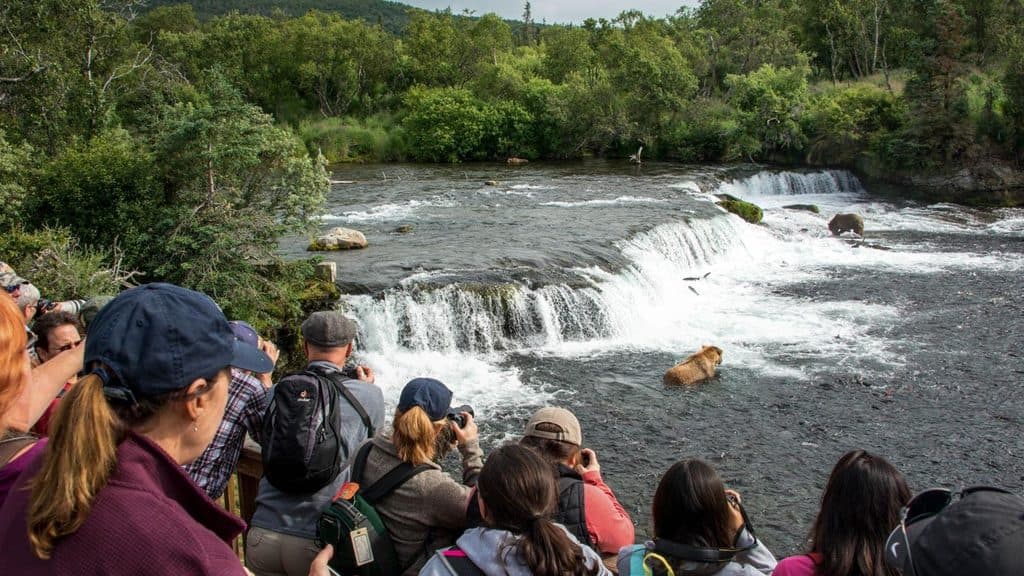
Peak salmon-and-bear action generally runs July into early August. You can encounter bears within minutes of arriving in season—on trails, beaches, and near the river. Around Brooks Falls, expect platform capacity limits and occasional bridge closures when bears are near.

Best Time to Visit

  • Season: July–early August for peak bears and salmon.
  • Time of day: Evenings often bring better light and shorter waits at viewing platforms; mornings can be quieter for bear activity.
  • Weather: Plan for rapid changes—calm one hour, whitecaps the next. Mosquitos can be intense mid-summer.


Safety Essentials

On multi-day trips, water hazards often exceed bear risk. Wear a PFD, carry cold-water gear, build weather days into your plan, and follow all food-storage and bear-safety rules at Brooks Camp and beyond.

Pros

  • Prime bear activity along the Brooks Camp shoreline
  • Kayak/canoe exploration with rentals available at Brooks Lodge

Cons

  • Sudden, strong winds can create dangerous waves
  • Facilities are clustered at Brooks Camp; elsewhere is true wilderness

Tips

  • Start paddling at first light to beat wind and chop.
  • Stay near shore and avoid long open-water crossings when windy.
  • Expect bridge closures and lines for the Falls platforms; evenings often move faster with better light.
  • Pack strong bug repellent and a head net in peak summer.
  • Floatplane plans can shift to Brooks Lake in high winds—build buffer time.
The Parkwolf tour guide sitting on a phone mounted in a car

Parkwolf Tour Guide

Like a tour guide in your car.

Save the places you found around Katmai, then let Parkwolf guide the drive between them.Download Parkwolf on the App Store