Fure's Cabin

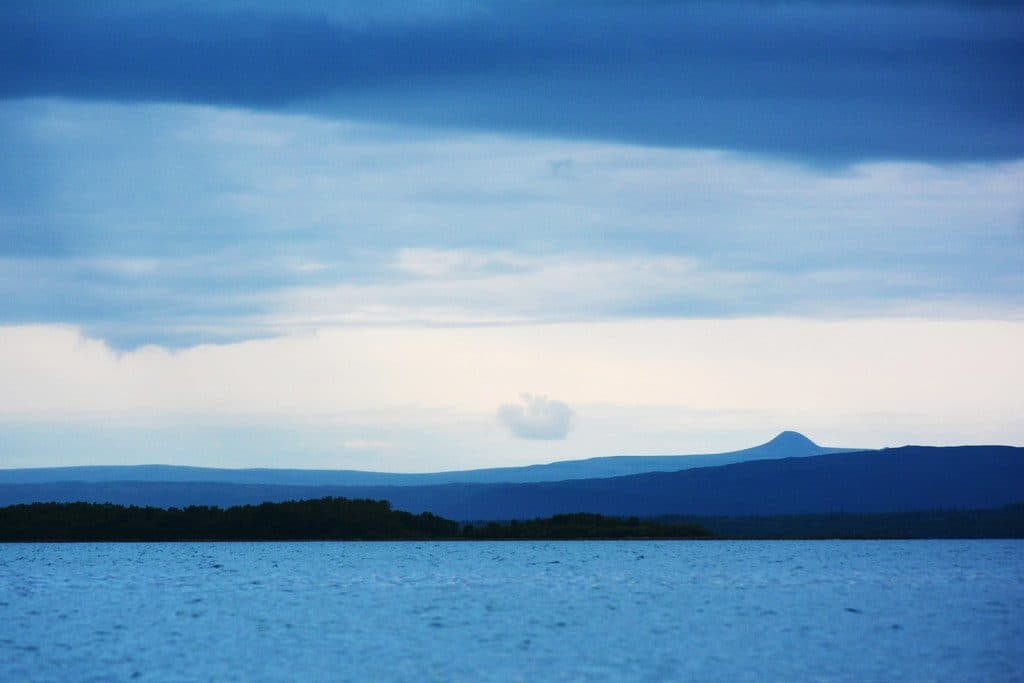
Historic backcountry cabin for paddlers on Naknek Lake’s Bay of Islands
Fure's Cabin, Katmai National Park
InsideKatmai National Park

Overview

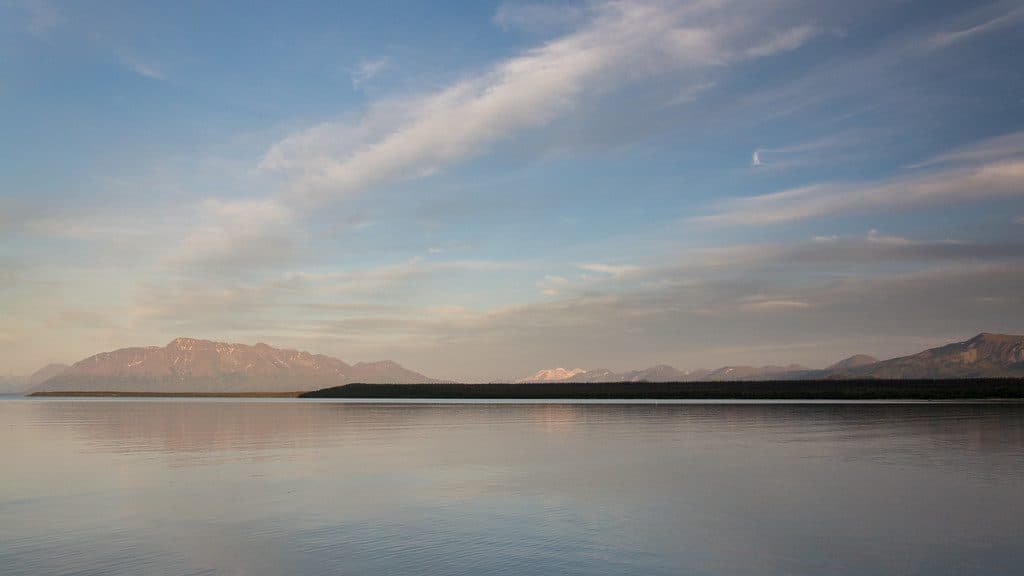
Fure’s Cabin is Katmai’s lone public‑use cabin: a single‑room, hand‑hewn spruce log hideaway in the Bay of Islands on Naknek Lake. Built by trapper and miner Roy Fure (commonly cited as 1926) and listed on the National Register of Historic Places, it blends backcountry shelter with real history. If you’re paddling the Bay of Islands or tackling the Savonoski Loop, this is the coveted, civilized pause in a very wild place.

Location & Access

Set a short walk back from the shoreline on the north side of the Bay of Islands, the cabin sits at the start of the portage trail to Grosvenor Lake. There’s no road access—arrive by floatplane or by paddling a long haul from Brooks Camp (over 20 miles by water). There’s no public transport; you must arrange your own logistics.

What You’ll Find

Inside you’ll get the essentials: a bunk bed, table, chairs, and a wood‑burning stove. Outside there’s a fire ring, and a vault toilet sits about 50 yards uphill. Capacity is up to four people. Limited firewood may be available, and you may collect only dead and down wood. There’s no potable water—bring it or treat lake water—and you must pack out all trash.

Reservations, Costs, and Rules

The cabin books on a rolling basis with high demand. Peak season runs June 1–September 17, with nightly fees typically $45 in peak and $22.50 in the off‑season. Stays are capped (maximum four consecutive nights, seven nights per year), and groups are limited to six people. It’s maintained for public use; don’t rely on it for commercial operations.

History Snapshot

Roy Fure, a Lithuanian immigrant, built the cabin of hand‑hewn logs with tight dovetail notching. The site later became part of Katmai National Monument, and the structure was restored by the National Park Service decades later so visitors could experience a piece of the area’s trapping and prospecting past.

Wildlife & Safety

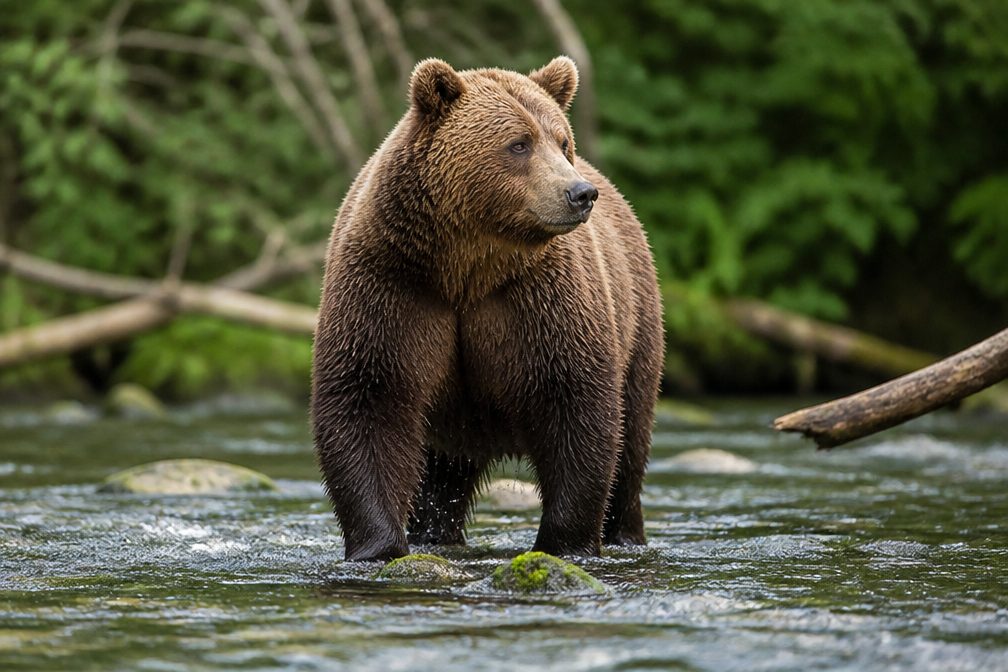
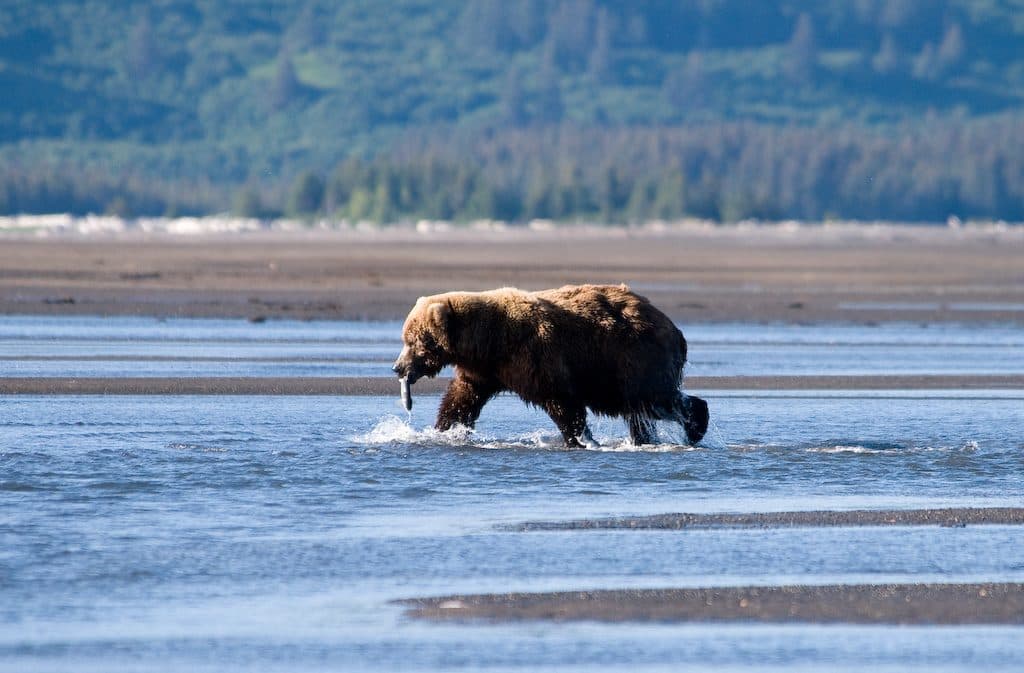
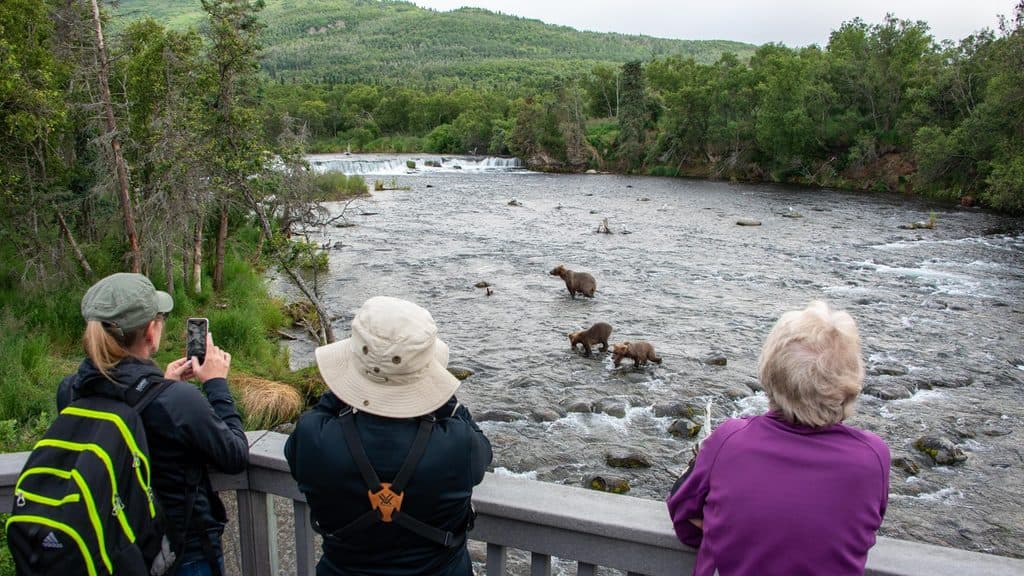
This is prime bear country. Keep a clean camp, store food and anything odorous inside the cabin or in approved containers, and follow park bear‑safety practices. Weather shifts fast on Naknek Lake—winds can build suddenly—so plan paddles conservatively and stick close to shore.

Best Time to Visit

Summer is the move. Aim for June through mid‑September when reservations are available and conditions are generally friendlier for paddling. It’s remote enough that “crowds” aren’t really the issue—availability is. Book as early as you can, and give yourself weather buffers.


Who Will Love It (and Who Won’t)

Paddlers and history‑minded backcountry travelers will love the mix of solitude and story. If you want easy access, amenities, or a guaranteed smooth crossing, this isn’t your stop—consider basing out of Brooks Camp instead.

Pros

  • Historic, hand-hewn log cabin right on Naknek Lake’s Bay of Islands
  • Cozy wood-burning stove with basic furnishings for up to four
  • Perfect stopover for Bay of Islands/Savonoski Loop paddlers

Cons

  • Reachable only by boat or floatplane; over 20 miles by water from Brooks Camp
  • No potable water or supplies—pack in everything and pack it all out

Tips

  • Reserve early—summer dates book fast and stays are capped per year.
  • Plan transport: it’s floatplane or a long paddle from Brooks Camp.
  • Bring all supplies, including water treatment and extra stove fuel.
  • Secure doors and windows when you leave to prevent wildlife damage.
  • Expect no cell service; carry reliable navigation and emergency comms.
The Parkwolf tour guide sitting on a phone mounted in a car

Parkwolf Tour Guide

Like a tour guide in your car.

Save the places you found around Katmai, then let Parkwolf guide the drive between them.Download Parkwolf on the App Store