Kukak Bay

Remote tidal bay packed with bears and marine life
Kukak Bay, Katmai National Park
InsideKatmai National Park

Overview

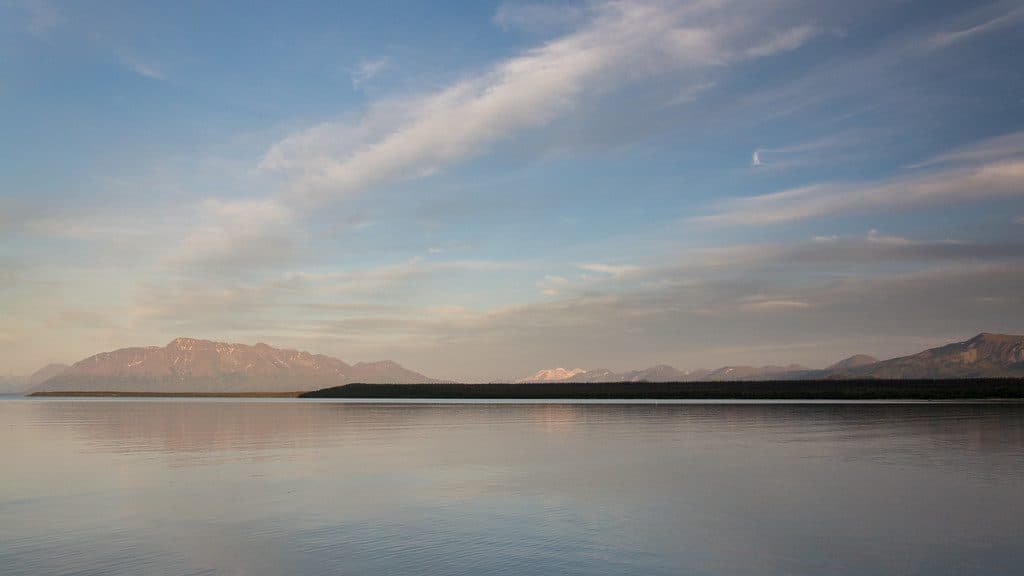
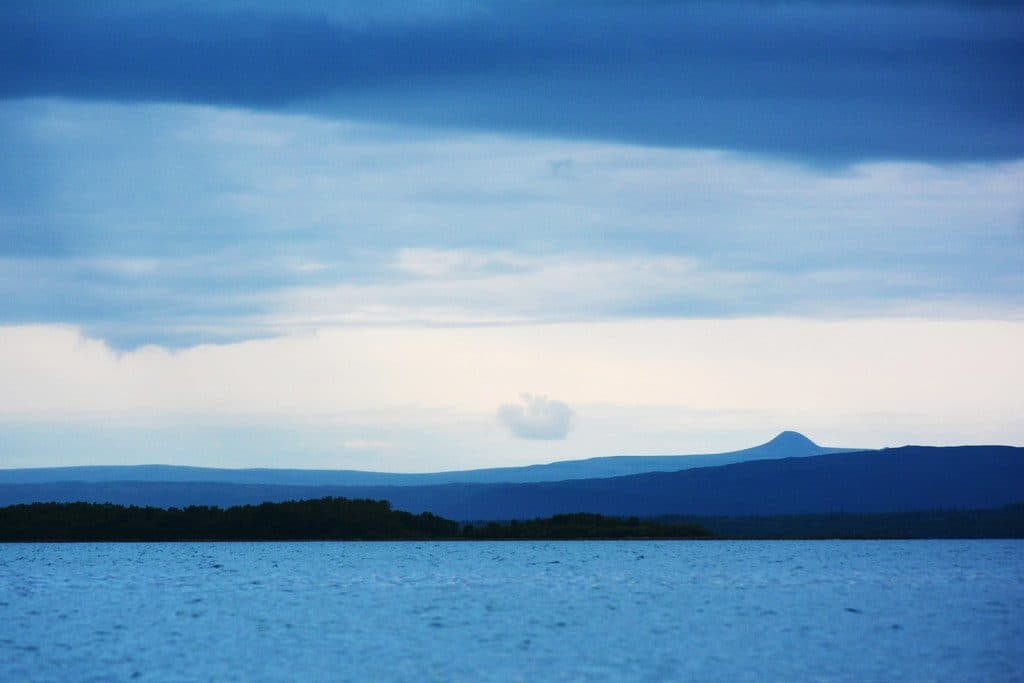
Kukak Bay is Katmai’s wild Pacific coast distilled: steep, glaciated walls opening into broad tidal flats and sedge meadows. There are no roads and no built facilities—access is by floatplane or boat, and your day is ruled by tides, fog, and sea state. If you’re chasing true wilderness and big wildlife, this is the coast you’re imagining.

What You’ll See

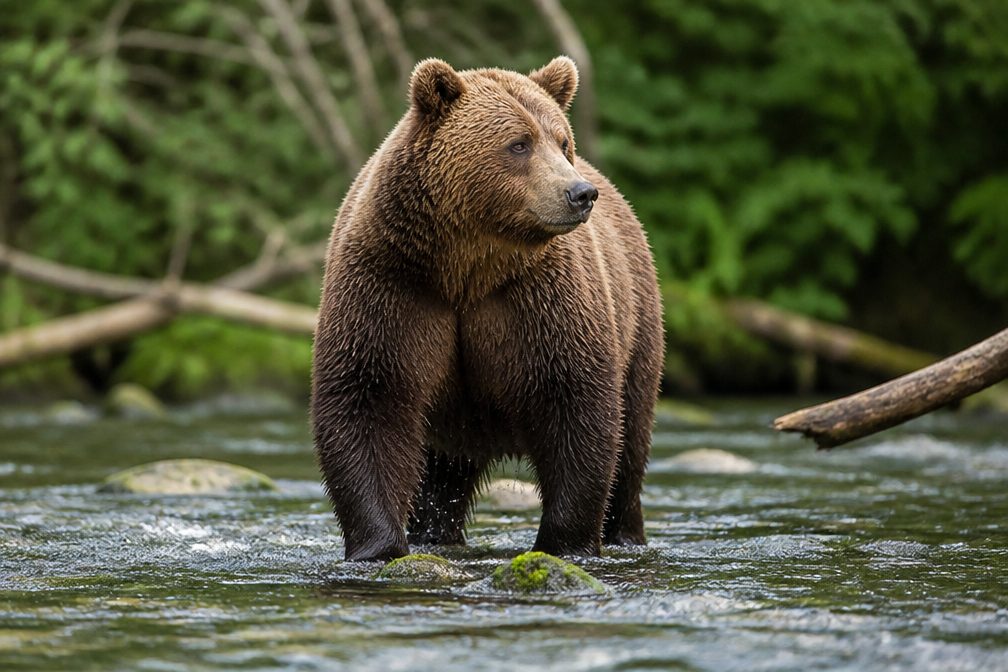
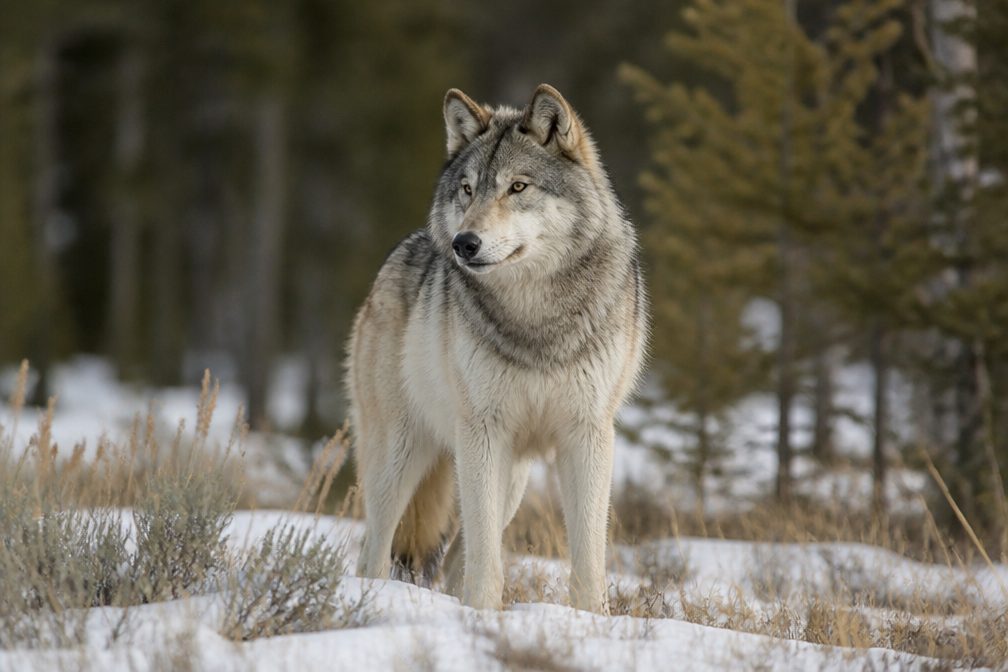
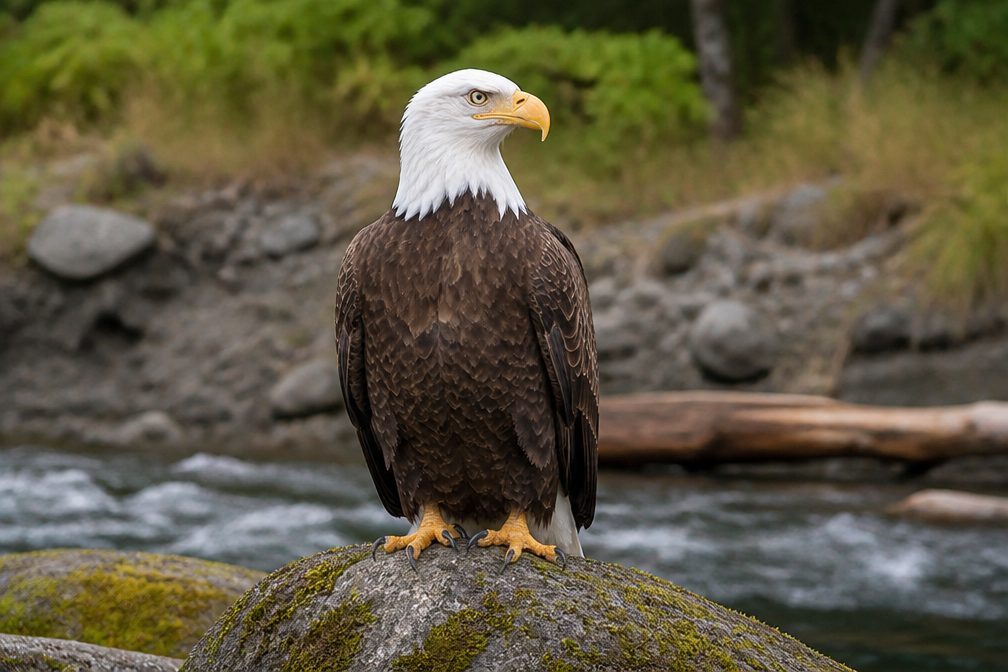
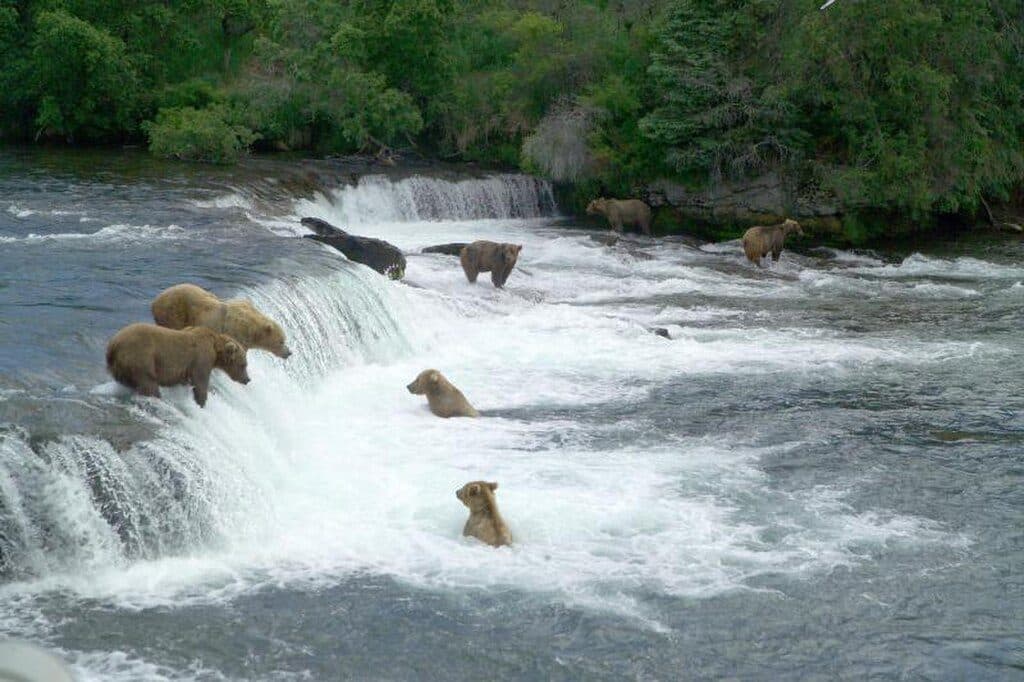
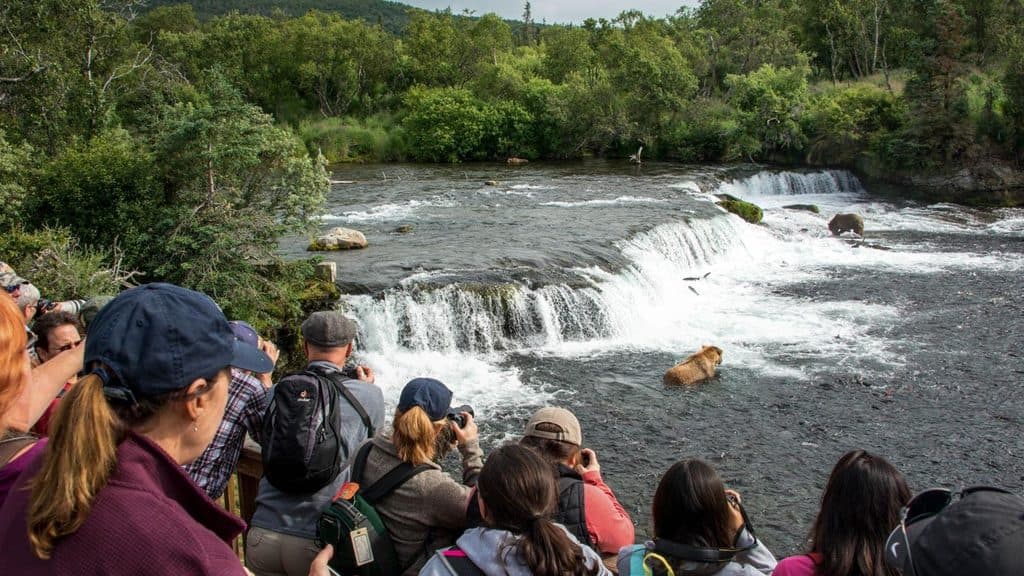
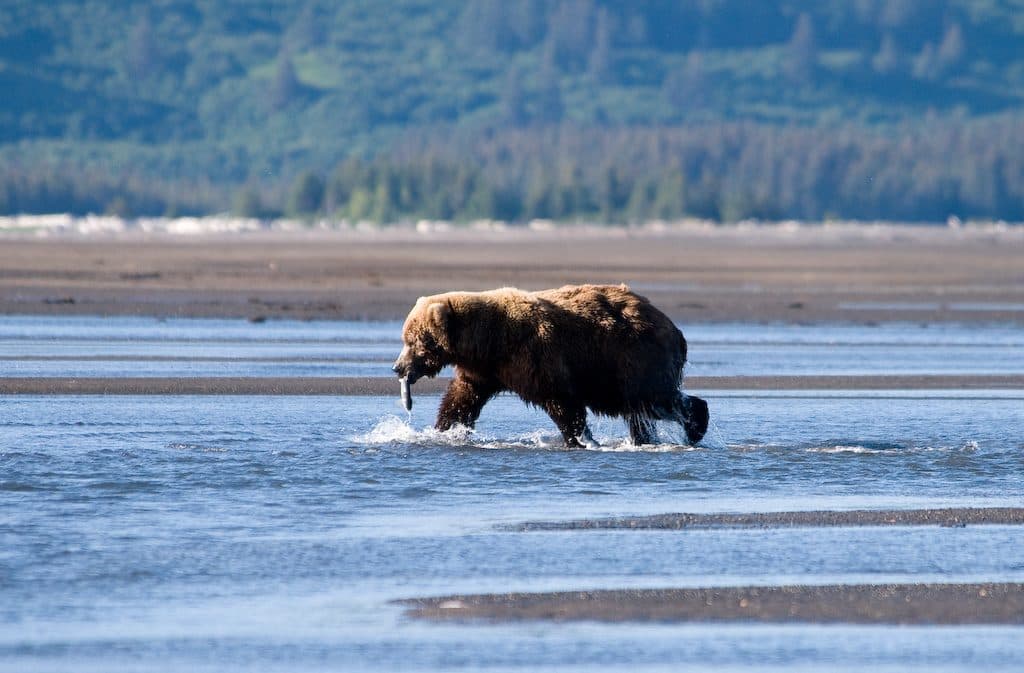
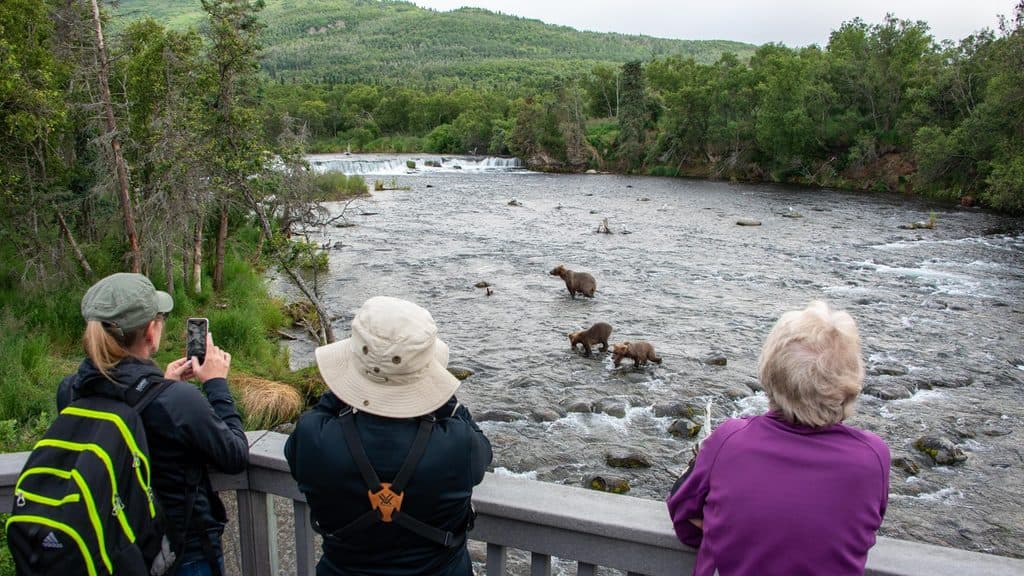
This bay is prime brown bear habitat. Early summer often brings bears grazing sedges on the flats; later, bears key in on salmon at river mouths. On the water, expect regular sightings of sea otters and harbor seals, with bald eagles and other seabirds patrolling tide rips and estuaries. Lucky visitors have reported puffins, wolves, and even orcas in the area.

Landscape & Geology

Kukak’s dramatic fjords and valleys were carved by ice, then reshaped by one of the world’s great eruptions in 1912. Volcanic ash still influences soils and streams, and the coast experiences large tidal ranges that rework beaches and mudflats daily. Shorelines here are dynamic—what’s dry ground at noon can be underwater by evening.

Getting There & On-the-Ground Reality

Plan to arrive by floatplane or by boat with a skiff for shore landings. Everything is tide- and weather-dependent; build buffer time into your itinerary. There are no campgrounds—only dispersed beach camping. Pitch well above the highest tide line with clear sightlines, use bear-resistant food containers, and consider a portable electric fence in bear-dense spots.

Bear Safety

Move in small, tight groups and keep your pace steady and predictable. Give bears generous space, never block their routes to food or water, and avoid dense alder and spruce edges at dawn and dusk. Cook and store food away from sleeping areas and keep an immaculate camp.

Photography Notes

Wildlife is abundant, but the best light is early and late. If you can, time shore sessions to those windows and to productive tide stages at stream mouths. Midday can be harsh for photos, especially on clear days.

Best Time to Visit

June through September is the sweet spot. Early summer favors sedge meadows; mid-to-late summer aligns with salmon runs. Weekdays see no real difference in “crowds”—this is backcountry—so prioritize good weather windows, gentler seas, and favorable tides for both landings and wildlife movement.


Cultural Respect

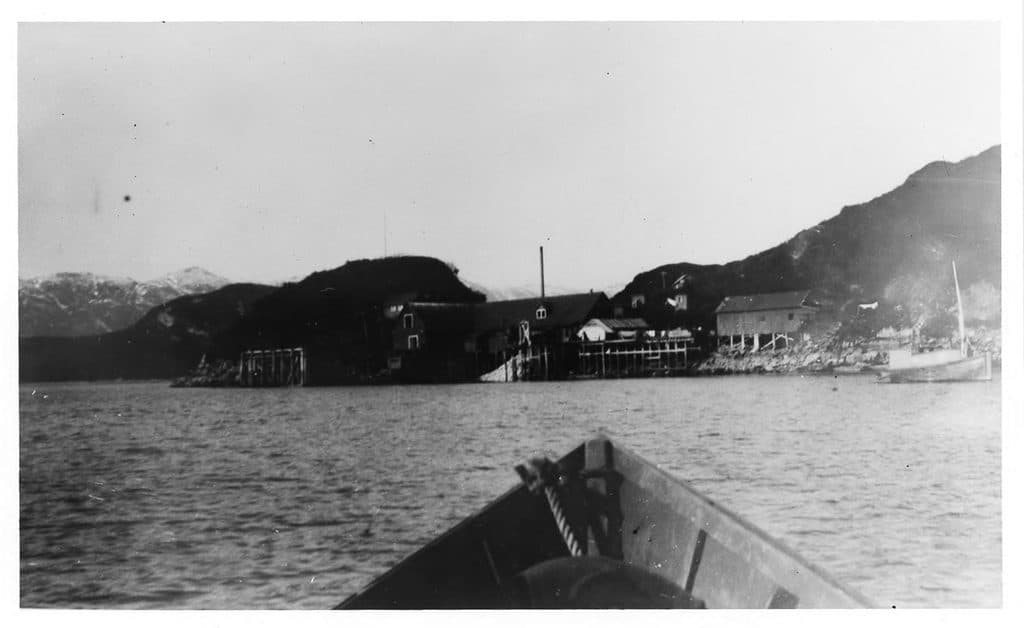
Katmai’s coast, including embayments like Kukak, holds significant cultural sites. Treat any ruins or artifacts as protected—look, don’t touch—and leave everything as you found it.

Pros

  • Exceptional brown bear viewing on tidal flats and stream mouths
  • Rich marine life with sea otters, seals, and seabirds

Cons

  • No services or facilities; full self-sufficiency required
  • Highly weather- and tide-dependent access by plane or boat

Tips

  • Build at least one weather buffer day into your plan.
  • Plan all landings and hikes around the tide table.
  • Bring hip or chest waders for stream crossings and mudflats.
  • Carry your own water and a satellite communicator for logistics.
  • Use bear-resistant food storage and keep cooking well away from your tent.
The Parkwolf tour guide sitting on a phone mounted in a car

Parkwolf Tour Guide

Like a tour guide in your car.

Save the places you found around Katmai, then let Parkwolf guide the drive between them.Download Parkwolf on the App Store