Kukak Volcano

Ice-clad, steaming coastal volcano deep in bear country
Kukak Volcano, Katmai National Park
InsideKatmai National Park

Overview

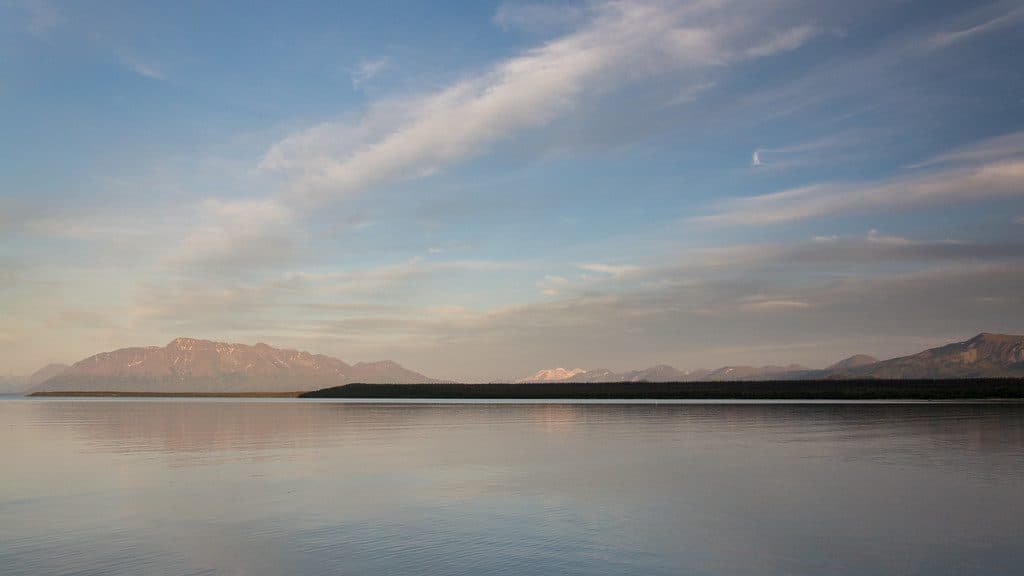
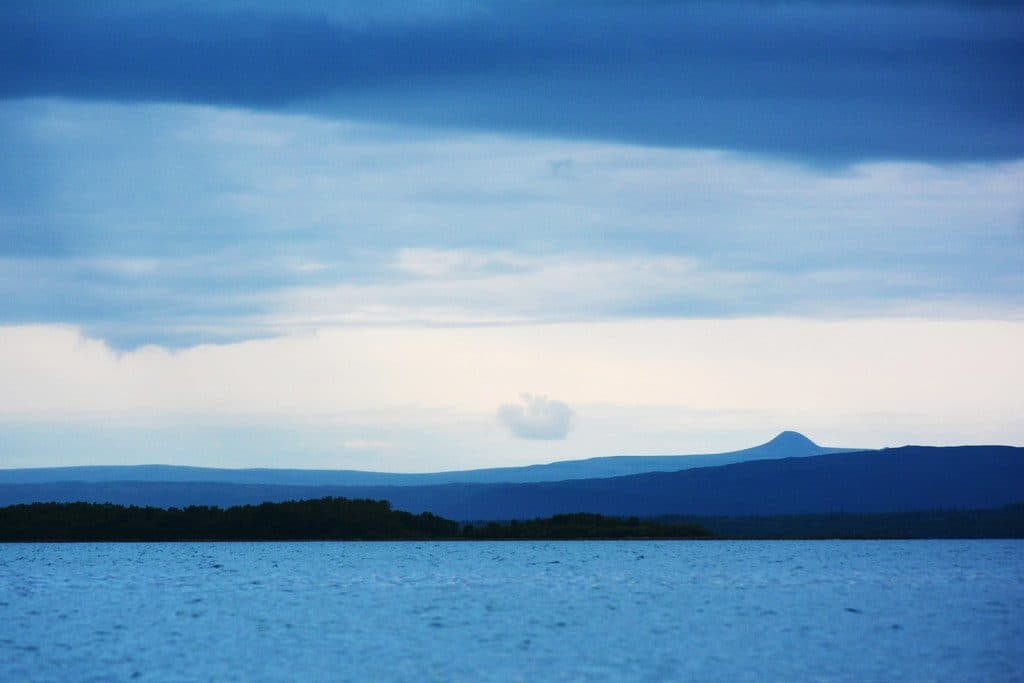
Kukak Volcano is a largely ice-clad peak on the park’s Pacific coast, just west of Hallo Bay. It’s true wilderness: no roads, no marked trailheads, and no services. What it does have is a rare, living geothermal system and big coastal scenery—very much a choose-your-own-adventure for experienced backcountry travelers.

Geology and activity

Kukak’s claim to fame is vigorous fumarolic activity. A notable fumarole field sits below the hydrothermally altered northern summit, and prolonged steaming can dust the snow with yellow sulfur. Despite old reports, there are no confirmed historical eruptions here—past “events” were clarified as steam and ash tied to nearby activity rather than a true Kukak eruption.

Access and what it takes

There’s no driving to this corner of Katmai. Reaching Kukak typically means chartering an air taxi or arranging a boat drop-off that also serves Hallo Bay—both heavily subject to fog, wind, surf, and tides. On the ground, expect cross-country travel through tidal flats, sedge meadows, brush, and glaciated volcanic slopes. Navigation is on you: bring maps/GPS and tide tables, and plan with generous weather buffers.

Wildlife and bear country

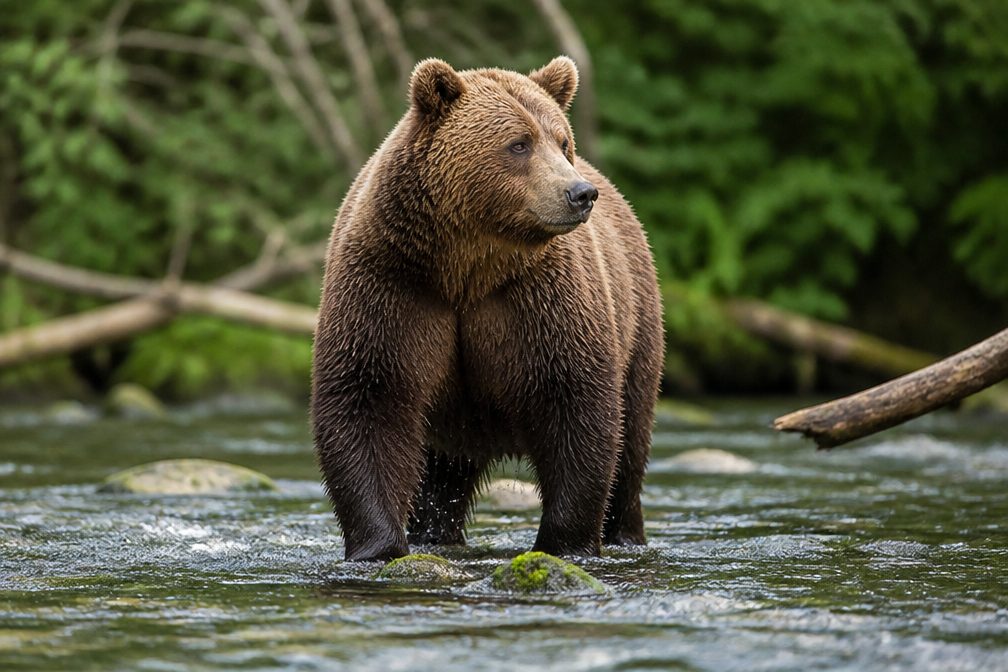
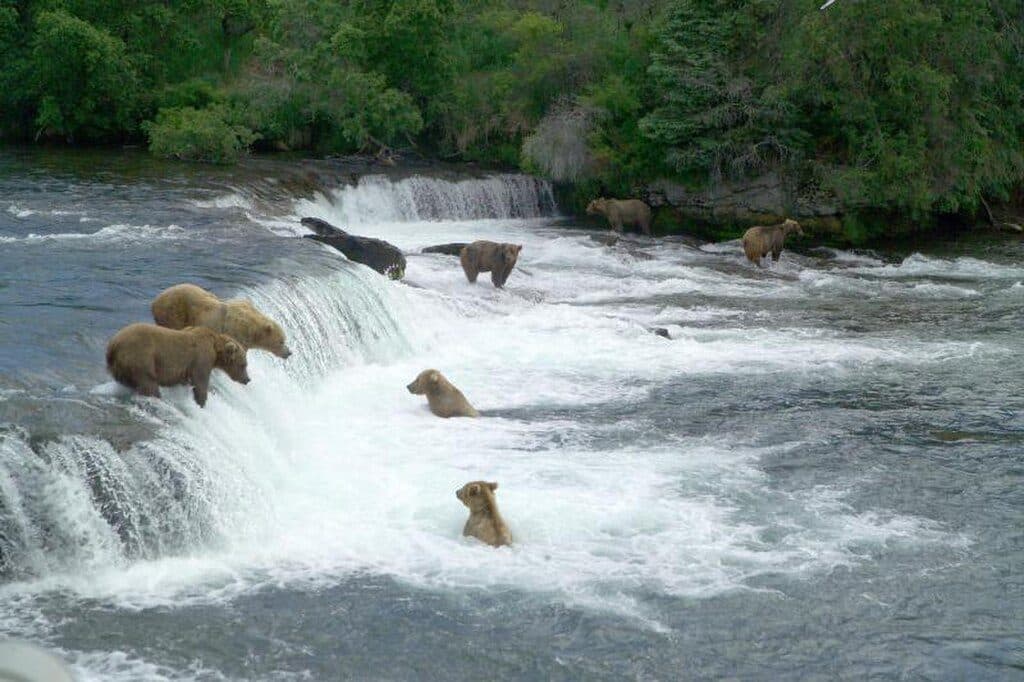
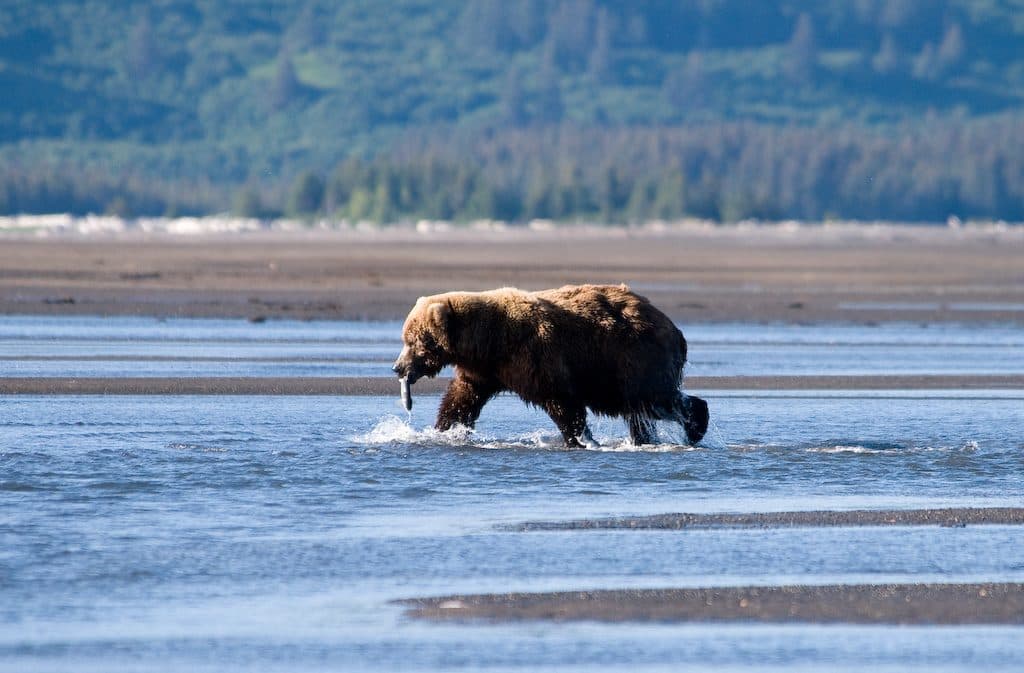
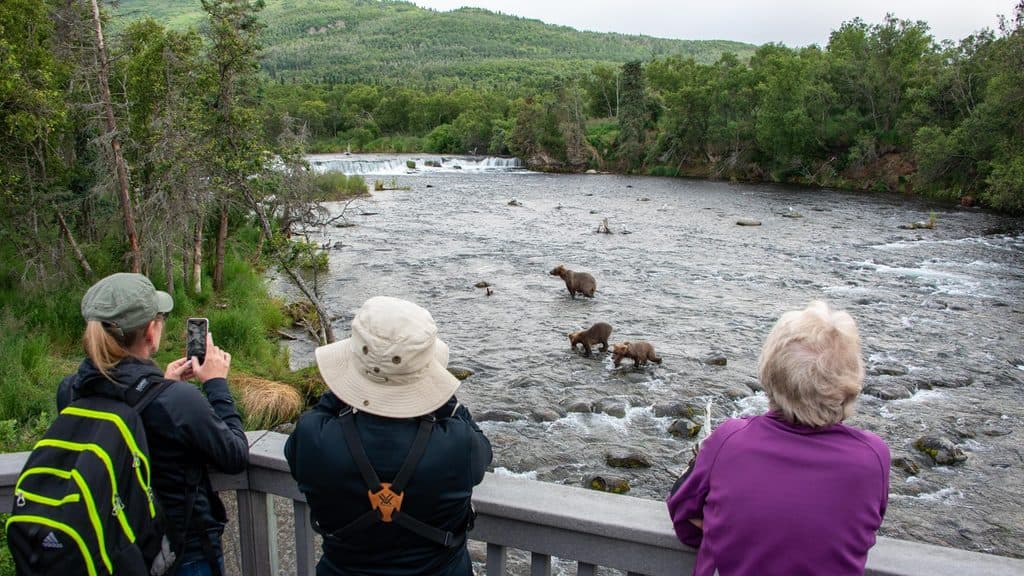
Hallo Bay is prime coastal brown bear habitat thanks to sedges, clams, and later-season salmon. You should plan on encountering bears anywhere in this area. Keep groups tight, yield the right-of-way, and follow strict bear-safety practices at all times.

Camping and logistics

Outside the Brooks Camp developed area, you’re in pure backcountry. No reservations are needed for camping out here, but you must be fully self-sufficient and practice Leave No Trace. Store all food and scented items in bear-resistant containers, choose camps with great sightlines, and pitch well above high tide to avoid storm surge surprises. There are no toilets, caches, or ranger facilities in the Kukak/Hallo Bay area.

Safety essentials

Do not approach fumarole fields. The ground can be thin, acidic, and collapse-prone, and gases are dangerous. Weather changes fast on the coast; carry reliable satellite communications and be prepared to wait out delays. Check current park and volcano advisories before committing to travel plans.

Best time to visit

For wildlife interest, bears tend to concentrate most around July and again in September. Regardless of month, plan for flexible windows—access here rises and falls with tides, fog, wind, and surf, and schedules are at the mercy of the weather.


Pros

  • Active fumaroles and sulfur-stained snow create dramatic scenes
  • Remote, glacier-clad coastal setting near prime brown bear habitat

Cons

  • No trails or facilities; access only by charter flight or boat and weather/tide dependent
  • Hazardous terrain and unstable ground near fumaroles; not for casual hikers

Tips

  • Build in multiple weather days; fog, wind, and tides often delay flights and boats.
  • Bring tide tables and camp well above high water to avoid storm surge.
  • Use bear-resistant containers and keep a clean, tight camp; travel in groups.
  • Give fumarole areas a wide berth—the ground can be unstable and gases harmful.
  • Carry satellite comms; there’s no cell service and conditions change fast.
The Parkwolf tour guide sitting on a phone mounted in a car

Parkwolf Tour Guide

Like a tour guide in your car.

Save the places you found around Katmai, then let Parkwolf guide the drive between them.Download Parkwolf on the App Store